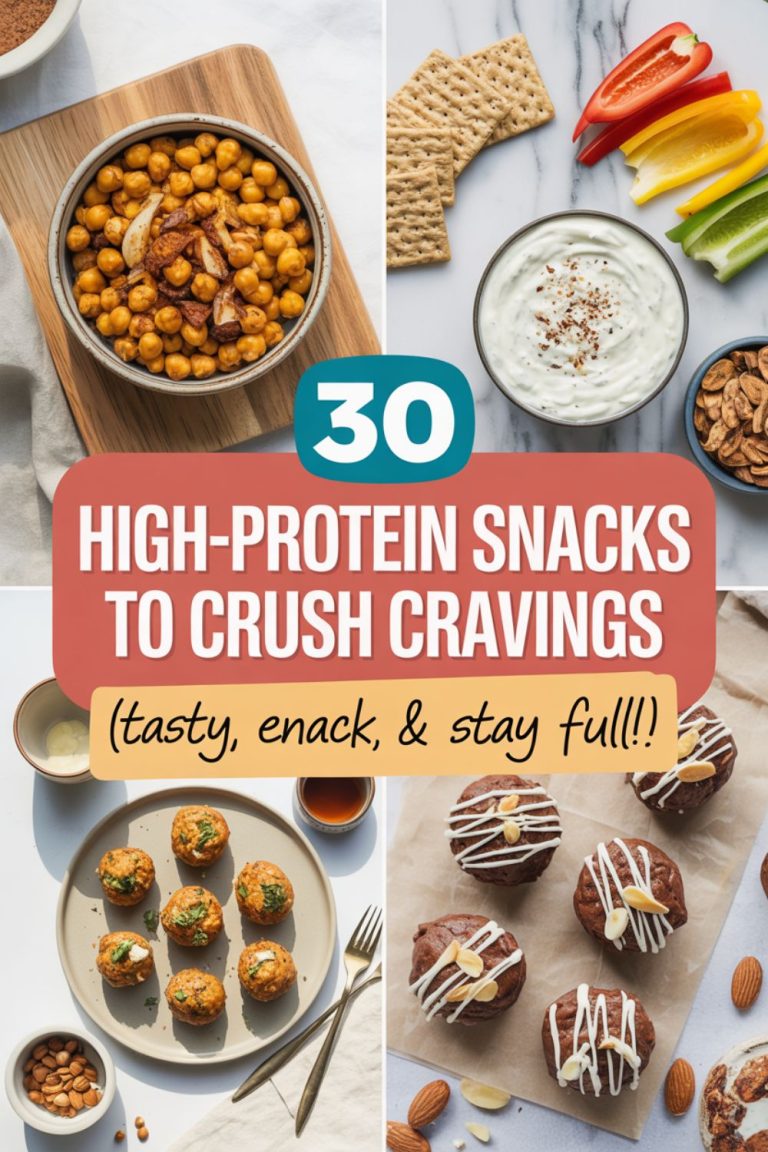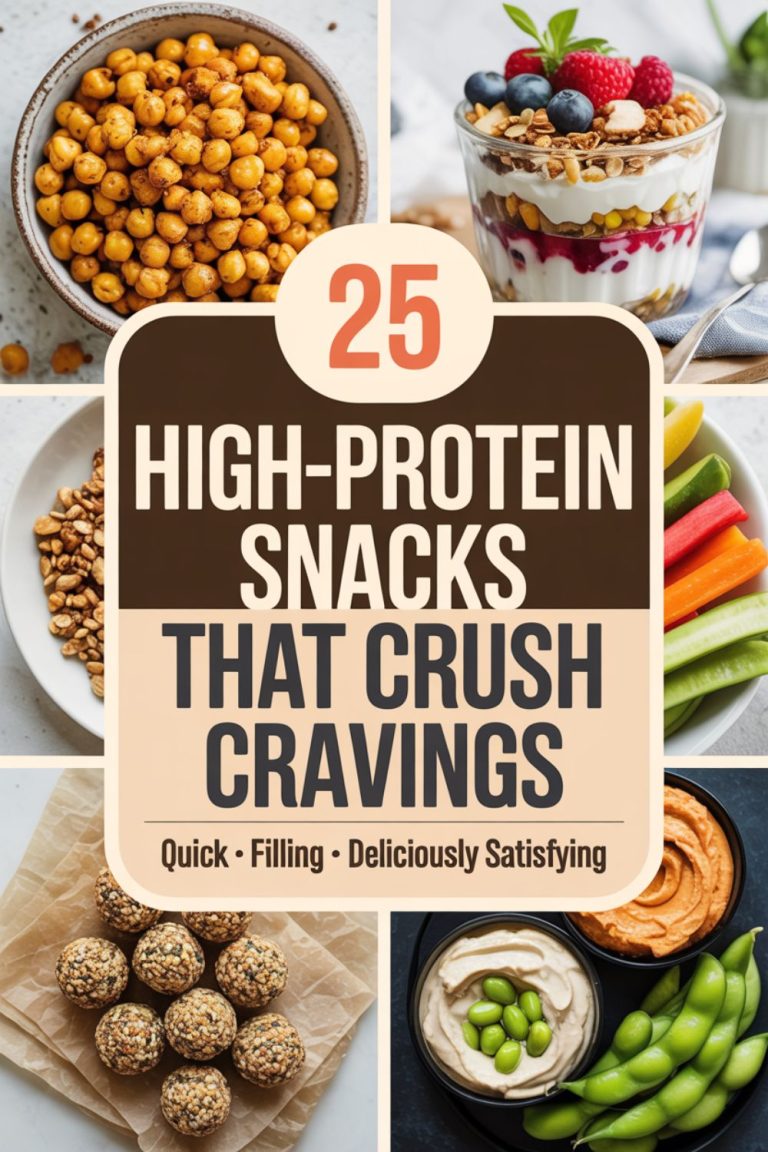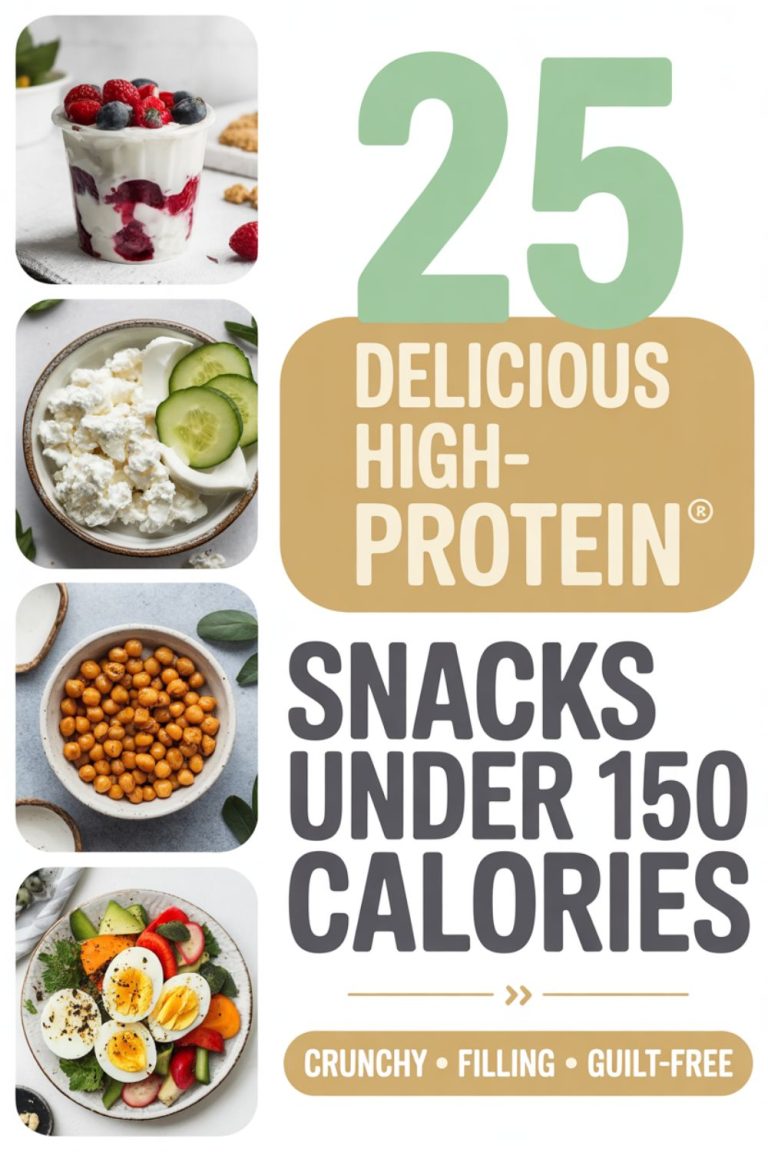
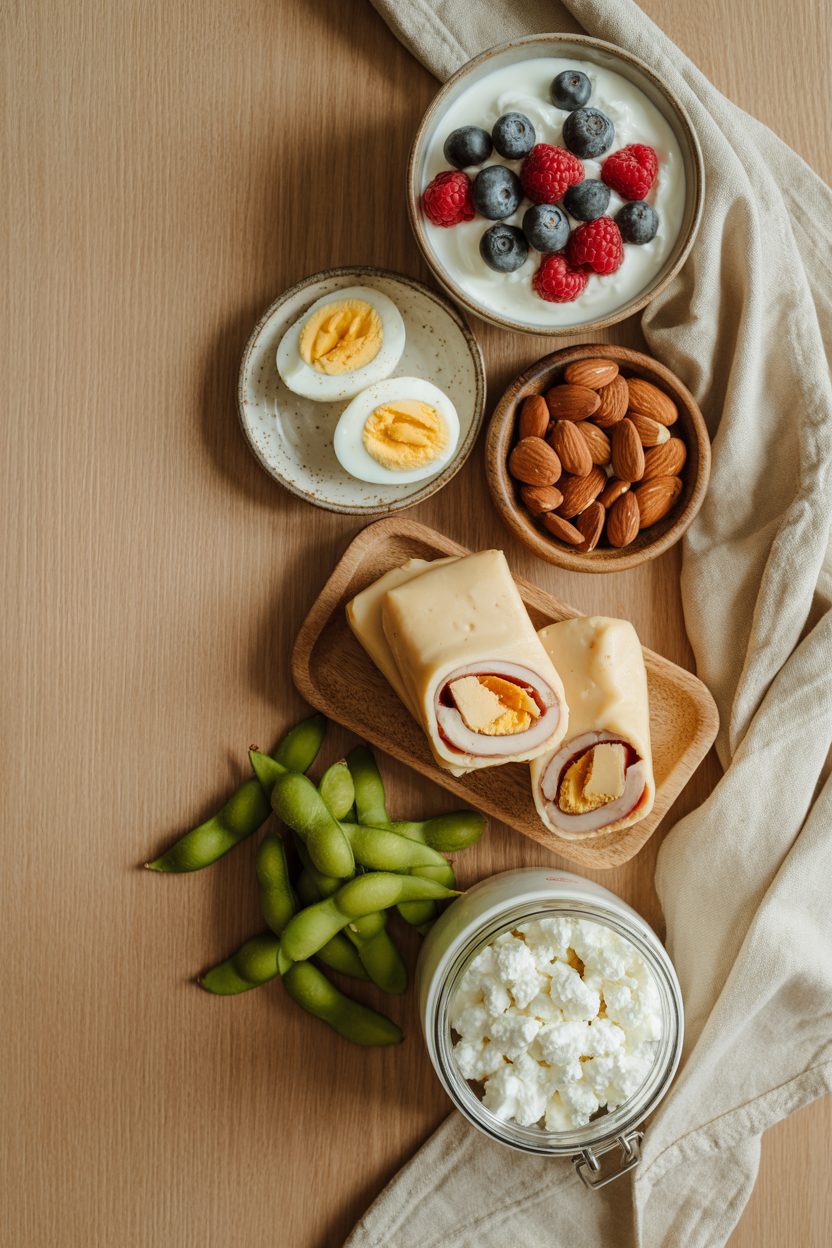
25 High-Protein Snacks Under 150 Calories
You know that 3 PM moment when your stomach starts auditioning for a horror movie soundtrack? Yeah, me too. For years, I’d demolish a bag of chips or raid the vending machine, only to feel hungrier an hour later. Then I discovered the magic of high-protein snacks that actually keep you satisfied without blowing your calorie budget.
Here’s what nobody tells you about snacking for weight loss: it’s not about willpower or deprivation. It’s about choosing snacks that work with your body instead of against it. These 25 protein-packed options all clock in under 150 calories, taste like actual food (not cardboard), and keep those hunger pangs from turning you into a hangry monster.
Why Protein Snacks Actually Work
Let’s talk science for a second without getting boring about it. Protein keeps you feeling fuller longer because it slows down digestion and helps stabilize your blood sugar. When you eat a high-protein snack, your body works harder to break it down—burning more calories in the process. It’s basically the only time being inefficient is a good thing.
Research shows that consuming more protein than the recommended dietary allowance aids weight loss while preserving muscle mass, which is crucial when you’re trying to lose fat without looking like you’ve been stranded on a desert island. Plus, protein triggers the release of hormones that tell your brain you’re satisfied. No more mindlessly grazing through an entire box of crackers.
I used to think I just had zero self-control around snacks. Turns out, I was just eating the wrong ones. Once I switched to protein-focused options, those constant cravings pretty much disappeared.
The Dairy Powerhouses
1. Greek Yogurt (Plain, Non-Fat)
A single-serving container (about 5-6 ounces) of plain Greek yogurt delivers around 15-17 grams of protein for only 90-100 calories. This stuff is thick, creamy, and nothing like that watery regular yogurt.
I buy the plain kind and add my own flavor. A drizzle of honey or some fresh berries makes it taste like dessert without the sugar crash. My favorite trick? Mix in a tiny pinch of cinnamon and vanilla extract. Game changer.
2. Low-Fat Cottage Cheese
Half a cup of low-fat cottage cheese packs about 12-14 grams of protein for roughly 80 calories. Yes, it has that weird texture. But hear me out—top it with cherry tomatoes and a crack of black pepper, and suddenly you’ve got a savory snack that feels substantial.
The key is buying the good stuff. Cheap cottage cheese tastes like sadness. Spring for the brands with minimal ingredients.
3. String Cheese
Two low-fat string cheese sticks give you 12 grams of protein for about 100 calories. They’re portable, require zero prep, and you can eat them in the car without causing a disaster.
I keep a stash in my insulated lunch bag so I always have protein on hand. No excuses for hitting the drive-through.
4. Light Cheese with Whole-Grain Crackers
One ounce of part-skim mozzarella or reduced-fat cheddar (about 80 calories, 7-8 grams protein) paired with 4-5 whole-grain crackers makes a satisfying combo. The protein from the cheese plus the fiber from the crackers keeps you full way longer than crackers alone.
Check the cracker label—you want at least 3 grams of fiber per serving. Otherwise, you’re basically eating flavored cardboard.
Speaking of balanced nutrition, if you’re looking for complete meal plans that incorporate these types of strategic snacks, check out this 7-day high-protein meal plan for women over 40 or the 14-day high-protein weight loss plan that takes all the guesswork out.
5. Protein Coffee
Mix one scoop of vanilla protein powder (about 20 grams protein, 100 calories) into cold brew coffee. Blend it with ice if you’re feeling fancy. This is basically a homemade protein shake that costs a fraction of those trendy coffee shop versions.
I use my portable blender bottle for this. Shake it up, and you’ve got breakfast or a midday pick-me-up.
The Egg Excellence
6. Hard-Boiled Eggs
Two hard-boiled eggs deliver 12 grams of protein for about 140 calories. They’re the ultimate prep-ahead snack. I make a dozen every Sunday using my electric egg cooker—no watching pots or guessing when they’re done.
Sprinkle them with everything bagel seasoning, and suddenly they’re restaurant-worthy. The seasoning adds zero calories but maximum flavor.
7. Egg White Bites
Three egg white bites (homemade or store-bought) clock in around 10-12 grams of protein and 100-120 calories. I make mine in a silicone muffin pan with diced peppers, onions, and a tiny bit of cheese.
Freeze them, then grab two or three on busy mornings. Microwave for 30 seconds, and you’re golden.
8. Egg Salad Lettuce Wraps
Chop one hard-boiled egg, mix with a teaspoon of Greek yogurt (instead of mayo), and wrap in romaine lettuce leaves. About 90 calories and 7 grams of protein.
The Greek yogurt swap cuts calories and adds more protein. Your arteries will thank you too.
Meat and Fish Options
9. Turkey Roll-Ups
Three slices of deli turkey (about 3 ounces) wrapped around cucumber spears or bell pepper strips give you roughly 18 grams of protein for 90 calories. No bread needed—the veggies add crunch and basically zero calories.
Buy the good turkey, not the weird processed stuff that tastes like salt and regret. Real roasted turkey makes all the difference.
10. Beef Jerky
A one-ounce serving of quality beef jerky packs about 10 grams of protein and 80-100 calories (depending on the brand). The key word is quality—check the ingredients and avoid anything with a novel’s worth of additives.
I look for grass-fed options with minimal sugar. Some brands taste like meat candy. Not what we’re going for here.
11. Tuna Salad Cucumber Bites
Half a can of tuna (about 13 grams protein, 60 calories) mixed with a tablespoon of Greek yogurt, served on thick cucumber rounds. Each “bite” is maybe 15-20 calories, so you can have several.
Use my mini ice cream scoop to portion the tuna mixture onto each cucumber slice. It looks fancy, tastes great, and you’ll feel like you’re at a cocktail party instead of fighting afternoon hunger.
12. Chicken Breast Strips
Three ounces of grilled chicken breast (roughly 26 grams protein, 140 calories) cut into strips for dipping in mustard or hot sauce. I meal prep these on Sundays alongside everything else.
Season them well before cooking. Bland chicken is a crime against snacking. My go-to? Paprika, garlic powder, and a little cayenne.
For more meal prep strategies that incorporate high-protein snacks into your weekly routine, the 21-day high-protein meal prep challenge provides structured guidance that builds sustainable habits.
Plant-Based Protein Winners
13. Roasted Chickpeas
Half a cup of roasted chickpeas delivers about 7 grams of protein and 130 calories. Toss canned chickpeas (drained and dried) with olive oil and spices, then roast on a parchment-lined baking sheet at 400°F for 25-30 minutes.
They come out crunchy and addictive. I make a big batch and portion them into small snack containers for the week. They satisfy that chip craving without the guilt.
14. Edamame
One cup of steamed edamame (in the pods) has about 17 grams of protein for 120 calories. Buy the frozen kind, microwave for 3 minutes, sprinkle with coarse sea salt, and you’re done.
Eating them from the pods slows you down, which helps with portion control. Plus, it’s oddly satisfying to pop them out.
15. Almonds
A small handful (about 12-15 almonds) gives you 6 grams of protein and 100 calories. I portion these out in advance because eating straight from the container is a dangerous game.
Raw or roasted doesn’t matter much, but skip the honey-glazed or chocolate-covered varieties. Those are calorie bombs in disguise.
16. Peanut Butter on Celery
Two tablespoons of natural peanut butter (8 grams protein, 190 calories… okay, slightly over 150, but worth it) spread on three celery sticks. If you want to stay under 150 calories, use one tablespoon and add more celery.
The combination of protein and healthy fats keeps you satisfied for hours. It’s a classic for a reason. Almond butter works too if you’re fancy like that.
17. Protein Energy Bites
Two homemade energy balls made from oats, protein powder, and nut butter clock in around 8-10 grams of protein and 120-140 calories. Roll them in your mini food processor, portion them out, and store them in the fridge.
They taste like cookie dough but won’t send your blood sugar on a roller coaster. Add dark chocolate chips if you’re feeling indulgent.
The Convenience Champions
18. Protein Shakes
Mix one scoop of protein powder with water or unsweetened almond milk. Most quality protein powders give you 20-25 grams of protein for 100-120 calories per scoop.
Keep single-serve packets in your desk drawer. Add water, shake, and you’ve got an instant snack. My shaker bottle has saved me from countless bad snacking decisions.
19. Protein Bars (The Right Ones)
Not all protein bars are created equal. Look for bars with at least 10 grams of protein, under 150 calories, and minimal added sugar. They should have recognizable ingredients, not a chemistry experiment.
I use these for genuine emergencies only. Real food should be your first choice, but sometimes you need something you can throw in your bag.
20. Light Tuna Pouches
A single-serving pouch of light tuna in water delivers about 16 grams of protein for 70 calories. Rip it open, squeeze some lemon juice on top, and eat it straight from the pouch.
Zero prep required. I keep these in my car for those moments when hunger strikes and good options are nowhere in sight.
21. Smoked Salmon with Cucumber
One ounce of smoked salmon (about 7 grams protein, 35 calories) on cucumber rounds with a tiny schmear of light cream cheese. The whole snack comes in under 100 calories.
This feels luxurious but takes 30 seconds to throw together. It’s the kind of snack that makes you feel like you have your life together.
If you’re following a low-carb approach, pair these snacks with the 7-day high-protein low-carb meal plan for a complete strategy.
The Unexpected Options
22. Bone Broth
One cup of bone broth has about 10 grams of protein for 40-50 calories. Sip it warm when you need something cozy and satisfying but don’t want to chew.
Get the good stuff—homemade or from quality brands. The watery commercial versions taste like disappointment in a box.
23. Pumpkin Seeds
A quarter cup of pumpkin seeds (pepitas) provides about 8.5 grams of protein and 140 calories. They’re crunchy, slightly nutty, and loaded with magnesium and zinc.
Roast them yourself with spices, or buy them pre-roasted. Either way, they’re way more interesting than plain almonds.
24. Seaweed Snacks with Cheese
A pack of roasted seaweed snacks (about 30 calories, 1 gram protein) paired with one light string cheese (6 grams protein, 50 calories). The combo is salty, savory, and weirdly addictive.
The seaweed adds basically zero calories but gives you that crunchy, salty satisfaction. The cheese provides the protein punch.
25. Protein Ice Cream
Half a cup of low-calorie, high-protein ice cream brands gives you about 6-8 grams of protein for 100 calories. Yes, this counts as a snack. No, I’m not joking.
Store it in the back of your freezer so you have to work for it. The extra 30 seconds gives you time to confirm you actually want it. Pro tip: eat it with a small spoon to make it last longer.
Making Protein Snacks Work for Real Life
Here’s the part nobody talks about: having healthy snacks available requires planning. I know, I know—planning sounds boring and takes effort. But the alternative is standing in front of the fridge at 4 PM, eating shredded cheese straight from the bag. Not that I’ve ever done that.
I dedicate 30 minutes every Sunday to snack prep. Hard-boil eggs, portion out nuts into small bags, make energy bites, prep veggies. It’s not glamorous, but it means I have grab-and-go options all week.
Stock your pantry and fridge strategically. Keep protein powder, Greek yogurt, string cheese, and canned tuna on hand always. When protein is accessible, you’ll actually eat it instead of whatever’s easiest.
How Much Protein Do You Actually Need?
The standard recommendation is about 0.8 grams of protein per pound of body weight for weight loss. So if you weigh 150 pounds, you’re aiming for roughly 120 grams of protein daily.
Spread that across three meals and a couple of snacks, and each snack should have about 10-15 grams of protein. Most of these snacks hit that target, making it easy to meet your daily goal without overthinking it.
FYI, you don’t need to be perfect. Hitting your protein target most days is what matters. Some days you’ll nail it, other days you won’t. That’s being human, not failing.
The Mistakes I Made So You Don’t Have To
Don’t fall for those “high-protein” snack packs that are basically regular snacks with protein powder sprinkled in. Read the labels. If protein isn’t one of the first three ingredients, it’s not actually a protein snack.
Also, don’t eat protein snacks on top of your regular diet and expect to lose weight. They’re meant to replace less nutritious snacks or fill gaps between meals. Calories still count, even when they come from protein.
And please, for the love of everything holy, don’t eat exclusively protein snacks and skip real meals. These are supplements to a balanced diet, not replacements for actual food. Your body needs variety.
The Portable Protein Strategy
I always keep protein snacks in three places: my desk drawer at work, my car, and my bag. This eliminates the excuse of “nothing was available” when hunger hits.
In the desk: protein bars, single-serve nut packs, protein powder packets In the car: beef jerky, protein bars, tuna pouches In the bag: string cheese in an insulated pouch, hard-boiled eggs, almonds
Having this system means I’m never more than five minutes away from a decent snack. It’s like insurance against bad decisions.
When to Eat Protein Snacks
Timing matters more than you’d think. Eating protein between meals helps maintain stable blood sugar and prevents the energy crashes that lead to poor food choices.
I eat protein snacks at two specific times: mid-morning (around 10 AM) and mid-afternoon (around 3 PM). These are when my energy typically dips and I’m most likely to make questionable snacking decisions.
After workouts, protein snacks help with muscle recovery. Within 30 minutes of exercising, I’ll have a protein shake or Greek yogurt. It’s not magic, but it helps.
Pairing Protein with Other Nutrients
Protein is powerful, but it works even better when paired with fiber or healthy fats. That’s why many of these snacks combine protein with vegetables, whole grains, or nuts.
Greek yogurt with berries? Protein plus fiber. Cheese with whole-grain crackers? Protein plus fiber. Turkey roll-ups with veggies? Protein plus fiber and basically zero fat.
The combination keeps you fuller longer than protein alone. It’s not complicated—just think about adding at least one other element to your protein snack.
The Budget-Friendly Approach
Protein doesn’t have to be expensive. Hard-boiled eggs, canned tuna, Greek yogurt, and dried chickpeas are all affordable protein sources that cost less per serving than fancy protein bars.
Buy protein powder in bulk online—it’s way cheaper than single-serve packets. Same goes for nuts. Hit up the bulk section at the grocery store and portion them yourself.
IMO, making your own protein snacks (energy bites, roasted chickpeas, egg bites) costs about half of what you’d pay for pre-made versions. Plus, you control the ingredients.
Related Recipes You’ll Love
Looking for more ways to incorporate high-protein eating into your routine? Here are some plans that pair perfectly with these snack ideas:
Complete Meal Plans:
- 7-Day High-Protein Meal Plan (1500 Calories) – Perfect if you’re tracking calories and want everything mapped out
- 30-Day High-Protein Transformation Plan – A full month of structured eating with built-in variety
Specialized Approaches:
- 7-Day High-Protein Intermittent Fasting Plan (16:8) – Combines protein focus with time-restricted eating
- 7-Day High-Protein Vegetarian Meal Plan – Plant-based protein strategies that actually work
For Muscle Building:
- 14-Day High-Protein Muscle Gain Meal Plan – If you’re focused on building lean muscle alongside fat loss
The Real Talk About Snacking
Here’s what I wish someone had told me years ago: snacking isn’t the enemy. Bad snacking is the enemy. Choosing protein-rich snacks that actually satisfy you is one of the smartest strategies for weight loss.
These 25 options give you variety so you don’t get bored eating the same three things forever. Some will become your favorites, others won’t be your thing. That’s totally fine. The goal is to find enough options you genuinely enjoy so healthy snacking becomes automatic, not something you force yourself to do.
Weight loss doesn’t require suffering through bland, boring food. It just requires making smarter choices most of the time. These high-protein snacks make those smart choices taste good, which is honestly the secret nobody wants to admit matters.
Build your snack rotation, prep ahead when you can, and keep protein accessible. That’s it. No magic pills, no weird supplements, just real food that keeps you satisfied while you work toward your goals. And honestly? That’s way more sustainable than whatever restrictive nonsense the diet industry is selling this week.