7-Day High-Protein Vegetarian Meal Plan – Printable PDF
Let me guess—you’re tired of people assuming vegetarians survive on lettuce and hummus, barely getting enough protein to function. Or maybe you’re tired of the same tofu scramble every morning while watching your meat-eating friends effortlessly hit 150 grams of protein by lunch.
Here’s the uncomfortable truth: getting adequate protein on a vegetarian diet requires more strategy than most people realize. You can’t just remove meat from your meals and call it done—you’ll end up protein-deficient, constantly hungry, and probably regretting your dietary choices within a month.
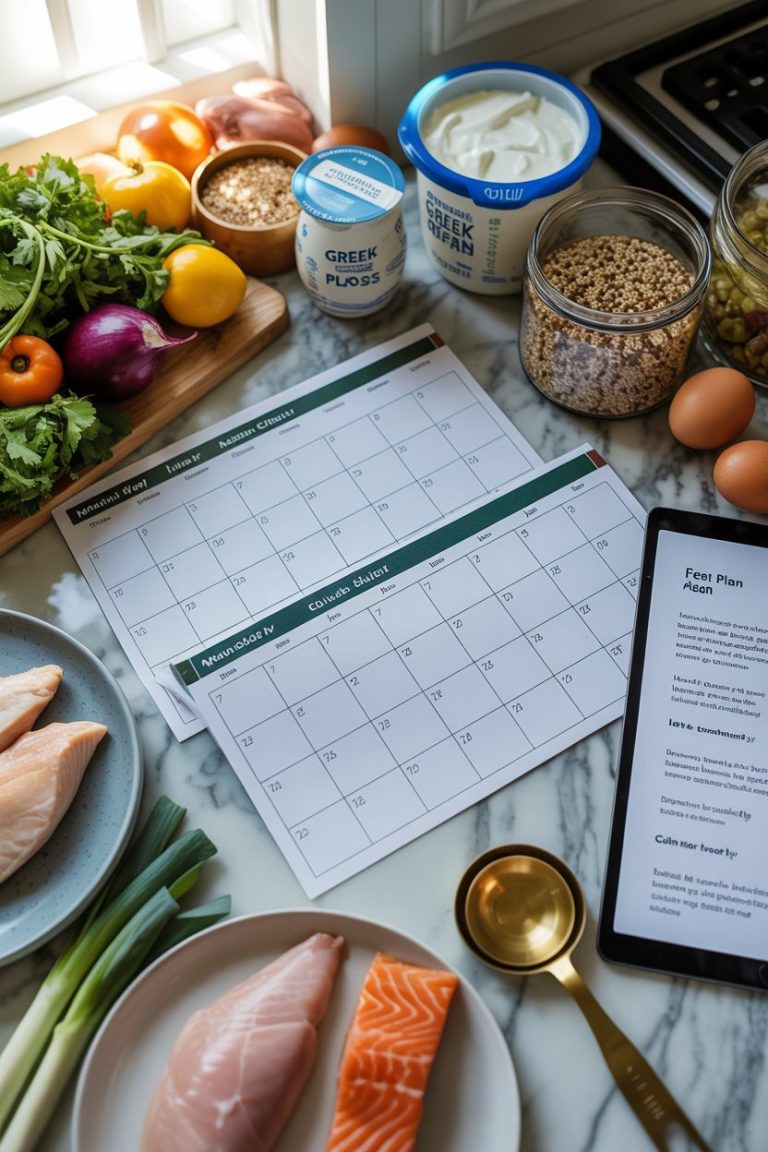
I went vegetarian three years ago and spent the first six months feeling weak, losing muscle, and wondering if I’d made a terrible mistake. Then I figured out the secret: strategic protein combining, leveraging dairy and eggs intelligently, and actually planning meals instead of winging it. That’s when I created this [7-day high-protein vegetarian meal plan – download your printable PDF here].
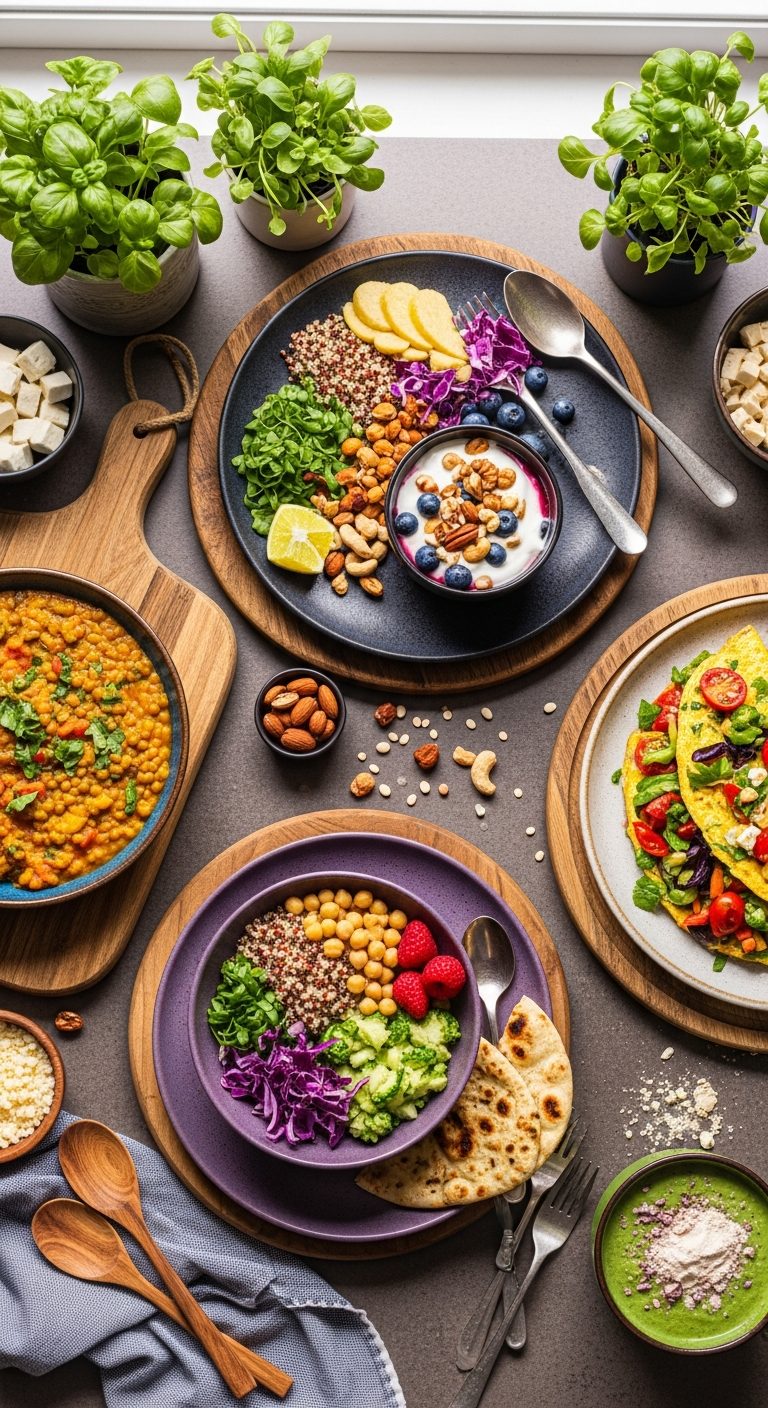
This isn’t another plan filled with sad veggie burgers and endless quinoa bowls. It’s a comprehensive approach that delivers 100-120 grams of protein daily using diverse, flavorful vegetarian sources that you’ll actually enjoy eating.
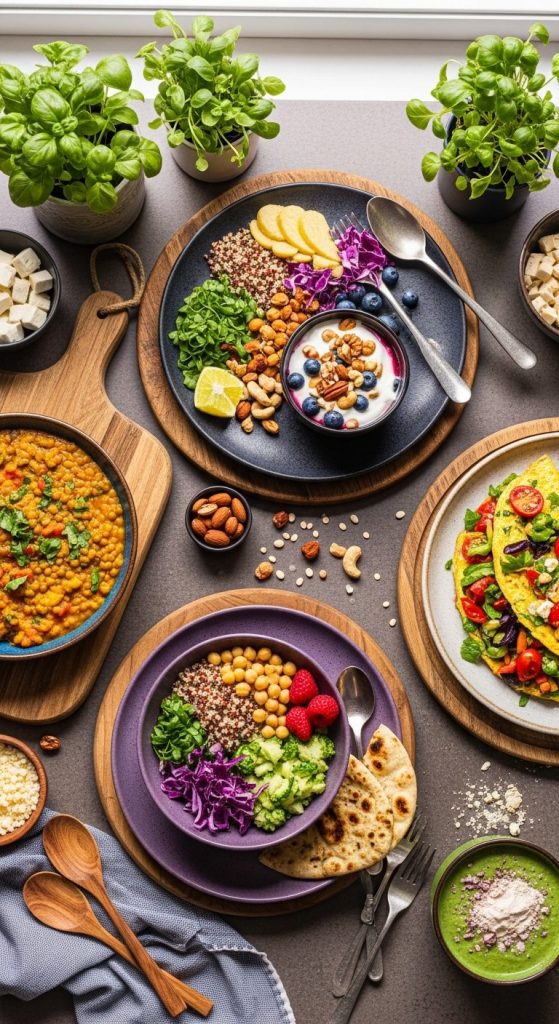
Why Vegetarian High-Protein Eating Requires Strategy
Let’s be honest—animal proteins make hitting protein targets absurdly easy. A chicken breast delivers 50 grams of complete protein with minimal effort. When you remove meat from your diet, you need to think harder about protein sources, combinations, and meal structure.
The challenge with plant proteins: most are incomplete, meaning they lack one or more essential amino acids your body can’t produce. Beans are low in methionine, grains are low in lysine. You need to combine different sources throughout the day to get all nine essential amino acids.
But here’s the good news: if you’re including dairy and eggs (lacto-ovo vegetarian), hitting high protein becomes significantly easier. These are complete proteins with excellent bioavailability, meaning your body absorbs and uses them efficiently.
According to research on vegetarian protein intake, vegetarians can easily meet and exceed protein requirements by strategically combining legumes, whole grains, dairy, eggs, nuts, and seeds throughout the day.
This 7-day plan delivers 100-120 grams of protein daily through:
- Strategic protein combinations at every meal
- Dairy and eggs as complete protein anchors
- High-protein plant sources (lentils, beans, quinoa, tofu)
- Protein-rich snacks that bridge gaps between meals
- Variety to prevent boredom and ensure broad nutrient intake
[Download the complete plan] with exact portions, shopping lists, and meal prep strategies designed specifically for vegetarian high-protein eating.
Understanding Vegetarian Protein Sources
Before we get into daily meals, let’s establish your protein toolkit. These are the foods you’ll rely on throughout the week:
Complete Proteins (contain all essential amino acids):
- Eggs (6g protein per large egg)
- Greek yogurt (15-20g per cup)
- Cottage cheese (25g per cup)
- Milk (8g per cup)
- Cheese (6-7g per ounce)
- Quinoa (8g per cup cooked)
- Soy products: tofu (10g per 4 oz), tempeh (15g per 4 oz), edamame (17g per cup)
Incomplete Proteins (combine throughout the day):
- Lentils (18g per cup cooked)
- Chickpeas (15g per cup)
- Black beans (15g per cup)
- Nuts and nut butters (6-8g per ounce)
- Seeds (5-7g per ounce)
- Whole grains (varies, generally 5-8g per cup)
The key is eating a variety of these throughout each day. You don’t need to combine them in every single meal—your body maintains an amino acid pool that draws from what you eat throughout the day.
For additional context on building complete protein meals, check out these [vegetarian protein combination guides] that simplify the science into practical meal formulas.
Day 1: Establishing Your Foundation
Breakfast: Greek Yogurt Power Bowl
Start Day 1 with a substantial breakfast that sets the protein tone. Mix 1.5 cups of full-fat Greek yogurt with granola, sliced banana, a handful of almonds, chia seeds, and a drizzle of honey. This combination delivers 35 grams of protein right out of the gate.
The Greek yogurt provides casein and whey proteins that digest at different rates, keeping you satisfied for hours. The almonds and chia seeds add additional protein plus healthy fats. The granola and banana provide carbs for energy without unnecessary sugar.
I make this in [this large ceramic bowl] that’s deep enough to mix everything thoroughly without creating a mess on my counter. The wide opening also makes it Instagram-worthy, which matters more than I’d like to admit.
Lunch: Lentil and Quinoa Buddha Bowl
Your midday meal features cooked lentils and quinoa over mixed greens, topped with roasted chickpeas, diced cucumber, cherry tomatoes, shredded carrots, avocado, and a tahini-lemon dressing. This combination hits 32 grams of protein while the quinoa-lentil pairing creates a complete protein profile.
The roasted chickpeas add crunch and extra protein—I toss them in olive oil and spices, then roast at 400°F for 30 minutes in [this rimmed baking sheet] until crispy. They’re genuinely addictive and store well for topping salads all week.
Snack: Cottage Cheese and Fruit
Mid-afternoon, eat cottage cheese with sliced peaches or berries and a small handful of walnuts. This provides 20 grams of protein and keeps energy stable without requiring any preparation. Cottage cheese is seriously underrated in the vegetarian protein game—it’s affordable, versatile, and packs more protein per calorie than almost any other dairy product.
Dinner: Black Bean and Sweet Potato Enchiladas
Evening meal features whole wheat tortillas filled with black beans, roasted sweet potato, and cheese, topped with enchilada sauce and more cheese, then baked until bubbly. Serve with a side of Mexican rice made with vegetable broth. [Get the complete enchilada recipe] with the homemade enchilada sauce that makes this taste authentic.
This dinner delivers 28 grams of protein. The beans provide lysine, the tortillas provide methionine—together they form a complete protein. The cheese adds even more protein while the sweet potato provides complex carbs and beta-carotene.
Day 1 Total: 115 grams protein
Speaking of complete vegetarian meals, you might also enjoy these [bean-based high-protein dinners] and [vegetarian Mexican-inspired meals] that keep things flavorful throughout the week.
Day 2: Diversifying Your Protein Sources
Breakfast: Veggie-Loaded Omelet
Day 2 starts with a three-egg omelet filled with spinach, mushrooms, tomatoes, and feta cheese. Serve with two slices of whole grain toast and a side of sliced avocado. This breakfast packs 30 grams of protein and demonstrates how eggs can anchor your morning meal effortlessly.
The combination of whole eggs provides complete protein plus healthy fats that support hormone production and satiety. The vegetables add fiber and micronutrients without many calories, and the toast provides energy for your morning.
I cook this in [this non-stick omelet pan] with sloped sides that make flipping or folding omelets actually possible instead of creating scrambled egg disasters.
Lunch: Mediterranean Chickpea Salad
Your midday meal features chickpeas as the star protein. Mix cooked chickpeas with diced cucumber, cherry tomatoes, red onion, Kalamata olives, and crumbled feta cheese. Dress with olive oil, lemon juice, oregano, and garlic. Serve over a bed of mixed greens with whole wheat pita on the side.
This lunch delivers 28 grams of protein. The chickpeas and whole wheat pita create a complete protein combination, while the feta adds high-quality dairy protein. The olive oil provides healthy fats, and the vegetables add volume without many calories.
Snack: Protein Smoothie
Mid-afternoon, blend a protein smoothie with vanilla protein powder, frozen berries, spinach, banana, and unsweetened almond milk. Add a tablespoon of almond butter for creaminess and extra protein. This shake delivers 35 grams of protein in liquid form that’s easy to consume even when you’re not particularly hungry.
Dinner: Baked Tofu with Peanut Sauce and Broccoli
Evening meal introduces tofu—pressed, cubed, marinated in soy sauce and ginger, then baked until crispy. Serve over brown rice with steamed broccoli and a homemade peanut sauce (peanut butter, soy sauce, lime juice, garlic, and a touch of honey). This dinner provides 30 grams of protein.
The tofu and brown rice create a complete protein. The peanut sauce adds additional protein and makes everything taste incredible. Press your tofu in [this tofu press] that removes moisture efficiently—properly pressed tofu actually gets crispy and develops texture instead of staying spongy.
Day 2 Total: 123 grams protein
Day 3: Exploring Breakfast Alternatives
Breakfast: Protein Pancakes
Day 3 introduces protein pancakes made with oat flour, eggs, mashed banana, and a scoop of vanilla protein powder. Top with Greek yogurt instead of syrup, plus fresh berries and a drizzle of almond butter. This breakfast delivers 40 grams of protein and tastes indulgent despite being nutritionally optimized.
The combination of eggs, protein powder, and Greek yogurt topping ensures you’re starting the day with substantial protein. The oat flour provides slow-digesting carbs, and the banana adds natural sweetness plus potassium.
Lunch: Caprese Sandwich with White Bean Spread
Your midday meal features whole grain bread spread with mashed white beans (mixed with garlic, lemon, and olive oil), topped with fresh mozzarella, thick slices of tomato, fresh basil, and a balsamic glaze. Serve with a side of minestrone soup loaded with beans and vegetables.
This combination hits 35 grams of protein. The white beans provide plant protein and fiber, the mozzarella adds dairy protein, and the soup contributes additional plant protein from multiple bean varieties.
Snack: Hard-Boiled Eggs with Everything Bagel Seasoning
Mid-afternoon, eat three hard-boiled eggs sprinkled with everything bagel seasoning, plus a handful of baby carrots and hummus. This provides 20 grams of protein and demonstrates how simple snacks can be protein-dense when you choose the right foods.
I keep [this egg cooker] on my counter because it makes perfect hard-boiled eggs without watching a pot. Just add water, set it, and walk away—no more green-tinged yolks or impossible-to-peel shells.
Dinner: Vegetarian Chili with Cornbread
Evening meal features a hearty three-bean chili (kidney beans, black beans, pinto beans) with tomatoes, peppers, onions, and spices. Serve with a piece of cornbread and top the chili with shredded cheese and Greek yogurt instead of sour cream. [Get the full vegetarian chili recipe] that makes enough for leftovers.
This dinner provides 32 grams of protein. The combination of three different beans ensures a complete amino acid profile, the cornbread adds complementary plant protein, and the cheese and Greek yogurt topping boost protein even further.
Day 3 Total: 127 grams protein
FYI, chili is one of those meals that tastes better the next day, so making a double batch on Day 3 gives you easy lunches for later in the week.
For more versatile vegetarian staples, try these [high-protein soup recipes] and [bean-based meal prep ideas] that simplify your weekly cooking routine.
Day 4: Maximizing Dairy Protein
Breakfast: Cottage Cheese Breakfast Bowl
Day 4 starts with something different—cottage cheese as the base instead of yogurt. Mix cottage cheese with diced peaches or pineapple, a handful of granola, pumpkin seeds, and a drizzle of honey. This delivers 30 grams of protein and introduces a different texture profile than yogurt-based breakfasts.
Cottage cheese is incredibly protein-dense—a full cup provides 25 grams of protein for relatively few calories. It’s one of the most efficient protein sources available to vegetarians, yet many people overlook it because of texture concerns. The granola and fruit address that issue by adding contrasting textures.
Lunch: Egg Salad Sandwich
Your midday meal features classic egg salad—chopped hard-boiled eggs mixed with Greek yogurt (instead of mayo), mustard, diced celery, and fresh dill. Serve on whole grain bread with lettuce, tomato, and sprouts. Add a side of lentil soup.
This lunch delivers 35 grams of protein. The eggs provide complete protein, the Greek yogurt adds even more protein while keeping calories reasonable, and the lentil soup contributes plant-based protein and fiber.
Snack: Cheese and Crackers with Apple
Mid-afternoon, eat sliced cheddar or Swiss cheese with whole grain crackers and apple slices. This simple snack provides 15 grams of protein and demonstrates how traditional snack foods can support high-protein eating when portioned correctly.
Dinner: Spinach and Ricotta Stuffed Shells
Evening meal features jumbo pasta shells stuffed with a mixture of ricotta cheese, mozzarella, parmesan, frozen spinach, and Italian herbs. Cover with marinara sauce and more cheese, then bake until bubbly. Serve with a Caesar salad. This dinner provides 38 grams of protein.
The combination of three cheeses makes this incredibly protein-dense—each stuffed shell delivers significant protein while the spinach adds iron and other micronutrients vegetarians often need to monitor.
I bake this in [this ceramic baking dish] that distributes heat evenly and looks nice enough to serve directly at the table. The size is perfect for making enough stuffed shells for leftovers without requiring multiple pans.
Day 4 Total: 118 grams protein
Day 5: Incorporating More Soy Proteins
Breakfast: Tofu Scramble with Vegetables
Day 5 introduces tofu at breakfast—crumbled firm tofu sautéed with turmeric (for color), nutritional yeast (for cheesy flavor), spinach, mushrooms, bell peppers, and onions. Serve with whole wheat toast and sliced avocado. This delivers 25 grams of protein and proves breakfast doesn’t require eggs to be satisfying.
The turmeric gives the tofu a yellow, egg-like appearance while providing anti-inflammatory benefits. Nutritional yeast adds B vitamins (important for vegetarians) plus a savory, almost cheesy flavor. The toast and avocado round out the meal with carbs and healthy fats.
Lunch: Tempeh BLT
Your midday meal features tempeh bacon—tempeh sliced thin, marinated in soy sauce and maple syrup, then pan-fried until crispy. Layer it on toasted whole grain bread with lettuce, tomato, avocado, and veganaise or regular mayo. Serve with a side of tomato soup.
This lunch delivers 32 grams of protein. Tempeh is fermented soybeans, making it easier to digest than plain tofu while providing even more protein. The fermentation also adds probiotics that support gut health.
Snack: Edamame with Sea Salt
Mid-afternoon, eat steamed edamame sprinkled with coarse sea salt. One cup provides 17 grams of protein—it’s literally one of the most protein-dense plant foods available. Keep frozen edamame on hand for quick, high-protein snacks that require zero preparation beyond steaming.
I steam mine in [this microwave steamer basket] that takes three minutes and doesn’t require dirtying a pot. Game changer for lazy afternoons when you need protein but don’t want to cook.
Dinner: Vegetarian Pad Thai
Evening meal features rice noodles stir-fried with scrambled eggs, tofu, bean sprouts, carrots, and scallions in a sauce made from tamarind paste, soy sauce, lime juice, and peanut butter. Top with crushed peanuts and fresh cilantro. This dinner provides 35 grams of protein.
The combination of eggs, tofu, and peanuts makes this incredibly protein-rich while the rice noodles provide carbs for energy. The vegetables add crunch and nutrients without many calories.
Day 5 Total: 109 grams protein
Looking for more Asian-inspired vegetarian options? Try these [tofu stir-fry recipes] and [tempeh-based meals] that showcase how versatile soy proteins can be when prepared properly.
Day 6: Weekend Flexibility and Variety
Breakfast: Whole Wheat Waffles with Nut Butter
Day 6 brings weekend breakfast vibes—whole wheat waffles topped with almond butter, sliced banana, and a side of scrambled eggs. The waffles themselves contain eggs, the almond butter adds protein, and the scrambled eggs on the side ensure you’re hitting adequate protein even during a more relaxed weekend breakfast.
This meal delivers 28 grams of protein and feels indulgent despite being nutritionally sound. Make extra waffles and freeze them for quick weekday breakfasts—they toast perfectly and maintain texture.
Lunch: Greek Quinoa Bowl
Your midday meal features cooked quinoa topped with cucumber, cherry tomatoes, Kalamata olives, red onion, chickpeas, crumbled feta, and a lemon-herb dressing. This Mediterranean-inspired bowl provides 30 grams of protein through the quinoa-chickpea combination plus feta cheese.
The beauty of bowls is customization—if you don’t like olives, add sun-dried tomatoes. Not a feta fan? Use mozzarella or skip cheese and add more chickpeas. The framework supports high protein regardless of specific ingredient preferences.
Snack: Greek Yogurt with Honey and Walnuts
Mid-afternoon, eat Greek yogurt drizzled with honey and topped with crushed walnuts. Simple, satisfying, and delivers 20 grams of protein without requiring any cooking or elaborate preparation.
Dinner: Vegetarian Lasagna
Evening meal features classic lasagna with layers of whole wheat noodles, ricotta cheese mixed with spinach, marinara sauce, and mozzarella. This comfort food delivers 40 grams of protein per generous serving.
The ricotta-spinach filling is where most protein lives—ricotta is incredibly protein-dense for a cheese, and layering it between noodles creates a complete meal. Make this in [this deep lasagna pan] that fits multiple layers without overflowing in your oven.
IMO, lasagna is one of those dishes that justifies the effort because it provides easy lunches for days afterward. Make it Sunday, eat it through Wednesday—that’s three meals handled with one cooking session.
Day 6 Total: 118 grams protein
Day 7: Meal Prep Strategies for Next Week
Breakfast: Protein Smoothie Bowl
Day 7 starts with a thick smoothie bowl—blend frozen berries, banana, protein powder, Greek yogurt, and just enough almond milk to keep it thick enough to eat with a spoon. Top with granola, chia seeds, coconut flakes, and fresh fruit. This delivers 35 grams of protein.
The thick consistency makes it feel more substantial than a regular smoothie, and the toppings add texture variety. Plus it’s infinitely customizable based on what’s in your freezer and pantry.
Lunch: White Bean and Kale Soup
Your midday meal features a hearty soup with white beans, kale, tomatoes, carrots, celery, and Italian herbs. Serve with crusty whole grain bread and a side of hummus for dipping. This lunch provides 25 grams of protein through the beans and bread combination.
The soup is one of those set-it-and-forget-it meals that’s perfect for Sunday meal prep. Make a huge pot, portion it into containers, and you’ve got lunches ready for the week ahead.
Snack: Roasted Chickpeas
Mid-afternoon, eat roasted chickpeas seasoned with your choice of spices (ranch seasoning, BBQ spice, curry powder). These crispy little protein bombs provide 15 grams of protein per serving and satisfy that crunchy snack craving.
Dinner: Mushroom and Swiss Chard Frittata
Evening meal features a large frittata loaded with sautéed mushrooms, Swiss chard, caramelized onions, and Gruyere cheese. Serve with roasted potatoes and a simple arugula salad. This dinner delivers 32 grams of protein.
Frittatas are brilliant because they’re essentially crustless quiches—high protein from eggs and cheese, easy to make, and they taste great at any temperature. Make it Sunday, eat slices throughout the week for quick breakfasts or lunches.
Cook this in [this cast iron skillet] that goes from stovetop to oven seamlessly. The even heat distribution ensures the bottom doesn’t burn while the top finishes cooking.
Day 7 Total: 107 grams protein
[The complete downloadable plan] includes detailed recipes for every meal, weekly shopping lists organized by store section, and batch cooking strategies that minimize daily kitchen time.
Strategic Protein Combining Throughout the Day
Let’s talk about something crucial—complete vs. incomplete proteins and why you don’t need to stress about combining them at every single meal.
The outdated advice: You must eat complementary proteins together in the same meal (beans + rice, peanut butter + bread) to form complete proteins.
The current understanding: Your body maintains an amino acid pool throughout the day. As long as you eat a variety of protein sources within a 24-hour period, you’ll get all essential amino acids.
That said, combining complementary proteins at meals does maximize protein utilization. Common complementary pairs:
- Beans + rice or corn
- Lentils + whole grains
- Peanut butter + whole wheat bread
- Hummus + whole wheat pita
- Tofu + quinoa or rice
This plan naturally incorporates these combinations without making you obsess over every pairing. The variety of protein sources throughout each day ensures complete amino acid coverage.
According to research on vegetarian protein quality, vegetarians who eat diverse protein sources easily meet protein requirements without specific combining strategies.
Meal Prep Strategies for Vegetarian High-Protein Eating
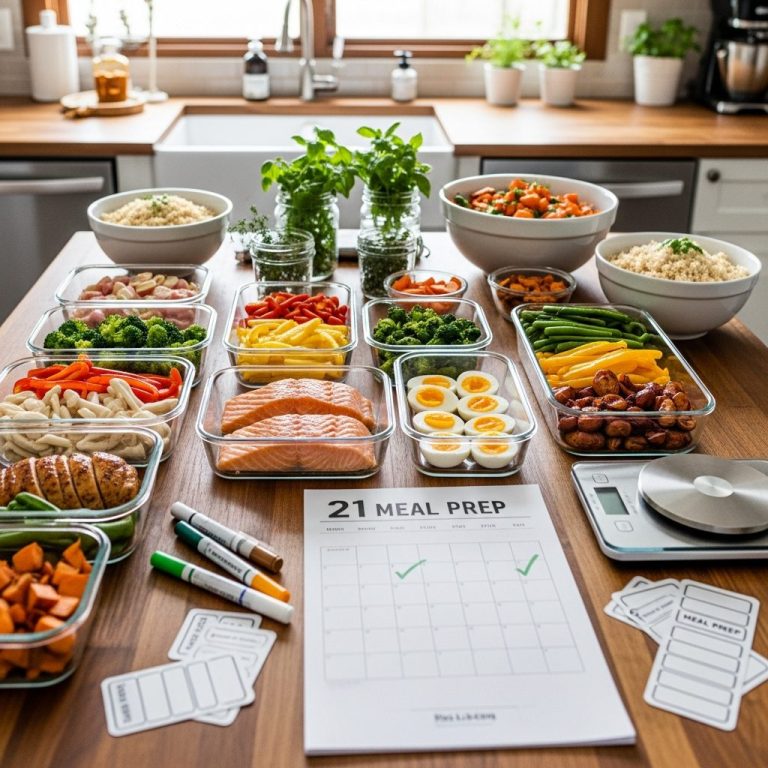
Preparing food when you’re vegetarian and protein-focused requires strategic thinking. You can’t just grill a week’s worth of chicken and call it done.
My Sunday prep routine:
- Cook grains in bulk – Brown rice, quinoa, farro all at once
- Prep beans – Cook dried beans or drain/rinse several cans, portion for the week
- Hard-boil a dozen eggs – Quick protein for any meal or snack
- Roast vegetables – Brussels sprouts, sweet potatoes, carrots, peppers
- Make one or two sauces – Tahini dressing, peanut sauce, marinara
- Press and marinate tofu – Ready to cook throughout the week
Store everything in [these glass containers with labels]—you can see what’s inside, they’re dishwasher safe, and the label space helps track when you prepped each component.
The key is preparing versatile ingredients rather than complete meals. A batch of quinoa works in breakfast bowls, lunch salads, and dinner grain bowls. Cooked beans go in soups, salads, tacos, or power bowls. This flexibility prevents boredom while minimizing prep time.
For those looking to streamline further, these [vegetarian batch cooking strategies] and [plant-based meal prep guides] offer additional efficiency tips that save hours weekly.
Supplementation Considerations for Vegetarians
Most nutrients come from whole foods in this plan, but a few supplements deserve consideration for vegetarian high-protein eating:
Worth considering:
- B12 – Only reliably found in animal products; vegetarians should supplement or eat fortified foods
- Iron – Plant iron (non-heme) absorbs less efficiently than meat iron; consider supplementation if blood work shows low levels
- Omega-3s – If you don’t eat eggs regularly, algae-based omega-3 supplements provide EPA and DHA
- Protein powder – Convenient for hitting daily targets; choose whey (if dairy-tolerant) or plant-based blends
Probably unnecessary:
- Amino acid supplements (adequate if protein intake is sufficient)
- Expensive greens powders (just eat actual vegetables)
- Detox supplements (your liver and kidneys handle this naturally)
The meal plan provides robust nutrition from whole foods. Supplements fill specific gaps or add convenience, but they don’t replace solid nutrition.
Addressing Common Vegetarian Protein Myths
Let’s bust some myths that prevent people from embracing vegetarian high-protein eating:
Myth 1: “You can’t build muscle on a vegetarian diet”
False. Adequate protein is adequate protein, regardless of source. Vegetarian athletes and bodybuilders prove this repeatedly. You just need to be more strategic about hitting targets.
Myth 2: “Plant proteins are inferior”
Partially true. Plant proteins generally have lower bioavailability than animal proteins, meaning your body absorbs slightly less. But eating adequate total protein compensates for this easily. The plan accounts for this by targeting 100-120g daily rather than the bare minimum.
Myth 3: “You’ll be hungry all the time”
Only if you’re not eating enough protein and fat. This plan emphasizes both, ensuring genuine satiety between meals. Hunger means inadequate nutrition, not an inherent flaw in vegetarian eating.
Myth 4: “Vegetarian diets are expensive”
Meat is usually the most expensive part of grocery bills. Beans, lentils, eggs, and even Greek yogurt cost significantly less per gram of protein than chicken or beef. Strategic shopping makes vegetarian eating quite affordable.
Related Recipes You’ll Love
Looking for more vegetarian high-protein meal ideas beyond this 7-day plan? Here are some recipes that deliver the protein you need:
More Breakfast Ideas: Try these [egg-based vegetarian breakfasts] and [high-protein smoothie variations] that start your day right.
Lunch Solutions: Check out these [bean and grain bowl formulas] and [vegetarian sandwich ideas] perfect for meal prep.
Dinner Inspiration: Explore these [tofu and tempeh dinners] and [cheese-based high-protein meals] for satisfying evenings.
Complete Guides: Browse our [vegetarian meal prep strategies] and [plant-based protein guides] for extended planning.
Your Vegetarian High-Protein Journey Starts Now
Here’s the bottom line: vegetarian eating doesn’t mean sacrificing protein or your fitness goals. It just requires more intentional planning than throwing a chicken breast on everything.
This 7-day plan proves you can easily hit 100-120 grams of protein daily using diverse, delicious vegetarian sources. You’re not surviving on salads and hoping for the best—you’re strategically combining legumes, grains, dairy, eggs, soy, nuts, and seeds to create complete, satisfying meals.
[Download your complete 7-Day High-Protein Vegetarian Meal Plan – Printable PDF] and give yourself the structure you need to thrive on a vegetarian diet. Everything you need—daily meal plans with exact recipes, complete shopping lists, prep guides, protein combining strategies, and troubleshooting tips—is ready right now.
Stop guessing whether you’re getting enough protein. Stop feeling weak or hungry between meals. This plan gives you the nutritional foundation to build muscle, maintain energy, and feel genuinely satisfied while eating vegetarian.
[Click here to get your printable vegetarian meal plan PDF] and start proving that vegetarian eating can absolutely support your health and fitness goals. Your future self—stronger, energized, and confident in your food choices—will thank you for finally approaching vegetarian nutrition strategically.