7-Day High-Protein Intermittent Fasting Plan (16:8) – PDF
So you’ve heard about intermittent fasting and you’re intrigued, but every plan you find seems to forget one crucial detail—protein. You’re supposed to build muscle or at least maintain it while fasting for 16 hours daily, but most IF meal plans look like they were designed by someone who’s never lifted a weight in their life.
Here’s the issue: fasting is great for fat loss and metabolic health, but if you’re not strategic about protein intake during your eating window, you’ll lose muscle right alongside fat. I spent my first month doing IF wondering why I felt weak in the gym before realizing I was barely hitting 80 grams of protein daily crammed into 8 hours.
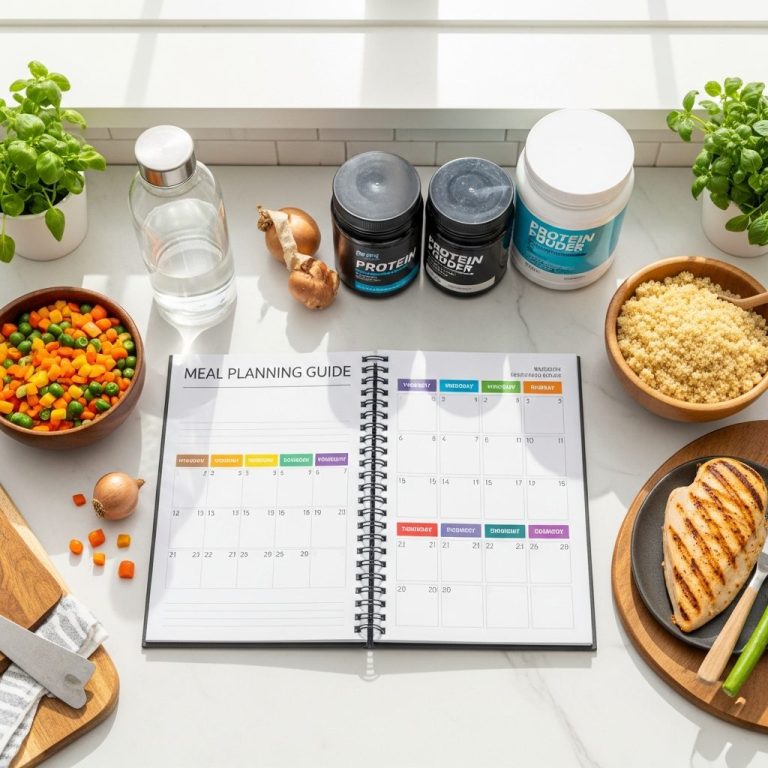
That’s why I created this [7-day high-protein intermittent fasting plan using the 16:8 method – download your complete PDF here]. This isn’t about starving yourself or drinking black coffee until noon while your muscles waste away. It’s about strategically timing nutrient-dense, protein-packed meals within an 8-hour eating window to maximize fat loss while preserving lean mass.
Why Combining High-Protein with 16:8 IF Actually Works
Let me break down what happens when you combine intermittent fasting with high protein intake. The 16:8 method means you fast for 16 hours and eat all your meals within an 8-hour window—most people choose noon to 8 PM because skipping breakfast is easier than skipping dinner.
During the fasting period, your insulin levels drop, which promotes fat burning. Your body shifts from using glucose as primary fuel to burning stored fat. That’s the metabolic magic everyone talks about with IF.
But here’s where protein becomes critical: according to research on intermittent fasting and muscle preservation, adequate protein intake during your eating window prevents muscle breakdown and supports muscle protein synthesis even during extended fasting periods.
The combination delivers:
- Enhanced fat burning during the 16-hour fast
- Preserved muscle mass through strategic protein timing
- Improved insulin sensitivity from the fasting period
- Simplified meal planning with only 2-3 meals to prepare
- Better satiety because protein keeps you full during the eating window
This plan delivers 130-150 grams of protein daily within your 8-hour eating window. It sounds like a lot crammed into fewer meals, but I’ll show you exactly how to make it work without feeling stuffed or uncomfortable.
[Download the complete 7-day plan] with exact meal timing, portion sizes, and recipes designed specifically for the 16:8 protocol.
Understanding Your Eating Window
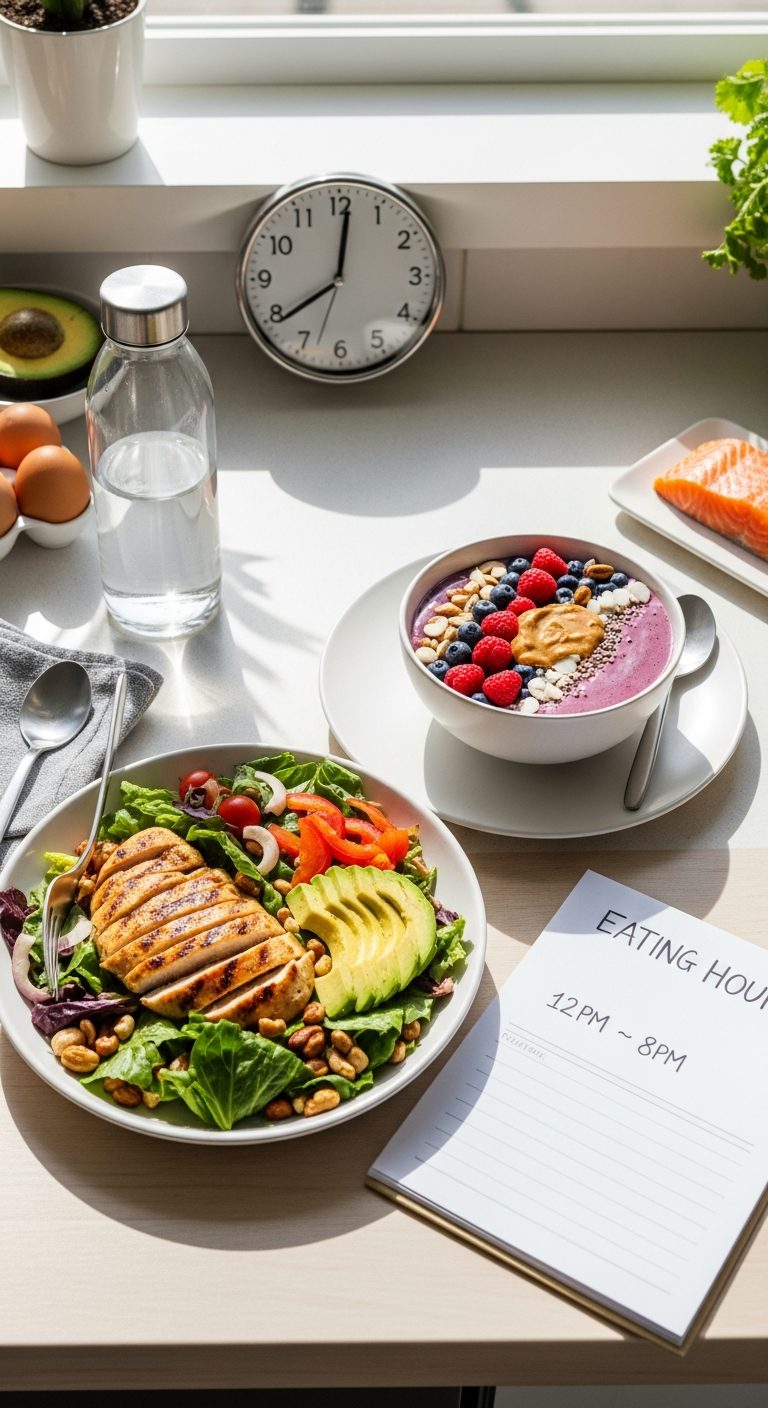
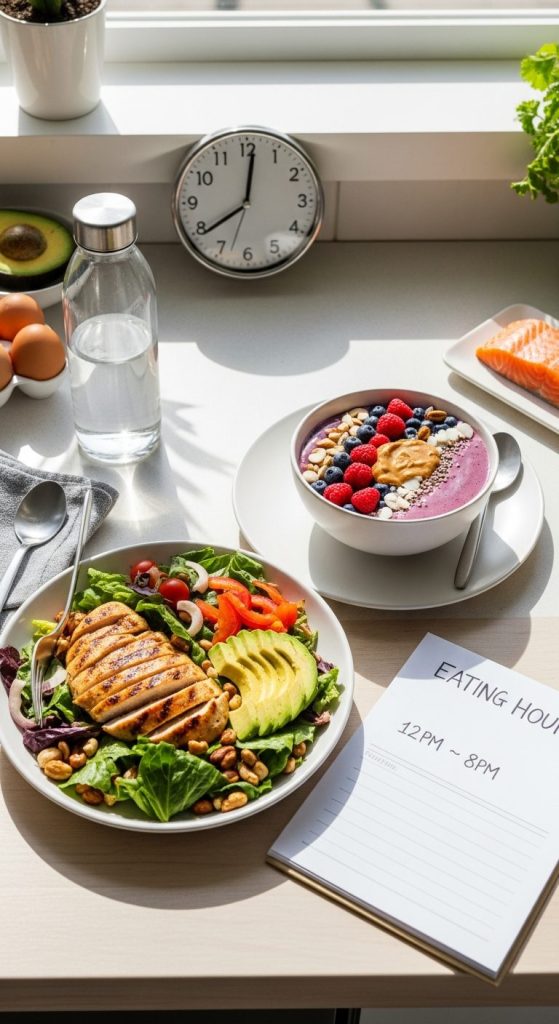
Before we get into the daily meals, let’s establish the framework. This plan uses a noon to 8 PM eating window, which means:
- Last meal the night before: 8 PM
- Fasting period: 8 PM to 12 PM next day (16 hours)
- First meal (break-fast): 12 PM
- Second meal or snack: 3-4 PM
- Final meal (dinner): 7-8 PM
You can adjust this window based on your lifestyle. If you train early morning, you might prefer 10 AM to 6 PM. If you have late social dinners, maybe 2 PM to 10 PM works better. The key is maintaining the 16:8 ratio consistently.
During your fasting window, you can have:
- Water (as much as you want)
- Black coffee or tea (no sweeteners, milk, or cream)
- Zero-calorie sparkling water
- Electrolyte supplements (without calories)
FYI, the first few days of fasting feel weird if you’re used to eating breakfast. Your stomach might growl around 9 AM. Push through—by day 4 or 5, your body adapts and morning hunger largely disappears.
For those looking to maximize their eating window with protein-dense first meals, check out these [high-protein breaking-fast meals] that help you hit targets right from the start.
Day 1: Establishing Your Routine
First Meal – 12:00 PM
Start with a substantial meal that breaks your fast effectively: Greek yogurt bowl with granola, berries, almonds, and a scoop of protein powder mixed in. This combination delivers 45 grams of protein and provides both quick and slow-digesting proteins to kickstart muscle protein synthesis after your 16-hour fast.
I use [this large mixing bowl] for my yogurt bowls—it’s deep enough to mix everything thoroughly without creating a mess, and the wide opening makes it easy to eat while working.
The Greek yogurt provides casein protein that digests slowly, while the protein powder (whey) digests quickly. This combination gives you immediate amino acids plus sustained release over the next few hours. Add the granola for some carbs to replenish glycogen, berries for antioxidants, and almonds for healthy fats.
Second Meal – 3:30 PM
Mid-afternoon, you need another solid protein hit. Day 1 features a chicken and avocado salad—grilled chicken breast over mixed greens with cherry tomatoes, cucumbers, red onion, avocado slices, and a balsamic vinaigrette. This delivers 50 grams of protein plus healthy fats that keep you satisfied.
The timing here matters. Eating around 3:30 PM ensures you’re not starving by dinner but gives you enough appetite to eat your final meal before the 8 PM cutoff. [Get the complete chicken salad formula] with three different dressing variations.
Final Meal – 7:00 PM
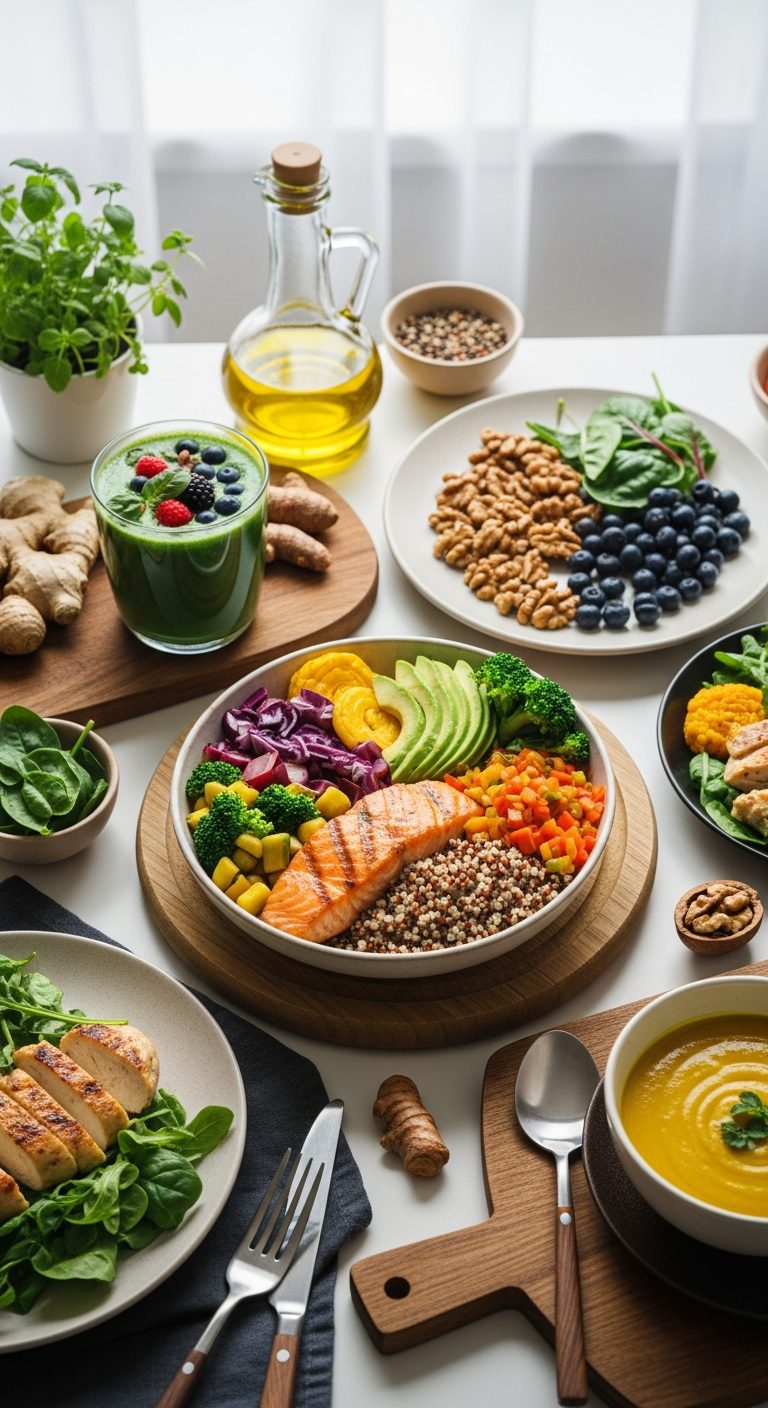
Your last meal before the fast needs to be substantial and protein-dense. Day 1 dinner is baked salmon with roasted sweet potato and steamed broccoli. The salmon provides 40 grams of protein plus omega-3s that reduce inflammation and support recovery overnight.
The sweet potato gives you complex carbs for sustained energy and better sleep quality (carbs at dinner actually help most people sleep better). The broccoli adds fiber and micronutrients that support overall health. This meal should leave you satisfied enough to comfortably fast until noon the next day.
Daily Protein Total: 135 grams
Speaking of complete meal strategies for intermittent fasting, you might also find these [IF-friendly high-protein dinners] and [nutrient-dense eating window meals] helpful for maintaining variety throughout your fasting journey.
Day 2: Finding Your Rhythm
First Meal – 12:00 PM
Day 2 starts with a protein-packed omelet—three whole eggs plus three egg whites with spinach, mushrooms, tomatoes, and cheese. Serve it with two slices of whole grain toast and a side of turkey sausage. This combination delivers 48 grams of protein and feels substantial enough to break a 16-hour fast.
The mix of whole eggs and egg whites gives you the benefits of healthy fats from yolks while boosting overall protein content. I cook this in [this ceramic non-stick skillet] that makes flipping omelets foolproof—no more scrambled disasters when you’re trying to create something Instagram-worthy.
Second Meal – 4:00 PM
Your afternoon meal features a turkey and hummus wrap using a large whole wheat tortilla. Add lettuce, tomatoes, cucumbers, and sprouts for crunch. The turkey provides 35 grams of lean protein, while the hummus adds plant-based protein and keeps everything moist without mayo.
Pair this with a side of cottage cheese—yes, just a bowl of cottage cheese with some black pepper and cherry tomatoes. It sounds plain, but cottage cheese is seriously underrated for IF because it digests slowly and keeps you full until dinner. Combined, this meal hits 55 grams of protein.
Final Meal – 7:30 PM
Dinner on Day 2 is lean ground beef stir-fry with mixed vegetables over cauliflower rice. Season the beef with garlic, ginger, and coconut aminos for flavor without added sugar. The beef provides 45 grams of protein plus iron and B vitamins that support energy production.
Using cauliflower rice instead of regular rice keeps the meal lighter for evening consumption while still providing volume and fiber. Top with sesame seeds and sliced green onions for texture and flavor.
Daily Protein Total: 148 grams
Day 3: Optimizing Nutrient Timing
First Meal – 12:00 PM
Day 3 introduces a protein smoothie as your first meal—but this isn’t some weak 20-gram shake. We’re talking protein powder, Greek yogurt, frozen berries, spinach, banana, and almond butter all blended together. This beast delivers 50 grams of protein in liquid form that’s easy to consume when breaking your fast.
I blend this in [this high-powered blender] that actually pulverizes frozen fruit and spinach into smooth consistency. Cheap blenders leave chunks, and nobody wants to chew their smoothie.
The liquid format makes it easier to consume higher protein without feeling overly full, which leaves room for solid food later. Plus, the fast-digesting nature of this meal is perfect after a 16-hour fast when your body is primed to absorb nutrients.
Second Meal – 3:30 PM
Your mid-afternoon meal features tuna salad—but upgraded. Mix canned tuna with avocado instead of mayo, add diced celery and red onion for crunch, and serve it over a bed of mixed greens with whole grain crackers on the side. This combination delivers 42 grams of protein.
The avocado provides healthy fats and creaminess without the inflammatory oils found in commercial mayo. The greens add volume without many calories, and the crackers give you some carbs to maintain energy through your afternoon.
Final Meal – 7:00 PM
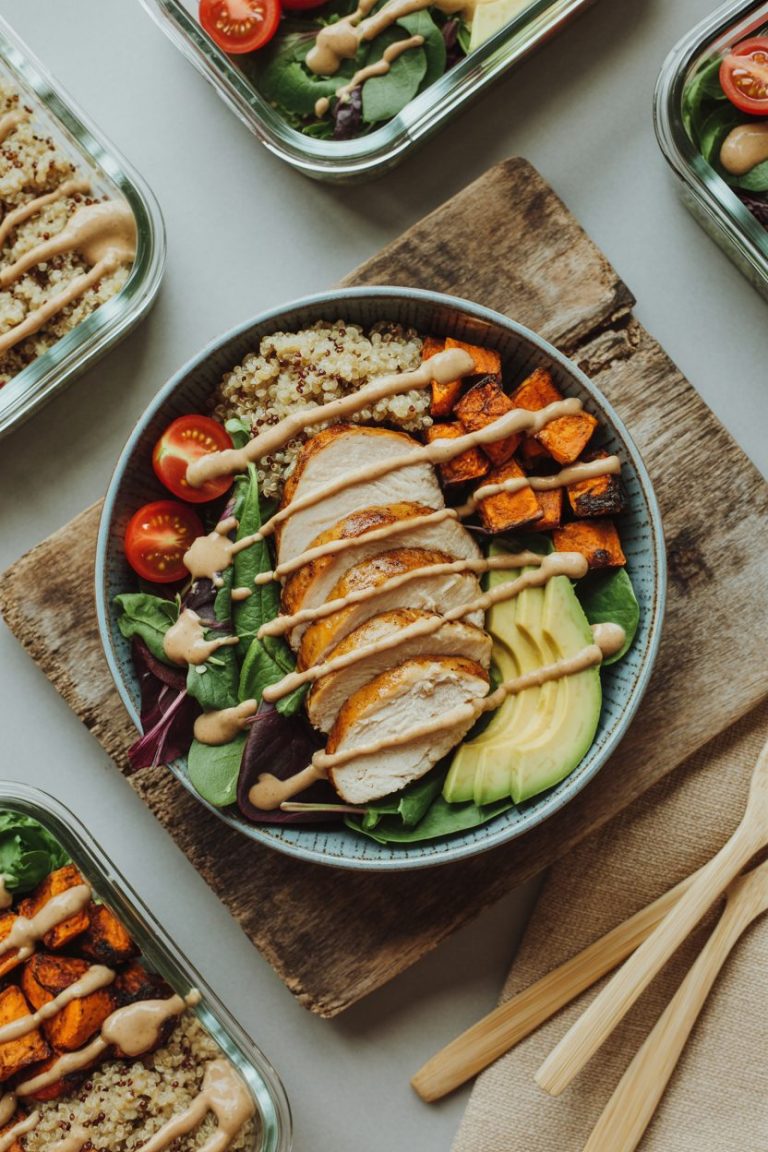
Dinner is grilled chicken thighs with quinoa and roasted Brussels sprouts. Chicken thighs are juicier and more flavorful than breasts while still being relatively lean. The quinoa is one of the few complete plant proteins, and Brussels sprouts roasted until crispy are genuinely delicious—not the mushy sad vegetables you remember from childhood.
This meal provides 52 grams of protein and should comfortably carry you through your overnight fast without late-night hunger.
Daily Protein Total: 144 grams
For additional variety in your eating window, try these [quick high-protein meals] and [make-ahead protein options] that simplify IF meal prep significantly.
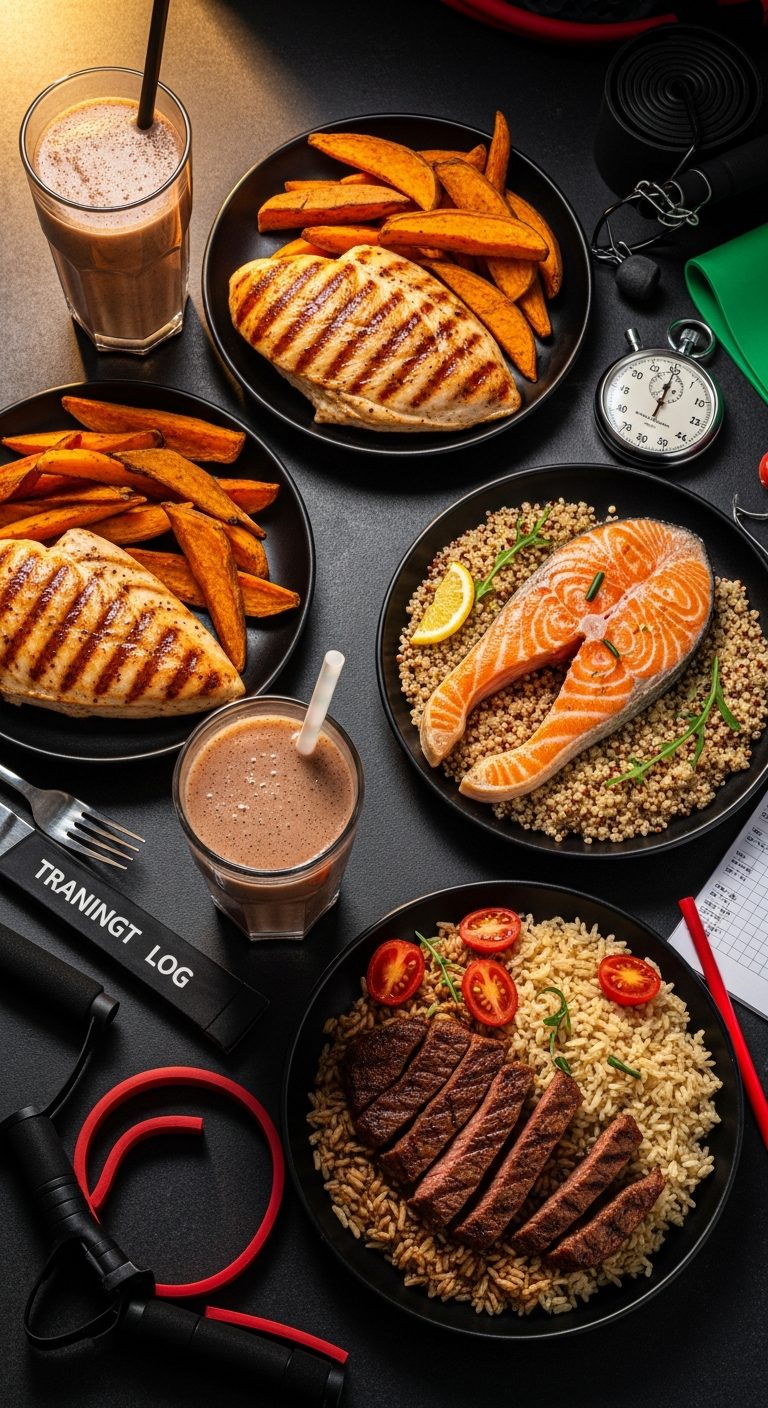
Day 4: Managing Training Days
First Meal – 12:00 PM (Pre-Workout)
If you train in the afternoon, Day 4’s first meal is strategically timed as pre-workout fuel. You’ll eat a protein pancake stack—pancakes made with oat flour, eggs, and protein powder, topped with Greek yogurt and berries. This delivers 45 grams of protein plus easily digestible carbs for training energy.
Make these in [this electric griddle] that cooks four pancakes simultaneously, making meal prep absurdly efficient. The even heat distribution means no burnt edges with raw centers.
The combination of protein and moderate carbs provides sustained energy for your training session while the relatively low fat content means faster digestion—you won’t feel sluggish during your workout.
Post-Workout Meal – 4:00 PM
After training, you need fast-acting protein and carbs to support recovery. Day 4’s post-workout meal is a protein shake with a banana and a serving of white rice on the side with grilled shrimp. This might sound weird, but trust me—the shake provides immediate amino acids, the banana offers quick carbs, and the shrimp with rice gives you additional protein and carbs for glycogen replenishment.
Combined, this meal hits 55 grams of protein during the critical post-workout window when your muscles are primed to absorb nutrients.
Final Meal – 7:30 PM
Your evening meal features baked cod with roasted root vegetables and a side salad. Cod is incredibly lean and mild, making it easy to eat even when you’re fairly full from earlier meals. The root vegetables (carrots, parsnips, sweet potato) provide complex carbs and fiber.
This dinner delivers 38 grams of protein and emphasizes micronutrients that support recovery while you sleep.
Daily Protein Total: 138 grams
IMO, training during your eating window is ideal for IF. If you must train fasted in the morning, consider having BCAAs during your workout and timing your first meal immediately after training.
Day 5: Simplifying for Busy Days
First Meal – 12:00 PM
Day 5 acknowledges that sometimes you need quick, simple meals. Your first meal is cottage cheese with mixed berries, a handful of walnuts, and a drizzle of honey. Simple to assemble, requires zero cooking, and delivers 35 grams of protein.
Keep [these portable containers] at work so you can bring pre-portioned cottage cheese without dealing with a giant tub in the office fridge. Game changer for workplace IF.
Second Meal – 3:30 PM
Lunch is a rotisserie chicken from the grocery store with a bagged salad kit and a serving of hummus with baby carrots. You’re using convenience items strategically—no shame in that when life gets busy. Pull the chicken meat off the bones, toss it on the salad, and you’ve got 50 grams of protein in under five minutes.
Final Meal – 7:00 PM
Dinner simplifies further with pan-seared steak, microwaved baked potato with Greek yogurt (instead of sour cream), and steamed green beans. The steak delivers 48 grams of protein, the potato provides satisfying carbs, and the Greek yogurt on top adds even more protein while mimicking the creamy comfort of traditional baked potato toppings.
I use [this cast iron skillet] for all my steaks—it gets screaming hot and creates that restaurant-quality crust while keeping the inside perfectly medium-rare.
Daily Protein Total: 133 grams
Looking for more convenience-focused options? Check out these [no-cook high-protein meals] and [grocery store shortcuts for IF] that maintain protein targets without elaborate cooking.
Day 6: Weekend Flexibility
First Meal – 12:00 PM
Weekend eating can be slightly more relaxed while maintaining your protocol. Day 6 starts with a breakfast scramble—eggs, turkey sausage, bell peppers, onions, and potatoes all cooked together in one pan. This delivers 42 grams of protein and feels indulgent despite fitting perfectly into your macros.
The beauty of IF is that you can eat larger, more satisfying meals because you’re condensing your eating into fewer opportunities. This scramble would feel too heavy for traditional breakfast, but after a 16-hour fast, it’s perfect.
Second Meal – 3:30 PM
Your afternoon meal features a protein-packed chicken Caesar wrap. Use a large tortilla, fill it with grilled chicken, romaine lettuce, parmesan cheese, and Caesar dressing (look for one made with Greek yogurt for extra protein). Add some chickpeas for additional plant-based protein and fiber.
This combination hits 52 grams of protein and travels well if you’re out running errands or enjoying weekend activities.
Final Meal – 7:30 PM
Saturday dinner is where you can get a bit fancy—lamb chops with roasted vegetables and a Greek salad. Lamb is incredibly flavorful and nutrient-dense, providing 45 grams of protein plus iron, zinc, and B vitamins.
The Greek salad adds freshness and the vegetables provide fiber and micronutrients. This meal feels celebratory while keeping you on track with your IF protocol.
Daily Protein Total: 139 grams
Day 7: Preparing for Continued Success
First Meal – 12:00 PM
Day 7 focuses on sustainability beyond the first week. Start with protein oatmeal—oats cooked with protein powder, topped with sliced banana, almond butter, and chia seeds. This delivers 40 grams of protein and introduces a slightly different macronutrient ratio to keep your body responsive.
The oats provide sustained energy, the protein powder obviously boosts protein content, and the almond butter adds healthy fats for satiety. Chia seeds contribute omega-3s and fiber.
Second Meal – 4:00 PM
Your afternoon meal features a turkey burger (no bun) served over a large salad with avocado, tomato, pickles, and mustard as dressing. Add a side of sweet potato fries baked in the oven. The burger provides 45 grams of protein, and the sweet potato fries satisfy that comfort food craving while providing complex carbs.
Final Meal – 7:00 PM
The final meal of Week 1 is baked chicken breast with wild rice and roasted asparagus. Simple, classic, and effective. The chicken delivers 50 grams of protein, the wild rice provides fiber and minerals, and asparagus is one of those vegetables that actually tastes good when roasted properly.
This meal represents how sustainable IF eating can be—no exotic ingredients, no complicated techniques, just real food that supports your goals.
Daily Protein Total: 135 grams
[The complete downloadable plan] includes detailed recipes for every meal, shopping lists organized by day, and prep instructions that minimize daily cooking time.
Hydration Strategy During Fasting Hours
Let’s talk about something people often overlook—hydration during your fasting window. When you’re not eating, you’re not getting water from food, and you need to compensate by drinking more intentionally.
Aim for at least 100 ounces of water during your 16-hour fast. I keep [this half-gallon water bottle] at my desk and finish it by noon, then refill it for the afternoon. The time markers on the side help pace your intake throughout the morning.
During fasting hours, I drink:
- Black coffee in the morning (usually 2 cups)
- Herbal tea mid-morning
- Water consistently throughout the fasting period
- Sparkling water when I want something more interesting
The caffeine from coffee can actually help suppress appetite during the late morning hours when you might feel hungry. Just don’t overdo it—excessive caffeine can increase cortisol and interfere with the metabolic benefits of fasting.
Managing Hunger During the Adjustment Phase
The first 3-4 days of IF can feel challenging if you’re used to eating breakfast. Your body is adapted to expecting food in the morning, and breaking that pattern takes time.
Strategies that help:
- Stay busy during morning hours (schedule important tasks for 9-11 AM)
- Drink coffee or tea when hunger hits
- Remind yourself hunger comes in waves—it passes if you wait 15 minutes
- Go for a walk when cravings strike (movement often reduces appetite)
By Day 5, most people notice significantly reduced morning hunger. Your hunger hormones (ghrelin) adapt to your new eating schedule, and fasting becomes genuinely easy rather than an exercise in willpower.
If you’re struggling, you can ease into IF by starting with a 14:10 split for the first week, then moving to 16:8 once you’re comfortable.
Meal Prep Strategies for IF Success
Preparing food when you’re only eating 2-3 meals daily is actually simpler than traditional meal prep. You’re making fewer meals, which means less time in the kitchen and less food storage complexity.
My Sunday prep routine:
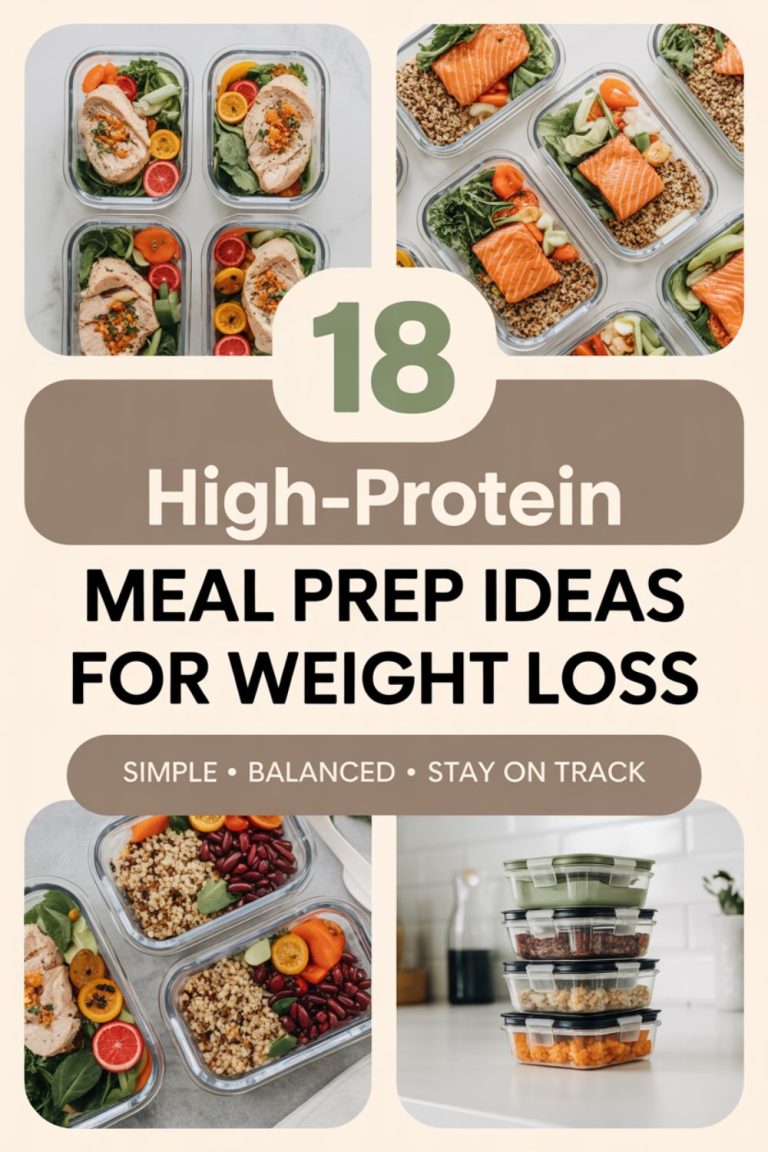
- Grill proteins in bulk – Chicken breasts, turkey burgers, salmon fillets
- Hard-boil a dozen eggs – Quick protein for any meal
- Prep vegetables – Wash greens, chop vegetables for salads and roasting
- Cook grains – Brown rice, quinoa, sweet potatoes all at once
- Make one or two sauces – Keeps meals interesting throughout the week
Store everything in [these glass meal prep containers] with compartments. They stack efficiently, go from fridge to microwave, and actually seal properly so you’re not dealing with mystery spills in your fridge.
The key is preparing components rather than complete meals. This gives you flexibility to combine things differently based on your mood and schedule while ensuring you always have high-protein options ready.
For those exploring more efficient approaches, these [IF meal prep strategies] and [batch cooking guides for intermittent fasting] streamline the entire process significantly.
Training Considerations with IF
When you train matters significantly when following IF. You have three basic options, each with pros and cons:
Option 1: Train fasted (morning, before eating window)
- Pros: Enhanced fat burning, simplified schedule
- Cons: Potentially lower performance, harder mentally
- Best for: Fat loss focus, adapted IF practitioners
Option 2: Train mid-eating window (afternoon)
- Pros: Pre and post-workout nutrition both possible, optimal performance
- Cons: Requires flexible schedule
- Best for: Muscle building, strength training
Option 3: Train at end of eating window (evening)
- Pros: Multiple meals before training, full glycogen stores
- Cons: Post-workout meal timing is tight before fasting resumes
- Best for: Evening availability, social lifestyles
This plan assumes afternoon training (Option 2) because it allows for pre-workout fueling and post-workout recovery within your eating window. Adjust meal timing based on your training schedule.
Adjusting Protein Targets for Your Size
The 130-150 gram protein range works for most people between 150-180 pounds who are moderately active. If you’re significantly larger or smaller, you’ll need to adjust.
Calculate your personal target:
- Multiply your body weight in pounds by 0.8-1.0
- This gives you your minimum daily protein in grams
- For muscle building, push toward the higher end (1.0g per pound)
- For fat loss with muscle preservation, 0.8-0.9g per pound is sufficient
[The downloadable plan] includes a personalized calculator that adjusts all meal portions based on your specific weight and goals. You’ll get the same meal structure but with portions scaled to your needs.
Supplements That Support IF
Most supplementation during IF is unnecessary, but a few strategic additions can improve your experience:
Actually helpful:
- Electrolytes – Especially during the adjustment phase when you might experience headaches. I use [this sugar-free electrolyte powder] in water during fasting hours.
- Protein powder – Makes hitting protein targets easier within your eating window
- Creatine – Take it during your eating window; supports strength and muscle retention
- Omega-3s – If you don’t eat fatty fish regularly
Skip these:
- BCAAs (unnecessary if protein intake is adequate)
- Fat burners (usually just expensive caffeine)
- “Fasting support” supplements (marketing gimmicks)
The meal plan provides everything you need from whole foods. Supplements just fill specific gaps or add convenience.
Related Recipes You’ll Love
Looking for more intermittent fasting-friendly, high-protein meal ideas? Here are some recipes that work perfectly within your eating window:
Break-Fast Meals: Try these [protein-dense first meals for IF] and [high-protein smoothie bowls] that break your fast effectively.
Mid-Window Options: Check out these [quick lunch ideas for IF] and [portable protein meals] perfect for eating at work.
Evening Dinners: Explore these [satisfying high-protein dinners] and [filling last meals before fasting] that keep you satisfied overnight.
Complete Guides: Browse our [16:8 meal timing strategies] and [IF-compatible meal prep guide] for extended planning.
Your IF Journey Starts Now
Here’s the truth: intermittent fasting isn’t magic, and it’s not right for everyone. But when combined with adequate protein intake, it’s an incredibly effective tool for fat loss, metabolic health, and simplified eating.
The 16:8 protocol is sustainable because it fits naturally into most lifestyles. You’re not eating weird foods or following complicated rules—you’re just compressing your eating into an 8-hour window and prioritizing protein during that time.
[Download your complete 7-Day High-Protein Intermittent Fasting Plan (16:8) – PDF] and give yourself a structured approach to IF that actually preserves muscle while burning fat. Everything you need—daily meal plans with exact recipes, timing strategies, shopping lists, and adjustment guidelines—is ready right now.
Stop trying to wing intermittent fasting with random low-protein meals thrown together during your eating window. This plan gives you the structure you need to make IF work for body composition, not just the scale number.
[Click here to get instant access to your complete IF meal plan PDF] and start your journey today. Your future self—leaner, more metabolically flexible, and free from constant meal timing stress—will thank you for finally approaching IF with a proper nutrition strategy.