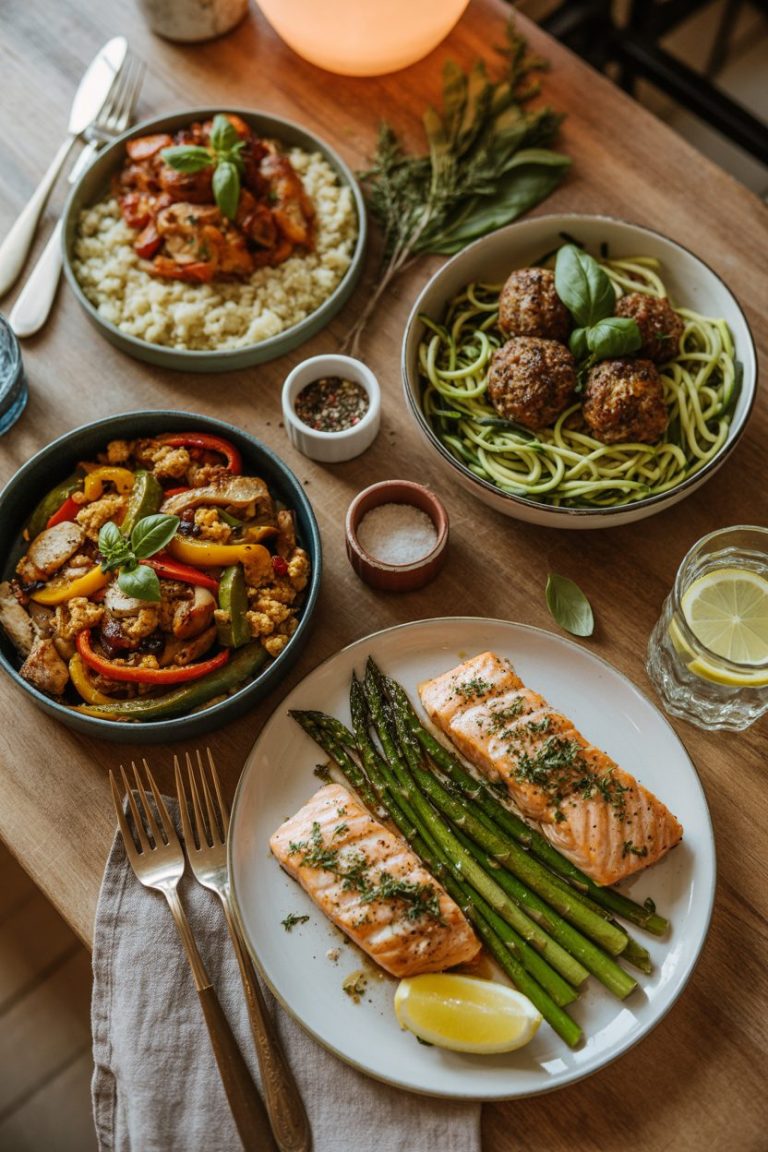
20 High-Protein Dinners That Burn Fat Fast
You know that feeling when you’re staring at your fridge at 6 PM, wondering what to make for dinner that won’t sabotage your fat loss goals? Yeah, I’ve been there. Too many times, actually. The thing is, protein isn’t just some bodybuilder obsession—it’s your secret weapon for burning fat while you sleep.
Let me tell you something most people don’t realize: protein burns 20-30% of its calories just during digestion, compared to carbs at 5-10% and fat at a measly 0-3%. Your body literally works harder to process protein. How wild is that?
I’ve spent the last few years experimenting with high-protein dinners, and honestly, the results speak for themselves. Not only did I drop fat without feeling starved, but I actually enjoyed what I was eating. No bland chicken breast and broccoli nonsense here.
Why Protein Actually Burns Fat (The Science Part, Made Simple)
Look, I’m not a scientist, but I do love understanding how this stuff works. When you eat protein, your body kicks into overdrive. It’s called the thermic effect of food, and it’s basically your metabolism’s way of saying “this is gonna take some work.”
Research from studies on high-protein diets shows that people who eat more protein not only lose more weight but also preserve their muscle mass. And here’s the kicker: muscle burns calories even when you’re binge-watching Netflix.
Every time I cook one of these high-protein dinners for fat loss, I’m basically telling my metabolism to work overtime. The best part? I’m not even trying that hard.
Pro Tip:
Aim for at least 30 grams of protein at dinner. Your body can only process so much at once, and this sweet spot keeps your metabolism humming through the night.
The 20 Dinners That Changed My Evening Meals
1. Greek-Style Lemon Garlic Chicken Thighs
Forget dry chicken breasts. Thighs are where it’s at—juicier, more flavorful, and still packed with protein. I marinate these in lemon juice, garlic, oregano, and a bit of olive oil for about 30 minutes. Then just throw them in a cast-iron skillet and let them get crispy.
Each serving hits around 35 grams of protein, and honestly, it tastes like you ordered from a Mediterranean restaurant. Serve with a simple cucumber tomato salad, and you’ve got a winner. Get Full Recipe
2. Spicy Salmon with Roasted Brussels Sprouts
I used to think I hated Brussels sprouts. Turns out, I just hadn’t roasted them properly. Toss them with olive oil, salt, and pepper, then roast at 425°F until they’re crispy on the outside. Meanwhile, season your salmon with paprika, cayenne, and garlic powder.
Salmon is ridiculous when it comes to protein—about 40 grams per fillet. Plus, those omega-3s keep your brain sharp. I cook mine on this non-stick baking sheet that makes cleanup a joke. Get Full Recipe
3. Turkey and Black Bean Chili
Chili is my go-to when I want something hearty but not heavy. Ground turkey, black beans, kidney beans, tomatoes, onions, and spices all in one pot. The beans add extra protein on top of the turkey, so you’re looking at 38 grams per bowl.
Make a big batch on Sunday and portion it out. Future you will thank present you. I use these meal prep containers that are microwave and dishwasher safe—total game changer.
“I tried this turkey chili recipe from a similar collection and lost 12 pounds in two months without feeling deprived once. It’s now my weekly staple.” — Jessica M., FitFeast Community
4. Grilled Steak with Chimichurri Sauce
Sometimes you just need a good steak, you know? I go for sirloin or flank steak—leaner cuts that still deliver 42 grams of protein per 6-ounce serving. The chimichurri sauce is just parsley, garlic, olive oil, red wine vinegar, and red pepper flakes blended together.
Grill the steak to your liking (medium-rare for me, thanks), let it rest, slice against the grain, and drown it in that bright green sauce. Pair with roasted sweet potato wedges for the perfect balance.
5. Baked Cod with Herb Crust
Cod is underrated, IMO. It’s mild, flaky, and has about 28 grams of protein per fillet. Mix panko breadcrumbs with fresh dill, parsley, lemon zest, and a touch of olive oil. Press this mixture on top of your cod fillets and bake at 400°F for about 15 minutes.
The crust gets golden and crunchy while the fish stays tender. Serve with steamed broccoli or a big salad. Get Full Recipe
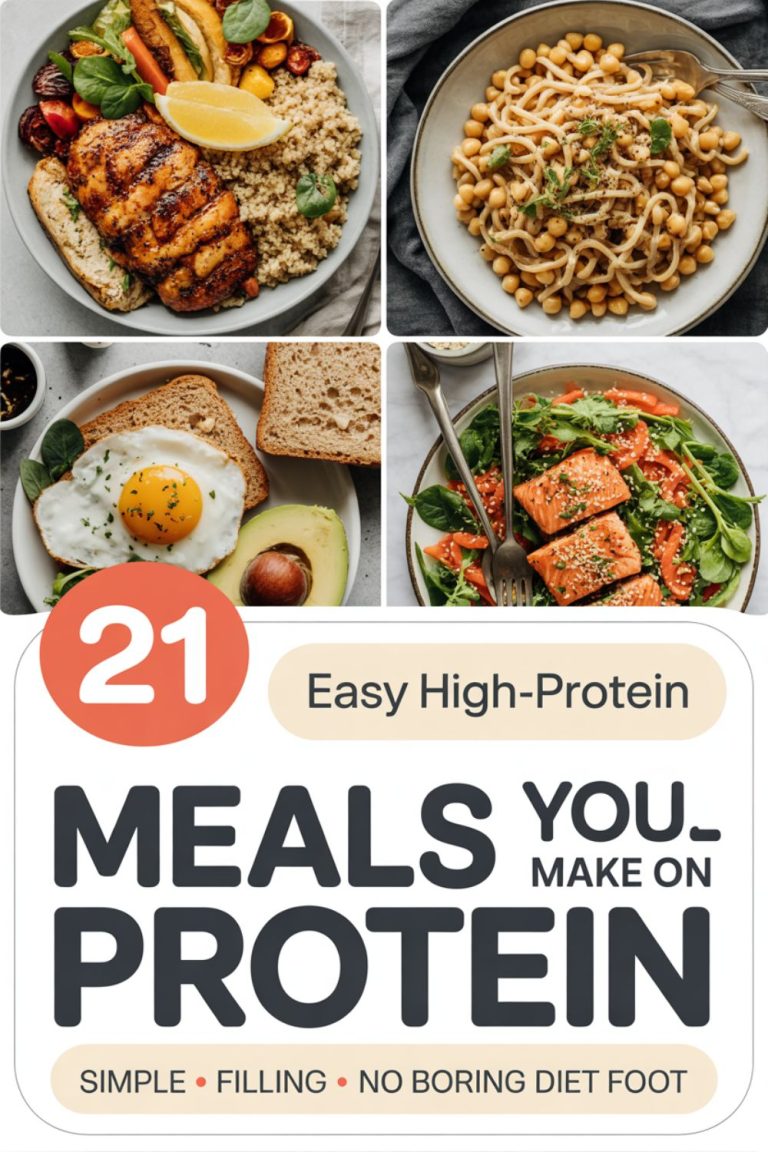
For more complete meal ideas that take the guesswork out of dinner, check out these 40 high-protein meal prep ideas or explore 21 high-protein meals for weight loss that won’t bore you to tears.
6. Shrimp Stir-Fry with Snap Peas and Peppers
Stir-fry is fast, colorful, and protein-packed. Shrimp cook in like three minutes—any longer and they turn rubbery. I use this wok that heats up super quick and gives that restaurant-style char.
Snap peas, bell peppers, onions, garlic, ginger, and a sauce made from soy sauce, sesame oil, and a touch of honey. One serving delivers about 32 grams of protein. Serve over cauliflower rice if you’re cutting carbs, or regular rice if you’re not.
7. Bison Burgers with Avocado
Bison is leaner than beef but just as satisfying. Form patties, season with salt and pepper, and cook on a grill pan or outdoor grill. Top with avocado slices, lettuce, tomato, and a bit of mustard.
Skip the bun or use a lettuce wrap if you’re really watching carbs. Each burger packs about 36 grams of protein. Simple, filling, and perfect for summer nights.
8. Chicken Fajita Bowl
Who needs tortillas when you can build a bowl? Sauté sliced chicken breast with bell peppers and onions in fajita seasoning. Layer over brown rice or quinoa, then top with black beans, salsa, and a dollop of Greek yogurt instead of sour cream.
This bowl hits 40 grams of protein easily, and you can customize it based on what you have in your fridge. It’s basically a choose-your-own-adventure dinner.
Quick Win:
Prep your protein on Sunday—grill several chicken breasts, bake fish fillets, or brown ground turkey. Store them in the fridge and reheat throughout the week. Dinner becomes a 10-minute assembly job.
9. Pork Tenderloin with Roasted Root Vegetables
Pork tenderloin is lean, tender, and cooks fast. Season with rosemary, thyme, garlic, salt, and pepper. Roast at 425°F for about 20-25 minutes. Meanwhile, toss carrots, parsnips, and beets with olive oil and roast alongside.
The pork delivers 34 grams of protein per serving, and those root veggies add fiber and keep you full. Plus, it looks fancy enough for guests.
10. Tuna Poke Bowl
Poke bowls are trendy for a reason—they’re fresh, light, and protein-dense. Use sushi-grade tuna, dice it up, and toss with soy sauce, sesame oil, and green onions. Serve over sushi rice with edamame, cucumber, avocado, and seaweed.
Each bowl contains about 38 grams of protein. It’s like bringing Hawaii to your kitchen, minus the plane ticket.
11. Lamb Chops with Mint Yogurt Sauce
Lamb chops cook in minutes and taste luxurious. Season with garlic, rosemary, salt, and pepper, then sear in a hot cast-iron skillet—about 3-4 minutes per side for medium-rare.
Mix Greek yogurt with fresh mint, lemon juice, and a pinch of salt for the sauce. Each serving gives you 32 grams of protein. Serve with roasted asparagus or a Greek salad.
12. Chicken Sausage and Veggie Sheet Pan
Sheet pan dinners are the lazy cook’s dream. Slice chicken sausage, toss with zucchini, bell peppers, cherry tomatoes, and red onion. Drizzle with olive oil, sprinkle with Italian seasoning, and roast at 400°F for 25 minutes.
Everything caramelizes beautifully, and you get 30 grams of protein per serving. Plus, cleanup is just one pan. Can’t beat that.
If you’re looking for more variety in your protein sources, these 20 high-protein vegetarian meals prove you don’t always need meat to hit your numbers.
13. Beef and Broccoli Stir-Fry
The takeout classic, but healthier and cheaper. Thinly slice flank steak, marinate in soy sauce and cornstarch for 15 minutes, then stir-fry with broccoli florets. Make a sauce with soy sauce, oyster sauce, garlic, and ginger.
This delivers 35 grams of protein and tastes way better than the sodium bomb from your local Chinese place. Serve over rice or noodles.
14. Lemon Herb Tilapia with Quinoa
Tilapia is mild, affordable, and cooks in under 10 minutes. Season with lemon juice, dill, parsley, salt, and pepper. Bake or pan-fry until flaky. Serve over quinoa cooked in chicken broth for extra flavor.
Each serving hits 30 grams of protein. Add steamed green beans on the side, and you’ve got a complete meal in 20 minutes flat.
15. Turkey Meatballs in Marinara Sauce
Mix ground turkey with breadcrumbs, egg, Parmesan, garlic, and Italian seasoning. Form into meatballs and bake at 375°F for 20 minutes. Simmer in marinara sauce for another 10 minutes.
Serve over zucchini noodles or whole wheat pasta. Each serving delivers 36 grams of protein. Make a double batch and freeze half for busy nights. I store mine in these freezer-safe containers that stack perfectly.
Meal Prep Essentials Used in This Plan
Physical Products:
- Glass Meal Prep Containers Set — Microwave, freezer, and dishwasher safe. I use these daily.
- Digital Kitchen Scale — Track your protein portions accurately without guessing.
- Instant Pot Duo — Cooks chicken breasts in 12 minutes. Total time-saver for meal prep.
Digital Resources:
16. Grilled Chicken with Pesto and Mozzarella
Pound chicken breasts thin for even cooking. Grill until done, then top with pesto and fresh mozzarella. Let it sit for a minute so the cheese melts slightly.
This Italian-inspired dish delivers 38 grams of protein per serving. Serve with roasted cherry tomatoes and a side salad. It’s simple but feels restaurant-quality.
17. Cajun Shrimp and Cauliflower Grits
Shrimp and grits, but make it high-protein. Swap regular grits for mashed cauliflower cooked with a bit of butter and Parmesan. Sauté shrimp in Cajun seasoning, garlic, and butter.
The cauliflower cuts carbs while still giving you that creamy comfort. Each serving has about 34 grams of protein. Add some chopped green onions on top for color.
18. Beef Kebabs with Greek Salad
Thread cubes of sirloin onto metal skewers with bell peppers, onions, and mushrooms. Marinate in olive oil, lemon juice, oregano, and garlic for at least 30 minutes. Grill until charred and juicy.
Serve with a Greek salad loaded with tomatoes, cucumbers, olives, and feta. The beef alone gives you 36 grams of protein, and the feta adds a little extra.
19. Baked Chicken Thighs with Mustard Glaze
Mix Dijon mustard, honey, garlic, and a splash of apple cider vinegar. Brush this glaze over chicken thighs and bake at 375°F for 35-40 minutes. The glaze caramelizes and creates this sweet-tangy crust that’s addictive.
Each serving delivers 34 grams of protein. Pair with roasted Brussels sprouts or green beans. This is one of those recipes where the leftovers might be even better the next day.
20. White Fish Tacos with Cabbage Slaw
Season white fish (cod, tilapia, or mahi-mahi) with cumin, paprika, and lime juice. Pan-fry or bake until flaky. Make a quick slaw with shredded cabbage, lime juice, cilantro, and a touch of Greek yogurt.
Serve in corn tortillas or lettuce wraps. Each serving hits 28 grams of protein. Add some pico de gallo and hot sauce for extra flavor. Get Full Recipe
“These high-protein dinners completely changed my relationship with food. I used to think eating for fat loss meant being miserable. Now I actually look forward to dinner every night.” — Marcus L., FitFeast Community
The Mistakes I Made (So You Don’t Have To)
When I first started cooking high-protein dinners, I thought more protein automatically meant better results. Spoiler alert: it doesn’t work that way. Your body can only process about 30-40 grams of protein per meal effectively. Anything beyond that doesn’t provide extra benefits.
I also used to overcook everything. Dry chicken, rubbery shrimp, tough steak—I did it all. Then I invested in a meat thermometer, and suddenly everything came out perfectly. Chicken should hit 165°F, fish around 145°F, and steak depends on your preference.
Another mistake? Skipping the fat entirely. Yes, we’re focusing on protein, but some healthy fats are necessary for absorption of vitamins and keeping you satisfied. Olive oil, avocado, nuts—don’t fear them.
Pro Tip:
Balance your plate: half vegetables, one quarter protein, one quarter complex carbs. This ratio keeps your energy stable and your fat loss consistent without needing to count every single calorie.
What About the Carbs and Fats?
Look, I’m not anti-carb. Carbs give you energy, especially if you’re working out. The key is choosing the right ones—sweet potatoes, quinoa, brown rice, oats. These digest slowly and don’t spike your blood sugar like white bread or sugary snacks.
For fats, stick with the good stuff: avocados, nuts, seeds, olive oil, and fatty fish. These support hormone production and keep your skin glowing. Plus, they make your food actually taste good.
The magic happens when you combine all three macros intelligently. Protein takes center stage, but carbs and fats play supporting roles. Think of it like a band—everyone needs to show up for the music to work.
Speaking of balance, if you’re also curious about starting your day strong, these 30 high-protein breakfast ideas will keep you full until lunch.
Meal Timing and Metabolism
Here’s something interesting: eating protein at dinner helps with overnight muscle repair and fat burning. While you sleep, your body works on recovery and restoration. Giving it high-quality protein before bed supports this process.
I used to think eating late would make me gain weight. Turns out, it’s more about what you eat than when. A high-protein dinner at 8 PM beats a sugary snack at 6 PM every single time.
That said, try not to eat right before bed. Give yourself at least two hours between dinner and sleep for better digestion. Your body will thank you.
Tools & Resources That Make Cooking Easier
Physical Products:
- Cast Iron Skillet Set — Perfect heat distribution for searing proteins.
- Chef’s Knife — Prep work becomes twice as fast with a sharp knife.
- Silicone Baking Mats — Nothing sticks, cleanup is effortless.
Digital Resources:
Grocery Shopping Tips for Success
Your grocery list makes or breaks your high-protein dinner game. I shop the perimeter of the store first—that’s where all the fresh protein, produce, and dairy live. The middle aisles are mostly processed stuff that won’t help your goals.
Buy proteins in bulk when they’re on sale. Chicken breasts, ground turkey, and salmon freeze beautifully. I portion them into freezer bags before freezing, so I can just grab what I need.
Keep staples stocked: olive oil, garlic, onions, spices, canned tomatoes, beans, and broths. These turn basic proteins into actual meals. Nothing’s worse than having chicken but no way to make it interesting.
Also, don’t sleep on frozen vegetables. They’re flash-frozen at peak freshness and save you prep time. I always have broccoli, Brussels sprouts, and mixed peppers in my freezer.
The Role of Protein in Muscle Preservation
When you’re losing fat, your body doesn’t automatically spare muscle. It needs a reason to keep that muscle around—and that reason is adequate protein intake combined with resistance training.
Research shows that consuming between 1.2 and 1.6 grams of protein per kilogram of body weight helps preserve lean mass during weight loss. For a 150-pound person, that’s roughly 80-110 grams of protein daily.
Spread that across three meals, and you’re looking at about 25-35 grams per meal. That’s exactly what these dinners deliver. No complicated math, no protein powder required—just real food.
Want even more options for lunch and dinner? Check out these 21 high-protein lunches for busy workdays that pair perfectly with these dinner ideas.
Dining Out Without Derailing Progress
You don’t have to become a hermit to see results. When eating out, look for grilled, baked, or roasted proteins. Skip the breaded and fried options—they’re usually loaded with hidden calories.
Ask for sauces and dressings on the side. Restaurants tend to be heavy-handed with these, and they can turn a healthy meal into a calorie bomb. You control how much you use when it’s separate.
Double up on vegetables instead of getting fries or a loaded baked potato. Most places are cool with substitutions if you just ask. I’ve never had a server say no to swapping fries for broccoli.
And hey, if you want dessert, share it. You get to enjoy the treat without going overboard. Life’s too short to never eat chocolate lava cake.
Staying Consistent When Life Gets Crazy
Consistency beats perfection every single time. You don’t need to cook elaborate dinners seven nights a week. Some nights, it’s just scrambled eggs and toast, and that’s okay.
Batch cooking is my secret weapon. Spend two hours on Sunday making multiple proteins and side dishes. Store them in separate containers. During the week, mix and match to create different meals. It’s like having a DIY meal kit service without the price tag.
Keep emergency proteins on hand: canned tuna, rotisserie chicken from the store, frozen shrimp. These bail you out when you forgot to defrost something or just don’t feel like cooking from scratch.
The goal isn’t perfection. It’s progress. Even hitting your protein target four or five nights a week will make a noticeable difference over time.
“I used to stress about hitting my protein perfectly every single meal. Once I relaxed and aimed for consistency instead of perfection, the weight started coming off naturally. Down 18 pounds and counting.” — Andrea K., FitFeast Community
Adapting These Dinners for Different Diets
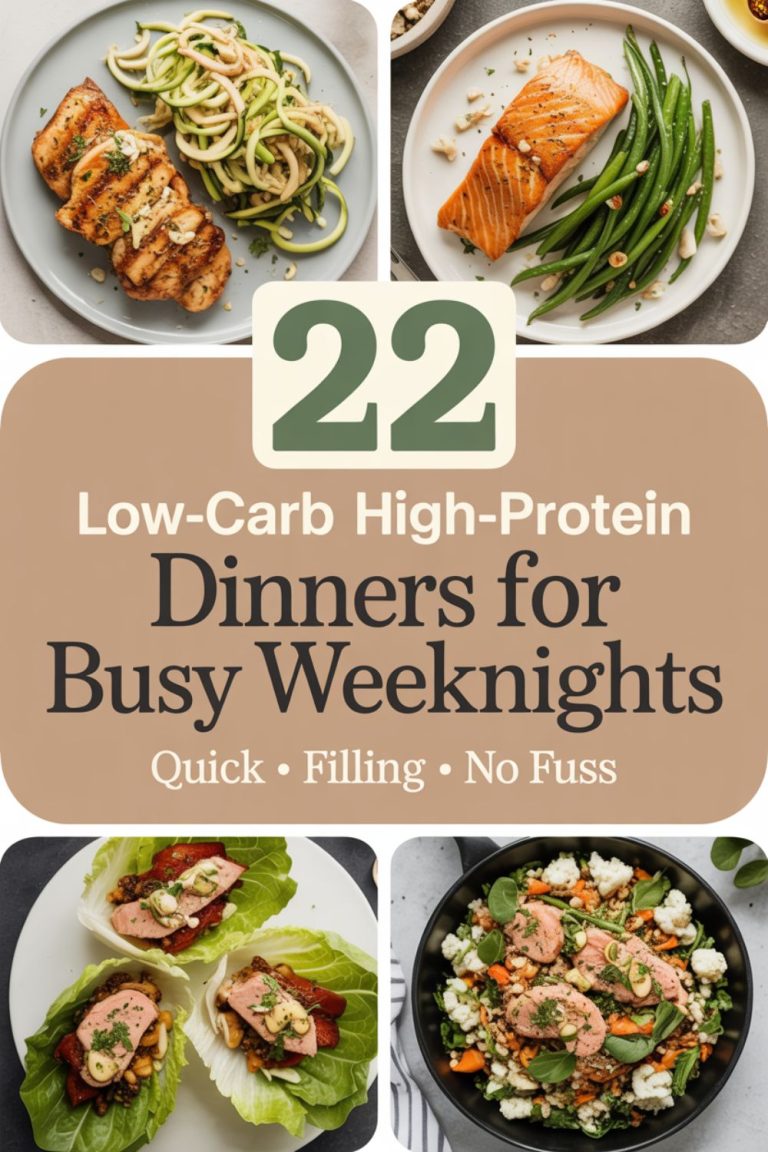
Going low-carb? Swap rice and potatoes for cauliflower rice, zucchini noodles, or extra vegetables. All these dinners work beautifully without starchy carbs. Check out these 27 low-carb high-protein dinners for more ideas.
Following intermittent fasting? These dinners fit perfectly into your eating window. High protein keeps you satisfied, so you’re not tempted to snack before bed. I actually prefer eating this way—gives me more control over hunger.
Vegetarian? Replace animal proteins with tempeh, tofu, lentils, or chickpeas. You’ll need slightly larger portions to hit the same protein numbers, but it’s totally doable. These 7-day high-protein vegetarian meal plans show exactly how.
Dairy-free? Use coconut yogurt instead of Greek yogurt, nutritional yeast instead of Parmesan, and make sure your sauces are dairy-free. Most of these recipes adapt easily with simple swaps.
How Long Before You See Results?
Real talk: everyone’s different. Some people drop weight quickly, others take longer. FYI, if you’re following these dinners consistently and staying in a calorie deficit, you should notice changes within 2-3 weeks.
Don’t just rely on the scale, though. Take progress photos, measure your waist, see how your clothes fit. Sometimes the scale doesn’t move, but you’re losing inches. That’s still progress.
I lost 15 pounds over three months using meals similar to these. Not dramatic, but sustainable. And I never felt deprived, which is why it actually worked this time.
For those looking for structured guidance, these 14-day high-protein muscle gain meal plans or 7-day high-protein intermittent fasting plans provide complete roadmaps.
Quick Win:
Track your protein intake for one week using a simple app or notebook. You might be surprised how much (or little) you’re actually eating. Awareness is the first step to change.
Common Myths About High-Protein Diets
Myth #1: Too much protein damages your kidneys. This has been debunked repeatedly. If you have healthy kidneys, high protein intake is safe. Studies show no harm in healthy individuals consuming up to 2 grams per kilogram of body weight daily.
Myth #2: Protein makes you bulky. Nope. Building significant muscle mass requires intense training, surplus calories, and specific programming. Eating protein alone won’t turn you into the Hulk. If anything, it helps create a leaner, more defined physique.
Myth #3: Plant protein is inferior to animal protein. While animal proteins are complete (containing all essential amino acids), you can easily get complete protein from plant sources by eating variety. Beans with rice, hummus with whole grain pita—these combinations work beautifully.
Myth #4: You need protein immediately after working out. The “anabolic window” isn’t as critical as once thought. As long as you’re hitting your daily protein target, the exact timing matters less than consistency.
Snacking Between Meals (Or Not)
Honestly, if you’re eating enough protein at dinner and throughout the day, you probably won’t need snacks. Protein keeps you full for hours. But if you do get hungry, reach for something protein-rich.
Greek yogurt, hard-boiled eggs, jerky, cottage cheese, or a handful of almonds all work. These 25 high-protein snacks under 150 calories are perfect for those moments.
I try to avoid snacking out of boredom. If I’m truly hungry, I eat. If I just want something to do, I drink water or chew gum. Learning the difference between actual hunger and just wanting to munch took time, but it’s worth figuring out.
Frequently Asked Questions
How much protein should I eat at dinner for fat loss?
Aim for 30-40 grams of protein at dinner. This amount optimally supports muscle preservation and keeps you satisfied without going overboard. Your body can only process so much protein at once, so there’s no benefit to eating 60+ grams in a single meal.
Can I eat high-protein dinners every night?
Absolutely. Consistency is key for results. Eating high-protein dinners nightly helps maintain steady progress. Mix up the protein sources (chicken, fish, beef, turkey, plant-based) to get different nutrients and prevent boredom.
Will high-protein dinners help me lose belly fat specifically?
You can’t target fat loss from specific areas, but high-protein meals support overall fat loss, which eventually includes belly fat. Protein increases satiety, boosts metabolism, and helps preserve muscle during weight loss—all factors that contribute to reducing body fat percentage over time.
Do I need protein powder to hit my protein goals?
Nope. These dinners provide plenty of protein from whole foods. Protein powder is convenient but not necessary. Focus on real food first—chicken, fish, eggs, Greek yogurt, legumes—and only add powder if you’re struggling to meet your daily target.
Can I meal prep these dinners in advance?
Most of these dinners meal prep beautifully. Cook proteins and sides separately, then store in airtight containers for 3-4 days. Reheat when ready to eat. Some dishes like stir-fries and sheet pan meals actually taste better the next day once the flavors blend.
Final Thoughts
Look, I’m not going to tell you these dinners will magically transform your body overnight. Fat loss takes time, consistency, and patience. But what I can tell you is that eating high-protein dinners makes the entire process easier.
You’ll feel fuller, have more energy, and actually enjoy what you’re eating. No more sad desk salads or tasteless chicken. These are real meals that satisfy real hunger.
Start with a few recipes that sound good to you. Cook them, see how you feel, adjust as needed. There’s no perfect plan that works for everyone—you’ve got to find what fits your life.
And remember, one high-protein dinner won’t make you lean, just like one junk food meal won’t make you gain weight. It’s what you do consistently over weeks and months that matters. So pick a recipe, fire up that stove, and get cooking. Your body will thank you.