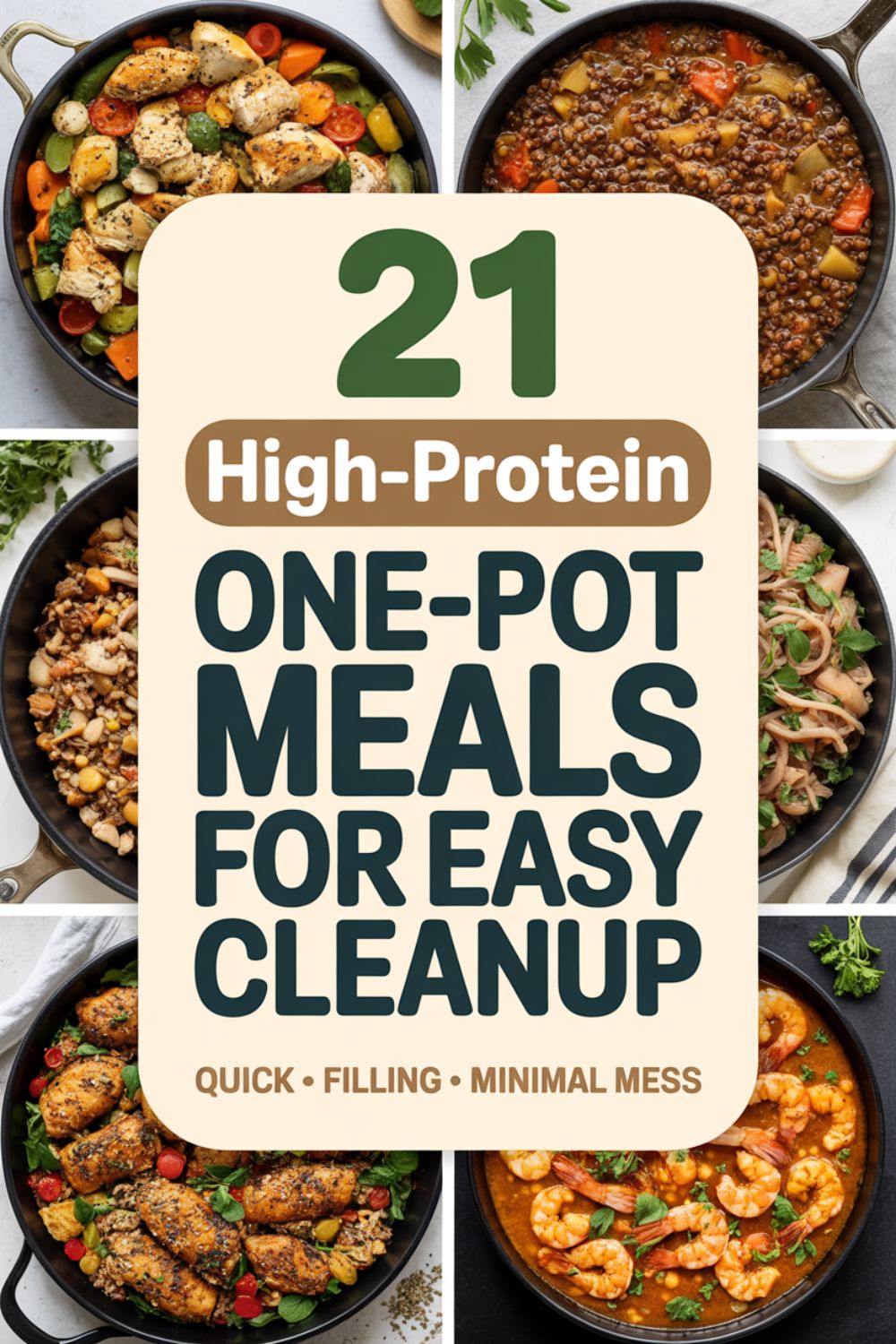
21 High-Protein One-Pot Meals for Easy Cleanup
Look, I’m just gonna say it: whoever invented one-pot meals deserves some kind of Nobel Prize. Seriously. Picture this—you’ve had a long day, you’re starving, protein goals are calling your name, but the thought of facing a sink full of dishes afterward? Yeah, not happening.
That’s exactly why high-protein one-pot meals are about to become your new best friend. We’re talking serious protein, minimal cleanup, and flavors that’ll make you forget you’re eating healthy. No fancy techniques required, no culinary degree necessary—just throw everything in one pot and let it work its magic.
I’ve spent way too many evenings juggling multiple pans while my pasta boils over and my chicken dries out in the oven. Never again. These 21 recipes changed the game for me, and trust me, once you go one-pot, you never go back.
Why One-Pot High-Protein Meals Are Actually Genius
Before we get into the recipes, let’s talk about why this cooking method makes so much sense. Research shows that high-protein diets help with weight management and satiety—basically, you stay fuller longer and your metabolism gets a nice boost. But here’s the thing: if meal prep feels like climbing Mount Everest, you’re probably not gonna stick with it.
One-pot cooking solves that problem beautifully. Everything cooks together, which means flavors meld, nutrients stay in the pot (instead of getting poured down the drain), and you’re looking at maybe 10 minutes of cleanup tops. Plus, when you’re cooking protein, veggies, and carbs all together, you’re naturally creating balanced meals without having to think too hard about it.
The science backs this up too. Studies have found that people who cook at home more often tend to have better nutrition and lower calorie intake compared to those who eat out frequently. One-pot meals make home cooking so much easier that you’ll actually want to do it. IMO, that’s the real secret to sustainable healthy eating—making it so simple you’d be crazy not to do it.
Pro Tip:
Prep your veggies and proteins on Sunday night. Store them in separate containers in the fridge. When you’re ready to cook during the week, everything’s already chopped and ready to go. You’ll thank yourself all week long.
The High-Protein Advantage
Let’s get real about protein for a second. Your body needs it for basically everything—building muscle, repairing tissues, keeping your immune system happy, and yeah, helping you feel satisfied after meals so you’re not raiding the pantry an hour later.
According to nutrition research, getting around 25-30% of your calories from protein can significantly help with weight management and body composition. That sweet spot seems to be around 30 grams of protein per meal for most people—enough to trigger those satiety signals and keep hunger at bay.
But here’s where it gets interesting: the quality of protein matters. Animal proteins like chicken, fish, and beef give you complete amino acid profiles. Plant-based options like beans, lentils, and quinoa are fantastic too, though you might need to combine them to get all your essential amino acids. The good news? In one-pot meals, mixing protein sources is super easy.
What Makes These Meals Different
I’m not gonna lie—most “high-protein” recipes out there are either boring chicken and broccoli combos or require you to cook components separately. These recipes? Different story. Each one packs at least 25-30 grams of protein per serving, uses affordable ingredients you can find at any grocery store, and genuinely tastes amazing.
We’re talking creamy tuscan chicken with sun-dried tomatoes, spicy sausage and white bean stew, teriyaki salmon with edamame—stuff you’d actually order at a restaurant. The protein comes from varied sources too: chicken thighs, ground turkey, shrimp, salmon, chickpeas, black beans, and Greek yogurt all make appearances.
Essential Equipment (You Probably Already Have)
Good news: you don’t need a kitchen full of fancy gadgets. A solid Dutch oven or large pot with a lid handles most of these recipes. If you’ve got a cast-iron Dutch oven, that’s your MVP—goes from stovetop to oven without breaking a sweat.
Other helpful tools? A decent chef’s knife (I use this one from Wüsthof daily), some glass meal prep containers for leftovers, and maybe a digital meat thermometer so you’re not guessing when your chicken’s done. That’s it. You don’t need the whole Williams Sonoma catalog.
Meal Prep Essentials Used in This Plan
- 7-Quart Enameled Cast Iron Dutch Oven – Perfect for soups, stews, and braises. Goes from stovetop to oven seamlessly.
- Glass Food Storage Containers (10-Pack) – Airtight, microwave-safe, and way better than plastic for reheating.
- Instant-Read Meat Thermometer – Takes the guesswork out of cooking proteins perfectly every time.
- 7-Day High-Protein Meal Plan (1500 Calories) – Printable PDF
- 14-Day High-Protein Weight Loss Plan – Instant Download
- 40 High-Protein Meal Prep Ideas for the Week
The 21 Recipes You’ve Been Waiting For
Alright, let’s get to the good stuff. These recipes are organized by protein source and cooking method, but honestly, you can mix and match techniques across different proteins. That’s the beauty of one-pot cooking—once you understand the basics, you can freestyle.
Chicken-Based Winners
1. Creamy Tuscan Chicken
This one’s ridiculous. Pan-seared chicken thighs swimming in a creamy sauce with sun-dried tomatoes, spinach, and garlic. The secret? Using chicken thighs instead of breasts—way more flavor, harder to overcook. Each serving packs about 32 grams of protein, and the leftover sauce is perfect for dipping crusty sourdough bread.
2. One-Pot Chicken Fajita Rice
Tex-Mex vibes without the cleanup nightmare. Chicken breast strips, bell peppers, onions, rice, and black beans all cook together with fajita seasonings. Top it with Greek yogurt instead of sour cream for an extra protein boost—you’re looking at 28 grams per serving. Get Full Recipe.
3. Greek Lemon Chicken with Orzo
This recipe changed my mind about orzo. Chicken pieces, orzo pasta, lemon, garlic, and fresh herbs create something that tastes way fancier than the effort required. The orzo soaks up all that lemony goodness, and each bowl delivers 30 grams of protein. Kalamata olives and feta make it feel like vacation in a pot.
4. Buffalo Chicken Quinoa Skillet
For those nights when you’re craving something spicy. Shredded chicken, quinoa, celery, and buffalo sauce come together in under 30 minutes. The quinoa adds extra protein (it’s actually a complete protein, FYI), bringing each serving to 35 grams. Cool it down with some ranch or blue cheese dressing.
Quick Win:
Buy a rotisserie chicken from the grocery store and shred it up. You’ll save 30 minutes and the chicken’s already perfectly seasoned. Game changer for weeknight cooking.
5. Chicken Sausage and White Bean Stew
Comfort food that happens to be healthy. I use chicken sausage (way less fat than pork, still tons of flavor), white beans, kale, and tomatoes. Let it simmer for 20 minutes and you’ve got a hearty stew with 29 grams of protein per bowl. Pairs beautifully with high-protein breakfast ideas if you’re meal prepping for the week.
Beef & Turkey Options
6. Korean Beef and Broccoli Bowl
Better than takeout, and that’s not an exaggeration. Ground beef gets tossed with ginger, garlic, soy sauce, and a touch of brown sugar. Add broccoli and serve over rice that cooks right in the same pot. The beef alone gives you 26 grams of protein, plus the rice and veggies round it out to a complete meal.
7. Turkey Taco Skillet
Ground turkey, black beans, corn, bell peppers, and taco seasonings create a fiesta in one pan. Using 93% lean turkey keeps it light but still delivers 31 grams of protein per serving. Top with avocado, cilantro, and a squeeze of lime—chef’s kiss.
8. Beef and Barley Stew
Old-school comfort that sticks to your ribs. Chuck roast cubed up with barley, carrots, celery, and beef broth creates something magical. The barley adds a nice chewy texture and bonus protein—you’re looking at 34 grams per hearty bowl. This one’s perfect for Sunday meal prep. Get Full Recipe.
9. Mediterranean Meatball Orzo
Store-bought turkey meatballs (I know, I know, but sometimes we need shortcuts) cooked with orzo, tomatoes, spinach, and feta. The meatballs pack the protein punch—28 grams per serving—and everything’s ready in 25 minutes. Sometimes I throw in some jarred artichoke hearts for extra Mediterranean flair.
Seafood Sensations
10. Cajun Shrimp and Sausage Jambalaya
This one’s a party. Shrimp, andouille sausage, rice, the “holy trinity” of Cajun cooking (onion, celery, bell pepper), and just enough cayenne to wake you up. The protein combo of shrimp and sausage brings it to 33 grams per serving. Makes enough for a crowd or meal prep for days.
11. Mediterranean Salmon with Chickpeas
Salmon fillets nestled in a bed of chickpeas, tomatoes, and spinach with lemon and oregano. The salmon cooks perfectly without drying out, and between the fish and chickpeas, you’re getting 36 grams of protein. Plus, those omega-3s from the salmon? Your brain and heart will thank you.
12. Tuscan White Fish Stew
Any white fish works here—cod, halibut, tilapia, whatever’s fresh. White beans, tomatoes, garlic, and white wine create a brothy stew that’s light but satisfying. Each bowl has about 30 grams of protein, and it’s fancy enough for company but easy enough for Tuesday night.
Plant-Based Powerhouses
Even if you’re not vegetarian, these plant-based options deserve a spot in your rotation. The protein sources are varied and interesting, and honestly, you won’t miss the meat.
13. Lentil and Quinoa Curry
Red lentils and quinoa cook together in coconut milk with curry spices, creating something creamy and satisfying. The lentil-quinoa combo is a protein powerhouse—27 grams per serving, and you’re getting all your essential amino acids. Add some naan bread for scooping and you’re living your best life.
14. Black Bean and Sweet Potato Chili
Sweet potatoes add a subtle sweetness that balances the heat from the chili peppers. Black beans bring 25 grams of protein per bowl, and the sweet potatoes add fiber and vitamin A. This one’s even better the next day after the flavors have melded overnight.
15. Chickpea Tikka Masala
Classic Indian flavors without the meat. Chickpeas simmer in a creamy tomato sauce spiced with garam masala, turmeric, and cumin. Greek yogurt stirred in at the end adds tang and bumps the protein to 26 grams per serving. Serve over brown rice or with whole wheat naan. Get Full Recipe.
16. White Bean and Kale Soup
Simple, rustic, and so good. Cannellini beans, kale, tomatoes, and rosemary create a Tuscan-inspired soup that’s both hearty and light. The beans deliver 24 grams of protein per bowl. I usually make a double batch and freeze half for those nights when cooking feels impossible.
Pro Tip:
When using canned beans, rinse them thoroughly. You’ll reduce the sodium by about 40% and eliminate that weird canned taste. Worth the extra minute.
Comfort Food Classics
17. Chicken Enchilada Quinoa Casserole
All the flavors of chicken enchiladas without rolling individual tortillas. Shredded chicken, quinoa, black beans, enchilada sauce, and cheese bake together into something magical. Each serving packs 32 grams of protein, and leftovers reheat beautifully.
18. Beef Stroganoff with Egg Noodles
Creamy, rich, and loaded with tender beef. I make mine with Greek yogurt instead of sour cream—keeps it light but still indulgent. The beef and yogurt combo brings protein to 29 grams per serving. Pro move: add mushrooms for extra umami depth.
19. Turkey Chili Mac
Comfort food mashup that works way better than it should. Ground turkey, kidney beans, elbow macaroni, and tomato sauce all cook together. Kids love it, adults love it, and at 30 grams of protein per bowl, everyone’s happy. Top with shredded cheddar and a dollop of Greek yogurt.
20. Chicken and Rice Soup
Classic chicken soup elevated. Chicken thighs, brown rice, carrots, celery, and herbs simmer together into pure comfort. The brown rice adds fiber and keeps you full, while the chicken delivers 28 grams of protein per bowl. This one’s non-negotiable when anyone in the house is feeling under the weather. For more meal prep inspiration, try these 21-day high-protein meal prep challenges.
21. Italian Sausage and Orzo Bake
Italian sausage (I use the chicken version to keep it lighter), orzo, marinara, mozzarella, and fresh basil. Everything bakes together, and the result is basically heaven in a pot. The sausage brings serious flavor and 31 grams of protein per serving. Pair it with a simple side salad and call it a night.
Making It Work: Practical Tips From Someone Who Actually Cooks These
Listen, I’ve made every mistake possible with one-pot cooking. Burned rice stuck to the bottom? Check. Overcooked chicken that could double as shoe leather? Been there. Here’s what I learned the hard way so you don’t have to.
Don’t Skip the Sear
I know you’re tempted to just throw everything in at once—resist that urge. Searing your protein first creates a fond (those brown bits stuck to the bottom) that becomes the foundation for amazing flavor. It’s literally the difference between “meh” and “wow, did you order this?”
Heat your pot over medium-high, add a tiny bit of oil, and let the meat get a nice golden crust before adding other ingredients. Those stainless steel tongs I mentioned earlier? Perfect for flipping without tearing.
Layer Your Ingredients Strategically
Not everything cooks at the same rate, which seems obvious but easy to forget when you’re hungry. Start with aromatics (onions, garlic), then add proteins, then harder vegetables, and save delicate stuff like spinach or herbs for the last few minutes.
Rice and pasta typically go in with liquid about halfway through. If you add them too early, they’ll get mushy. Too late, and you’re waiting around for them to cook while everything else gets cold. Timing matters.
Liquid Ratios Matter (Unfortunately)
This was my biggest struggle. Too much liquid = soup you didn’t want. Too little = scorched bottom and crunchy rice. Most recipes give you guidelines, but your pot size and stovetop heat affect things too.
General rule: for grains, use a 2:1 liquid-to-grain ratio. For stews, you want enough liquid to cover ingredients by about an inch. And always keep a measuring cup of extra broth nearby just in case things look too dry.
Tools & Resources That Make Cooking Easier
- OXO Good Grips 3-Piece Wooden Utensil Set – Won’t scratch your pots and the long handles keep your hands safe from heat.
- Set of Stainless Steel Mixing Bowls – Perfect for prepping ingredients before cooking. Dishwasher safe and stackable.
- Kitchen Timer with Magnetic Back – Because we all get distracted. Stick it on the fridge and never overcook anything again.
- 30-Day High-Protein Transformation Plan – Full PDF Bundle
- 7-Day High-Protein Meal Plan for Women Over 40 – Downloadable
- 7-Day High-Protein Low-Carb Meal Plan – Instant PDF
Meal Prep Strategy That Actually Works
Here’s the thing about meal prep: it sounds great in theory but often fails in execution. I’m not gonna tell you to spend your entire Sunday cooking seven different meals. That’s exhausting and nobody sticks with it.
Instead, make 2-3 of these one-pot recipes on Sunday. Each recipe typically yields 4-6 servings. Store them in individual glass containers (seriously, ditch the plastic—glass reheats better and doesn’t get gross). Now you’ve got lunches and dinners sorted for most of the week.
The Rotation System
Don’t eat the same thing five days in a row—you’ll hate it by Wednesday. Cook three different recipes. Eat each one twice during the week with different sides or toppings to mix things up. Monday’s turkey chili becomes Tuesday’s taco salad when you add lettuce and tortilla chips.
This strategy keeps things interesting and prevents that meal-prep burnout where you end up ordering pizza on Thursday because you can’t face another tupperware of the same food.
Freezer-Friendly Options
Most of these recipes freeze beautifully. Soups, stews, and chilis are obvious candidates, but even rice-based dishes work if you slightly undercook the rice. Let everything cool completely, portion into freezer-safe containers, label with the date, and freeze for up to three months.
Pro tip: freeze in individual portions, not one giant container. You can grab exactly what you need, and it thaws faster. I usually have 5-6 different frozen meals ready to go for those nights when even reheating leftovers feels like too much effort.
Common Mistakes (And How to Fix Them)
Let me save you some frustration by sharing the most common one-pot cooking fails and their fixes.
Everything Sticks to the Bottom
Usually means your heat’s too high or you’re not using enough fat. I know we’re trying to be healthy here, but a tablespoon of olive oil isn’t gonna ruin your macros. It will, however, save you from 30 minutes of scrubbing.
Also, invest in a good pot. Cheap thin-bottomed pots create hot spots that burn food. A quality Dutch oven (mine’s this Lodge one) distributes heat evenly and lasts forever. Worth every penny.
Protein Comes Out Tough
You’re probably cooking it too long or at too high a temperature. Chicken thighs need about 25 minutes of simmering. Chicken breasts, more like 15-18 minutes. Fish? Maybe 10 minutes tops.
Get a meat thermometer—seriously, it’s not optional. Chicken should hit 165°F, pork 145°F, beef depends on how you like it done. Guessing leads to either undercooked (dangerous) or overcooked (sad) protein.
Rice or Pasta Turns to Mush
Add them later than you think you should. Most grains need 20-25 minutes. If your recipe’s cooking for 45 minutes total, don’t add rice at the beginning. Math it out—add rice with 25 minutes left, and it’ll be perfect.
Also, reduce heat once you add grains. High heat makes them cook too fast on the outside while staying crunchy in the middle. Low and slow wins the race here.
Nutrition Beyond Protein
Yeah, we’re focused on protein here, but these meals pack other nutritional benefits too. Let’s talk about what else you’re getting.
Fiber for Days
Between the beans, whole grains, and vegetables in these recipes, you’re easily hitting 8-12 grams of fiber per serving. Fiber works synergistically with protein to keep you full and support digestive health. Most Americans don’t get enough fiber, so these meals solve that problem without you even trying.
Vitamins and Minerals
All those vegetables we’re packing in? They’re delivering vitamins A, C, K, folate, potassium, and iron. The leafy greens in particular—spinach, kale—are nutrition superstars. And because we’re cooking everything together, the nutrients that leach into the cooking liquid get reabsorbed by the grains and proteins instead of getting poured down the drain.
This is actually one advantage of one-pot cooking over separately prepared components—you retain more of the water-soluble vitamins like vitamin C and B vitamins.
Healthy Fats
We’re using minimal added fats, but the fats that are here matter. Olive oil, avocado, nuts when used as toppings—these provide omega-3 and omega-9 fatty acids that support heart and brain health. The salmon recipe in particular is loaded with omega-3s.
Don’t be afraid of fat. Your body needs it to absorb fat-soluble vitamins (A, D, E, K) and for hormone production. Just choose the right kinds—mostly unsaturated fats from plant sources and fish.
Frequently Asked Questions
Can I use a slow cooker or Instant Pot instead?
Absolutely! Most of these recipes adapt easily. For slow cookers, increase cooking time to 4-6 hours on low or 2-3 hours on high. For Instant Pots, use the pressure cook function for about one-third of the stovetop time. Just remember that grains and pasta don’t always translate perfectly—you might need to adjust liquid ratios.
How long do these meals keep in the fridge?
Most will stay fresh for 4-5 days when stored properly in airtight containers. Seafood-based dishes are best within 2-3 days. If you’re meal prepping, consider freezing portions you won’t eat within four days. The flavors often improve after a day or two as everything melds together.
What if I don’t eat meat? Can these be adapted?
Definitely! Swap animal proteins for extra beans, lentils, tofu, or tempeh. You might need to add a bit more seasoning since plant proteins are milder. For the creamy recipes, use cashew cream or coconut milk instead of dairy. The plant-based recipes (#13-16) are already vegetarian and easily made vegan.
Are these recipes kid-friendly?
Most are, especially the milder ones like chicken and rice soup or turkey chili mac. For picky eaters, you can adjust spice levels and leave out strong flavors like olives or sun-dried tomatoes. The one-pot format actually helps because everything’s mixed together—kids are often more willing to try vegetables when they’re part of a cohesive dish rather than served separately.
Do I really need to use exact measurements?
For proteins and main ingredients, yes—those affect the macro balance. But spices, herbs, and vegetables? Feel free to adjust based on what you have and what you like. That’s the beauty of one-pot cooking—it’s pretty forgiving. Just maintain the basic liquid-to-grain ratio for rice or pasta, and you’re golden.
Related Recipes You’ll Love
Final Thoughts
Here’s the truth: sustainable healthy eating isn’t about perfection or following some rigid meal plan that requires three hours of prep every Sunday. It’s about finding strategies that work with your life, not against it.
These 21 high-protein one-pot meals check all the boxes—they’re nutritious, delicious, budget-friendly, and most importantly, actually doable on a random Tuesday when you’re tired and hungry. The minimal cleanup is just the cherry on top.
Start with one or two recipes that sound appealing. Master those, then branch out. Before you know it, you’ll be improvising your own one-pot creations based on what’s in your fridge. That’s when you know you’ve got this cooking thing figured out.
And remember—burnt rice happens to everyone. Overcooked chicken is not the end of the world. Learn from it, adjust next time, and keep cooking. The more you do it, the easier it gets. Trust me on this.