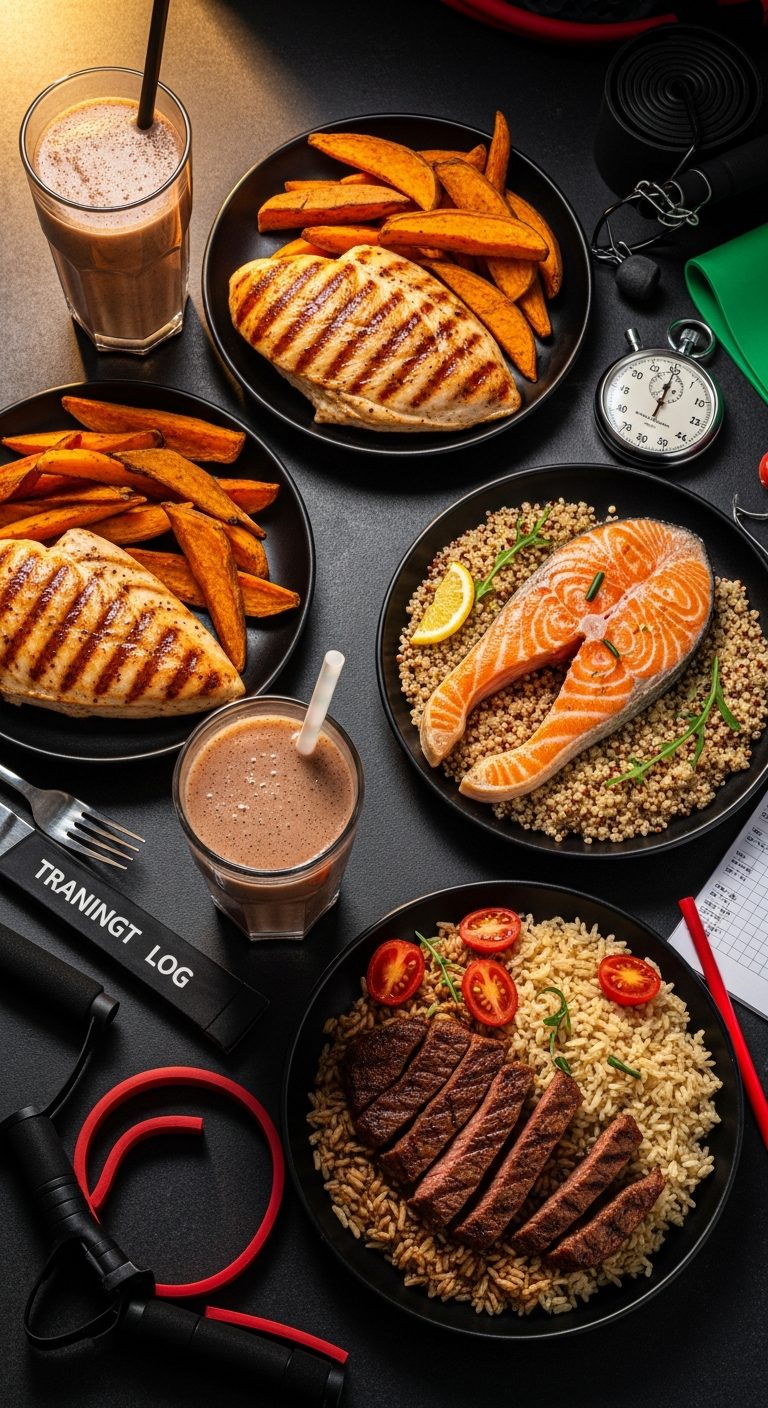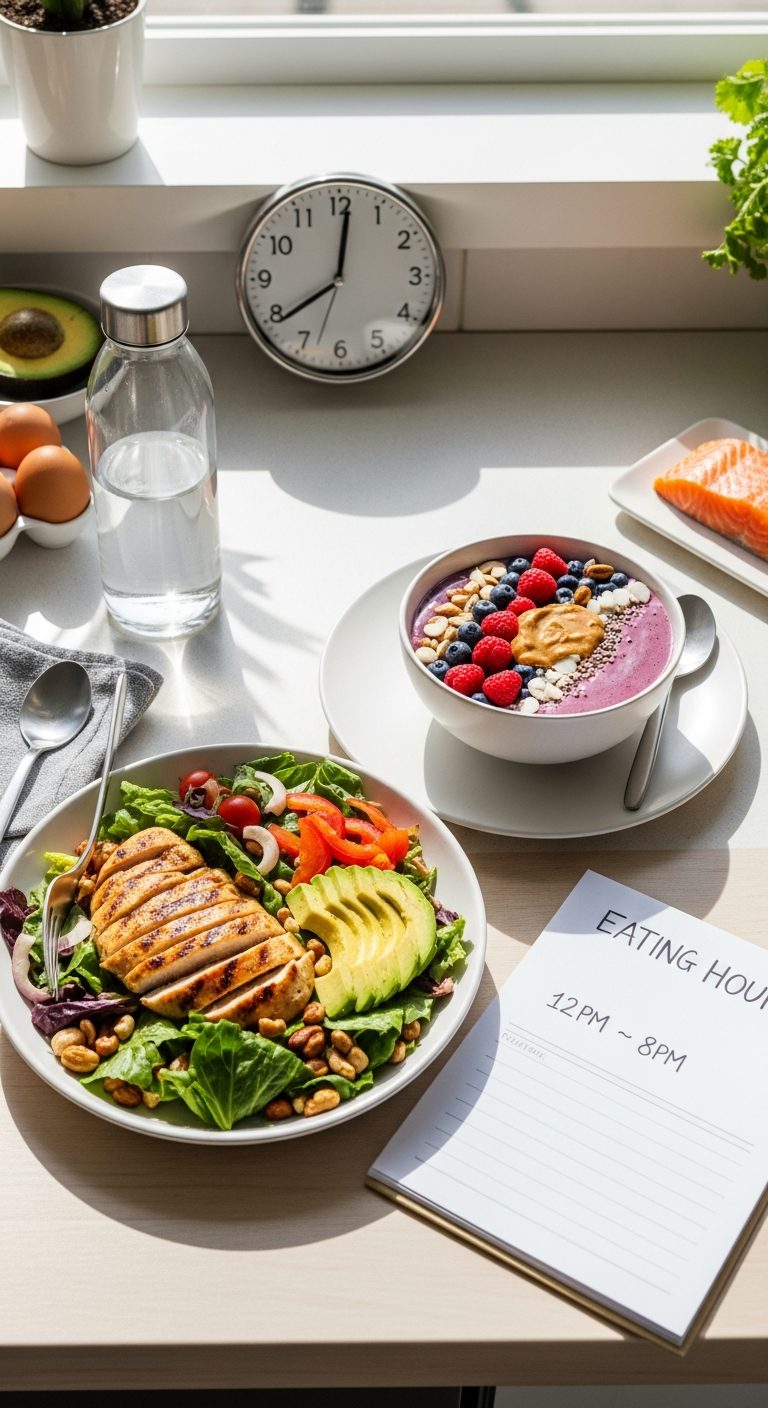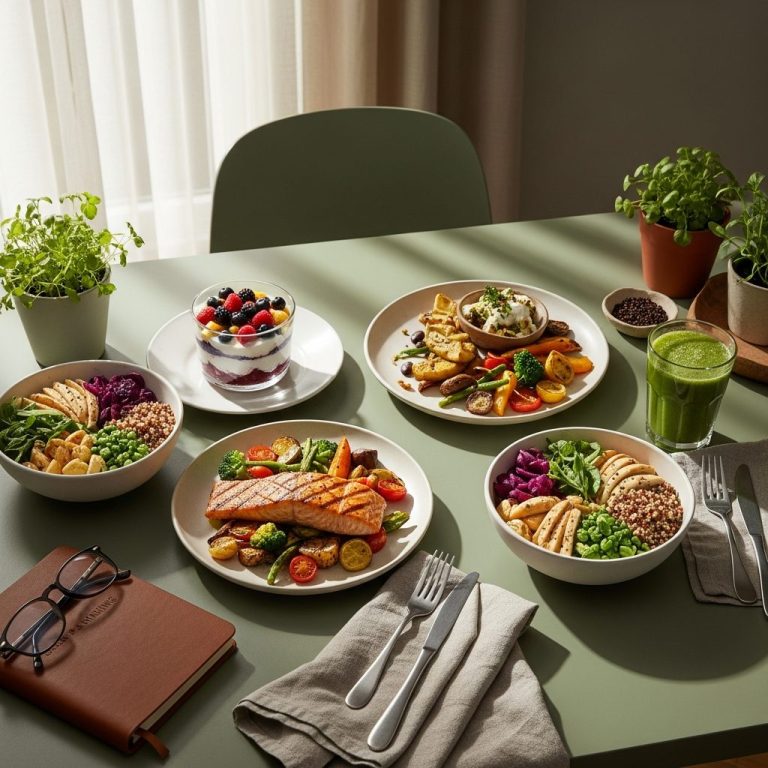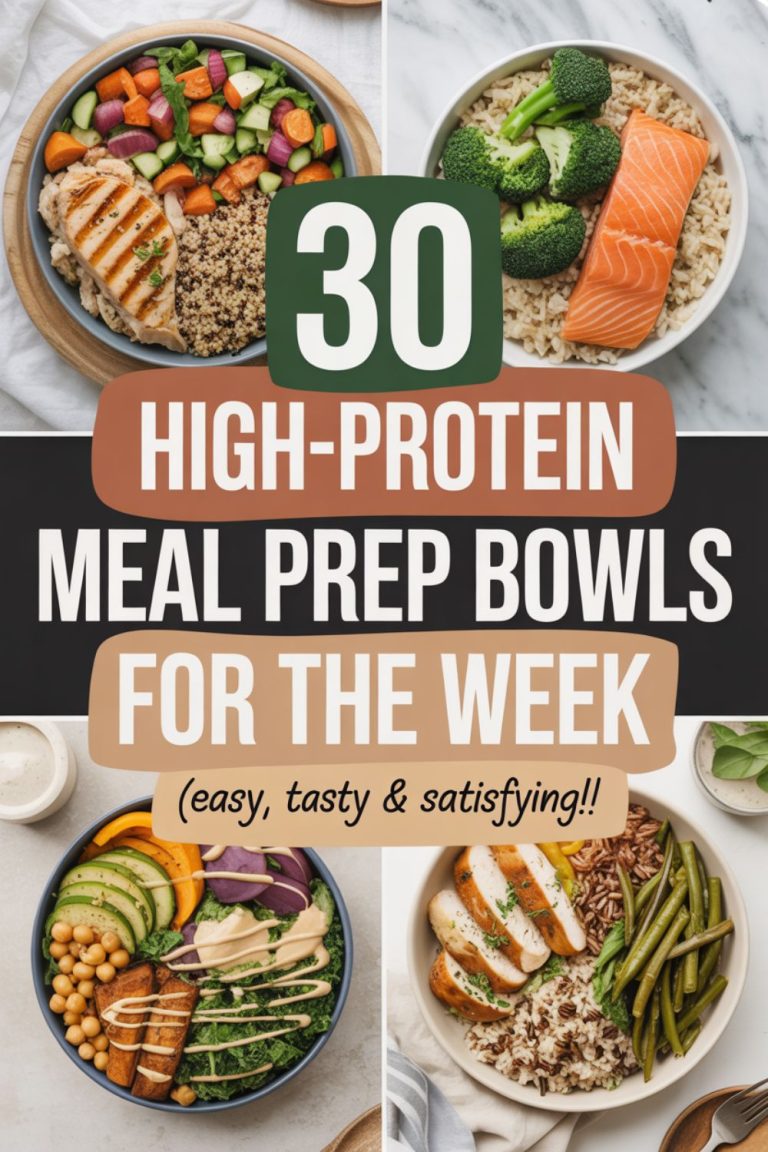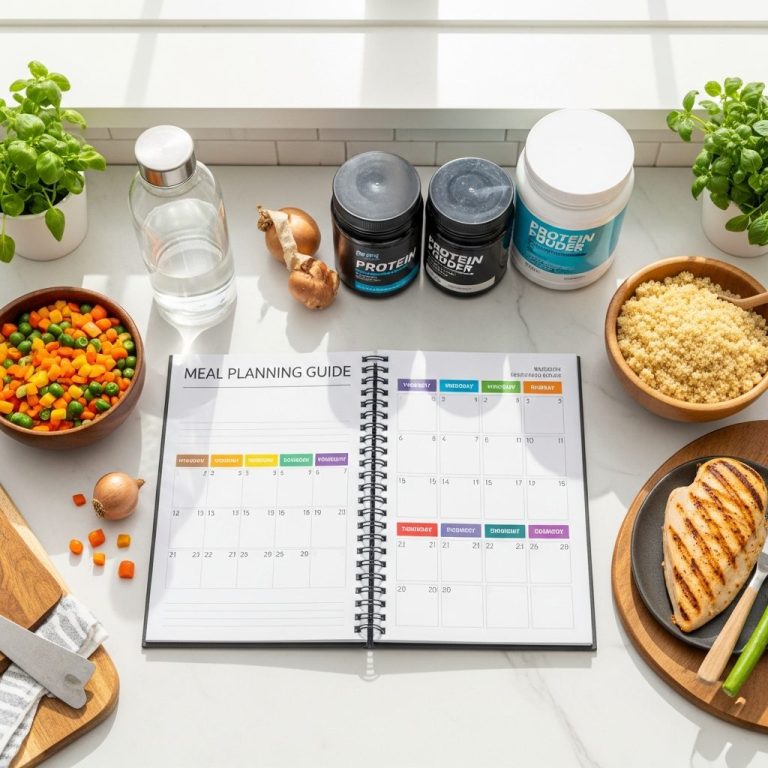
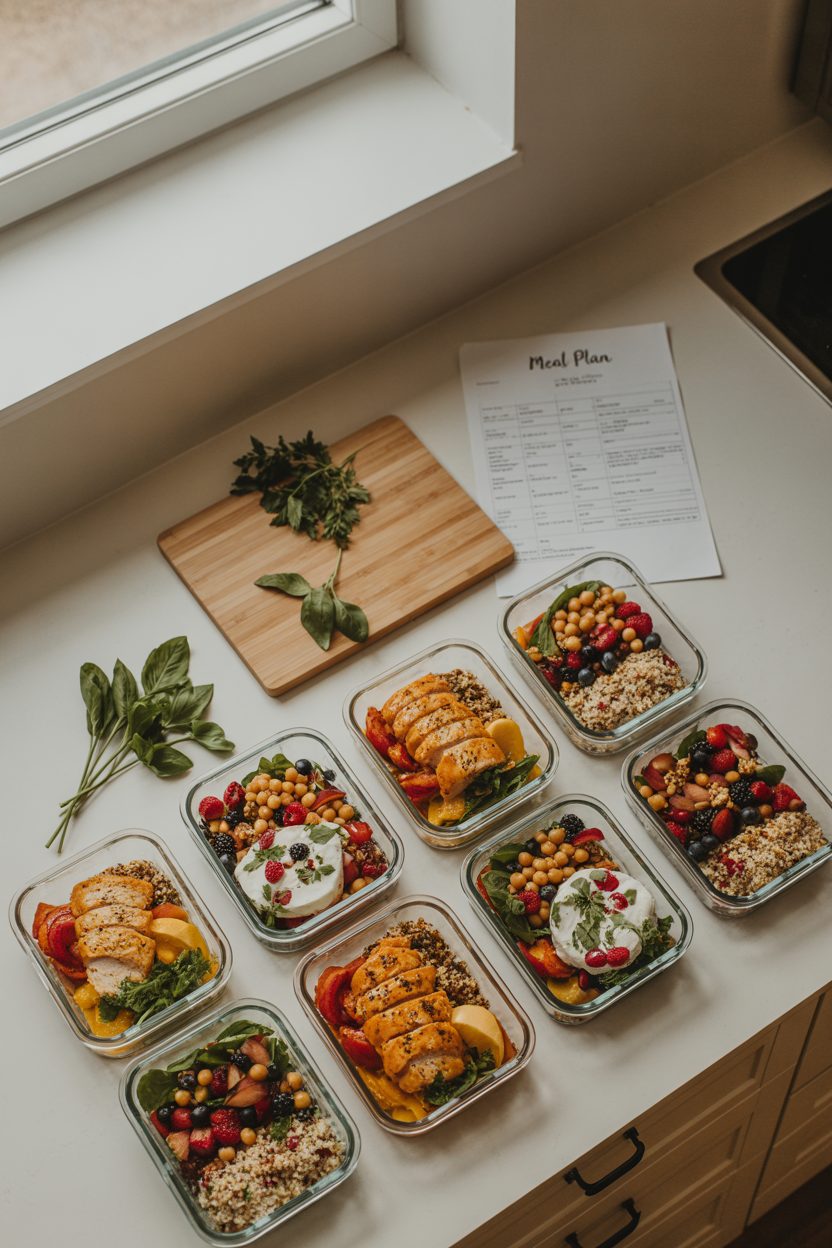
7-Day High-Protein Meal Plan (1500 Calories) – Printable PDF
Look, I get it. You want to lose weight, build muscle, or just feel less like a deflated balloon by 3 PM. And you’ve heard protein is the answer. But staring at your fridge trying to figure out how to hit your macros while staying under 1500 calories? That’s where most of us face-plant into a bag of chips.
I’ve spent way too many Sunday afternoons meal-prepping myself into a corner, only to realize by Wednesday that I’m eating the same sad chicken breast for the fourth day straight. So I finally sat down and mapped out a proper week of high-protein meals that actually taste good, keep you full, and don’t require a chemistry degree to execute.
This isn’t about punishing yourself or choking down protein shakes three times a day. It’s about eating real food that happens to be loaded with protein, keeps your calories in check, and doesn’t make you want to rage-quit your diet by Thursday.
Why High-Protein at 1500 Calories Actually Works
Before we get into the meal plan itself, let’s talk about why this combo is basically magic for most people trying to slim down or tone up. Protein does three incredible things that carbs and fats just can’t pull off quite as well.
First, it keeps you full. Like, genuinely satisfied full—not the fake full you get from a muffin that leaves you ravenous an hour later. Protein takes longer to digest, which means your stomach isn’t sending angry “feed me” signals to your brain every 90 minutes. When you’re eating 1500 calories, this matters. A lot.
Second, protein has a higher thermic effect than other macronutrients. Fancy way of saying your body actually burns more calories just digesting protein compared to carbs or fats. We’re talking about 20-30% of protein calories get burned during digestion versus only 5-10% for carbs. It’s not a massive difference, but hey, I’ll take free calorie burning wherever I can get it.
Third—and this is the big one—protein protects your muscle mass when you’re in a calorie deficit. Cut calories without enough protein, and your body starts cannibalizing muscle tissue along with fat. Nobody wants that. You want to lose the squishy stuff while keeping the lean, metabolically active tissue that makes you look toned and keeps your metabolism from tanking.
According to [research on optimal protein intake], aiming for around 0.8-1 gram of protein per pound of body weight is ideal when you’re cutting calories. For most people on a 1500-calorie plan, that translates to about 100-120 grams of protein daily. Totally doable without living on chicken and protein powder.
What This Meal Plan Actually Looks Like
Here’s the deal: this is a 7-day rotating meal plan designed to give you variety without making meal prep a part-time job. Each day clocks in around 1500 calories with 100-120 grams of protein. I’ve included breakfast, lunch, dinner, and a snack because let’s be real—most of us need that afternoon pick-me-up or we’ll end up elbow-deep in the office snack drawer.
The meals are simple enough that you won’t need exotic ingredients or fancy cooking techniques. I’m talking basic proteins like chicken, fish, eggs, and Greek yogurt paired with veggies, whole grains, and healthy fats. Nothing weird, nothing complicated.
You’ll notice I’ve built in some flexibility. Don’t like salmon? Swap it for chicken breast. Can’t stand cottage cheese? Use Greek yogurt instead. The protein content stays roughly the same, so you’re still hitting your targets without forcing down foods you hate.
And yes, there’s a [printable PDF version] at the end because I know nobody wants to scroll through their phone while cooking dinner with sauce-covered hands.
Day 1: Starting Strong
Breakfast: Protein-Packed Greek Yogurt Bowl (350 calories, 32g protein)
Start your morning with a massive bowl of plain Greek yogurt topped with a handful of berries, a tablespoon of almond butter, and a sprinkle of chia seeds. The yogurt alone packs about 20 grams of protein, and the almond butter adds healthy fats that keep you satisfied until lunch.
I use [this glass meal prep bowl] for yogurt parfaits—the separate compartments keep the toppings from getting soggy, which is honestly a game-changer if you’re prepping these ahead.
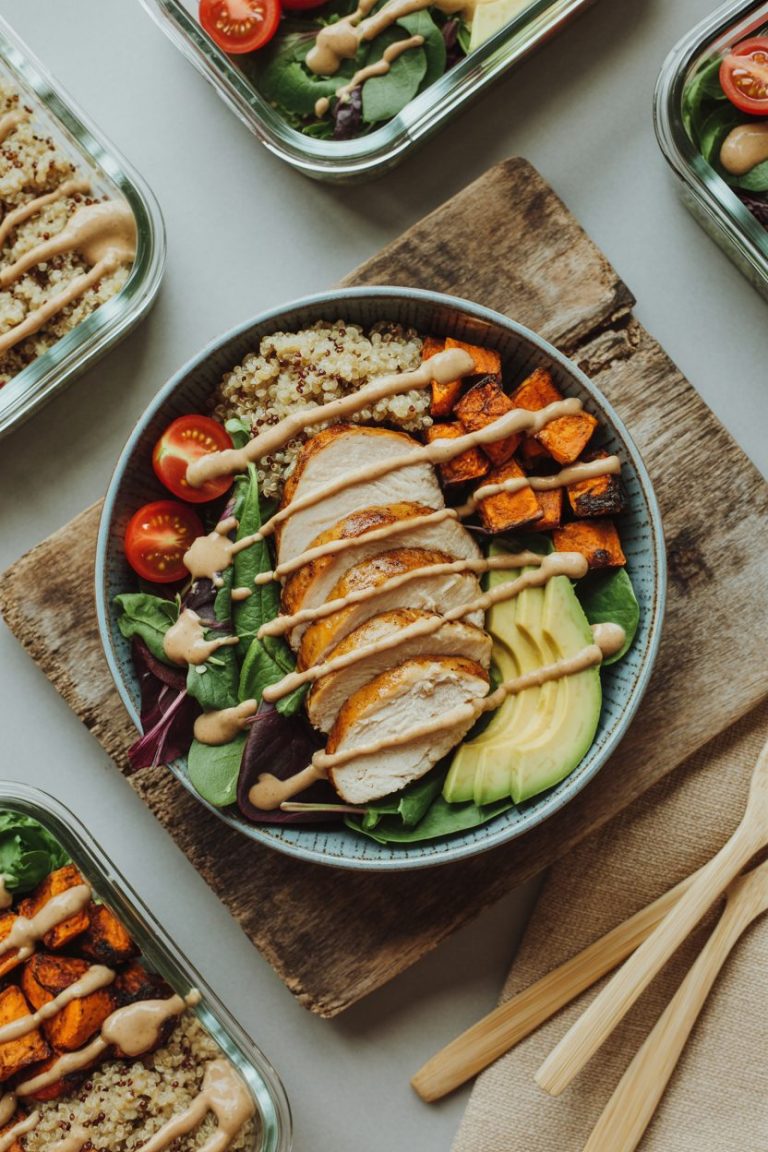
Lunch: Chicken and Quinoa Power Bowl (450 calories, 38g protein)
Grilled chicken breast (about 4 ounces) over a bed of cooked quinoa with roasted vegetables—think bell peppers, zucchini, and cherry tomatoes. Drizzle with a light tahini dressing. Quinoa is one of those rare plant-based complete proteins, so you’re getting quality protein from two sources here.
Dinner: Baked Salmon with Asparagus (500 calories, 36g protein)
A 5-ounce salmon fillet seasoned with lemon, garlic, and dill, served alongside roasted asparagus and a small sweet potato. Salmon is loaded with omega-3s and feels way fancier than the effort required. [Get Full Recipe]
Snack: Hard-Boiled Eggs (140 calories, 12g protein)
Two hard-boiled eggs with a pinch of salt and pepper. Simple, portable, and criminally underrated as a snack. I batch-cook a dozen on Sundays using [this egg cooker]—set it and forget it, no babysitting a pot of boiling water.
Speaking of high-protein breakfast ideas, you might also love [these overnight protein oats] or [this cottage cheese pancake recipe] for variety throughout the week.
Day 2: Keeping It Interesting
Breakfast: Egg White Veggie Scramble (320 calories, 28g protein)
Scramble six egg whites with spinach, mushrooms, and diced tomatoes. Add a small slice of whole-grain toast on the side. Egg whites are pure protein with almost zero fat or carbs, making them perfect for staying under your calorie limit while maxing out protein.
Lunch: Turkey and Hummus Wrap (420 calories, 35g protein)
Whole wheat tortilla loaded with sliced turkey breast, hummus, cucumber, shredded carrots, and mixed greens. Roll it up tight and you’ve got a portable lunch that doesn’t need reheating. The hummus adds creaminess without the calories of mayo or cheese.
Dinner: Lean Beef Stir-Fry (480 calories, 40g protein)
Lean beef strips stir-fried with broccoli, snap peas, and bell peppers in a light soy-ginger sauce. Serve over cauliflower rice to keep carbs in check. Beef is one of the most protein-dense foods you can eat—a 4-ounce serving packs about 30 grams.
Snack: Protein Smoothie (180 calories, 20g protein)
Blend unsweetened almond milk, a scoop of vanilla protein powder, a handful of spinach, and a few ice cubes. The spinach is undetectable taste-wise but adds vitamins and makes you feel like you’re doing something healthy. I swear by [this compact blender] for single-serve smoothies—no massive blender jar to wash.
Day 3: Mediterranean Vibes
Breakfast: Cottage Cheese and Berries (310 calories, 30g protein)
One cup of low-fat cottage cheese topped with mixed berries and a teaspoon of honey. Cottage cheese is a protein powerhouse that doesn’t get enough love. It’s creamy, versatile, and ridiculously filling.
Lunch: Greek Chicken Salad (440 calories, 36g protein)
Grilled chicken over mixed greens with cucumber, cherry tomatoes, red onion, Kalamata olives, and crumbled feta. Dress with olive oil and red wine vinegar. This is the kind of salad that actually keeps you full—not the sad desk salad that leaves you hunting for snacks an hour later.
Dinner: Baked Cod with Green Beans (490 calories, 38g protein)
A 6-ounce cod fillet baked with lemon and herbs, served with steamed green beans and a small portion of brown rice. Cod is lean, mild, and takes on whatever flavors you throw at it. Plus, it cooks in like 15 minutes. [Get Full Recipe]
Snack: Edamame (160 calories, 14g protein)
A cup of steamed edamame sprinkled with sea salt. Pop them out of the pods like nature’s little protein snacks. They’re weirdly addictive and way more satisfying than most packaged snacks.
For more Mediterranean-inspired meals, check out [this lemon herb chicken recipe] or [these grilled shrimp skewers]—they fit perfectly into a high-protein rotation.
Day 4: Comfort Food, High-Protein Style
Breakfast: Protein Pancakes (340 calories, 28g protein)
Make pancakes using a mix of protein powder, egg whites, oats, and mashed banana. Top with a small drizzle of sugar-free syrup. These actually taste like real pancakes, not the sad diet versions that taste like cardboard. I use [this non-stick griddle] and they come out perfect every time.
Lunch: Tuna Salad Lettuce Wraps (400 calories, 38g protein)
Mix canned tuna (in water, drained) with Greek yogurt instead of mayo, add diced celery and a squeeze of lemon. Serve in large lettuce leaves as wraps. Tuna is stupid cheap and loaded with protein—a single can has about 40 grams.
Dinner: Turkey Meatballs with Zucchini Noodles (510 calories, 42g protein)
Homemade turkey meatballs (use lean ground turkey mixed with egg and breadcrumbs) served over spiralized zucchini with marinara sauce. You get all the comfort of spaghetti and meatballs without the carb coma. [Get Full Recipe]
Snack: String Cheese and Almonds (150 calories, 10g protein)
One string cheese with a small handful of almonds. It’s the perfect balance of protein and healthy fats to tide you over between meals.
Day 5: Global Flavors
Breakfast: Smoked Salmon and Cream Cheese on Rice Cakes (330 calories, 26g protein)
Two rice cakes topped with light cream cheese, smoked salmon, capers, and red onion. Feels fancy, takes three minutes to assemble. Smoked salmon brings serious protein plus those omega-3s everyone’s always talking about.
Lunch: Chicken Fajita Bowl (460 calories, 40g protein)
Sliced chicken breast with sautéed peppers and onions over cauliflower rice, topped with a dollop of Greek yogurt (instead of sour cream) and salsa. All the fajita flavor without the tortilla calories.
Dinner: Pork Tenderloin with Brussels Sprouts (490 calories, 38g protein)
Roasted pork tenderloin (one of the leanest cuts of pork) with roasted Brussels sprouts tossed in olive oil and garlic. Pork tenderloin is often overlooked but it’s incredibly lean and protein-dense.
Snack: Protein Bar (180 calories, 15g protein)
A quality protein bar with minimal added sugar. I keep a stash in my bag for emergencies. Look for bars with at least 15 grams of protein and under 200 calories.
If you’re into meal prep bowls like me, you’ll love [these Asian-inspired chicken bowls] and [this burrito bowl meal prep guide]—both are high-protein and insanely customizable.
Day 6: Vegetarian-Friendly Options
Breakfast: Tofu Scramble (310 calories, 24g protein)
Crumbled firm tofu sautéed with turmeric, nutritional yeast, diced peppers, and onions. Season with salt, pepper, and garlic powder. Tastes surprisingly eggy and packs plant-based protein. Even if you’re not vegetarian, switching things up keeps meal fatigue at bay.
Lunch: Lentil and Vegetable Soup (420 calories, 22g protein)
Hearty lentil soup loaded with carrots, celery, tomatoes, and spinach. Lentils are a protein superstar in the plant world—about 18 grams per cooked cup. Make a big batch and portion it out in [these soup containers] for easy grab-and-go lunches.
Dinner: Grilled Chicken Breast with Roasted Vegetables (530 calories, 45g protein)
Back to basics with a perfectly grilled chicken breast and a rainbow of roasted vegetables—carrots, bell peppers, broccoli, and red onion. Sometimes simple is best. Season generously and you won’t get bored. [Get Full Recipe]
Snack: Greek Yogurt with Walnuts (140 calories, 12g protein)
Half a cup of plain Greek yogurt with a few crushed walnuts. The walnuts add omega-3s and a satisfying crunch.
Day 7: Finish Strong
Breakfast: Protein Oatmeal (360 calories, 30g protein)
Cook rolled oats with unsweetened almond milk, stir in a scoop of vanilla protein powder after cooking, and top with sliced banana and a sprinkle of cinnamon. This is my go-to on cold mornings when I need something warm and filling.
Lunch: Shrimp and Avocado Salad (430 calories, 34g protein)
Grilled or sautéed shrimp over mixed greens with avocado slices, cherry tomatoes, and a lime vinaigrette. Shrimp is almost pure protein with barely any fat or carbs—about 24 grams of protein per 4-ounce serving.
Dinner: Bison Burger (No Bun) with Sweet Potato Fries (500 calories, 40g protein)
A lean bison patty (lower in fat than beef but just as flavorful) served over greens with all your favorite burger toppings, alongside baked sweet potato fries. Bison might sound exotic, but it’s showing up in more grocery stores and the protein content is impressive.
Snack: Roasted Chickpeas (180 calories, 10g protein)
Drain and roast canned chickpeas with your favorite spices—paprika, cumin, garlic powder. They get crispy and addictive. Way better than chips and they’ve got both protein and fiber.
For even more inspiration, try [these high-protein snack ideas] or [this complete 30-day meal prep guide] if you want to extend your planning beyond a week.
Meal Prep Tips That Actually Matter
Okay, so you’ve got the meal plan. Now let’s talk about execution because this is where most people stumble. You can have the best plan in the world, but if you don’t prep ahead, you’ll end up ordering pizza by Wednesday.
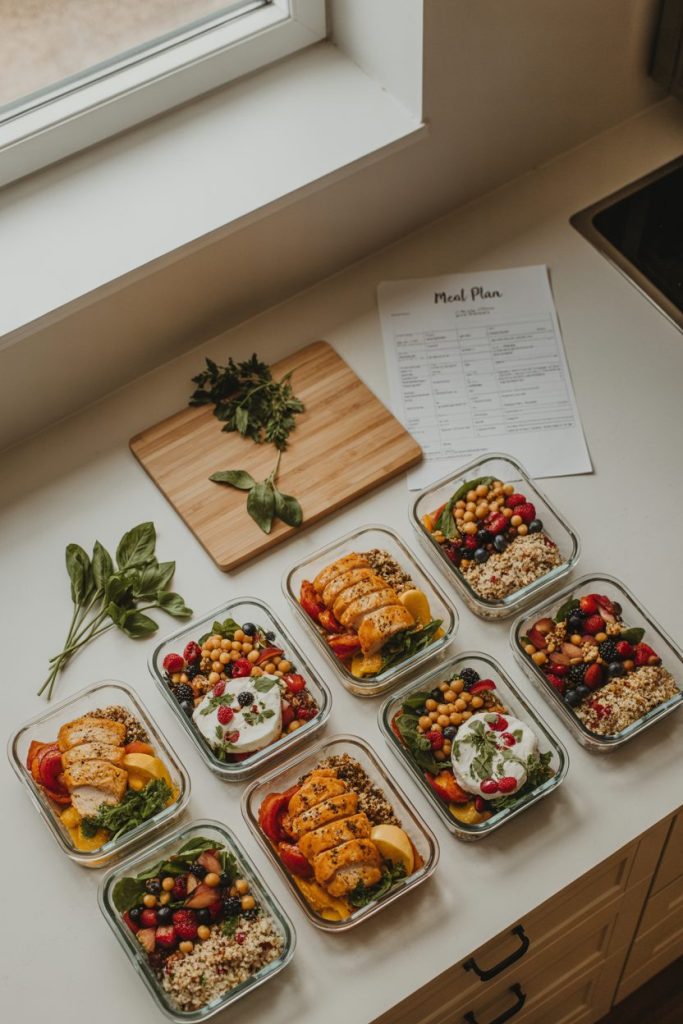
Batch cook your proteins. Seriously, dedicate an hour on Sunday to cooking chicken breasts, hard-boiling eggs, and portioning out Greek yogurt. When your proteins are ready to go, meals come together in minutes instead of feeling like a cooking marathon.
Invest in good containers. I’m not saying you need to spend a fortune, but having a set of [these glass containers with separate compartments] makes meal prep so much easier. You can see what’s inside, they don’t stain or smell, and you can reheat directly in them.
Prep your vegetables too. Wash and chop your veggies when you get home from the grocery store. Store them in clear containers so you actually remember to use them. Out of sight, out of mind is real when it comes to produce.
Keep a protein emergency stash. Stock your pantry with canned tuna, protein powder, and shelf-stable chicken breast packets. Your freezer should have frozen fish fillets and cooked chicken strips. Life happens, and having backup protein sources means you won’t derail your entire plan because you forgot to defrost dinner.
Use a kitchen scale. At least at first. I resisted this for ages, thinking it was too obsessive, but it’s the only way to actually know how much protein you’re eating. Eyeballing portions usually means we’re eating more than we think. A basic [digital food scale] costs like 15 bucks and takes the guesswork out.
Customizing This Plan for Your Needs
This plan is built for someone who needs around 1500 calories, but maybe that’s not your magic number. Some of you might need more, some less. The beauty of this framework is that it’s easy to adjust.
Need more calories? Add an extra snack, increase portion sizes slightly, or throw in a tablespoon of healthy fats like olive oil or avocado to your meals. Fats are calorie-dense, so small additions make a big difference.
Need fewer calories? Cut one snack or reduce portion sizes slightly. Just don’t go below your protein targets—that’s the whole point of this plan. Keep those protein numbers up even if you’re trimming total calories.
Vegetarian or vegan? You can absolutely make this work. Swap animal proteins for tofu, tempeh, seitan, legumes, and plant-based protein powders. You might need slightly larger portions of plant proteins since they’re generally less calorie-dense, but the structure stays the same.
Food allergies or preferences? Hate fish? Don’t eat it. Can’t do dairy? Use dairy-free yogurt alternatives or skip the cheese. Allergic to nuts? Use seeds instead. The protein targets are what matter—how you get there is flexible.
According to [nutritional guidelines from the Academy of Nutrition and Dietetics], meeting your protein needs is more important than the specific sources, so customize away without guilt.
What to Expect: The Real Talk
Let’s manage expectations. The first few days on any new eating plan kind of suck. You might feel hungry, your brain might stage a protest demanding cookies, and you’ll probably wonder why you’re doing this to yourself.
Push through. By day three or four, your body adjusts to the higher protein intake and the hunger levels out. You’ll notice you’re not thinking about food every two seconds. Your energy stabilizes instead of spiking and crashing throughout the day.
Week two is where the magic happens. You’ll feel lighter, your clothes fit better, and you’ve got this rhythm going with meal prep. The scale might not be moving as fast as you’d like (IMO, sustainable weight loss is 1-2 pounds per week), but your body composition is shifting.
Some people report better sleep, clearer skin, and improved digestion. The fiber from all those vegetables plus adequate protein creates a pretty sweet setup for your gut health.
Don’t expect perfection. You might have a day where you eat off-plan. Whatever. One meal or one day doesn’t erase your progress. Get back on track the next meal, not the next Monday. That’s the trap—waiting for the perfect restart moment instead of just continuing forward.
Related Recipes You’ll Love
Looking for more ideas? Here are some recipes that pair perfectly with this meal plan:
More Breakfast Ideas:
- [High-Protein Breakfast Burrito Meal Prep]
- [Chocolate Peanut Butter Protein Smoothie Bowl]
- [Savory Egg Muffin Cups]
Quick Lunch Options:
- [Mason Jar Salad Recipes for Meal Prep]
- [Cold Chicken Pasta Salad]
Complete Meal Plans:
- [14-Day Clean Eating Meal Plan]
- [1200 Calorie High-Protein Meal Plan]
Wrapping This Up
Here’s the bottom line: this 7-day high-protein meal plan at 1500 calories is designed for real people with real lives who don’t have time to cook five-course meals three times a day. It’s practical, flexible, and built around foods you can actually find at regular grocery stores.
The meals are simple but not boring, high in protein but not ridiculously restrictive, and strategically designed to keep you full while staying under your calorie target. You’ll eat real food—chicken, fish, eggs, Greek yogurt, vegetables, and whole grains—prepared in ways that don’t require a culinary degree.
Will this plan magically transform your body in seven days? No, because that’s not how bodies work and anyone promising that is lying to you. But use this as your foundation for a few weeks and you’ll absolutely see changes. Better energy, less hunger, visible progress in the mirror, and the confidence that comes from sticking to something that actually works.
Download the [printable PDF version] to stick on your fridge, screenshot the grocery list on your phone, and give yourself permission to adjust things as you go. This is a framework, not a prison sentence.
FYI, the hardest part is always the decision to start. You’ve got the plan now. All that’s left is showing up for yourself one meal at a time.