
21 High-Protein Pasta Alternatives for Fat Loss
Listen, I get it. The moment someone mentions “fat loss,” pasta usually ends up on the chopping block. But here’s the thing—ditching your favorite comfort food isn’t the only path forward. What if I told you there’s a whole world of high-protein pasta alternatives that taste amazing and actually help you reach your goals?
I’ve spent the better part of the last year testing every protein-packed noodle I could find. Some were incredible. Others? Let’s just say they ended up in the trash after one bite. The good news is I’ve done the legwork for you, and I’m about to share 21 solid options that won’t leave you feeling deprived or stuck eating cardboard disguised as food.
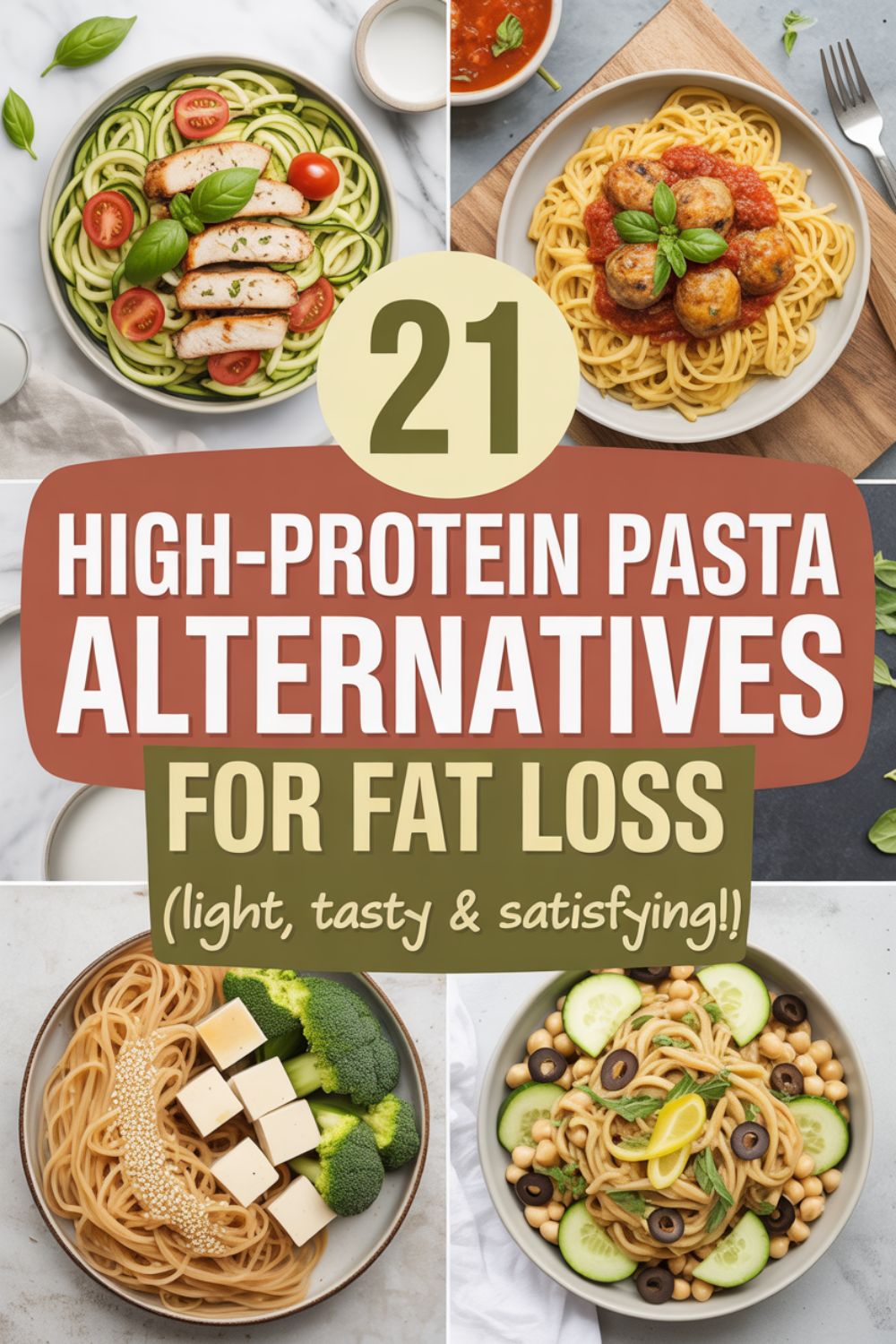
Why Protein Matters When You’re Trying to Lose Fat
Before we jump into the noodle lineup, let’s talk about why protein is such a big deal. When you’re in a calorie deficit (which is what fat loss requires), your body needs protein to preserve muscle mass. Without enough of it, you’ll lose muscle along with fat, which slows your metabolism and makes everything harder.
Protein also keeps you full longer than carbs or fat. Research shows that emphasizing protein in your diet helps control appetite and can lead to spontaneous reductions in calorie intake. That’s why swapping regular pasta for high-protein alternatives is such a smart move.
Plus, protein has a higher thermic effect than other macronutrients, meaning your body burns more calories digesting it. It’s basically a metabolic advantage hiding in your dinner bowl.
Want daily recipe ideas, meal prep tips, and support from people who actually get it? Join our free WhatsApp community where we share quick wins, answer questions, and celebrate progress together.
Join the WhatsApp CommunityThe Legume-Based Powerhouses
1. Chickpea Pasta
Chickpea pasta is probably the most popular alternative out there, and for good reason. Brands like Banza have made this mainstream, packing about 25 grams of protein per serving. The texture is surprisingly close to regular pasta, though it can get mushy if you overcook it.
I use this spiralizer when I want to mix chickpea pasta with fresh zucchini noodles for extra volume. The combo gives you that pasta fix with even more nutrition.
The flavor has a slight nutty undertone that works great with robust sauces. Just watch your cooking time—pull it off the heat when it’s still got some bite.
5-Blade Vegetable Spiralizer
This is the spiralizer I use daily. Five blade options mean you can match any pasta shape—from angel hair zoodles to thick fettuccine ribbons. The suction base actually stays put (game changer), and cleanup takes literally 30 seconds under running water.
2. Red Lentil Pasta
Red lentil pasta is my personal favorite. It’s naturally gluten-free, packs around 13-15 grams of protein per serving, and has this gorgeous color that makes your plate look fancy without any effort.
The texture holds up better than you’d expect. I’ve noticed it doesn’t fall apart in creamy sauces the way some alternatives do. Get Full Recipe for my favorite lentil pasta with roasted vegetables and garlic.
One heads-up: red lentil pasta can taste a bit earthy on its own. Pair it with bold flavors like marinara, pesto, or a garlicky olive oil base.
3. Black Bean Pasta
Okay, I’ll be honest—black bean pasta is an acquired taste. The texture is dense and the flavor is intense, which isn’t everyone’s thing. But if you can get past that, you’re looking at a whopping 25 grams of protein and 12 grams of fiber per serving.
It works best in dishes where the pasta isn’t the star of the show. Think loaded pasta salads or Mexican-inspired bowls where the toppings can balance out that bean-forward flavor.
4. Green Lentil Pasta
Similar to red lentil pasta but with a slightly firmer texture, green lentil pasta delivers about 13-14 grams of protein. The flavor is milder than black bean but still has that earthy quality legume-based pastas are known for.
I keep these airtight containers stocked with cooked green lentil pasta for easy meal prep. It reheats well and doesn’t get weird in the fridge overnight.
5. Edamame Pasta
If you’re serious about hitting your protein goals, edamame pasta is where it’s at. We’re talking 24-28 grams of protein per serving—that’s more than most chicken breasts.
The bright green color is fun, and the texture is firmer than traditional pasta. It has a mild, slightly sweet flavor that works surprisingly well with Asian-inspired sauces. Try it with peanut sauce or in a stir-fry situation.
For more high-protein meal inspiration that complements these pasta dishes, check out these high-protein dinners for fat loss.
The Grain-Based Options
6. Quinoa Pasta
Quinoa pasta is one of the few complete plant proteins, meaning it has all nine essential amino acids. It typically offers around 4-6 grams of protein per serving, which is less than the legume options but still better than regular pasta.
The taste is pretty neutral, and the texture is smooth. It’s a solid middle ground if you want something that feels more like traditional pasta but with better nutrition.
7. Whole Wheat Pasta
Classic whole wheat pasta has about 7-8 grams of protein per serving. It’s not as high as some alternatives, but it’s familiar, affordable, and easy to find.
The nutty flavor and slightly chewy texture work well with hearty sauces. If you’re new to alternative pastas, this is probably the easiest starting point.
8. Spelt Pasta
Spelt is an ancient grain that’s easier to digest than modern wheat for some people. Spelt pasta has around 6-7 grams of protein and a sweet, nutty flavor that’s really pleasant.
It cooks up tender and has a nice bite to it. Get Full Recipe for a simple spelt pasta with brown butter and sage that highlights its natural sweetness.
9. Barilla Protein+ Pasta
This is a wheat-based pasta fortified with legume protein, giving you around 10 grams per serving. Nutrition experts note it tastes the most similar to traditional pasta while still boosting your protein intake.
I reach for this when I’m cooking for people who are skeptical about alternative pastas. The taste and texture are familiar enough that nobody complains.
10. Kamut Pasta
Kamut is another ancient grain with a buttery flavor and smooth texture. It has about 7 grams of protein per serving and works well in lighter dishes.
The golden color is beautiful, and it holds sauce really nicely. It’s less common than some other options, but worth trying if you see it.
The Veggie Noodle Crew
11. Zucchini Noodles (Zoodles)
Okay, so zoodles don’t have much protein on their own—we’re talking maybe 2 grams per serving. But they’re incredibly low in calories and carbs, which means you can load up your plate and save room for protein-rich toppings.
I swear by this handheld spiralizer—it makes zoodle prep stupidly easy. Just a quick twist and you’ve got a massive bowl of noodles in seconds.
The key with zoodles is not to overcook them. A quick sauté for 2-3 minutes max, or even serve them raw with hot sauce. They release a lot of water, so drain them well.
12. Spaghetti Squash
Spaghetti squash is low in protein (about 1 gram per serving) but brings serious volume to your plate for minimal calories. When you roast it and scrape out the flesh, it naturally separates into spaghetti-like strands.
The mild flavor makes it a great vehicle for bolder sauces. I love roasting mine in this rimmed baking sheet—nothing sticks and cleanup is a breeze.
13. Shirataki Noodles
These are the ultimate low-calorie, low-carb noodle option. Made from konjac yam, they have almost zero calories and basically no protein. But hear me out—they’re perfect when you want a huge bowl of pasta without the calorie hit.
The texture is chewy and different from regular pasta. Some people love it, others hate it. I find rinsing them really well and dry-frying them in a pan before adding sauce helps improve the texture.
14. Carrot Noodles
Carrot noodles bring a subtle sweetness and vibrant color to your plate. Like zoodles, they’re low in protein but high in volume and micronutrients.
They work great in Asian-style dishes or salads. The sweetness pairs nicely with savory, umami-rich sauces.
15. Sweet Potato Noodles
Sweet potato noodles have a bit more substance than zoodles and offer some complex carbs. They’re still low in protein but bring more energy to fuel your workouts.
These are excellent in stir-fries or with Thai-inspired sauces. The slight sweetness really shines in those flavor profiles.
Speaking of balanced meals, these high-protein breakfast ideas pair perfectly with your new pasta alternatives for an all-day protein strategy.
14-Day High-Protein Weight Loss Plan
Struggling to plan meals with these pasta alternatives? This complete 14-day plan includes shopping lists, prep guides, and 42 high-protein recipes (including 12 pasta dishes). Everything’s calculated for you—just cook and eat.
The Specialty and Hybrid Options
16. Hearts of Palm Pasta
This one’s wild. Hearts of palm pasta comes pre-made and looks nothing like traditional pasta out of the package. It’s low-carb, low-calorie, and has about 4 grams of protein per serving.
The texture is spongy and unique. It absorbs sauce really well, which is either great or weird depending on your perspective. FYI, it has a mild vegetable flavor that some people find off-putting.
17. Lupini Bean Pasta
Lupini bean pasta is a newer player in the game, offering around 15-20 grams of protein per serving. It’s popular with keto folks because it’s also low in net carbs.
The taste is mild and the texture is pretty good. It’s not as widely available as other options, but worth seeking out if you’re watching both protein and carbs.
18. Kelp Noodles
Made from seaweed, kelp noodles are translucent, crunchy, and have almost no calories or protein. They’re more of a texture thing than a nutrition play.
I use them in cold noodle salads where that crunch actually works. They don’t soften much when cooked, so don’t expect a pasta-like experience.
19. Protein-Enriched Egg Noodles
Some brands fortify egg noodles with extra protein, pushing them to around 12-14 grams per serving. They taste remarkably similar to traditional egg noodles.
These work great in comfort food dishes like stroganoff or chicken noodle soup. The familiar taste makes them easy to incorporate into family meals.
20. Buckwheat Soba Noodles
Traditional soba noodles have about 6 grams of protein per serving. Despite the name, buckwheat is gluten-free and brings a nutty, earthy flavor.
They’re fantastic in cold noodle dishes or simple preparations with soy sauce and vegetables. I keep this bamboo rolling mat handy for making homemade soba rolls—sounds fancy, takes five minutes.
21. Tofu Shirataki Noodles
These combine tofu with shirataki noodles, giving you a few more grams of protein (around 3-4) and a slightly better texture than plain shirataki.
They’re still very low in calories and carbs. The tofu addition makes them a bit less chewy and more pasta-like.
If you’re looking for complete meal solutions, these high-protein meal prep ideas show you how to build balanced plates with these pasta alternatives all week long.
How to Actually Make These Taste Good
Here’s the truth: even the best alternative pasta won’t taste amazing if you don’t prepare it right. I’ve made every mistake in the book, so let me save you some disappointment.
First, salt your cooking water generously. Alternative pastas need that extra seasoning. Second, don’t overcook. Most of these cook faster than traditional pasta, and they go from perfect to mush in a matter of minutes.
Sauce matters. A lot. Legume-based pastas pair best with bold, flavorful sauces that can stand up to their earthiness. Veggie noodles need sauce that clings—watery tomato sauce will just slide right off.
I always toss my cooked pasta with a bit of olive oil or butter before adding sauce. This is where good quality olive oil makes a difference—it adds richness that helps bridge the gap between alternative pasta and the real thing.
Glass Meal Prep Containers (10-Pack)
These changed my meal prep game completely. Glass means no weird plastic taste when you reheat your pasta dishes, and they’re actually dishwasher safe without warping. The snap-on lids create an airtight seal that prevents your red lentil pasta from drying out in the fridge.
Also, temperature matters. Serve these pastas hot. Unlike traditional pasta that can hang out for a bit, alternative pastas tend to get weird as they cool. Plate immediately and eat while everything’s at peak deliciousness.
The Texture and Taste Reality Check
Let’s be real for a second. None of these alternatives taste exactly like traditional semolina pasta. Anyone who tells you different is lying or has forgotten what real pasta tastes like.
But here’s what I’ve learned: that’s actually okay. Once you stop comparing them to “real” pasta and just appreciate them for what they are, they become really enjoyable in their own right.
Chickpea pasta has a nutty thing going on that’s actually delicious with the right sauce. Edamame pasta’s mild sweetness works perfectly in Asian dishes. Zoodles give you that satisfying twirl-on-a-fork experience with way more room for other good stuff on your plate.
The texture is usually the bigger adjustment than taste. Most protein pastas are denser and sometimes chewier than traditional pasta. That can be great—it means they’re more filling. But it also means you can’t zone out while cooking them.
IMO, the best approach is to have a few different types on hand and rotate based on what you’re craving. Red lentil for Italian dishes, edamame for Asian-inspired meals, and veggie noodles when you want maximum volume.
The Cost Factor Nobody Talks About
Yeah, we need to address this. Alternative pastas cost more. Sometimes a lot more. A box of chickpea pasta might run you $3-5 compared to $1 for regular pasta.
Is it worth it? That depends on your goals and budget. If you’re actively trying to lose fat and protein pasta helps you stay satisfied and hit your macros, the extra cost might be worth it for that period of time.
Here’s how I manage it: I don’t eat alternative pasta for every meal. I use it strategically for dinners when I need that protein boost. Breakfast and lunch get their protein from other sources, which helps spread the cost out.
Also, buying in bulk or catching sales helps. I stock up when my favorite brands go on sale. This pantry organizer keeps everything visible so I actually remember to use what I bought.
And honestly? When you factor in how much fuller you stay and how much less you snack, the cost difference becomes less significant. It’s still more expensive, but it’s not as bad as it seems at first glance.
Precision Kitchen Food Scale
Worth every penny when you’re working with pricier alternative pastas. This scale helped me realize I was using almost double the serving size I thought—no wonder my grocery bill was insane. Measures in grams and ounces, has a tare function, and the battery lasts forever.
Meal Prep and Storage Tips
Most alternative pastas don’t reheat as well as traditional pasta. That’s just a fact. But with the right approach, you can still meal prep successfully.
Cook your pasta slightly underdone if you’re planning to reheat it. The reheating process will finish cooking it, and this prevents mushiness. I learned this the hard way after ruining a week’s worth of chickpea pasta.
Store pasta and sauce separately when possible. Mix them right before eating to maintain the best texture. I use these divided containers that keep everything separate until mealtime.
Veggie noodles are trickier. They release water as they sit, which can make your meal soupy and sad. If you’re meal prepping zoodles, spiralize them but don’t cook them. Store raw and quickly sauté right before eating.
For shirataki and hearts of palm pasta, drain them really well and store in the fridge opened. They keep for several days and actually improve in texture if you dry-fry them before adding to your meal.
Need more inspiration? These high-protein lunches for busy workdays show you how to incorporate these alternatives into practical, packable meals.
21-Day High-Protein Meal Prep Challenge
Take the guesswork out of meal prep with this complete 3-week challenge. Includes step-by-step prep guides, container recommendations, and 63 recipes designed for batch cooking. Perfect for making these pasta alternatives actually work in real life.
The Bottom Line on Protein Content
Let’s talk numbers because that’s what really matters when you’re trying to lose fat. Traditional pasta gives you about 7-8 grams of protein per serving. Here’s how the alternatives stack up:
- Top tier (20+ grams): Edamame pasta, black bean pasta, chickpea pasta
- Mid tier (12-20 grams): Red lentil pasta, lupini bean pasta, fortified egg noodles
- Low tier but still better than regular (8-12 grams): Barilla Protein+, whole wheat pasta
- Mostly about volume (under 5 grams): Veggie noodles, shirataki, hearts of palm
The top tier options can legitimately serve as a protein source in your meal. The mid tier needs a protein side but significantly boosts your total intake. The low tier is more about getting pasta-like satisfaction while leaving room for protein elsewhere.
None of this is “better” or “worse”—it’s about what fits your specific goals and preferences. On days when I’m really hungry, I go for edamame or chickpea pasta. On days when I want a bigger volume of food, I do zoodles with extra protein on top.
Common Mistakes to Avoid
After making pretty much every possible error with alternative pastas, here are the big ones to dodge:
Overcooking is enemy number one. Set a timer for two minutes less than the package says, then check. You can always cook longer, but you can’t undo mush.
Using sauces that are too thin. Alternative pastas don’t hold onto watery sauces the same way traditional pasta does. Go thicker and creamier (or chunkier with tomato-based sauces).
Not seasoning enough. These pastas need more salt, more herbs, more garlic, more everything. They’re healthier but blander, so compensate with flavor.
Expecting them to taste exactly like regular pasta. This mindset sets you up for disappointment. Approach them as their own thing.
Forgetting to rinse chickpea and lentil pasta. The starchy coating on these can be intense. A quick rinse after cooking improves the texture significantly.
Not drying veggie noodles. Seriously, get as much water out as possible before cooking. Paper towels are your friend here.
Building a Balanced Plate
Struggling to plan balanced meals with these alternatives? Our WhatsApp community shares weekly meal plans, shopping lists, and real-time cooking help. It’s like having a nutrition coach in your pocket—totally free.
Join Free WhatsApp GroupAlternative pasta shouldn’t be your entire meal, even the high-protein ones. The goal is building a balanced plate that keeps you satisfied and supports fat loss.
Here’s my formula: one serving of alternative pasta (measured!), a palm-sized portion of additional protein if the pasta isn’t hitting 20+ grams, and at least two cups of vegetables. Add healthy fats from olive oil, nuts, or avocado.
This approach means you’re not overeating pasta (even the healthy kind) while getting a truly balanced meal. The vegetables add volume and fiber, the protein keeps you full, and the fat makes everything taste better and helps nutrient absorption.
For example, I’ll do one cup of red lentil pasta, four ounces of grilled chicken, sautéed spinach and cherry tomatoes, and top it with a tablespoon of pesto. That’s a complete meal with around 45 grams of protein, tons of fiber, and under 600 calories.
Or zoodles with six ounces of salmon, roasted broccoli, and a creamy avocado sauce. Same idea—balanced macros, lots of volume, completely satisfying.
Looking for more balanced meal ideas? Check out these high-protein vegetarian meals that work beautifully with alternative pastas.
When Regular Pasta Is Actually Fine
Controversial take: you don’t need to give up regular pasta completely. I know this whole article is about alternatives, but let’s keep it real.
If you’re at a healthy weight, active, and just trying to maintain, regular pasta in reasonable portions is totally fine. If you’re having pasta once a week and hitting your protein goals from other sources, don’t stress.
Even when you’re actively losing fat, an occasional serving of traditional pasta won’t derail everything. Research actually shows that pasta consumption in the context of a healthy diet doesn’t hinder weight loss efforts.
The key word is “occasional” and “reasonable portions.” A massive bowl of fettuccine alfredo every night? Yeah, that’s probably going to be an issue. A measured portion of whole wheat pasta with vegetables and lean protein once a week? Not a problem.
I alternate. Some weeks I’m all about the protein pasta. Other weeks I have regular pasta and just plan my other meals accordingly. This flexibility keeps me sane and actually makes fat loss sustainable long-term.
30-Day High-Protein Transformation Plan
Ready to commit? This comprehensive 30-day plan includes everything—meal plans, workout guides, progress trackers, and over 90 recipes. Designed specifically for sustainable fat loss while building muscle. This is the full system.
Special Considerations for Different Dietary Needs
Not everyone’s goals and restrictions are the same. Here’s how to think about alternative pastas for specific situations:
If you’re gluten-free: Most legume-based pastas (chickpea, lentil, black bean) are naturally gluten-free. Quinoa pasta is also a solid choice. Just double-check labels because some brands add wheat for texture.
If you’re following keto or low-carb: Shirataki noodles, veggie noodles, and lupini bean pasta are your best bets. Hearts of palm pasta works too. Most other alternatives are still relatively high in carbs.
If you’re vegetarian or vegan: All the plant-based alternatives work great. Edamame, chickpea, and lentil pastas are particularly valuable protein sources. Get Full Recipe for a killer vegan bolognese with red lentil pasta.
If you’re an athlete or very active: Don’t fear the carbs in alternative pasta. The combination of protein and carbs actually supports recovery. Opt for the higher-protein, moderate-carb options like chickpea or edamame pasta.
If you have IBS or digestive issues: Some people find legume-based pastas harder to digest. Start with small portions and see how you feel. Rice-based or veggie noodles might be gentler on your system.
The Real Talk on Convenience
Alternative pastas aren’t always as convenient as grabbing a box of spaghetti. Veggie noodles require prep. Some brands are hard to find. Cooking times are finicky.
But here’s what I’ve found: once you get a system down, it’s really not that bad. Keep a couple of your favorite types stocked in the pantry. Learn the cooking times. Get the right tools.
I keep chickpea rotini, red lentil penne, and edamame spaghetti as my staples. I know exactly how long each takes to cook. I have my spiralizer and good storage containers. It’s routine now.
The first few times you cook any new alternative will feel weird and maybe frustrating. That’s normal. Give yourself a learning curve and don’t judge the whole category based on one mediocre experience.
Also, pre-spiralized veggie noodles exist. Yes, they cost more. But if that’s the difference between using them and not using them, it’s worth the extra couple bucks.
Want to streamline your meal planning even more? These 7-day high-protein meal plans take all the guesswork out of incorporating these alternatives into your week.
How to Transition Without Hating Life
Don’t try to swap all your pasta at once. That’s a recipe for burnout and giving up entirely. Start with one meal a week.
Pick your favorite pasta dish and try it with an alternative. See how it goes. If you hate it, try a different alternative. If you love it, expand from there.
I started with chickpea pasta in my go-to red sauce recipe. It was different but good. Then I tried red lentil pasta in a pesto situation. Also good. Before I knew it, I was naturally reaching for alternatives more often than regular pasta.
The key is making the transition feel easy and not restrictive. You’re not “giving up” pasta—you’re adding options. That mindset shift matters more than you’d think.
And look, some nights you’re going to want regular pasta. That’s fine. The goal isn’t perfection. It’s making better choices more often while still enjoying your food.
Frequently Asked Questions
Is protein pasta actually better for fat loss than regular pasta?
Yes, in most cases. Protein pasta keeps you fuller for longer because protein digests more slowly than simple carbs. This naturally leads to eating less throughout the day. Plus, protein has a higher thermic effect, meaning your body burns more calories digesting it compared to carbs or fat.
Can I eat protein pasta every day and still lose weight?
You can eat protein pasta daily as long as you’re in a calorie deficit and eating balanced meals. But remember, even high-protein pasta has calories. Portion control still matters, and you’ll want to pair it with vegetables and lean proteins for best results. Variety in your diet is always smart too.
Which pasta alternative has the most protein?
Edamame pasta typically wins with 24-28 grams of protein per serving. Black bean and chickpea pasta are close behind at around 20-25 grams. These are significantly higher than traditional pasta’s 7-8 grams, making them legitimate protein sources in your meal.
Do protein pastas taste weird?
They taste different, not necessarily weird. Legume-based pastas have a nuttier, earthier flavor than traditional pasta. The texture can also be denser. But with the right sauce and preparation, most people find them perfectly enjoyable. Start with red lentil or chickpea pasta—they’re the most similar to regular pasta.
Are veggie noodles actually worth the effort?
If volume eating is your strategy, absolutely. Veggie noodles let you fill a huge plate for very few calories, leaving room for protein and healthy fats. They prep quickly with a spiralizer and work great when you want that pasta experience without the carbs. Just don’t expect them to taste like real pasta.
Final Thoughts
Here’s what I’ve learned after a year of experimenting with every pasta alternative I could find: there’s no single “best” option. It depends on your goals, your taste preferences, and what you’re making.
Chickpea and red lentil pasta are my everyday go-tos. They taste good, cook relatively easily, and pack enough protein to make a difference. Edamame pasta is my secret weapon when I need a massive protein hit. Veggie noodles are my volume-eating hack when I want a giant bowl of food without the calories.
The biggest mistake is thinking you have to choose between enjoying food and reaching your goals. You don’t. These alternatives prove you can have both—satisfying, delicious meals that also support fat loss.
Start small. Pick one or two alternatives to try this week. Don’t overthink it. Cook them, sauce them, eat them. See how you feel. Adjust from there.
And remember: fat loss is a marathon, not a sprint. Finding foods you actually enjoy eating makes the whole process so much easier. Alternative pasta might not taste exactly like the semolina version you grew up with, but it’s pretty damn good in its own right.