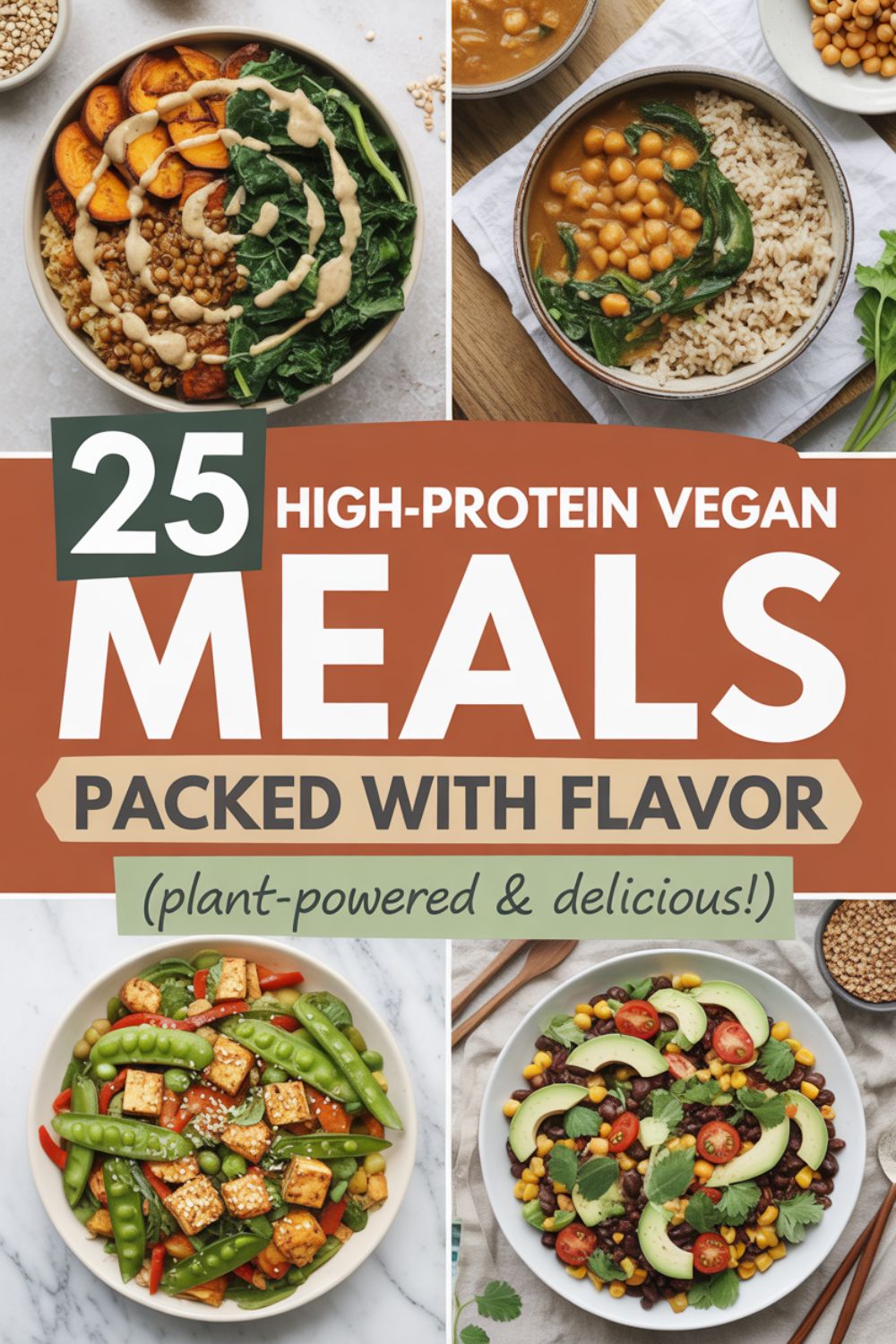
25 High-Protein Vegan Meals Packed With Flavor
Look, I get it. The moment someone hears “vegan” and “high-protein” in the same sentence, eyes start rolling. There’s this weird assumption that plant-based eating means surviving on rabbit food and feeling perpetually hungry by 3 PM. But here’s the thing—vegan meals can pack more protein than you’d expect, and they can taste absolutely incredible while doing it.
I’ve spent years experimenting in the kitchen, and what I’ve learned is that plant protein isn’t some mystical unicorn you need to chase down. It’s everywhere—in your pantry staples, in those humble beans you’ve been ignoring, and yes, even in foods that don’t taste like cardboard. Whether you’re fully plant-based, trying to cut back on meat, or just curious about adding more variety to your plate, these 25 meals prove you don’t need to sacrifice flavor for nutrition.
What makes these recipes different? They’re built around ingredients that actually deliver protein without requiring you to eat your body weight in chickpeas. We’re talking complete amino acid profiles, satisfying textures, and flavors that’ll make you forget you’re eating “healthy.” No bland tofu cubes here—just real food that happens to be plant-based and protein-packed.
Why Vegan Protein Actually Works
Before we jump into the recipes, let’s address the elephant in the room. Can you really get enough protein from plants? Short answer: absolutely. According to research on plant-based protein sources, it’s entirely possible to meet protein needs through varied plant foods that include legumes, nuts, seeds, and whole grains.
The key word here is “varied.” Your body needs nine essential amino acids it can’t produce on its own, and while individual plant foods might not contain all of them in perfect proportions, combining different sources throughout the day gets the job done. Think beans with rice, hummus with whole grain pita, or peanut butter on wheat toast—these aren’t just tasty combinations, they’re protein-complete partnerships.
Here’s what most people don’t realize: protein quality matters just as much as quantity. A study published in the National Institutes of Health found that protein-rich foods like legumes, nuts, and seeds provide sufficient protein for adults when consumed as part of a balanced diet. The trick is knowing which plant foods pack the biggest protein punch and how to prepare them so they actually taste good.
The Plant Protein Powerhouses You Need to Know
Not all plant proteins are created equal, and knowing which ones deliver the most bang for your buck makes meal planning infinitely easier. Lentils clock in at about 18 grams of protein per cooked cup, making them one of the most efficient protein sources out there. They’re also ridiculously cheap and cook faster than dried beans—what’s not to love?
Tofu and tempeh are the dynamic duo of plant protein. A quarter block of tofu gives you around 15 grams of protein, while tempeh—which is fermented and has a nuttier flavor—packs even more. I use this tofu press to squeeze out excess water before cooking, and honestly, it’s been a game-changer for getting that crispy texture everyone craves.
Then there’s seitan, which might be the most underrated protein on this list. Made from wheat gluten, it contains about 25 grams of protein per 3.5-ounce serving and has a chewy, meat-like texture that works brilliantly in stir-fries and sandwiches. Just watch out if you’re gluten-sensitive—this one’s not for you.
Quinoa deserves special mention because it’s one of the few plant foods that’s a complete protein all on its own. It’s got all nine essential amino acids, plus it cooks up fluffy and mild, making it the perfect base for grain bowls. I cook big batches in this rice cooker at the start of the week and use it for everything from breakfast porridge to dinner sides.
For more ideas on incorporating these protein sources into your daily routine, check out these high-protein breakfast ideas that’ll keep you satisfied until lunch.
25 High-Protein Vegan Meals That Actually Deliver
1. Lentil Bolognese with Whole Wheat Pasta
This might be my favorite way to use lentils, hands down. You get 20+ grams of protein per serving, and the lentils absorb all those rich tomato and herb flavors beautifully. Cook them low and slow with crushed tomatoes, garlic, oregano, and a splash of red wine if you’re feeling fancy. The texture mimics ground meat so well that even my meat-loving friends go back for seconds.
The secret? Don’t overcook the lentils into mush. You want them tender but still holding their shape. I simmer mine for about 25 minutes, then let the sauce sit for another 10 minutes off the heat. Get Full Recipe
2. Crispy Tempeh Buddha Bowl
Buddha bowls get a bad rap for being Instagram bait with zero substance, but this one’s legit satisfying. Tempeh provides 19 grams of protein in a single serving, and when you marinate it in soy sauce, rice vinegar, and maple syrup before pan-frying, it develops this incredible caramelized crust.
Layer it over quinoa with roasted sweet potatoes, massaged kale, avocado, and a tahini-lemon dressing. The combination of textures—crispy tempeh, creamy avocado, chewy quinoa—makes every bite interesting. I prep the components on Sunday and assemble them throughout the week for lunch.
🔥 Limited Time: Complete Vegan Protein Bundle
Everything you need to master high-protein plant-based cooking. Get instant access to our most popular meal plans, recipe guides, and shopping lists.
- 7-Day High-Protein Vegetarian Meal Plan
- 21-Day Meal Prep Challenge with Printable Guide
- 100+ Vegan Protein Recipes eBook
- Weekly Grocery Lists & Prep Schedules
- Bonus: Kitchen Tools Checklist
Get the Complete Bundle
3. Chickpea “Chicken” Salad
This recipe converted me to the church of mashed chickpeas. You mash them roughly—not into hummus, just enough to break them down—then mix with vegan mayo, diced celery, red onion, dill, and a squeeze of lemon. Each serving delivers about 12 grams of protein, and the texture is spookily similar to traditional chicken salad.
I spread it on toasted whole grain bread or stuff it into pita pockets with lettuce and tomato. The trick is not over-mashing—you want some whole chickpea pieces for texture. A good potato masher gets the consistency just right without turning it into paste.
4. Black Bean and Sweet Potato Enchiladas
Enchiladas don’t have to be a weekend project. This version comes together in about 30 minutes and packs 15 grams of protein per serving. Mix mashed sweet potato with black beans, cumin, chili powder, and a bit of salsa, then roll it all up in corn tortillas and smother with enchilada sauce.
The sweet potato adds creaminess and natural sweetness that balances the smoky spices perfectly. Top with cashew cream instead of cheese—blend soaked cashews with nutritional yeast, garlic powder, and lemon juice until smooth. Trust me, it’s ridiculously good.
5. Thai Peanut Tofu Stir-Fry
Stir-fries are weeknight saviors, and this one brings 22 grams of protein to your plate without breaking a sweat. Press your tofu for at least 15 minutes—seriously, don’t skip this step—then cube it and toss with cornstarch before pan-frying until crispy.
The peanut sauce is dead simple: peanut butter, soy sauce, rice vinegar, maple syrup, lime juice, and a splash of sriracha. Toss with whatever vegetables you’ve got (bell peppers, broccoli, snap peas all work great) and serve over rice or rice noodles. It’s the kind of meal that tastes like takeout but costs a fraction of the price and actually fills you up. For more inspiration, these high-protein lunch ideas for busy workdays are absolute lifesavers.
6. Quinoa and Black Bean Stuffed Peppers
Stuffed peppers feel fancy but require minimal effort. Cut bell peppers in half, remove the seeds, and fill them with a mixture of cooked quinoa, black beans, corn, diced tomatoes, cumin, and chili powder. Each stuffed pepper half has about 14 grams of protein.
Bake at 375°F for about 30 minutes until the peppers are tender. The quinoa gets slightly crispy on top while staying fluffy inside, and the peppers soften into sweet, tender vessels. Top with avocado and cilantro before serving. I make these in this glass baking dish because it heats evenly and looks nice enough to serve straight from the oven.
7. Seitan Philly Cheesesteak
This sandwich is proof that vegan food doesn’t mean deprivation. Thinly slice seitan and sauté with bell peppers and onions until everything’s caramelized and gorgeous. You’re looking at 25 grams of protein in one sandwich, which is more than many meat-based versions.
The “cheese” sauce is made from blended cashews, nutritional yeast, garlic, and a bit of lemon juice—it gets creamy and tangy and tastes nothing like sadness. Pile everything onto a toasted hoagie roll and try not to make a complete mess while eating it. It’s impossible, but the mess is worth it.
7-Day High-Protein Vegetarian Meal Plan
Plant-powered meals that keep you full and energized. Includes breakfast, lunch, dinner, and snacks. Printable PDF with grocery lists.
Download Now8. Spicy Lentil and Spinach Curry
Curry night is sacred in my house, and this lentil version never disappoints. Red lentils break down into a thick, creamy sauce that clings to every grain of rice. With 17 grams of protein per serving, it’s as nourishing as it is delicious.
Start with a base of sautéed onions, garlic, and ginger, then add curry powder, turmeric, cumin, and cayenne. Stir in red lentils and coconut milk, simmer until the lentils are soft, then fold in fresh spinach at the end. The spinach wilts into the curry, adding color and iron. Serve over basmati rice with a squeeze of lime. Get Full Recipe
If you’re looking for similar comfort food that’s been made healthy, these high-protein comfort foods are right up your alley.
9. Mediterranean Chickpea Bowls
This bowl is basically summer on a plate—bright, fresh, and completely satisfying. Roast chickpeas with olive oil, cumin, paprika, and garlic powder until crispy. Combined with quinoa, you’re getting about 18 grams of protein, plus all the healthy fats from tahini and olive oil.
Build your bowl with quinoa, crispy chickpeas, cucumber, cherry tomatoes, kalamata olives, red onion, and fresh parsley. Drizzle with lemon-tahini dressing and add a dollop of hummus. It’s the kind of meal that makes you feel virtuous without tasting like punishment.
10. Vegan Protein Power Chili
Chili is the ultimate make-ahead meal, and this version is loaded with three types of beans for maximum protein—kidney beans, black beans, and pinto beans. Each bowl provides around 20 grams of protein, and it gets better every time you reheat it.
The secret to deep, rich flavor? Cocoa powder. Just a tablespoon adds complexity without making it taste like chocolate. Simmer with crushed tomatoes, chili powder, cumin, smoked paprika, and a bay leaf. Let it bubble away for at least an hour if you’ve got the time. I make huge batches in my cast iron Dutch oven and freeze individual portions for those nights when cooking feels impossible.
11. Tofu Scramble with Vegetables
Who says breakfast can’t be high-protein? This tofu scramble rivals eggs in every way and delivers 16 grams of protein per serving. Crumble firm tofu and sauté with turmeric (for color), nutritional yeast (for that eggy flavor), and black salt if you can find it—it adds a sulfurous note that mimics eggs surprisingly well.
Add whatever vegetables you like—bell peppers, mushrooms, spinach, tomatoes all work beautifully. The tofu soaks up flavors like a sponge, so don’t be shy with the seasonings. Serve with whole grain toast and avocado for a breakfast that’ll keep you full until lunch. For even more morning protein ideas, these 30 high-protein breakfast ideas will keep things interesting.
12. Peanut Tempeh Lettuce Wraps
These wraps are dangerously addictive and surprisingly protein-dense at 19 grams per serving. Crumble tempeh and sauté with garlic, ginger, and a sweet-spicy peanut sauce made from peanut butter, soy sauce, rice vinegar, and chili paste.
Spoon the mixture into crisp lettuce cups—butter lettuce or romaine work great—and top with shredded carrots, cilantro, chopped peanuts, and a squeeze of lime. The contrast between the warm, savory filling and cold, crunchy lettuce is chef’s kiss. Plus, eating with your hands makes dinner feel more fun.
13. High-Protein Veggie Burgers
Most veggie burgers fall apart or taste like mushy vegetables, but not these. The secret is using a combination of black beans, walnuts, and oats as the base, which creates a patty that holds together and has real substance. Each burger packs 15 grams of protein.
Pulse everything in a food processor until it comes together but still has texture—you don’t want a paste. Form into patties and either pan-fry or bake until crispy on the outside. I use this burger press to get perfectly uniform patties every time. Serve on whole grain buns with all your favorite toppings. These freeze beautifully too, so make a big batch and stash them for later.
14. White Bean and Kale Soup
This soup is pure comfort in a bowl, especially on cold nights. White beans—cannellini or great northern—provide 14 grams of protein per serving, and they create the most velvety broth when they break down slightly during cooking.
Sauté onions, carrots, and celery until soft, add vegetable broth, white beans, chopped kale, thyme, and a bay leaf. Let it simmer until the kale is tender and the flavors have melded. Finish with a drizzle of good olive oil and a squeeze of lemon juice. The acidity brightens everything up. I always have a container of this in my fridge because it reheats perfectly and actually tastes better the next day. Get Full Recipe
15. Edamame Fried Rice
Fried rice is already a weeknight hero, but adding edamame turns it into a protein powerhouse with 18 grams per serving. Use day-old rice if possible—freshly cooked rice gets gummy when fried, while cold rice stays separate and gets those crispy edges.
Toss with frozen edamame, diced carrots, peas, green onions, and scrambled tofu if you want even more protein. Season with soy sauce, sesame oil, and a pinch of white pepper. The key to great fried rice is high heat and not stirring constantly—let it sit and develop that delicious char. When I’m making this, I swear by this carbon steel wok because it gets screaming hot and distributes heat evenly.
Speaking of complete meals, these meal prep ideas will set you up for success all week long.
16. Smoky BBQ Jackfruit Sandwiches
Okay, full disclosure: jackfruit isn’t particularly high in protein on its own, but paired with a side of white beans or a protein-packed coleslaw, this sandwich becomes a complete meal with about 14 grams of protein. The texture of shredded jackfruit is eerily similar to pulled pork.
Drain canned young jackfruit, shred it with forks, then simmer in your favorite BBQ sauce until it’s absorbed all those smoky, tangy flavors. Pile it high on whole grain buns with crunchy coleslaw. The jackfruit itself is mild, so it’s all about the sauce—don’t skimp on it.
17. Lentil Walnut Tacos
These tacos fooled my dad, who’s a die-hard meat-and-potatoes guy. That’s how good they are. The combination of cooked lentils and chopped walnuts creates a ground-meat texture that’s scary accurate. You’re getting 16 grams of protein per serving, which is more than respectable.
Cook green or brown lentils until tender, then mix with finely chopped walnuts and taco seasoning. The walnuts add healthy fats and this rich, almost meaty flavor. Load into corn or flour tortillas with all your favorite taco fixings—lettuce, tomatoes, avocado, salsa, cashew cream. These are the tacos that prove plant-based eating doesn’t mean sacrifice.
18. Quinoa Breakfast Porridge
Who says quinoa is only for savory meals? This breakfast porridge is a revelation, providing 12 grams of protein before you even get to work. Cook quinoa in almond milk with cinnamon, vanilla, and a touch of maple syrup until it’s soft and slightly creamy.
Top with almond butter, sliced bananas, berries, and a sprinkle of hemp seeds for extra protein. It’s warm, comforting, and keeps you full way longer than sugary cereal ever could. I prep this in these glass meal prep containers on Sunday nights, and it reheats perfectly in the microwave all week.
19. Spicy Black Bean Burrito Bowls
Burrito bowls are infinitely customizable, which makes them perfect for using whatever you’ve got in the fridge. The base is brown rice and seasoned black beans, which together provide 17 grams of protein before you even add toppings.
Cook your black beans with cumin, chili powder, garlic, and a bit of lime juice until they’re creamy and flavorful. Layer over rice with corn, diced tomatoes, shredded lettuce, avocado, and a dollop of cashew cream. The beauty of bowls is that every bite is different depending on what you scoop up. For more bowl inspiration, check out these high-protein dinner ideas that won’t leave you hungry.
20. Curried Chickpea Salad Wraps
This is another variation on mashed chickpeas, but the curry powder takes it in a completely different direction from the dill version. Each wrap provides 14 grams of protein, and the curry adds warmth and complexity that makes this feel special.
Mash chickpeas with vegan mayo, curry powder, diced apple, raisins, and chopped celery. The apple adds crunch and sweetness that plays beautifully with the curry spices. Wrap it up in a whole wheat tortilla with spinach or arugula. It’s the kind of lunch that doesn’t feel like you’re “being good”—it just tastes good.
21. Tempeh Bacon BLT
Listen, I won’t claim this tastes exactly like bacon—nothing plant-based really does. But it’s delicious in its own right and adds 19 grams of protein to what would otherwise be a pretty light sandwich. Slice tempeh paper-thin, marinate in soy sauce, maple syrup, liquid smoke, and smoked paprika, then pan-fry until crispy.
Stack on toasted whole grain bread with lettuce, tomato, and vegan mayo. The tempeh gets crispy and smoky with sweet-salty-umami notes that make the sandwich feel indulgent. I use this mandoline slicer to get the tempeh uniformly thin, which helps it crisp up evenly.
22. Protein-Packed Green Smoothie Bowl
Smoothie bowls can be Instagram fluff or they can be legitimately filling—this one is the latter. Blend frozen banana, spinach, plant protein powder, almond butter, and almond milk until thick and creamy. With the protein powder and nut butter, you’re looking at 20+ grams of protein.
The key is keeping it thick enough to eat with a spoon. Use minimal liquid and make sure your banana is frozen solid. Pour into a bowl and top with granola, hemp seeds, sliced fruit, and a drizzle of almond butter. It feels like dessert but keeps you full for hours. If you want more smoothie ideas, these high-protein smoothies for muscle gain are next-level.
23. Mushroom and Lentil Shepherd’s Pie
This shepherd’s pie is the ultimate comfort food, reimagined without any animal products. The filling is a hearty mix of cooked lentils, sautéed mushrooms, carrots, peas, and onions in a rich gravy. Each serving delivers 18 grams of protein, and it’s the kind of meal that makes everyone at the table happy.
Top with mashed potatoes—make them extra creamy with plant milk and vegan butter—and bake until golden and bubbling. The mushrooms add an umami depth that makes this taste incredibly savory and satisfying. I use this cast iron skillet to make it, which goes straight from stovetop to oven and looks rustic and beautiful on the table. Get Full Recipe
24. Sesame Ginger Tofu and Broccoli
This is the meal I make when I need something fast, healthy, and actually tasty. Press your tofu, cube it, toss with cornstarch, and pan-fry until golden. Meanwhile, steam broccoli until just tender. Combined, you’re getting about 20 grams of protein.
The sauce is where the magic happens: soy sauce, rice vinegar, maple syrup, sesame oil, fresh ginger, and garlic. Toss everything together and let it simmer for a minute so the sauce thickens and coats every piece. Serve over brown rice or rice noodles. Sprinkle with sesame seeds and sliced green onions. It’s the kind of meal that feels wholesome without being boring.
🎯 Best for Beginners: Plant-Based Protein Starter Kit
New to vegan protein? This bundle includes everything you need to get started with confidence and see real results fast.
- 14-Day High-Protein Weight Loss Plan
- Beginner’s Guide to Plant-Based Protein
- 50 Quick & Easy High-Protein Recipes
- Pantry Essentials Shopping List
- Video Tutorial: Tofu & Tempeh Prep 101
Start Your Journey Today
25. High-Protein Vegan Lasagna
Lasagna seems intimidating, but it’s really just assembly work. This version layers whole wheat lasagna noodles with a tofu-cashew ricotta, lentil marinara sauce, and wilted spinach. Each slice gives you a whopping 22 grams of protein, and it feeds a crowd or gives you leftovers for days.
The tofu ricotta is stupid simple—blend firm tofu with soaked cashews, nutritional yeast, lemon juice, garlic, and Italian herbs until creamy. Layer everything in a baking dish, top with more marinara, and bake until bubbly. The hardest part is waiting for it to cool slightly before diving in. Seriously, let it rest for 10 minutes or you’ll burn the roof of your mouth. I’ve learned this lesson the hard way.
30-Day High-Protein Transformation Plan
Complete system with meal plans, workout guides, and progress trackers. Everything you need for a total body transformation. Full PDF bundle.
Start Your TransformationFor anyone diving deeper into plant-based eating, these high-protein vegetarian meals are so good that even meat lovers request them.
Making Meal Prep Work for You
Here’s the truth nobody tells you about high-protein vegan eating: it works best when you plan ahead. Not in an obsessive meal-prep-your-entire-life way, but in a “make your weeknights easier” way. IMO, the secret is batch cooking the protein sources on Sunday and assembling meals throughout the week.
Cook a big pot of lentils or quinoa, press and marinate a couple blocks of tofu, roast a sheet pan of chickpeas, and chop your vegetables. Store everything in separate containers, and suddenly you can throw together a high-protein bowl, wrap, or stir-fry in under 15 minutes. That’s dinner faster than most takeout delivery times.
The tools matter too. Good glass storage containers with tight-fitting lids keep everything fresh and make it easy to see what you’ve got. A decent chef’s knife speeds up vegetable prep exponentially. And if you haven’t invested in a high-powered blender yet, it’s worth saving up for—smoothies, sauces, and cashew cream all become infinitely easier.
💎 Premium: 30-Day Transformation System
Our most comprehensive program for serious results. Transform your body and relationship with food in just one month.
- 30-Day High-Protein Meal Plan (Breakfast, Lunch, Dinner, Snacks)
- Complete Workout Program (No Gym Required)
- Daily Habit Tracker & Progress Journal
- Private Community Access for Support
- Bonus: 20 High-Protein Smoothie Recipes
- Lifetime Access + Future Updates
Transform Your Life Now
Need a structured approach? These printable meal plans take all the guesswork out of planning and shopping.
Common Mistakes to Avoid
Let’s talk about what not to do, because I’ve made every mistake in the book. First mistake: thinking all tofu is created equal. Silken tofu and firm tofu are completely different animals. Silken is for smoothies and desserts, firm or extra-firm is for everything else. Using the wrong one will result in a sad, crumbly mess.
Second mistake: not seasoning your plant proteins enough. Tofu, tempeh, and beans are blank canvases—they need bold flavors. Don’t be shy with garlic, spices, soy sauce, and acids like lemon juice or vinegar. Under-seasoned vegan food is why people think plant-based eating is bland.
Third mistake: relying too heavily on processed vegan products. Yeah, those fake meats and cheese are convenient, but they’re often loaded with sodium and don’t provide much protein for the calories. Use them occasionally, but build most meals around whole food protein sources like beans, lentils, tofu, and tempeh.
Fourth mistake: not eating enough variety. If you eat the same three meals on repeat, you’ll get bored fast and potentially miss out on important nutrients. Rotate through different protein sources and try new recipes regularly. Your taste buds and your body will thank you. That’s where resources like these 40 meal prep ideas become invaluable—they give you options without the decision fatigue.
14-Day High-Protein Weight Loss Plan
Complete meal plans, shopping lists, and prep guides. Everything you need to lose weight while staying satisfied. Instant PDF download.
Get Instant AccessFlavor Boosters That Make Everything Better
Some ingredients are absolute game-changers for vegan cooking. Nutritional yeast tops the list—it’s got a cheesy, nutty flavor that makes everything from popcorn to pasta better. I go through a container of this stuff every month.
Tahini is another must-have. Beyond hummus, it makes incredible salad dressings, sauces, and even works in baked goods. Mixed with lemon juice, garlic, and a bit of water, it becomes a versatile drizzle for pretty much everything. I keep this brand of tahini on hand because it’s smooth, not bitter, and incredibly versatile.
Miso paste adds instant umami depth to soups, marinades, and dressings. A tablespoon of white miso dissolved in hot water makes a quick, savory broth. Red miso is more intense and works great in heartier dishes. Either way, a jar lasts forever in the fridge and elevates so many recipes.
Smoked paprika and liquid smoke bring that smoky, almost-bacon flavor to plant-based dishes. Use them in marinades for tempeh or tofu, add them to bean dishes, or sprinkle over roasted vegetables. The transformation is real.
Get Weekly Meal Prep Plans in Your Pocket
Join 10,000+ home cooks in our WhatsApp channel. Get Sunday prep checklists, shopping lists, and time-saving kitchen hacks every week. It’s like having a meal prep buddy on speed dial.
Join the Community NowRelated Recipes You’ll Love
Frequently Asked Questions
Can you really build muscle on a vegan diet?
Absolutely. Your muscles don’t care whether protein comes from animals or plants—they care about getting enough quality protein and essential amino acids. Athletes and bodybuilders thrive on plant-based diets by focusing on varied protein sources like legumes, tofu, tempeh, seitan, and quinoa. The key is eating enough calories and protein throughout the day, which is totally doable with proper planning.
How much protein do vegans actually need per day?
Most adults need 0.8 to 1.0 gram of protein per kilogram of body weight, though active individuals or those building muscle might aim for 1.2 to 2.0 grams per kilogram. For a 150-pound person, that’s roughly 55-70 grams daily for maintenance, or up to 135 grams for serious training. It sounds like a lot, but spreading it across three meals and a snack makes it surprisingly achievable with the recipes above.
What’s the cheapest high-protein vegan food?
Dried beans and lentils win this category hands down. A one-pound bag costs a couple bucks and yields multiple high-protein meals. Peanut butter is another budget champion—it’s protein-dense, shelf-stable, and ridiculously versatile. Canned chickpeas, frozen edamame, and tofu are also affordable options that deliver serious protein without destroying your grocery budget.
Do I need to take protein powder as a vegan?
Not necessarily. Protein powder is convenient for smoothies and quick meals, but it’s not required if you’re eating a varied diet with plenty of whole food protein sources. That said, a quality plant protein powder can be helpful on busy mornings or post-workout. Just don’t rely on it as your primary protein source—real food should always come first.
Will I feel hungry all the time on high-protein vegan meals?
If you’re doing it right, absolutely not. Protein is incredibly satiating, and when you combine it with fiber-rich plant foods and healthy fats from nuts and avocados, you’ll stay full for hours. The mistake people make is eating too little or relying on low-protein processed foods. Focus on the meals above, eat until satisfied, and hunger won’t be an issue.
Your Plant-Based Protein Journey Starts Here
So there you have it—25 high-protein vegan meals that prove plant-based eating doesn’t mean sacrificing flavor, satisfaction, or your protein goals. Whether you’re transitioning to a fully vegan diet or just trying to incorporate more meatless meals, these recipes give you a solid foundation to build from.
The beauty of plant-based protein is that it comes packaged with fiber, vitamins, minerals, and phytonutrients you won’t find in meat. You’re not just meeting protein targets—you’re nourishing your body with a wide spectrum of nutrients that support overall health. Plus, once you get the hang of seasoning and preparing plant proteins, the possibilities are genuinely endless.
Want Daily High-Protein Recipe Ideas?
Join our WhatsApp community for exclusive meal prep tips, quick recipe hacks, and weekly grocery lists delivered straight to your phone. No spam, just real food advice from real people.
Join WhatsApp CommunityStart with a few recipes that sound appealing, stock your pantry with the basics, and give yourself permission to experiment. Not every meal will be perfect, and that’s fine. The point is to find what works for your taste buds, your schedule, and your lifestyle. FYI, my own journey started with just one or two vegan dinners per week, and it grew from there naturally because the food actually tasted good.
Don’t overthink it. Pick a recipe, grab your ingredients, and get cooking. Your body—and honestly, your taste buds—will thank you for it.