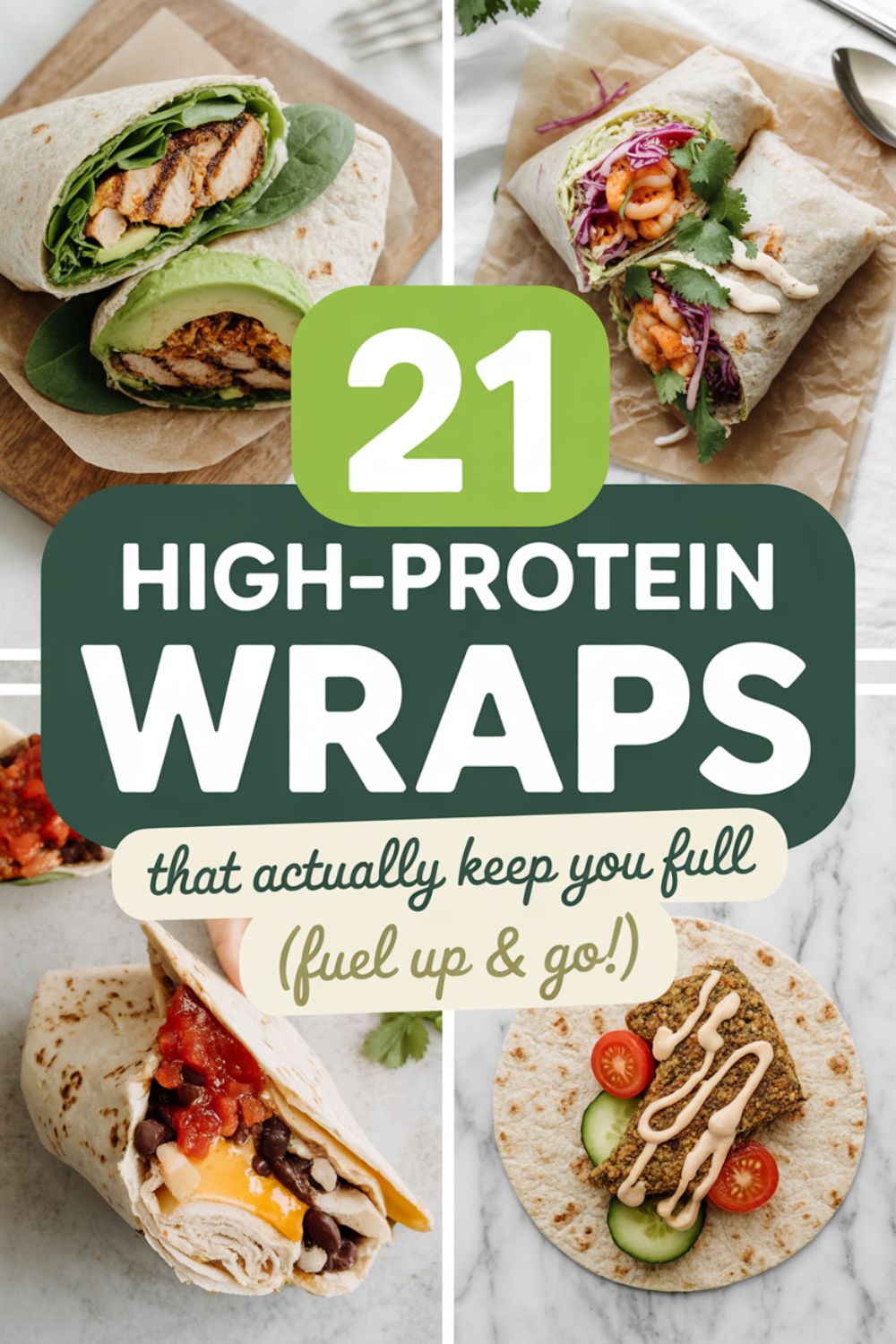
21 High-Protein Wraps That Actually Keep You Full
Look, I’m going to level with you right off the bat. Most wraps are carb bombs disguised as health food, leaving you ravenous an hour after lunch. But when you build them right, wraps can pack serious protein and actually keep you satisfied until dinner. I’ve spent the better part of two years figuring out which combinations work and which ones are just Instagram bait.
The secret isn’t just tossing some chicken in a tortilla and calling it a day. It’s about choosing the right base, layering in complementary proteins, and knowing which ingredients pull double duty for both flavor and nutrition. These 21 wraps range from 20 to 50 grams of protein each, and I’ve personally tested every single combination to make sure they deliver on the fullness factor.
Mission Carb Balance Tortillas
Why we love it: These tortillas pack 5g protein and 15g fiber per wrap with only 3g net carbs. They actually hold together (unlike some low-carb tortillas that disintegrate), taste like real tortillas, and don’t have that weird cardboard texture. Perfect for meal prep—they don’t crack when cold.
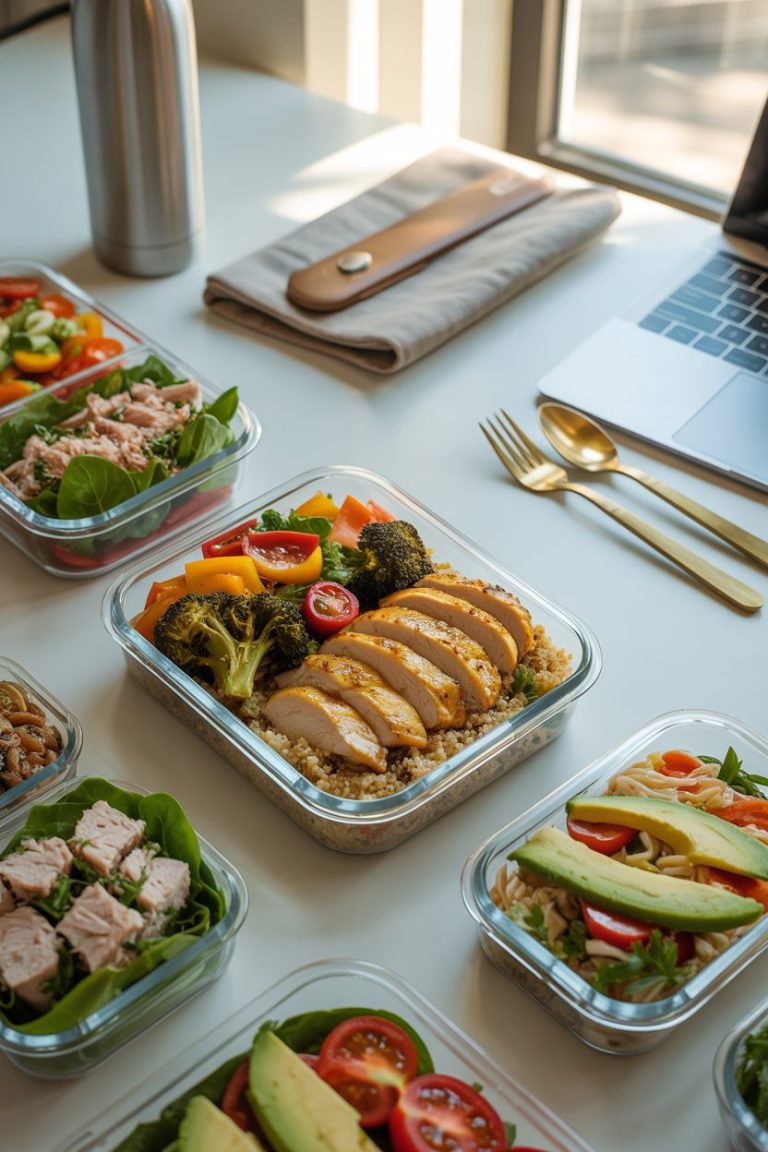
Whether you’re meal prepping for the week or need something quick between meetings, these recipes hit that sweet spot between convenient and actually nutritious. No sad desk lunches here.
Why Protein Wraps Actually Work (When Done Right)
Here’s the deal with protein and satiety. According to Mayo Clinic Health System, adults need anywhere from 0.8 to 1.7 grams of protein per kilogram of body weight, depending on activity level. That’s roughly 15-30 grams per meal to optimize muscle maintenance and keep hunger at bay.
Most standard wraps barely crack 10 grams of protein. They’re essentially vehicles for carbs with a token amount of meat thrown in. The wraps I’m about to share start at 20 grams minimum, with many pushing past 30-40 grams. That’s enough to trigger actual satiety hormones and stabilize your blood sugar instead of sending it on a rollercoaster ride.
The protein isn’t the only player here though. When you pair it with fiber from vegetables and whole grains, you’re creating what I call a “fullness fortress.” Your body has to work harder to break everything down, which means sustained energy instead of that 2 PM crash everyone complains about.
Get daily high-protein meal ideas, prep tips, and exclusive recipes delivered straight to your phone. Join 10,000+ members who’ve transformed their meal planning. Click here to join free
The Foundation: Choosing Your Wrap Base
Your wrap choice matters more than you’d think. Regular flour tortillas average 2-4 grams of protein, while high-protein versions pack 10-15 grams before you even add fillings. I typically grab Food For Life protein tortillas from Whole Foods, but Hero Bread and Siete Family Foods make solid alternatives if you’re watching carbs.
For lower-carb folks, lettuce wraps work surprisingly well. Yeah, they’re messier and you’ll need more than one, but a large piece of butter lettuce or romaine gives you that satisfying crunch without the carb load. Swiss chard works too if you want something sturdier that won’t tear halfway through assembly.
FYI, those protein wraps usually contain added fiber from sources like flax, pea protein, or whole grains. That’s why they keep you full longer compared to regular tortillas. The fiber slows digestion and prevents blood sugar spikes, which means no energy crashes an hour after eating.
21 High-Protein Wrap Combinations That Deliver
1. Classic Grilled Chicken Caesar Wrap
This one’s straightforward but effective. Six ounces of grilled chicken breast, romaine lettuce, parmesan cheese, and a lighter Caesar dressing. I use Primal Kitchen Caesar because it doesn’t taste like mayo regret. Total protein: around 45 grams.
The trick here is slicing the chicken thin so you get protein in every bite instead of awkward chunks. I also add extra parmesan because why not. Get Full Recipe.
2. Buffalo Chicken Wrap with Blue Cheese
Leftover rotisserie chicken makes this stupidly easy. Shred the chicken, toss it with buffalo sauce (I prefer Frank’s RedHot), add shredded carrots, celery, and blue cheese crumbles. The vegetables add crunch and the blue cheese provides additional protein plus that tangy bite that makes buffalo chicken actually interesting.
This wrap hits about 35 grams of protein and satisfies that spicy-food craving without ordering wings. Get Full Recipe.
3. Mediterranean Hummus Veggie Wrap
Plant-based protein doesn’t have to be boring. Spread a thick layer of hummus (the thicker, the better), add cucumber, tomatoes, red onion, feta cheese, and a handful of spinach. The combination of chickpea-based hummus and feta gives you about 18-20 grams of protein.
To boost it higher, I sometimes add white beans or grilled tempeh. The beans blend in texture-wise and pump the protein to 25+ grams. Speaking of plant-based protein, if you’re curious about more vegetarian options, check out these high-protein vegetarian meals that even my carnivore friends actually enjoy.
4. Thai Peanut Chicken Wrap
This one’s inspired by those lettuce wraps you get at Thai restaurants, but way more filling. Shredded chicken, julienned carrots, cabbage, cucumber, mint, cilantro, and a peanut sauce made with PB2 powdered peanut butter mixed with soy sauce and lime juice.
The peanut sauce adds extra protein while keeping calories reasonable. Total protein runs around 32 grams, and the fresh herbs make it taste way fancier than the five minutes it takes to assemble. Get Full Recipe.
5. Egg White Breakfast Wrap with Spinach and Feta
My go-to when I’m rushing out the door. Scramble 4-5 egg whites with fresh spinach, crumbled feta, and sun-dried tomatoes. The egg whites alone give you about 20 grams of protein, and the feta adds another 6-8 grams.
I cook everything in this non-stick skillet that makes cleanup a breeze. No one wants to scrub egg residue before coffee. This is basically a cleaner version of the Starbucks wrap, but with more protein and less sodium. Get Full Recipe.
For more breakfast inspiration that’ll keep you powered through morning meetings, these high-protein breakfast ideas are worth checking out.
6. Tuna Salad Wrap with Avocado
One can of tuna packed in water mixed with mashed avocado instead of mayo. Add diced celery, red onion, lemon juice, and lettuce. The avocado makes it creamy without the extra calories from mayo, and you’re looking at 30+ grams of protein.
Skip the cheap tuna and go for Wild Planet if you can find it. The texture and taste are noticeably better, and there’s less of that metallic fish flavor some brands have.
7. Turkey and Swiss with Honey Mustard
Sometimes simple wins. Deli turkey, Swiss cheese, lettuce, tomato, and a smear of honey mustard. Use 4-6 slices of turkey to hit that 25-30 gram protein target. I know it sounds basic, but when you’re tired and hungry, basic delivers.
The key is buying decent deli meat. Applegate Naturals or similar brands that don’t taste like sodium blocks. Add some sprouts if you’re feeling ambitious.
8. Beef and Black Bean Southwest Wrap
Ground beef (93% lean), black beans, corn, salsa, a small amount of cheese, and Greek yogurt instead of sour cream. The combination of beef and beans delivers about 35 grams of protein plus fiber that makes this exceptionally filling.
I cook the beef with cumin, chili powder, and garlic for actual flavor. Don’t just brown meat and call it seasoned. That’s sad. Get Full Recipe.
9. Salmon Avocado Wrap with Cucumber
Canned salmon (don’t knock it), mashed avocado, cucumber ribbons, capers, and dill. It’s like a lighter, protein-packed version of lox and bagels. Salmon provides about 25-30 grams of protein depending on the portion size.
If you’re feeling fancy, use smoked salmon instead. The Trader Joe’s smoked salmon is surprisingly good for the price point.
10. Greek Chicken Wrap with Tzatziki
Grilled chicken seasoned with oregano and lemon, cucumber, tomato, red onion, feta, and a generous amount of tzatziki sauce. Make your own tzatziki with Greek yogurt, grated cucumber, garlic, and dill for extra protein.
Greek yogurt-based tzatziki adds another 8-10 grams of protein on top of the chicken. Total protein: 40+ grams. Get Full Recipe.
Dash Rapid Egg Cooker
Why it’s essential: This tiny gadget changed my meal prep game. Makes perfect hard-boiled, soft-boiled, or poached eggs with zero effort. Just add water, press the button, and walk away. No more overcooked rubbery eggs or underdone centers. Cooks up to 6 eggs at once and costs less than two takeout lunches.
11. BBQ Chicken Wrap with Coleslaw
Shredded chicken mixed with sugar-free BBQ sauce, topped with coleslaw made from cabbage, carrots, and a Greek yogurt-based dressing. The coleslaw adds crunch and the yogurt dressing bumps up the protein without extra calories from mayo.
This wrap delivers around 32 grams of protein and satisfies that BBQ craving without the heavy feeling from traditional BBQ plates.
12. Shrimp Lettuce Wrap with Mango Salsa
Grilled shrimp, butter lettuce, mango salsa (mango, red onion, jalapeño, lime), and sliced avocado. Shrimp is one of the leanest protein sources at about 20 grams of protein per 3-ounce serving.
The mango adds sweetness that balances the jalapeño heat. If shrimp isn’t your thing, swap in grilled fish or chicken. I sometimes use pre-cooked frozen shrimp when I’m being lazy. Just thaw and toss with some lime juice.
If you’re into quick seafood options, you might like these high-protein lunches for busy workdays that include several fish-based ideas.
13. Tofu Banh Mi Wrap
Pressed and marinated tofu, pickled carrots and daikon, cucumber, cilantro, jalapeño, and sriracha mayo. The tofu provides about 15-20 grams of protein, and if you use a high-protein wrap, you’re pushing 25-30 grams total.
Press the tofu properly with a tofu press or heavy books. Soggy tofu is nobody’s friend. The pickled vegetables add that essential tangy crunch that makes banh mi sandwiches addictive.
14. Steak Fajita Wrap with Peppers and Onions
Sliced flank steak, sautéed bell peppers and onions, a little cheese, and Greek yogurt. Four ounces of steak gives you about 30 grams of protein, and the vegetables add volume without many calories.
Slice the steak against the grain so it’s tender. I learned this the hard way after making chewy fajitas for months like an idiot. Get Full Recipe.
15. Pesto Chicken Wrap with Sun-Dried Tomatoes
Grilled chicken, homemade pesto (or store-bought if you’re crunched), sun-dried tomatoes, mozzarella, and arugula. The pesto adds flavor without drowning the wrap in sauce, and you’re hitting around 38 grams of protein.
Sun-dried tomatoes packed in oil are worth the splurge. The oil-free ones taste like cardboard. Get Full Recipe.
16. Egg Salad Wrap with Bacon Bits
Hard-boiled eggs mashed with Greek yogurt and mustard, turkey bacon bits, lettuce, and tomato. Four eggs give you about 24 grams of protein, and the Greek yogurt adds another 8-10 grams.
I make hard-boiled eggs in batches using an egg cooker that takes the guesswork out. Perfectly cooked eggs every time without watching a pot boil.
Our WhatsApp channel delivers fresh high-protein recipes every week, meal prep hacks, and shopping lists. It’s like having a nutrition coach in your pocket—completely free. Join the community here
17. Honey Mustard Chicken Wrap with Apples
This sweet-savory combo is weirdly addictive. Grilled chicken, thinly sliced apples, spinach, walnuts, and honey mustard dressing. The apples add crunch and slight sweetness that balances the mustard’s tang.
Total protein sits around 35 grams, and the walnuts provide omega-3s and extra staying power. Don’t skip the walnuts. They’re doing important work here.
18. Spicy Chipotle Black Bean Wrap
Black beans, corn, bell peppers, onions, cheese, and chipotle sauce made with Greek yogurt and chipotle peppers in adobo. This vegetarian option delivers about 20-25 grams of protein from the beans and cheese combination.
The chipotle sauce adds smokiness and heat without requiring you to track down specialty ingredients. Just blend Greek yogurt with a chopped chipotle pepper and a bit of adobo sauce. Done. Get Full Recipe.
For those watching carbs while maintaining high protein, these low-carb high-protein dinners offer more ideas for keeping macros in check.
19. Turkey Meatball Wrap with Marinara
Ground turkey meatballs, marinara sauce, mozzarella, and basil. It’s like eating a meatball sub but with better macros. Four turkey meatballs give you 25-30 grams of protein.
I make the meatballs in bulk using this mini muffin tin which creates perfectly portioned meatballs that cook evenly. They freeze well too, so you can meal prep for weeks.
20. Curry Chicken Wrap with Raisins and Cashews
Leftover chicken mixed with Greek yogurt, curry powder, diced apples, raisins, and cashews. The curry flavor makes this feel exotic without requiring actual cooking skills. About 30 grams of protein with interesting textures from the fruit and nuts.
This is one of those wraps that tastes better the next day after the flavors meld. Perfect for meal prep Monday.
21. Cottage Cheese and Veggie Wrap
Hear me out before you judge. Cottage cheese, cucumber, cherry tomatoes, everything bagel seasoning, and fresh dill. Half a cup of cottage cheese provides 12-15 grams of protein, and when you use a protein wrap, you’re hitting 25+ grams total.
The everything bagel seasoning is the MVP here. It transforms bland cottage cheese into something you’d actually want to eat. Trader Joe’s Everything But The Bagel seasoning is the one everyone raves about for good reason.
Meal Prep Strategy for Wraps
Here’s how I tackle wrap meal prep without losing my mind. On Sunday, I cook all my proteins: grill 3-4 pounds of chicken breast, make a batch of ground beef or turkey, and hard-boil a dozen eggs. Everything gets portioned into meal prep containers so I’m not playing portion guessing games during the week.
Vegetables get washed, chopped, and stored separately. I learned the hard way that pre-assembling wraps leads to soggy disasters by Wednesday. Instead, I keep everything in individual containers and build wraps fresh each morning. Takes maybe three minutes once everything’s prepped.
Prep Naturals Glass Meal Prep Containers
Why they’re worth it: Glass containers are the only way to meal prep without everything tasting like plastic by Thursday. These come with separate compartments perfect for keeping proteins, vegetables, and sauces apart. They’re microwave, dishwasher, and freezer safe. The lids actually seal (looking at you, cheap containers that leak in bags), and they stack perfectly in the fridge.
Sauces and dressings go in small containers on the side. This prevents the dreaded soggy wrap and means you can control how much you’re using. I’m heavy-handed with sauce when I’m not paying attention, and that adds up calorie-wise fast.
If you’re looking for more structured meal prep guidance, this collection of high-protein meal prep ideas breaks down a full week of options with shopping lists.
Protein Timing and Distribution
Research suggests spreading protein throughout the day beats loading it all in one meal. Mayo Clinic Health System recommends 15-30 grams per meal for optimal muscle protein synthesis. Going above 40 grams in one sitting doesn’t seem to provide additional benefits.
That’s why these wraps hit that sweet spot of 20-40 grams. You’re getting enough protein to trigger satiety and support muscle maintenance without wasting protein your body can’t effectively use. Save your appetite for the next meal instead of cramming 60 grams into one wrap and calling it a day.
📥 Complete High-Protein Meal Plan Bundle
Take the guesswork out of meal planning with our 30-Day High-Protein Transformation Plan. Includes done-for-you meal plans, grocery lists, prep schedules, and 100+ recipes. Everything you need to hit your protein goals without thinking.
IMO, the best approach is hitting protein targets at breakfast, lunch, and dinner rather than trying to play catch-up with a massive protein bomb at dinner. Your body doesn’t store excess protein; it either uses it for energy or converts it to fat. Consistency beats heroics.
For balanced meal planning across the week, you might find these high-protein meals for weight loss helpful for rounding out your weekly rotation.
Common Mistakes That Tank Your Protein Wrap
The biggest mistake I see is people using regular wraps and expecting them to be filling. A flour tortilla with 3 grams of protein and 150 calories of pure carbs won’t keep you satisfied. You need that protein foundation from the wrap itself before adding fillings.
Second mistake: skimping on the actual protein filling to make room for other ingredients. Your wrap should be at least 50% protein by volume. If vegetables are taking up most of the space, you’re making a salad wrap, not a protein wrap.
Third issue is sauce overload. Yes, sauces add flavor, but they also add sneaky calories that accumulate fast. Two tablespoons of regular ranch dressing adds 140 calories. Greek yogurt-based alternatives give you similar creaminess with bonus protein and fewer calories.
🎯 14-Day High-Protein Weight Loss Plan
Ready to see real results? This structured 14-day plan takes you from confused to confident with exact portions, timing, and recipes that actually work. No guessing, no thinking—just follow the plan and watch the scale move.
Finally, people underestimate the fullness factor of fiber. A high-protein wrap with zero vegetables will spike your blood sugar and leave you hungry faster than one that includes fiber-rich vegetables. The fiber slows digestion and keeps blood sugar stable, which translates to sustained energy and fullness.
Adapting Wraps for Different Diets
Going low-carb? Swap the tortilla for lettuce wraps or look for keto-friendly wraps made with almond or coconut flour. Mission Carb Balance tortillas have only 3 grams of net carbs and still provide decent fiber.
Vegetarian or vegan? Focus on combinations of legumes, tofu, tempeh, and plant-based protein wraps. The Mediterranean hummus wrap, black bean wrap, and tofu banh mi all work here. You can also try lentil-based wraps which pack extra protein naturally.
Dairy-free? Most of these wraps work fine without cheese, especially if you’re using flavorful sauces. Nutritional yeast adds a cheesy flavor without actual dairy, and cashew cream makes a decent substitute for Greek yogurt in sauce applications.
For more vegetarian high-protein options beyond wraps, check out these vegetarian meals that deliver serious protein without meat.
Making Wraps Actually Taste Good
Let’s be honest: a lot of “healthy” wraps taste like obligation, not enjoyment. The solution is layering flavors and textures intentionally. You want something crunchy, something creamy, something acidic, and something with umami or spice.
The crunchy element comes from fresh vegetables like lettuce, cucumber, or bell peppers. Creamy comes from avocado, Greek yogurt-based sauces, or cheese. Acidic is your pickled vegetables, lime juice, or vinegar-based dressings. Umami comes from the protein itself plus seasonings like soy sauce, fish sauce, or nutritional yeast.
Don’t be afraid of spice either. A little sriracha, jalapeño, or red pepper flakes wakes up boring chicken and makes you actually want to eat your meal prep by Thursday. Bland food is why people quit meal prep and order takeout by Wednesday.
🍽️ 21-Day High-Protein Meal Prep Challenge
Master meal prep once and for all with our step-by-step 21-day challenge. Includes weekly shopping lists, batch cooking guides, and storage tips. Transform Sunday afternoons into your secret weapon for the entire week.
Fresh herbs make a massive difference too. Cilantro, mint, basil, or dill add brightness that transforms a wrap from edible to actually craveable. They’re cheap, they don’t require cooking, and they elevate everything.
If you need more inspiration for keeping meals interesting while hitting protein targets, these high-protein comfort foods show how to make satisfying meals that don’t feel like diet food.
Frequently Asked Questions
How long do meal-prepped protein wraps last in the fridge?
If you keep wet ingredients separate, the components last 4-5 days. Assembled wraps get soggy after a day, so build them fresh each morning using your prepped ingredients. Cooked proteins like chicken and beef stay good for 3-4 days, while hard-boiled eggs last up to a week.
Can I freeze protein wraps for later?
Some wraps freeze better than others. Breakfast wraps with eggs and cheese freeze well and can be reheated in the microwave. Avoid freezing wraps with fresh vegetables like lettuce, tomatoes, or cucumber as they get watery and gross when thawed. Stick to cooked ingredients for freezing.
What’s the best way to prevent wraps from getting soggy?
Keep wet ingredients completely separate until you’re ready to eat. This means dressings, sauces, tomatoes, and anything moisture-heavy goes in separate containers. Also, try toasting your wrap slightly before filling it—the heat creates a subtle barrier that helps resist moisture. Some people swear by spreading a thin layer of cream cheese or hummus as a protective layer.
Are high-protein wraps actually better for weight loss than regular wraps?
Protein increases satiety and helps maintain muscle mass during weight loss, which keeps your metabolism higher. Studies show people who eat higher protein feel fuller longer and tend to consume fewer calories throughout the day without trying. That said, calories still matter—a 600-calorie protein wrap isn’t magic if you’re eating three of them.
What if I don’t like protein wraps or tortillas?
Use large lettuce leaves, collard greens, or nori sheets instead. Butter lettuce and romaine work great as wraps and add basically zero calories. Collard greens are sturdier if you need something that holds more filling. Just blanch them for 30 seconds to make them more pliable.
How much protein should I aim for per meal?
Most research suggests 20-40 grams per meal for optimal muscle protein synthesis and satiety. Going above 40 grams doesn’t appear to provide additional benefits for most people. Spread your protein intake across the day rather than loading it all into one meal for best results.
Final Thoughts
Wraps get a bad reputation in the fitness world, and honestly, it’s deserved for most of them. The standard deli wrap is a carb delivery system with protein as an afterthought. But when you intentionally build them around protein-dense ingredients and smart bases, they become legitimate meals that keep you satisfied and support your goals.
The 21 combinations I’ve shared here range from simple five-minute assemblies to slightly more involved options that still clock in under fifteen minutes. The key is finding four or five that match your taste preferences and rotating through them so you don’t burn out on the same lunch every day.
Meal prepping the components makes these actually sustainable. When you’re not chopping vegetables at 7 AM or cooking chicken during your lunch break, wraps become the convenience food they’re supposed to be. And unlike most convenience options, these actually deliver on nutrition instead of just filling space in your stomach.
Start with two or three recipes that sound appealing, prep the components this weekend, and see how you feel after a week of eating them. Chances are you’ll find yourself less hungry between meals, more energized in the afternoon, and maybe a little smarter about what actually constitutes a satisfying meal.
Whether you’re trying to lose weight, build muscle, or just stop feeling hungry an hour after lunch, getting enough protein matters. These wraps make it simple without requiring you to eat plain chicken breast from a Tupperware like some kind of punishment.