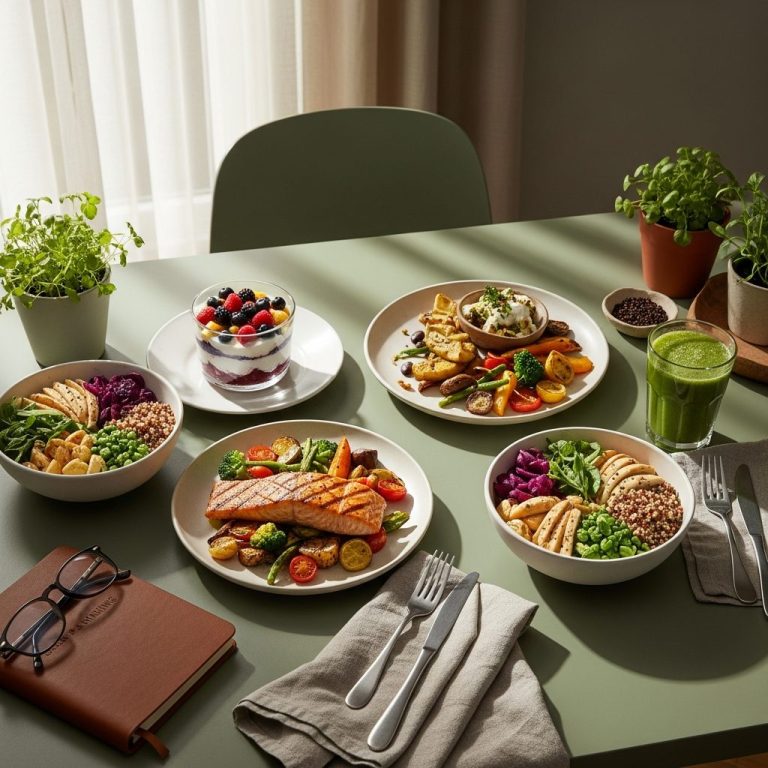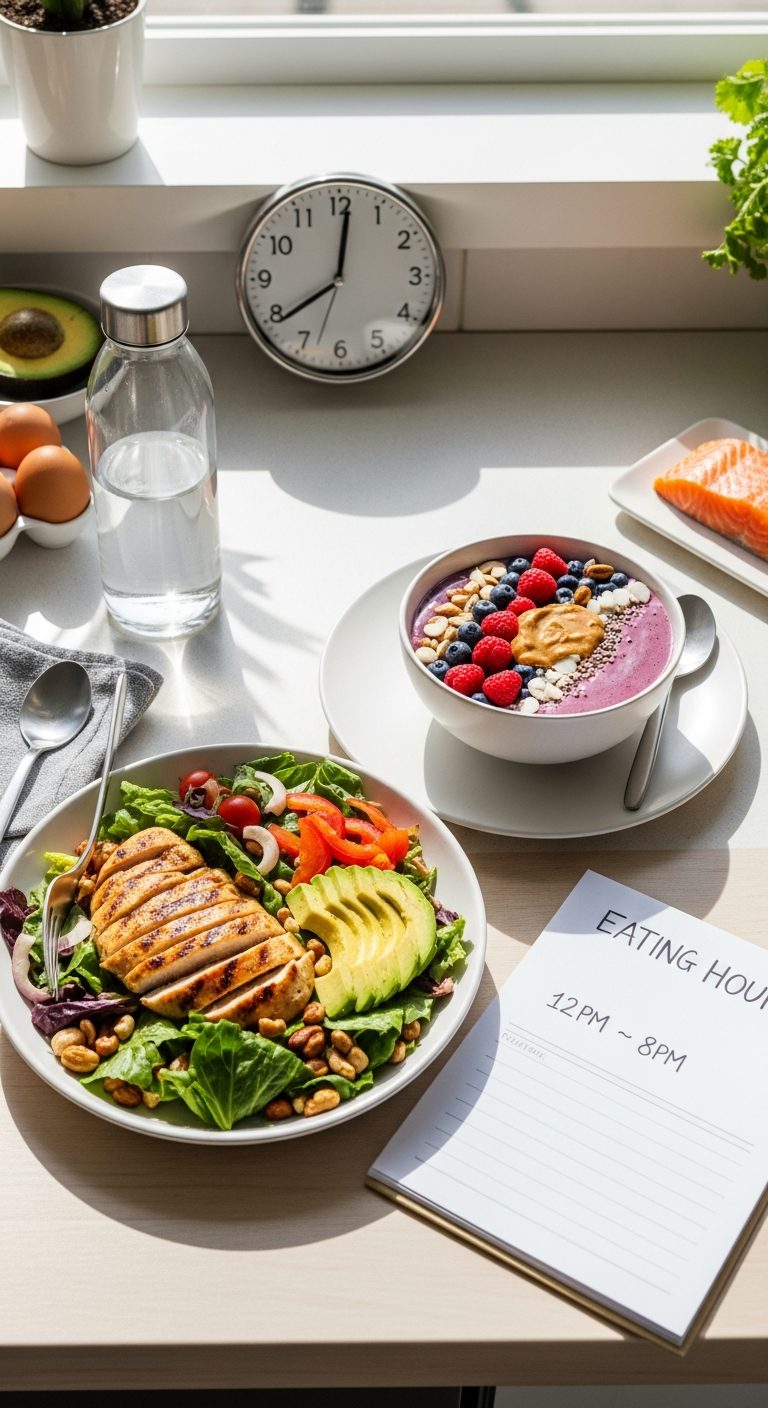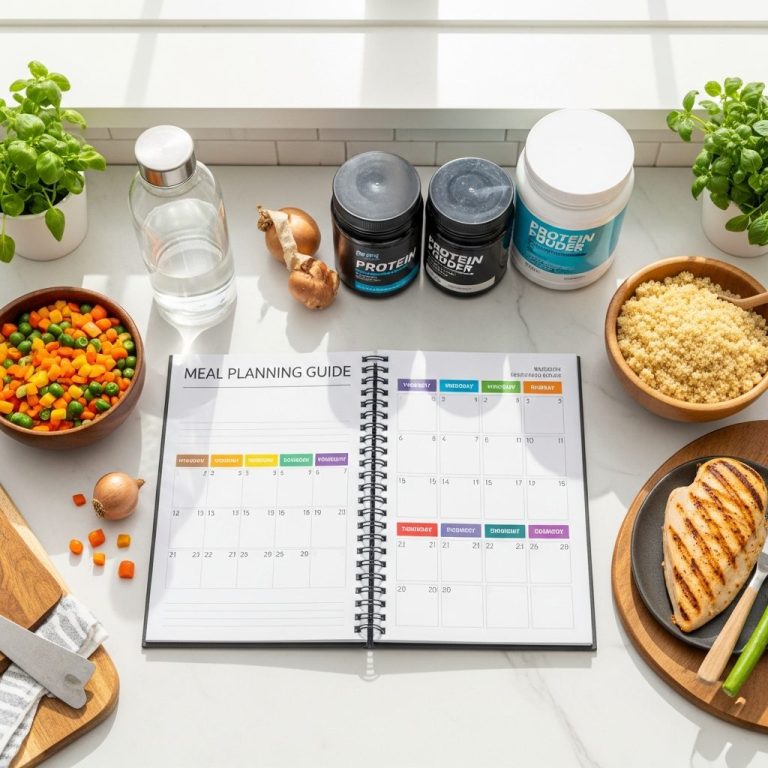
7-Day High-Protein Low-Carb Meal Plan – Instant PDF
You know that feeling when you try yet another low-carb meal plan only to find yourself starving by 10 AM, dreaming about bread, and wondering if this is really sustainable? Yeah, I’ve been there too. Most low-carb plans either leave you hungry or so loaded with fat that you feel sluggish all day.
Here’s the thing nobody talks about: cutting carbs without increasing protein enough is a recipe for disaster. You’ll lose muscle along with fat, your metabolism will tank, and you’ll eventually cave and eat an entire pizza because your body is screaming for energy.
That’s exactly why I created this [7-day high-protein low-carb meal plan – download your instant PDF here]. It’s not another restrictive plan that treats carbs like the enemy. It’s a strategic approach that keeps carbs low enough to promote fat loss while keeping protein high enough to preserve muscle, maintain energy, and actually feel satisfied after meals.
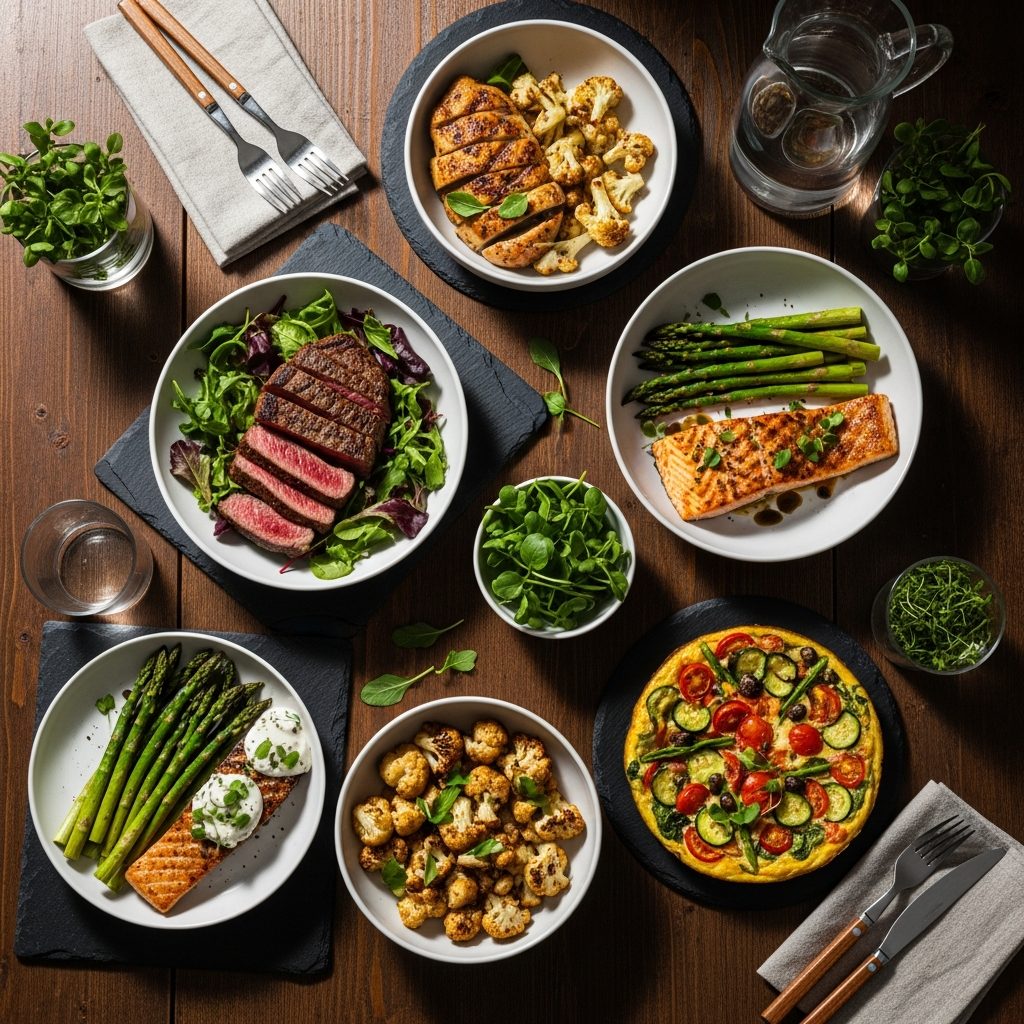
Why High-Protein Low-Carb Actually Works
Let’s cut through the noise for a second. Low-carb diets have been trendy for decades, but most people execute them wrong. They slash carbs but don’t compensate with enough protein, leaving their bodies in a weird limbo where they’re not getting adequate fuel from either source.
The magic happens when you combine low carbs with high protein. You get the metabolic benefits of reduced carbohydrate intake—better blood sugar control, reduced insulin spikes, easier fat burning—while maintaining muscle mass and keeping hunger at bay.
Here’s what the combination delivers:
- Accelerated fat loss without sacrificing muscle tissue
- Stable energy levels throughout the day (no 3 PM crash)
- Reduced cravings because protein keeps you genuinely satisfied
- Better body composition as you lose fat while maintaining lean mass
- Improved mental clarity once you’re past the initial adaptation phase
According to research on low-carb, high-protein diets, this combination is particularly effective for body recomposition—losing fat while maintaining or even building muscle when combined with resistance training.
[This complete 7-day plan] gives you the exact blueprint to execute this approach without guessing or tracking every macro obsessively.
What Low-Carb Actually Means in This Plan
Before we go further, let’s define terms because “low-carb” means different things to different people. This plan keeps you around 50-75 grams of net carbs daily—low enough to shift your body toward fat burning but not so extreme that you feel miserable or can’t function.
We’re not doing keto here. You won’t be measuring ketones or eliminating every vegetable that contains carbs. You’ll eat plenty of fiber-rich, nutrient-dense vegetables while keeping starches, grains, and sugars minimal.
Carbs you’ll eat freely:
- Leafy greens (spinach, kale, arugula, lettuce)
- Cruciferous vegetables (broccoli, cauliflower, Brussels sprouts)
- Zucchini, bell peppers, asparagus, mushrooms
- Tomatoes, cucumbers, celery
- Berries in moderation
Carbs you’ll minimize or avoid:
- Bread, pasta, rice, potatoes
- Most grains and cereals
- Beans and legumes (higher in carbs than people realize)
- Sugary fruits like bananas, grapes, mangoes
- All added sugars and sweetened foods
The protein stays consistently high—around 120-150 grams daily depending on your size and activity level. This isn’t negotiable because adequate protein is what keeps this plan sustainable and effective.
Speaking of protein-focused meals, if you’re looking for additional breakfast inspiration that keeps carbs low, check out these [low-carb high-protein breakfast ideas] that complement this week perfectly.
Day 1-2: Getting Started Without the Carb Flu
The first two days ease you into low-carb eating strategically. You’re not going from 200 grams of carbs to 50 overnight because that’s a recipe for headaches, fatigue, and giving up by day three.
Day 1 starts with a veggie-loaded omelet—three eggs with spinach, mushrooms, and cheese. It packs 24 grams of protein and keeps you satisfied for hours. The key here? Fat from the eggs and cheese provides satiety that makes not eating toast surprisingly manageable.
Lunch on Day 1 is a big Greek salad with grilled chicken breast. I’m talking a massive bowl of lettuce, cucumbers, tomatoes, olives, feta, and plenty of chicken. The volume keeps you full, the protein prevents hunger, and the healthy fats from olives and cheese provide lasting energy. [Get the complete Greek salad formula] with the exact measurements that hit perfect macros.
Dinner introduces you to cauliflower rice—and before you roll your eyes, hear me out. When seasoned properly and paired with flavorful proteins, cauliflower rice is genuinely satisfying. Day 1 features it with beef stir-fry loaded with vegetables and a sauce made from coconut aminos instead of sugar-laden teriyaki.
I use [this food processor] to rice my own cauliflower—it’s way cheaper than buying pre-riced, and you can do a week’s worth in five minutes. Plus it doesn’t get weirdly watery like the pre-packaged stuff sometimes does.
Day 2 continues the gentle transition with a protein smoothie for breakfast. Protein powder, unsweetened almond milk, spinach (trust me, you won’t taste it), half an avocado for creaminess, and a handful of frozen berries. It delivers 35 grams of protein and barely registers on the carb scale.
For those exploring more smoothie options that stay low-carb, try these [keto-friendly protein smoothies] and [green protein shake recipes] that keep things interesting throughout the week.
Day 3-4: Finding Your Rhythm
By Day 3, your body is adjusting. You might notice steadier energy—no dramatic spikes after meals followed by crashes. You’re probably also noticing that you’re not thinking about food constantly because protein and fat provide genuine satiety.
Day 3 breakfast is a simple but brilliant combination: smoked salmon with cream cheese on cucumber slices. It sounds fancy but takes two minutes to assemble. The omega-3s from salmon, protein from both fish and cheese, and crunch from cucumber make this weirdly satisfying despite having zero actual carbs.
Lunch features lettuce wraps with turkey, avocado, and bacon. Use large lettuce leaves as wraps—romaine or butter lettuce works great. The bacon adds flavor and fat, the turkey provides lean protein, and the avocado gives you that creamy texture you’re probably missing from bread. [Get the full lettuce wrap assembly guide] with five different filling variations.
Dinner on Day 3 is where things get good: herb-crusted pork chops with roasted Brussels sprouts and a side salad. Pork chops are incredibly affordable, cook quickly, and when seasoned properly, taste restaurant-quality. The Brussels sprouts get crispy edges when roasted in [this cast iron skillet]—game changer for vegetable haters.
Day 4 introduces egg muffins for breakfast—basically mini frittatas you bake in a muffin tin and grab throughout the week. Load them with vegetables, cheese, and pre-cooked sausage or bacon. They’re portable, customizable, and solve the morning time crunch without resorting to carb-heavy convenience foods.
If you’re looking for more make-ahead options that travel well, explore these [meal prep protein bowls] and [grab-and-go low-carb meals] that fit seamlessly into busy schedules.
The Protein Sources That Make This Sustainable
Let’s talk about keeping protein high while carbs stay low. You’ll rely heavily on these staples throughout the week:
Animal proteins (zero carbs, high protein):
- Chicken breast and thighs
- Turkey (ground and sliced)
- Beef (ground beef, steak, roasts)
- Pork (chops, tenderloin, ground)
- Fish (salmon, tuna, cod, tilapia)
- Eggs (the MVP of low-carb eating)
- Shrimp and other seafood
Dairy proteins (minimal carbs):
- Greek yogurt (stick to plain, full-fat)
- Cottage cheese
- Hard cheeses (cheddar, Swiss, parmesan)
- Cream cheese
Lower-carb plant proteins (use moderately):
- Tofu and tempeh
- Edamame
- Nuts (almonds, pecans, walnuts in moderation)
- Seeds (chia, hemp, pumpkin)
The beauty of this approach? You’re never hungry because protein and fat provide genuine satiety. You’re not white-knuckling through the day fantasizing about bread—you’re just eating satisfying food that happens to be low in carbs.
According to research on satiety and macronutrients, protein is significantly more satiating than carbohydrates or fat, which explains why high-protein approaches are easier to stick with long-term.
Day 5-6: Expanding Your Low-Carb Repertoire
The weekend brings slightly more elaborate meals because you might have extra time for food prep or want something that feels more special.
Day 5 starts with a breakfast scramble loaded with everything: eggs, sausage, peppers, onions, and cheese. It’s hearty, filling, and sets you up for an active day without any carb crash. I cook this in [this non-stick skillet] that makes cleanup absurdly easy—relevant when you’re already giving up bread and not looking for additional life complications.
Lunch features a Cobb salad situation—mixed greens with grilled chicken, hard-boiled eggs, bacon, avocado, cherry tomatoes, and blue cheese crumbles. The dressing matters here; use a simple olive oil and vinegar blend or ranch made with high-quality ingredients. The variety of textures and flavors makes this feel indulgent despite being perfectly aligned with your macros.
Dinner on Day 5 is bunless burgers with all the fixings. Make the burgers yourself using ground beef, season them aggressively, and serve them over a bed of greens or wrapped in lettuce. Top with cheese, bacon, avocado, pickles, and sugar-free ketchup. Nobody will miss the bun when the burger itself tastes this good.
Day 6 introduces zucchini noodles—and yes, I know, vegetable noodles have been done to death. But when paired with a rich, meaty Bolognese sauce and topped with parmesan, they’re genuinely satisfying. I use [this spiralizer] that turns zucchini into perfect noodles in seconds and stores flat in a drawer.
For more creative ways to replace traditional carb-heavy meals, try these [cauliflower-based dinner ideas] and [zucchini noodle recipes] that prove low-carb doesn’t mean boring.
Day 7: Setting Up Long-Term Success
The final day focuses on meals that teach you how to continue this approach beyond the week. You’ve experienced enough variety to understand the framework—now it’s about making it your own.
Breakfast is a simple but effective combo: full-fat Greek yogurt with a handful of nuts, a sprinkle of unsweetened coconut, and a few berries. This gives you protein, healthy fats, and just enough carbs to keep things interesting without derailing progress.
Lunch features tuna salad—but upgraded. Mix canned tuna with avocado instead of mayo for healthy fats and creaminess, add diced celery for crunch, and serve it over mixed greens or stuffed into bell pepper halves. High protein, virtually zero carbs, and it travels well for work lunches.
Dinner on Day 7 is sheet pan chicken thighs with roasted vegetables—bell peppers, zucchini, onions, and asparagus. Everything cooks together, the cleanup is minimal, and you can easily scale this up for meal prep. [Get the complete sheet pan guide] with timing and temperature specs for perfect results every time.
[The downloadable PDF] includes detailed instructions for continuing this approach, adjusting portions based on your results, and troubleshooting common issues that pop up after the first week.
The Snack Strategy That Keeps You Satisfied
Snacking on a low-carb, high-protein plan requires strategy. Your old go-to snacks—granola bars, fruit, crackers—are off the table. But these alternatives are actually more satisfying:
High-protein, low-carb snacks that work:
- Hard-boiled eggs with everything bagel seasoning
- Beef jerky (check labels for added sugars)
- Cheese sticks or cubes
- Pepperoni slices with cream cheese
- Celery with almond butter
- Pork rinds (surprisingly good for chip cravings)
- Protein shakes made with unsweetened almond milk
I keep [these mini containers] filled with pre-portioned snacks in my fridge. It prevents the “stare into the fridge and eat random cheese slices” habit while ensuring I hit my protein targets throughout the day.
FYI, the first few days you might actually need fewer snacks than you’re used to because protein and fat keep you satisfied longer. Don’t force snacks if you’re genuinely not hungry—that’s your body telling you the plan is working.
For additional portable options, check out these [low-carb protein snack ideas] and [keto-friendly grab-and-go options] that don’t require refrigeration.
Navigating the First Few Days: What to Expect
Let’s be real about the adjustment period. The first 2-3 days can feel weird as your body shifts from burning primarily carbs to burning more fat for fuel.
You might experience:
- Slight fatigue or brain fog (usually resolves by day 4)
- Headaches (often from inadequate water and electrolytes)
- Increased thirst
- Carb cravings (especially for your usual trigger foods)
Here’s how to minimize these symptoms:
- Hydrate aggressively – Aim for at least 3 liters of water daily
- Increase salt intake – You’re losing water weight, which means losing electrolytes
- Don’t restrict calories – Eat until satisfied; this isn’t about hunger
- Get adequate sleep – Your body is adapting; rest supports this process
By days 4-5, most people notice dramatically improved energy, clearer thinking, and reduced hunger. The cravings diminish as your blood sugar stabilizes and you break the cycle of carb-induced hunger spikes.
[The complete plan] includes a detailed troubleshooting guide for common first-week issues, plus strategies for pushing through when motivation dips.
Meal Prep That Won’t Consume Your Life
I know meal prep can feel overwhelming, especially when you’re already changing how you eat. That’s why this plan uses a streamlined approach that takes about two hours on Sunday.
The simplified strategy:
- Grill or bake multiple proteins – Chicken breasts, pork chops, and ground beef all at once
- Prep vegetables – Wash and chop for salads, roast a big batch for bowls
- Make egg muffins – Bake a dozen to grab for quick breakfasts
- Portion snacks – Divide cheese, nuts, and jerky into individual servings
Store everything in clear containers so you can see what’s available without digging through the fridge. I use [these stackable containers] that maximize fridge space and keep proteins fresh for up to five days.
The key is preparing components, not complete meals. This gives you flexibility to combine things differently throughout the week so you’re not eating identical meals every day.
If you’re looking for more systematic approaches, explore these [low-carb meal prep strategies] and [batch cooking guides for protein-focused eating] that streamline the entire process.
The Macro Breakdown That Drives Results
Let’s talk numbers for those who like specifics. This plan aims for roughly:
- Protein: 120-150 grams daily (40-45% of calories)
- Carbs: 50-75 grams net carbs (10-15% of calories)
- Fat: 80-100 grams daily (40-45% of calories)
These ratios keep you in a fat-burning state while preserving muscle and maintaining energy. The high protein prevents muscle loss that often accompanies rapid fat loss, and the moderate fat provides satiety without going overboard.
[The downloadable plan] includes a personalized macro calculator based on your weight, activity level, and goals. No generic recommendations—just your specific targets.
IMO, obsessing over hitting exact macros every day is counterproductive. Use them as guidelines, not rigid rules. Some days you’ll be slightly over or under, and that’s perfectly fine as long as the overall pattern stays consistent.
Eating Out Without Derailing Everything
One of the best parts of this approach? It’s surprisingly restaurant-friendly. Most places offer protein and vegetable options that fit perfectly.
Quick strategies that work everywhere:
- Order any grilled protein with double vegetables instead of rice or potatoes
- Skip the bread basket and ask for olives or vegetables as a starter
- Substitute any starch with a side salad or extra veggies
- At burger places, order bunless and eat with a fork (or wrapped in lettuce)
- Choose oil-based dressings over creamy options that might have hidden sugars
Cuisine-specific tips:
- Mexican: Fajitas without tortillas, carnitas salad, carne asada with extra guacamole
- Italian: Grilled fish or chicken with vegetables, skip the pasta
- Asian: Stir-fries with extra protein, no rice, ask about sugar in sauces
- American: Steak with Brussels sprouts or asparagus, burgers without buns
I’ve successfully followed this approach while traveling, at business dinners, and during holidays. Once you understand the framework, adapting to any situation becomes second nature.
Supplements Worth Considering
Most of your nutrition should come from whole foods, but a few supplements can smooth out the transition and fill genuine gaps.
Actually useful:
- Electrolyte powder – Prevents headaches and fatigue during the first week. I use [this sugar-free electrolyte mix] that doesn’t taste like weird chemicals.
- Protein powder – Convenient for hitting protein targets. Stick to unflavored or naturally sweetened options.
- Magnesium – Many people are deficient, and low-carb eating can exacerbate it. Supports sleep and reduces muscle cramps.
- Omega-3s – If you don’t eat fatty fish regularly, supplementing supports inflammation reduction and overall health.
Skip these:
- Expensive “keto” branded products (usually overpriced marketing)
- MCT oil unless you specifically find it helpful (not necessary for everyone)
- Exogenous ketones (waste of money for most people)
- Fat burning supplements (they don’t work, save your cash)
The meal plan is designed to provide maximum nutrition from real food, with supplements only addressing specific gaps or making the transition easier.
What Happens After Day 7
Seven days gives you a solid foundation, but real transformation happens when this becomes your normal way of eating. [The complete downloadable plan] includes transition strategies for continuing beyond the first week.
Your options after day 7:
- Repeat the exact plan – If you enjoyed it and saw results, run it back
- Mix and match meals – Use the framework to create your own combinations
- Gradually add carbs – Test your tolerance for slightly higher carb intake around workouts
- Maintain indefinitely – Many people find this becomes their preferred way of eating
The beauty of high-protein, low-carb eating is flexibility. You’re not locked into rigid rules. You understand the principles and can adapt them to your life, preferences, and goals.
[Download the complete guide] with detailed instructions for each path forward, including how to identify your personal carb tolerance and adjust macros as your body composition changes.
Related Recipes You’ll Love
Looking for more ways to keep your meals high in protein and low in carbs? Here are some recipes that complement this 7-day plan perfectly:
More Breakfast Ideas: Try these [low-carb egg-based breakfasts] and [quick protein-packed morning meals] that keep you satisfied.
Lunch Solutions: Check out these [lettuce wrap variations] and [low-carb soup recipes] perfect for meal prep.
Dinner Inspiration: Explore these [one-pan protein dinners] and [cauliflower rice bowl formulas] for easy weeknight cooking.
Complete Guides: Browse our [comprehensive low-carb meal prep guide] and [high-protein snack collection] for extended planning.
Your Low-Carb High-Protein Journey Starts Now
Here’s the truth: this approach isn’t magic, but it is effective. You won’t wake up day 8 with abs, but you will notice changes—better energy, reduced bloating, clothes fitting differently, and genuine freedom from constant carb cravings.
The combination of low carbs and high protein creates an environment where your body can efficiently burn fat while maintaining the muscle you’ve worked hard to build. It’s sustainable because you’re not hungry, and it’s flexible because once you understand the framework, you can apply it anywhere.
[Download your complete 7-Day High-Protein Low-Carb Meal Plan – Instant PDF] and give yourself the structure you need to actually see results. Everything you need—complete meal plans, shopping lists, prep guides, macro calculations, and troubleshooting strategies—is ready right now.
Stop bouncing between restrictive plans that leave you hungry and frustrated. This approach works because it addresses the fundamental issue: keeping protein high enough to preserve muscle and maintain satiety while keeping carbs low enough to promote fat loss. Simple, effective, sustainable.
[Click here to get instant access to your complete meal plan PDF] and start your transformation today. Your future self—with more energy, better body composition, and freedom from carb cravings—will thank you.