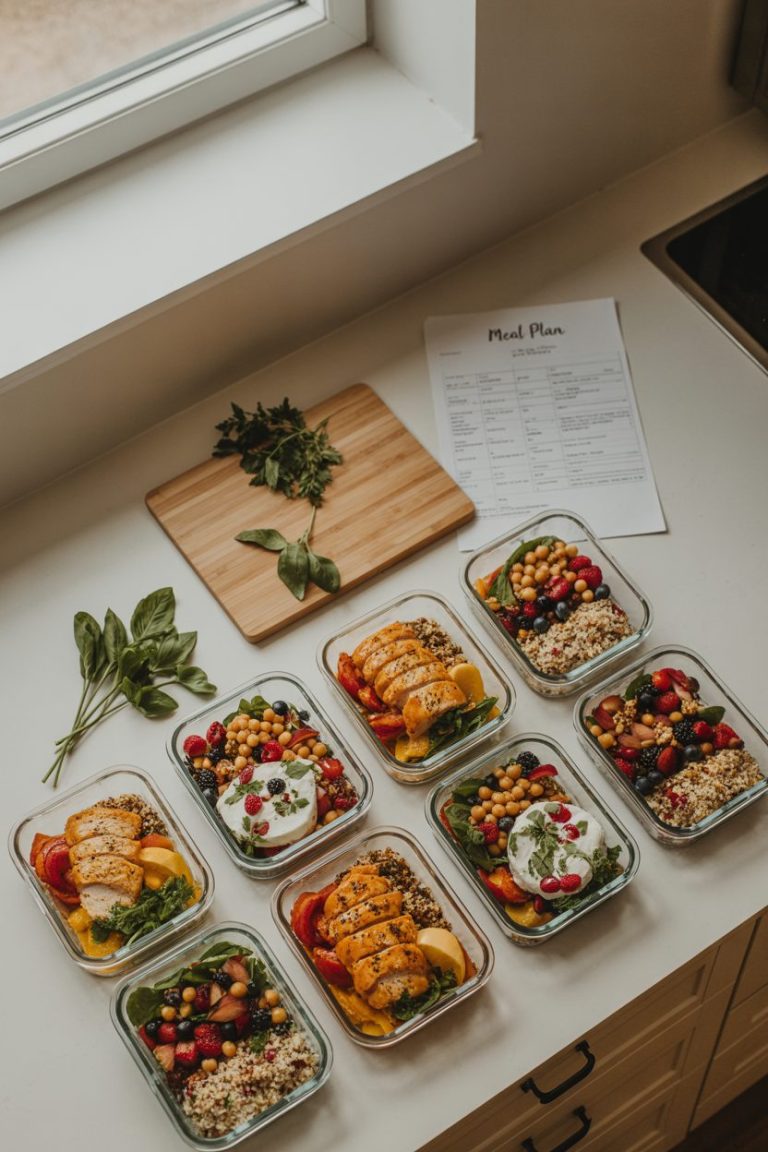
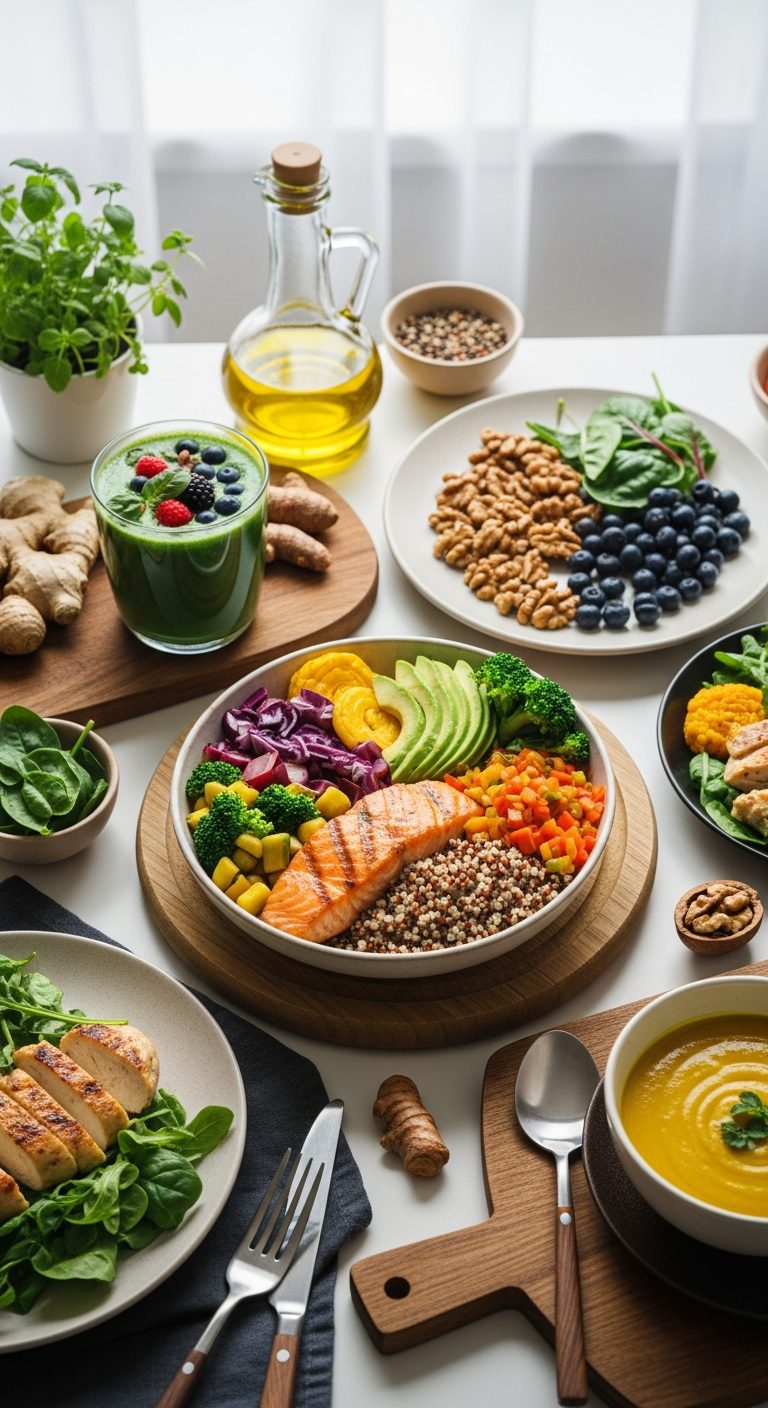
7-Day High-Protein Anti-Inflammatory Meal Plan – Download PDF
You know that achy, stiff feeling you wake up with? Or the joint pain that makes climbing stairs feel like a punishment? Maybe it’s the persistent brain fog or the stubborn weight that won’t budge no matter what you do. You’ve probably been told it’s just part of getting older, but here’s the thing—chronic inflammation is likely the real culprit.
I spent years dealing with constant joint pain and afternoon energy crashes before realizing my diet was basically fueling inflammation like I was trying to start a bonfire. Processed foods, excess sugar, inflammatory oils—I was eating everything that made the problem worse while wondering why nothing improved.
That’s when I discovered the power of combining high protein with anti-inflammatory foods. Not only did I need adequate protein to maintain muscle and metabolic health, but I also needed to eliminate the inflammatory triggers and add foods that actively reduce inflammation. This [7-day high-protein anti-inflammatory meal plan – download your complete PDF here] is the result of that journey.
This isn’t about bland, restrictive eating or surviving on turmeric tea and hope. It’s a strategic approach that delivers 120-140 grams of protein daily while emphasizing anti-inflammatory ingredients that actually make you feel better—less pain, more energy, clearer thinking.
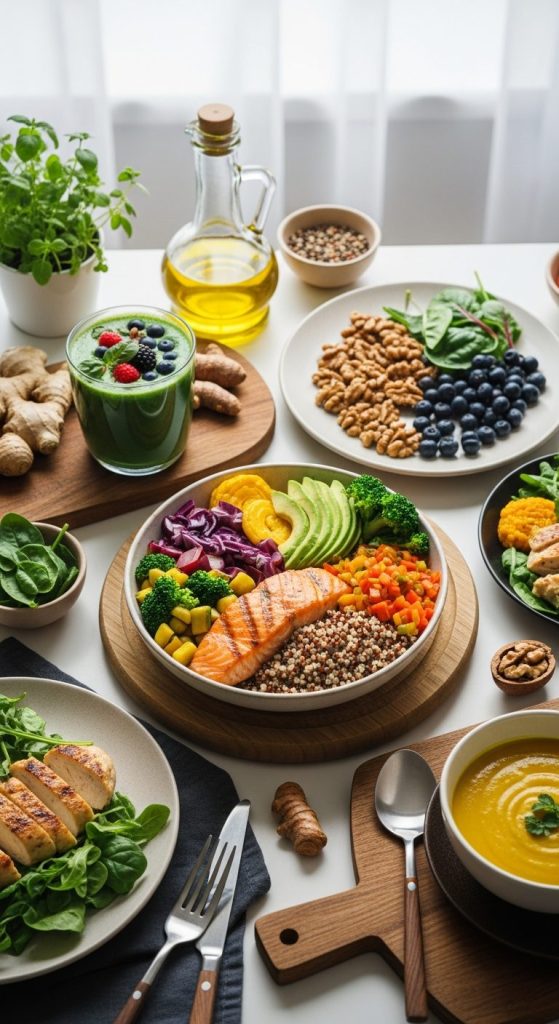
Why Combining High-Protein with Anti-Inflammatory Eating Works
Let’s talk about what inflammation actually is. Acute inflammation is your body’s healthy response to injury or infection—it’s good and necessary. But chronic inflammation? That’s when your immune system stays activated long-term, damaging healthy tissues and contributing to everything from arthritis to heart disease to autoimmune conditions.
Here’s where diet becomes crucial: certain foods trigger inflammatory pathways in your body, while others actively reduce inflammation. When you’re also trying to maintain muscle mass and metabolic health (which requires adequate protein), you need a strategic approach that addresses both needs.
According to research on anti-inflammatory diets, diets rich in omega-3 fatty acids, antioxidants, and phytonutrients while low in processed foods and refined sugars significantly reduce inflammatory markers in the blood.
This combination approach delivers:
- Reduced inflammation through strategic food choices
- Preserved muscle mass via adequate protein intake
- Improved recovery from workouts and daily stress
- Better energy levels as inflammation decreases
- Enhanced mental clarity when brain inflammation reduces
- Potential weight loss as metabolic function improves
The plan delivers 120-140 grams of protein daily from anti-inflammatory sources—wild-caught fish, grass-fed meats, organic eggs, and plant proteins—while eliminating common inflammatory triggers and emphasizing foods that actively heal.
[Download the complete 7-day plan] with exact meals, anti-inflammatory food lists, and strategies for reducing inflammation while maintaining high protein intake.
Understanding Anti-Inflammatory Protein Sources
Not all proteins are created equal when you’re fighting inflammation. Some protein sources actively reduce inflammation, others are neutral, and some can actually promote it depending on quality and preparation.
Anti-inflammatory protein sources (prioritize these):
- Wild-caught fatty fish (salmon, sardines, mackerel) – rich in omega-3s
- Grass-fed beef – better omega-3 to omega-6 ratio than grain-fed
- Pasture-raised eggs – higher omega-3s and antioxidants
- Organic chicken – fewer inflammatory compounds than conventional
- Legumes (lentils, chickpeas, black beans) – contain anti-inflammatory compounds
- Hemp seeds and chia seeds – plant-based omega-3s plus protein
- Walnuts – only nut with significant omega-3s
Neutral proteins (use in moderation):
- Conventional chicken and turkey
- Lean pork
- Low-fat dairy
Potentially inflammatory (minimize or avoid):
- Processed meats (deli meat, hot dogs, bacon with nitrates)
- Conventional grain-fed red meat in excess
- Fried proteins cooked in inflammatory oils
- Protein sources with added sugars or preservatives
The key is prioritizing quality. Grass-fed, wild-caught, and organic proteins cost more, but the anti-inflammatory benefits justify the investment. This plan emphasizes these sources throughout the week.
For those looking to expand their anti-inflammatory protein options, check out these [omega-3-rich fish recipes] and [grass-fed meat preparations] that maximize anti-inflammatory benefits.
Day 1: Establishing Your Anti-Inflammatory Foundation
Breakfast: Berry and Walnut Protein Smoothie Bowl
Start Day 1 with a nutrient-dense smoothie bowl that fights inflammation from the first bite. Blend frozen mixed berries (blueberries, strawberries, raspberries), spinach, protein powder, unsweetened almond milk, and ground flaxseed until thick. Pour into a bowl and top with crushed walnuts, chia seeds, and fresh berries.
This breakfast delivers 35 grams of protein while the berries provide anthocyanins (powerful anti-inflammatory compounds), the walnuts contribute omega-3s, and the flaxseed adds additional omega-3s plus fiber. The spinach sneaks in anti-inflammatory vitamins without affecting taste.
I blend this in [this high-powered blender] that actually pulverizes frozen berries and seeds into smooth consistency. Cheap blenders leave chunks that ruin the texture.
Lunch: Wild Salmon Salad with Avocado
Your midday meal features baked wild salmon over mixed greens (arugula, spinach, kale) with cucumber, cherry tomatoes, avocado, red onion, and a dressing made from olive oil, lemon juice, and fresh dill. Add a side of quinoa for additional plant-based protein.
This lunch provides 45 grams of protein. The wild salmon is arguably the most anti-inflammatory food you can eat—loaded with omega-3 fatty acids (EPA and DHA) that directly reduce inflammatory markers. [Get the complete salmon salad recipe] with the exact dressing ratios that make this restaurant-quality.
The avocado provides monounsaturated fats that reduce inflammation, the olive oil contains oleocanthal (a compound with ibuprofen-like properties), and the leafy greens deliver antioxidants that neutralize inflammatory free radicals.
Snack: Golden Milk and Almonds
Mid-afternoon, drink golden milk (warm unsweetened almond milk with turmeric, ginger, cinnamon, black pepper, and a touch of honey) alongside a handful of raw almonds. This provides 10 grams of protein while the turmeric-ginger combination is one of the most potent anti-inflammatory pairings available.
The black pepper is crucial—it increases curcumin (turmeric’s active compound) absorption by 2000%. Without it, you’re not getting turmeric’s full anti-inflammatory benefits.
Dinner: Grass-Fed Beef Stir-Fry with Vegetables
Evening meal features grass-fed beef strips stir-fried with broccoli, bell peppers, snap peas, mushrooms, garlic, and ginger in coconut oil. Serve over cauliflower rice instead of regular rice to reduce inflammation-promoting carbs. Season with coconut aminos (anti-inflammatory alternative to soy sauce).
This dinner delivers 42 grams of protein. The grass-fed beef has a significantly better omega-3 to omega-6 ratio than conventional beef, the coconut oil contains medium-chain triglycerides with anti-inflammatory properties, and the vegetables provide antioxidants and fiber.
I cook this in [this large wok] that gets screaming hot and allows proper stir-frying without steaming the vegetables—high heat is crucial for texture and flavor.
Day 1 Total: 132 grams protein
Speaking of anti-inflammatory cooking methods, you might also enjoy these [omega-3-rich dinner ideas] and [turmeric-based healing meals] that keep inflammation in check throughout the week.
Day 2: Deepening Anti-Inflammatory Strategies
Breakfast: Pasture-Raised Egg and Veggie Scramble
Day 2 starts with three pasture-raised eggs scrambled with spinach, mushrooms, tomatoes, and turmeric. Serve with half an avocado and a side of berries. This breakfast packs 28 grams of protein while the turmeric-egg combination creates a powerful anti-inflammatory start to your day.
Pasture-raised eggs contain significantly more omega-3s and vitamin D than conventional eggs—both nutrients that reduce inflammation. The vegetables add antioxidants, and the avocado provides healthy fats that enhance nutrient absorption.
Lunch: Lentil and Vegetable Soup with Chicken
Your midday meal features a hearty soup with lentils, diced chicken breast, carrots, celery, kale, turmeric, and ginger in a bone broth base. Lentils provide plant-based protein and fiber, the chicken adds complete protein, and the bone broth itself contains anti-inflammatory compounds like collagen and glutamine.
This lunch delivers 38 grams of protein. The turmeric-ginger combination in warm soup is incredibly soothing for digestive inflammation, while the vegetables provide diverse phytonutrients that fight systemic inflammation.
Snack: Greek Yogurt with Berries and Hemp Seeds
Mid-afternoon, eat full-fat Greek yogurt (choose organic and unsweetened) topped with mixed berries and hemp seeds. This provides 25 grams of protein while the probiotics in yogurt support gut health—crucial because much chronic inflammation originates in the digestive system.
Hemp seeds are underrated anti-inflammatory protein sources—they contain all essential amino acids plus omega-3 and omega-6 in the ideal ratio for reducing inflammation.
Dinner: Baked Mackerel with Roasted Brussels Sprouts
Evening meal features baked mackerel (another omega-3 powerhouse) with roasted Brussels sprouts, sweet potato, and a side salad with olive oil dressing. Mackerel is even higher in omega-3s than salmon while being more affordable and sustainable.
This dinner provides 40 grams of protein. The Brussels sprouts contain sulforaphane (a powerful anti-inflammatory compound), the sweet potato provides beta-carotene that reduces oxidative stress, and the olive oil delivers additional anti-inflammatory fats.
Day 2 Total: 131 grams protein
Day 3: Incorporating Plant-Based Anti-Inflammatory Proteins
Breakfast: Chia Seed Protein Pudding
Day 3 introduces chia pudding—mix chia seeds with unsweetened almond milk, vanilla protein powder, and cinnamon, refrigerate overnight. In the morning, top with sliced banana, walnuts, and a drizzle of almond butter. This delivers 32 grams of protein.
Chia seeds are incredible—they’re 20% protein by weight, loaded with omega-3 ALA, and packed with fiber that supports gut health and reduces inflammation. The overnight soaking makes them easier to digest.
I make this in [these glass jars with lids] that portion perfectly and stack efficiently in the fridge. Make five at once on Sunday for easy grab-and-go breakfasts.
Lunch: Chickpea and Avocado Salad
Your midday meal features mashed chickpeas mixed with diced avocado, lemon juice, olive oil, and fresh herbs (cilantro, parsley). Serve in lettuce wraps or over mixed greens with cherry tomatoes and cucumber. Add a side of bone broth for additional anti-inflammatory support.
This lunch provides 30 grams of protein. Chickpeas contain anti-inflammatory compounds and fiber that feeds beneficial gut bacteria, while the avocado and olive oil provide monounsaturated fats that reduce inflammatory markers.
Snack: Sardines on Cucumber Slices
Mid-afternoon, eat canned sardines (in olive oil, not soybean oil) on thick cucumber slices. This provides 25 grams of protein and might sound weird, but sardines are one of the most anti-inflammatory foods available—omega-3s, vitamin D, selenium, and minimal mercury compared to larger fish.
FYI, if you’re new to sardines, start with higher-quality brands—they taste significantly better than cheap versions and might actually convert you into a sardine person.
Dinner: Grass-Fed Lamb Chops with Mint Chimichurri
Evening meal features grilled grass-fed lamb chops with a fresh mint chimichurri sauce, served with roasted vegetables (zucchini, eggplant, red peppers) and quinoa. This dinner delivers 45 grams of protein.
Lamb is naturally higher in omega-3s than most red meats, especially when grass-fed. The fresh herbs in chimichurri provide additional anti-inflammatory compounds, and the variety of colorful vegetables ensures diverse phytonutrients.
Day 3 Total: 132 grams protein
For those exploring more plant-based anti-inflammatory options, try these [legume-based healing meals] and [chia seed recipes] that reduce inflammation while maintaining high protein.
Day 4: Managing Training Days with Anti-Inflammatory Nutrition
Breakfast: Protein-Packed Green Smoothie
Day 4 starts with a green smoothie designed for training days—blend spinach, frozen pineapple (bromelain is anti-inflammatory), vanilla protein powder, coconut milk, ginger, and hemp seeds. This delivers 38 grams of protein.
The pineapple provides bromelain, an enzyme with proven anti-inflammatory effects particularly beneficial for exercise-induced inflammation. The ginger adds additional anti-inflammatory compounds while the coconut milk provides medium-chain triglycerides for quick energy.
Lunch: Wild Salmon Burger with Sweet Potato
Your midday meal features a wild salmon burger (not breaded, just pure salmon formed into a patty) on a bed of greens with tomato, red onion, and avocado. Skip the bun to reduce inflammatory carbs. Serve with baked sweet potato wedges.
This lunch provides 42 grams of protein. The salmon continues delivering omega-3s while the sweet potato provides complex carbs for glycogen replenishment without spiking blood sugar or promoting inflammation.
Post-Workout Snack: Tart Cherry Juice and Protein Shake
After training, drink tart cherry juice alongside a protein shake made with protein powder, banana, and almond milk. This provides 35 grams of protein while the tart cherry juice is specifically proven to reduce exercise-induced inflammation and muscle soreness.
I use [this cherry juice concentrate] that you dilute with water—more affordable than buying bottles of juice, and you control the concentration based on your needs.
Dinner: Herb-Crusted Chicken with Roasted Vegetables
Evening meal features chicken breast crusted with fresh herbs (rosemary, thyme, oregano) and crushed walnuts, roasted until crispy. Serve with roasted cauliflower, carrots, and a large green salad. This dinner provides 40 grams of protein.
The fresh herbs aren’t just for flavor—they contain potent anti-inflammatory compounds. Rosemary contains rosmarinic acid, thyme has thymol, and oregano provides carvacrol—all proven inflammation fighters.
Day 4 Total: 155 grams protein (higher for training day recovery)
Day 5: Simplifying Anti-Inflammatory Eating for Busy Days
Breakfast: Hard-Boiled Eggs with Avocado Toast
Day 5 acknowledges that some mornings require simplicity. Eat three hard-boiled eggs with half an avocado mashed on gluten-free or sprouted grain toast (both less inflammatory than conventional bread). Sprinkle with turmeric and black pepper.
This breakfast delivers 25 grams of protein. Keep hard-boiled eggs prepped in [this egg storage container] that holds a dozen perfectly and prevents that weird sulfur smell from taking over your fridge.
Lunch: Bone Broth with Shredded Chicken and Veggies
Your midday meal features homemade or high-quality bone broth with shredded chicken breast, kale, carrots, and fresh ginger. Bone broth is incredibly anti-inflammatory—the collagen, glutamine, and glycine directly support gut health and reduce systemic inflammation.
This soup provides 35 grams of protein. Make a huge pot on Sunday and portion it for easy grab-and-go lunches throughout the week. [Get the complete bone broth recipe] that extracts maximum collagen and nutrients from bones.
Snack: Walnuts and Dark Berries
Mid-afternoon, eat a handful of walnuts with fresh blueberries or blackberries. This simple snack provides 8 grams of protein while the walnut-berry combination creates a synergistic anti-inflammatory effect—the healthy fats enhance absorption of the berry antioxidants.
Dinner: Sardine and White Bean Salad
Evening meal features canned sardines mixed with cannellini beans, cherry tomatoes, red onion, fresh parsley, and lemon juice. Serve over arugula with olive oil dressing. This might sound unconventional, but it’s incredibly delicious and provides 40 grams of protein.
The sardines deliver omega-3s, the white beans provide plant protein and fiber, and the arugula contains glucosinolates that have anti-inflammatory properties. The lemon juice enhances iron absorption from the plant foods.
Day 5 Total: 108 grams protein (lower day is fine occasionally)
IMO, having slightly lower protein days occasionally keeps your body responsive and prevents metabolic adaptation. Just ensure most days hit your targets consistently.
Looking for more convenient anti-inflammatory meals? Try these [quick healing soups] and [no-cook anti-inflammatory options] that simplify your weekly routine.
Day 6: Weekend Anti-Inflammatory Meal Planning
Breakfast: Smoked Salmon and Veggie Omelet
Day 6 brings weekend breakfast vibes—a three-egg omelet filled with smoked salmon, spinach, tomatoes, and goat cheese. Serve with a side of mixed berries and a cup of green tea (incredibly anti-inflammatory). This breakfast delivers 38 grams of protein.
Smoked salmon provides ready-to-eat omega-3s, the goat cheese is easier to digest than cow’s milk cheese (less inflammatory for many people), and green tea contains EGCG—a powerful anti-inflammatory polyphenol.
Lunch: Mediterranean Tuna Bowl
Your midday meal features canned wild tuna over mixed greens with cucumber, Kalamata olives, cherry tomatoes, red onion, chickpeas, and feta cheese. Dress with olive oil, lemon juice, and oregano. This Mediterranean-inspired bowl provides 42 grams of protein.
The combination hits every anti-inflammatory note—omega-3s from tuna, monounsaturated fats from olives and olive oil, antioxidants from vegetables, and fermented dairy from feta that supports gut health.
Snack: Golden Turmeric Protein Balls
Mid-afternoon, eat homemade protein balls made from almond butter, protein powder, chia seeds, turmeric, ginger, cinnamon, and a touch of honey. These provide 15 grams of protein per serving while the spice combination aggressively fights inflammation.
Make a batch on Sunday in [this mini food processor] and store them in the fridge for quick snacks all week. They taste like slightly spicy cookie dough—genuinely good, not just “healthy food good.”
Dinner: Grass-Fed Beef Tenderloin with Roasted Root Vegetables
Evening meal features grass-fed beef tenderloin (the leanest, highest-quality cut) roasted with garlic and rosemary, served with roasted beets, carrots, and parsnips. Add a side of sautéed kale with garlic and olive oil. This dinner provides 48 grams of protein.
The beets contain betalains—powerful anti-inflammatory pigments that also support liver detoxification. The variety of root vegetables provides diverse antioxidants while the kale delivers vitamin K and other anti-inflammatory nutrients.
Day 6 Total: 143 grams protein
Day 7: Preparing for Sustainable Anti-Inflammatory Living
Breakfast: Anti-Inflammatory Protein Pancakes
Day 7 features pancakes made with almond flour, eggs, mashed banana, and cinnamon. Top with Greek yogurt, fresh berries, and crushed walnuts instead of syrup. This delivers 32 grams of protein while avoiding refined flour and sugar—major inflammatory triggers.
Almond flour is less inflammatory than wheat flour and provides additional protein and healthy fats. The banana adds natural sweetness without refined sugar, and the yogurt topping keeps protein high while the berries provide antioxidants.
Lunch: Lentil and Spinach Curry
Your midday meal features red lentils simmered with coconut milk, spinach, turmeric, cumin, coriander, ginger, and garlic. Serve over cauliflower rice to keep inflammation low. This curry provides 28 grams of protein.
The spice combination in curry is arguably the most anti-inflammatory meal you can eat—turmeric, ginger, garlic, and cumin all have proven anti-inflammatory effects. The coconut milk adds medium-chain triglycerides while the lentils provide plant protein and fiber.
Snack: Celery with Almond Butter and Hemp Seeds
Mid-afternoon, spread almond butter on celery sticks and sprinkle with hemp seeds. This provides 12 grams of protein while celery contains apigenin—a flavonoid with anti-inflammatory properties.
Dinner: Baked Cod with Pesto and Zucchini Noodles
Evening meal features baked cod topped with homemade pesto (basil, olive oil, pine nuts, garlic, parmesan) served over spiralized zucchini noodles. Add a side of roasted asparagus. This dinner provides 38 grams of protein.
Cod is a lean, clean protein source with minimal mercury. The pesto provides anti-inflammatory herbs and olive oil, while the zucchini noodles eliminate the inflammatory response that wheat pasta triggers in many people.
I make zucchini noodles with [this spiralizer] that creates perfect noodle shapes in seconds. Way easier than using a vegetable peeler and creates more authentic pasta-like texture.
Day 7 Total: 110 grams protein
[The complete downloadable plan] includes detailed recipes for every meal, comprehensive shopping lists organized by anti-inflammatory food categories, and meal prep strategies that minimize daily cooking time.
Foods to Eliminate for Maximum Anti-Inflammatory Benefits
Let’s talk about what you need to cut out or significantly reduce to see real anti-inflammatory results:
Eliminate completely:
- Trans fats (partially hydrogenated oils)
- High-fructose corn syrup
- Artificial sweeteners
- Processed vegetable oils (soybean, corn, cottonseed)
- Processed meats with nitrates
Minimize significantly:
- Refined sugar and sweetened foods
- Refined grains (white bread, white pasta, white rice)
- Conventional grain-fed red meat
- Fried foods
- Alcohol (especially beer and sugary cocktails)
Reduce or test for sensitivity:
- Dairy (many people find it inflammatory, though fermented dairy is often tolerated)
- Gluten (inflammatory for many, especially if gut health is compromised)
- Nightshades (tomatoes, peppers, eggplant—inflammatory for some people)
The plan naturally eliminates most inflammatory foods while providing delicious alternatives. You won’t feel deprived because the meals are genuinely satisfying and flavorful.
According to research on inflammatory diets and chronic disease, eliminating processed foods and refined sugars while increasing omega-3 intake can reduce inflammatory markers by 30-40% within weeks.
Supplements That Support Anti-Inflammatory High-Protein Eating
While whole foods provide most of what you need, a few strategic supplements enhance anti-inflammatory benefits:
Worth considering:
- Omega-3 fish oil – If you don’t eat fatty fish 3-4 times weekly, supplement with high-quality fish oil providing 1-2g combined EPA/DHA daily
- Curcumin with black pepper – Concentrated turmeric extract provides higher doses than food alone
- Ginger extract – Concentrated anti-inflammatory benefits without eating massive amounts of fresh ginger
- Vitamin D – Crucial for immune function and reducing inflammation; many people are deficient
- Probiotics – Support gut health, which directly impacts systemic inflammation
I use [this omega-3 supplement] that’s third-party tested for purity and provides concentrated EPA/DHA without the fishy burps cheaper versions cause.
Skip these:
- Generic “inflammation support” blends (overpriced combinations of weak doses)
- Mega-dose antioxidant supplements (whole foods provide better absorption)
- Expensive “superfood” powders (just eat actual vegetables)
The meal plan provides robust anti-inflammatory nutrition from whole foods. Supplements fill specific gaps but don’t replace solid nutrition.
Meal Prep Strategies for Anti-Inflammatory Success
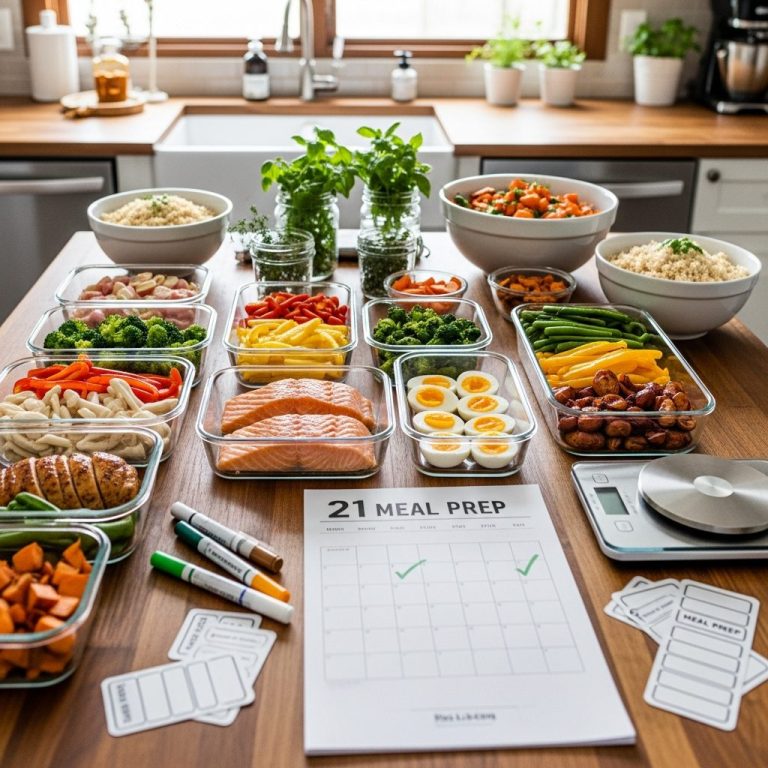
Preparing anti-inflammatory meals requires slightly different strategies than standard meal prep because you’re emphasizing fresh ingredients and avoiding processed shortcuts:
My Sunday prep routine:
- Grill or bake proteins – Wild salmon, grass-fed beef, organic chicken all at once
- Make bone broth – Simmer bones in [this slow cooker] for 12-24 hours
- Roast vegetables – Large batches of cruciferous veggies, root vegetables
- Prep anti-inflammatory bases – Cook quinoa, make cauliflower rice, wash greens
- Make sauces – Pesto, chimichurri, turmeric-ginger dressing
- Hard-boil eggs – Quick protein for any meal
Store everything in glass containers—plastic can leach chemicals that promote inflammation, defeating your efforts. Use [these glass meal prep containers] with compartments that keep foods separate until you’re ready to eat.
The key is having anti-inflammatory components ready to combine quickly. You’re not making complete meals—you’re preparing versatile ingredients that work in multiple combinations.
Related Recipes You’ll Love
Looking for more anti-inflammatory, high-protein meal ideas beyond this 7-day plan? Here are some recipes that fight inflammation while delivering the protein you need:
More Breakfast Ideas: Try these [omega-3-rich morning meals] and [anti-inflammatory smoothie recipes] that start your day right.
Lunch Options: Check out these [healing soup recipes] and [salmon-based lunch ideas] perfect for reducing inflammation.
Dinner Solutions: Explore these [grass-fed meat dinners] and [anti-inflammatory fish preparations] for evening healing.
Complete Guides: Browse our [anti-inflammatory meal prep strategies] and [inflammation-fighting ingredient guides] for extended planning.
Your Anti-Inflammatory Journey Starts Now
Here’s the truth: chronic inflammation doesn’t disappear overnight, but consistent anti-inflammatory eating creates noticeable changes within weeks. Less joint pain, better energy, clearer thinking, easier weight management—these aren’t just hopeful outcomes, they’re predictable results when you remove inflammatory triggers and emphasize healing foods.
This 7-day plan proves you don’t have to sacrifice protein or satisfaction to eat anti-inflammatory. You’re getting 120-140 grams of protein daily from the highest-quality sources while naturally eliminating inflammatory foods and emphasizing ingredients that actively reduce inflammation.
[Download your complete 7-Day High-Protein Anti-Inflammatory Meal Plan PDF] and give yourself the nutritional foundation your body needs to heal. Everything you need—daily meal plans with exact recipes, comprehensive shopping lists, anti-inflammatory food guides, and preparation strategies—is ready right now.
Stop accepting chronic pain and inflammation as inevitable. Stop eating foods that fuel the fire while wondering why nothing improves. This plan gives you the exact blueprint to reduce inflammation while maintaining the protein intake your body needs to thrive.
[Click here to get your downloadable anti-inflammatory meal plan PDF] and start your healing journey today. Your future self—pain-free, energized, and genuinely comfortable in your body—will thank you for finally addressing inflammation at its source: your diet.