33 High-Protein Bowls That Are Filling & Easy
Let’s be real—bowl meals changed the game. You throw everything into one dish, eat it, and you’re done. No complicated plating, no three different pots to scrub. Just good food that actually keeps you full.
I spent years meal prepping chicken and rice in separate containers like some kind of amateur. Then I discovered protein bowls and honestly? Never looked back. These aren’t your sad desk lunch bowls either. We’re talking about meals that pack 25-40 grams of protein, taste incredible, and won’t leave you raiding the snack drawer two hours later.
The beauty of high-protein bowls is how they trick your body into feeling satisfied. Research from Harvard Health shows that protein helps you stay full longer by working with hormones that signal satiety. Translation? You eat one solid bowl and you’re actually done eating, not just pretending to be done while thinking about pizza.
Why Protein Bowls Actually Work
Ever notice how a bagel leaves you starving an hour later, but a protein-packed meal keeps you going? That’s not in your head. Higher protein intake increases something called dietary thermogenesis—basically, your body burns more calories just digesting protein compared to carbs or fats.
According to research published in the National Institutes of Health, consuming protein throughout the day, especially around 0.25-0.40 grams per kilogram of body weight per meal, optimizes muscle protein synthesis. For most people, that’s roughly 20-40 grams per meal depending on your size.
But here’s what sold me: protein bowls are stupid easy to customize. Hate chickpeas? Swap in grilled chicken or tofu. Can’t find quinoa? Rice works. The formula stays the same: protein + grain + veggies + sauce = satisfied human.
The Building Blocks of a Perfect Protein Bowl
Before we jump into specific recipes, let’s talk architecture. Every great protein bowl has four main components, and once you understand these, you can basically freestyle your way through any combination.
1. The Protein Foundation (25-35g minimum)
This is your anchor. Chicken breast, salmon, tofu, tempeh, Greek yogurt, cottage cheese, eggs—whatever speaks to you. I rotate through proteins weekly because eating the same thing every day makes me want to order takeout by Wednesday.
Lean proteins like chicken and fish are obvious choices, but don’t sleep on plant-based options. A cup of cooked lentils has about 18 grams of protein, and when combined with quinoa or rice, you’re getting a complete amino acid profile. Studies show that while animal proteins are “complete” sources containing all essential amino acids, combining plant proteins effectively supports muscle recovery and growth.
2. The Complex Carb Base
Brown rice, quinoa, farro, sweet potato, cauliflower rice for low-carb folks—this gives you sustained energy without the crash. I cook a big batch of jasmine rice in my rice cooker every few days and portion it out. Game changer.
3. The Vegetable Volume
This is where you can actually eat a ton of food for minimal calories. Roasted broccoli, sautéed spinach, raw bell peppers, shredded cabbage, whatever’s in your fridge that needs using. The more color variety, the better your nutrient profile.
4. The Sauce That Matters
Don’t be that person eating dry chicken over plain rice. A good sauce transforms everything. Tahini, Greek yogurt-based dressings, chimichurri, peanut sauce, or even just olive oil with lemon and garlic. You need maybe 2-3 tablespoons to make the whole bowl come together.
Speaking of breakfast options, if you’re looking for more ways to start your day with serious protein, these high-protein breakfast ideas have saved my mornings more times than I can count. High-protein smoothies are another solid choice when you need something quick but substantial.
33 High-Protein Bowl Combinations That Actually Taste Good
Alright, let’s get to the actual bowls. I’m organizing these by protein type because that’s usually what people have on hand or what they’re in the mood for. Feel free to mix and match components—these aren’t sacred recipes, just proven combinations.
Chicken-Based Bowls (Because Chicken Is Life)
1. Mediterranean Chicken Bowl
Grilled chicken, quinoa, cucumber, tomatoes, red onion, feta, kalamata olives, hummus, lemon-herb dressing. About 35g protein. Season the chicken with oregano, garlic powder, and a squeeze of lemon before grilling.
2. Asian-Inspired Sesame Chicken Bowl
Teriyaki chicken (use low-sodium soy sauce), brown rice, edamame, shredded carrots, cucumber, sesame seeds, ginger-soy dressing. Roughly 32g protein. If you’re lazy like me, frozen edamame is your friend—just microwave it.
3. Southwest Fiesta Bowl
Seasoned chicken breast, cilantro-lime rice, black beans, corn, avocado, pico de gallo, Greek yogurt (instead of sour cream), hot sauce. Around 40g protein when you include the beans. Get Full Recipe
4. Buffalo Chicken Bowl
Shredded buffalo chicken (toss cooked chicken in Frank’s RedHot), ranch-drizzled greens, cherry tomatoes, celery, carrots, blue cheese crumbles. About 33g protein. This one’s messy and absolutely worth it.
5. Pesto Chicken & Veggie Bowl
Basil pesto chicken, farro, roasted zucchini, sun-dried tomatoes, arugula, pine nuts, parmesan. Approximately 30g protein. Make your own pesto in a mini food processor if you’re feeling fancy—it’s ridiculously better than jarred.
6. Lemon Garlic Chicken Bowl
Lemon-garlic marinated chicken, wild rice blend, roasted Brussels sprouts, red onion, goat cheese, balsamic glaze. About 34g protein. Brussels sprouts haters, try roasting them at 425°F with olive oil and salt—they transform.
Premium Glass Meal Prep Containers Set
Stop using cheap plastic that stains and warps. These leak-proof glass containers keep food fresh longer and are microwave, oven, and dishwasher safe.
- ✓ BPA-free with airtight locking lids
- ✓ Set of 10 containers in 3 different sizes
- ✓ Won’t absorb odors or stains like plastic
Salmon & Seafood Bowls (Omega-3 Bonus)
7. Honey-Glazed Salmon Bowl
Honey-soy glazed salmon, sushi rice, avocado, cucumber, seaweed salad, pickled ginger, sesame seeds. Roughly 35g protein plus healthy fats. Get Full Recipe
8. Mediterranean Salmon Bowl
Herb-crusted salmon, couscous, roasted red peppers, artichoke hearts, spinach, tzatziki sauce, lemon wedge. About 38g protein. Tzatziki is just Greek yogurt, cucumber, garlic, and dill—make a big batch.
9. Cajun Shrimp Bowl
Cajun-spiced shrimp (season with paprika, cayenne, garlic powder), cauliflower rice, bell peppers, corn, tomatoes, cilantro-lime dressing. Around 30g protein if you use a generous portion of shrimp.
10. Tuna Poke Bowl
Ahi tuna (sushi-grade), white rice, edamame, cucumber, avocado, nori, ponzu sauce, sriracha mayo. Approximately 32g protein. If raw fish isn’t your thing, canned tuna works too—just drain it well.
For more complete meal ideas that won’t derail your goals, check out these high-protein meals for weight loss. They’re actually good, not just “healthy person pretending it’s good” good.
Beef & Pork Bowls (For the Meat Lovers)
11. Korean Beef Bowl
Ground beef with gochujang sauce, sticky rice, kimchi, fried egg, green onions, sesame seeds. About 40g protein. The runny egg yolk mixing with everything is *chef’s kiss*.
12. Steak Burrito Bowl
Sliced steak, cilantro-lime rice, pinto beans, fajita veggies, guacamole, salsa, cheese. Roughly 42g protein. Season the steak with cumin and chili powder for that authentic flavor. Get Full Recipe
13. Greek Beef Bowl
Seasoned ground beef, orzo pasta, spinach, tomatoes, cucumber, red onion, feta, tzatziki. Around 38g protein. This tastes like a deconstructed gyro and I’m here for it.
14. Mongolian Beef Bowl
Mongolian-style beef (brown sugar, soy sauce, ginger), white rice, steamed broccoli, green onions. About 35g protein. Make extra sauce because you’ll want to drizzle it on everything.
15. BBQ Pork Bowl
Pulled pork, sweet potato mash, coleslaw, pickled onions, BBQ drizzle. Approximately 36g protein. Cook the pork in a slow cooker overnight and wake up to already-done meal prep.
Plant-Based Protein Bowls (No Meat Required)
Plant-based doesn’t mean low-protein. When you combine different sources strategically, you’re getting complete amino acid profiles without any animal products.
16. Buddha Bowl Supreme
Crispy tofu (press it first!), quinoa, roasted chickpeas, kale, sweet potato, tahini dressing. About 28g protein combined. The trick is getting that tofu crispy—use a tofu press or wrap it in paper towels under a heavy pan for 15 minutes.
17. Tempeh Power Bowl
Marinated tempeh, brown rice, edamame, purple cabbage, carrots, peanut sauce. Roughly 32g protein. Tempeh has a nutty flavor that’s way better than tofu, fight me.
18. Lentil & Quinoa Bowl
Cooked lentils, quinoa, roasted cauliflower, cherry tomatoes, arugula, lemon-tahini dressing. Around 25g protein. This one’s deceptively filling—small bowl, big satisfaction.
19. Black Bean Fiesta Bowl
Seasoned black beans, brown rice, corn, avocado, salsa, cilantro, lime. About 22g protein (add extra beans or top with hemp seeds for more). Get Full Recipe
20. Chickpea Shawarma Bowl
Roasted chickpeas with shawarma spices, couscous, cucumber, tomatoes, red onion, hummus, tahini. Approximately 26g protein. Roast the chickpeas at 400°F until crispy—game changer.
Professional Chef’s Knife – 8 Inch
A sharp knife makes meal prep 10x faster and safer. This German steel blade glides through chicken, vegetables, and everything else without the struggle.
- ✓ Ultra-sharp high-carbon stainless steel
- ✓ Ergonomic handle reduces hand fatigue
- ✓ Perfectly balanced for precision cutting
If you’re committed to plant-based eating, these high-protein vegetarian meals are legitimately good enough that even meat-eaters request them. I’ve converted at least three friends with the tempeh tacos alone.
Egg-Based Bowls (Breakfast for Dinner Wins)
21. Shakshuka-Inspired Bowl
Poached eggs in spiced tomato sauce, quinoa, feta, fresh herbs, crusty bread for dipping. About 25g protein depending on egg count. Make the sauce in a cast-iron skillet for that authentic vibe.
22. Egg & Avocado Power Bowl
Hard-boiled eggs (slice them), avocado, sweet potato hash, sautéed spinach, everything bagel seasoning. Roughly 20g protein (use 3 eggs). Everything bagel seasoning on avocado is objectively superior to plain avocado.
23. Green Goddess Egg Bowl
Soft-boiled eggs, quinoa, asparagus, peas, avocado, green goddess dressing (herbs, Greek yogurt, lemon). About 22g protein. The runny yolk is essential—don’t overcook it.
Greek Yogurt & Cottage Cheese Bowls (Yes, Really)
24. Savory Greek Yogurt Bowl
Plain Greek yogurt base, cucumber, cherry tomatoes, olives, za’atar spice, olive oil drizzle, whole grain pita. Around 20g protein. Sounds weird, tastes incredible.
25. Cottage Cheese Lunch Bowl
Cottage cheese, cherry tomatoes, cucumber, everything bagel seasoning, olive oil, cracked pepper. About 25g protein per cup of cottage cheese. Add avocado if you want more healthy fats. Get Full Recipe
26. Sweet & Savory Yogurt Bowl
Greek yogurt, grilled vegetables, chickpeas, pomegranate seeds, honey drizzle, mint. Roughly 18g protein. The sweet-savory combo works way better than it should.
Combo Bowls (Multiple Proteins = Maximum Results)
27. Surf & Turf Bowl
Grilled steak and shrimp, wild rice, grilled asparagus, mushrooms, chimichurri sauce. About 45g protein. This is fancy meal prep that looks way harder than it actually is.
28. Chicken & Chickpea Bowl
Grilled chicken, roasted chickpeas, bulgur wheat, roasted vegetables, tahini dressing. Approximately 40g protein. Double protein sources mean you’re full for hours.
29. Salmon & Egg Bowl
Smoked salmon, soft-boiled eggs, quinoa, avocado, capers, dill, lemon. Around 35g protein. This tastes expensive but costs like $6 to make.
30. Tofu & Tempeh Bowl
Crispy tofu, marinated tempeh, brown rice, stir-fried vegetables, spicy peanut sauce. About 38g protein combined. Vegan protein powerhouse right here.
Need a structured approach? This 7-day high-protein meal plan takes the guesswork out. Or if you want to commit longer term, the 14-day plan builds better habits without feeling restrictive.
Global Inspiration Bowls (Travel Without Leaving Home)
31. Thai Basil Chicken Bowl
Ground chicken with Thai basil, jasmine rice, fried egg, cucumber, Thai chili (optional). About 35g protein. Use oyster sauce and fish sauce for authentic flavor—trust the process.
32. Jamaican Jerk Bowl
Jerk-spiced chicken or pork, rice and peas, plantains, cabbage slaw, mango salsa. Roughly 36g protein. The plantains add natural sweetness that balances the spice perfectly. Get Full Recipe
33. Middle Eastern Falafel Bowl
Homemade or store-bought falafel, couscous, hummus, tabbouleh, pickled vegetables, tahini sauce. Around 24g protein. Make extra falafel and freeze them—they reheat beautifully in the air fryer.
The Meal Prep Strategy That Actually Works
Here’s where people usually mess up: they try to prep entire finished bowls on Sunday and eat sad, soggy meals by Thursday. Don’t do that. Prep components separately and assemble fresh.
Sunday Prep Session (90 minutes max):
- Cook 2-3 protein sources (grilled chicken, hard-boiled eggs, baked salmon)
- Make 2 large batches of grains (rice and quinoa cover most bases)
- Roast a sheet pan of mixed vegetables
- Prep 2 sauces in mason jars
Store everything in separate containers. When you’re ready to eat, take what you want, heat what needs heating, and assemble. Takes 5 minutes and tastes fresh every single time.
Research shows that consuming 20-40 grams of protein post-workout optimizes muscle recovery, so these bowls work perfectly as post-gym meals. The timing matters less than hitting your total daily protein intake, but having a solid protein bowl ready after training makes life easier.
For comprehensive meal prep guidance, these 40 high-protein meal prep ideas cover every scenario from busy weekdays to weekend meal prep marathons.
Common Protein Bowl Mistakes (And How to Fix Them)
Mistake 1: Not Seasoning Your Protein
Plain grilled chicken is punishment, not food. Use salt, pepper, garlic powder, paprika—literally anything. Marinade for 30 minutes if you have time, or even just a quick seasoning before cooking makes a massive difference.
Mistake 2: Skimp on the Sauce
I see people eating dry bowls and wondering why they hate healthy food. The sauce ties everything together. Make it yourself or buy quality store-bought, but don’t skip it. A good tahini dressing or chimichurri transforms the entire experience.
Mistake 3: All Soft Textures
You need textural variety. If everything’s soft (rice, chicken, cooked veggies), your brain gets bored. Add crispy chickpeas, toasted nuts, fresh vegetables, or crunchy seeds. Your jaw wants something to do.
Mistake 4: Forgetting Healthy Fats
Protein and carbs alone won’t keep you satisfied. Add avocado, olive oil, nuts, or seeds. Fats slow digestion and keep you full longer. Plus, many vitamins in vegetables are fat-soluble, so you’re actually absorbing nutrients better.
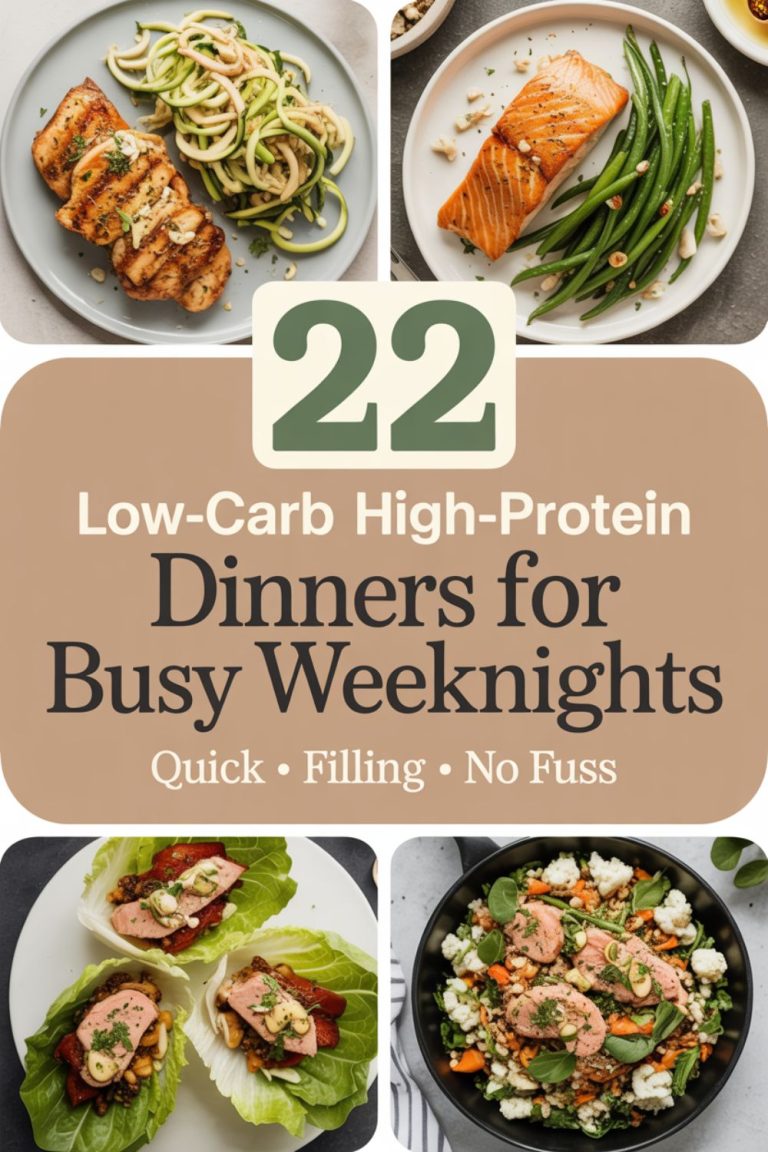
Speaking of balanced nutrition, if you’re watching your carb intake, these low-carb high-protein dinners maintain that satisfaction factor without the carb load. And for those who want comfort food that doesn’t derail progress, these healthy comfort foods prove you can have both.
Budget-Friendly Protein Bowl Hacks
High-protein eating doesn’t require a trust fund. Here’s how to keep costs down without sacrificing quality:
Buy proteins on sale and freeze them. Chicken breast goes on sale? Buy five pounds and freeze in individual portions using freezer bags. Same with salmon and ground beef. Future you will be grateful.
Eggs are the ultimate budget protein. At roughly $3-4 per dozen and 6 grams of protein per egg, they’re unbeatable. Hard-boiled eggs last a week in the fridge and work in almost any bowl combination.
Don’t overlook canned fish. Tuna and salmon in cans are shelf-stable protein that costs pennies per gram. Mix with Greek yogurt, lemon, and dill for an instant protein topping.
Legumes stretch your budget. A bag of dried lentils or beans costs under $2 and provides multiple meals. They’re technically “incomplete” proteins, but combine them with rice or quinoa and you’ve got all nine essential amino acids.
Buy generic everything. Greek yogurt, cottage cheese, rice, quinoa—the store brand is usually 30-40% cheaper and tastes identical. Save your money for quality proteins and fresh vegetables.
The Quick Assembly Cheat Sheet
When you’re staring at prepped containers wondering what combination won’t be weird, follow this formula:
Base (1 cup): Rice, quinoa, farro, cauliflower rice, greens, or sweet potato
Protein (4-6 oz): Whatever you have prepped—aim for palm-sized portion
Cooked vegetables (1-2 cups): Roasted broccoli, peppers, zucchini, Brussels sprouts
Raw vegetables (1 cup): Lettuce, spinach, cucumber, tomatoes, shredded cabbage
Healthy fat (1-2 tbsp): Avocado, nuts, seeds, olive oil, tahini
Sauce (2-3 tbsp): Whatever complements your protein choice
Mix and match within reason. Asian-spiced chicken probably doesn’t want tzatziki sauce, but most combinations work if the flavor profiles align.
When Protein Bowls Work Best
These aren’t just for lunch. I eat protein bowls for breakfast (yes, savory breakfast is superior), lunch, dinner, and even post-workout meals. They’re versatile enough to fit any eating schedule.
Busy workdays: Assemble in the morning, eat at your desk without needing a microwave for certain combinations. For more workday-specific meals, these high-protein lunches are designed for minimal prep and maximum portability.
Post-workout: Your muscles need protein within that recovery window. Having a prepped bowl ready means you’re not reaching for whatever’s convenient (usually not protein-rich).
Late nights: When you’re hungry at 9 PM but don’t want to cook a full meal, a protein bowl assembles in minutes and won’t leave you feeling heavy before bed.
Meal prep Sundays: Make multiple versions with different proteins and flavor profiles so you’re not eating the same thing five days straight.
📋 40 High-Protein Meal Prep Ideas Bundle
Complete collection of ready-to-prep bowls with photos, macros, and storage tips. Everything you need to meal prep like a pro without the trial and error.
$24.97 Download NowCustomizing for Different Goals
Not everyone’s eating protein bowls for the same reason. Here’s how to adjust based on what you’re after.
For Fat Loss
Keep the protein high (30-40g), moderate the carbs (½ cup cooked grains instead of 1 cup), and load up on non-starchy vegetables. Use cauliflower rice as your base occasionally to cut calories while maintaining volume. Skip cheese or use it sparingly—it’s calorie-dense and easy to overdo.
These high-protein dinners for fat loss follow the same principles if you need dinner-specific ideas that keep you in a deficit without feeling deprived.
For Muscle Gain
Increase everything. Full cup of grains, larger protein portions (6-8 oz), add extra healthy fats like nuts or avocado, and don’t be afraid of calorie-dense ingredients. You need a surplus to build muscle, so these bowls should be substantial. Add a side of whole grain bread or extra serving of quinoa if needed.
For Maintenance
Balanced approach—1 cup grains, 4-6 oz protein, plenty of vegetables, moderate fats. This is where most people should land. You’re eating enough to feel satisfied without specifically trying to lose or gain weight.
For Vegetarian/Vegan
Focus on combining proteins to get complete amino acid profiles. Legumes + grains is the classic combo. Add hemp seeds, nutritional yeast, or plant-based protein powder mixed into sauces if you’re struggling to hit protein targets. Tempeh and tofu should be your go-to bases.
If you’re fully plant-based, this 7-day vegetarian meal plan takes the guesswork out of hitting your protein numbers without animal products.
Storage and Food Safety Tips
Let’s talk about not giving yourself food poisoning, because that would ruin your whole week.
Cooked proteins last 3-4 days in the fridge. After that, freeze them or toss them. Don’t risk it. If chicken smells weird, it’s not “probably fine”—it’s garbage.
Rice needs special attention. Cool it quickly after cooking and refrigerate within 2 hours. Reheated rice causes food poisoning more than people realize. Store in shallow containers so it cools faster.
Keep sauces separate. Don’t pre-dress your bowls. Sauces make everything soggy and reduce shelf life. Store in small containers or squeeze bottles and add when you’re ready to eat.
Raw vegetables stay crunchier. Add them fresh when assembling rather than storing them mixed with warm proteins. Keeps the textural variety intact.
Label everything with dates. Seriously, just do it. You won’t remember when you made that chicken, and guessing leads to waste or potential illness.
Troubleshooting Common Issues
Problem: My bowls are boring.
Solution: You’re skipping the sauce or not using enough seasonings. Also, add textural variety—crispy elements, fresh herbs, pickled vegetables. These small additions make everything more interesting.
Problem: I’m hungry two hours later.
Solution: You’re not eating enough protein or healthy fats. Increase your protein portion by 2 oz and add a full serving of avocado or nuts. Volume from vegetables alone won’t keep you full.
Problem: Everything tastes the same.
Solution: Rotate your proteins and completely change flavor profiles. If you ate Asian-inspired bowls all week, switch to Mediterranean or Southwest next week. Different spices and sauces transform the same base ingredients.
Problem: Meal prep takes too long.
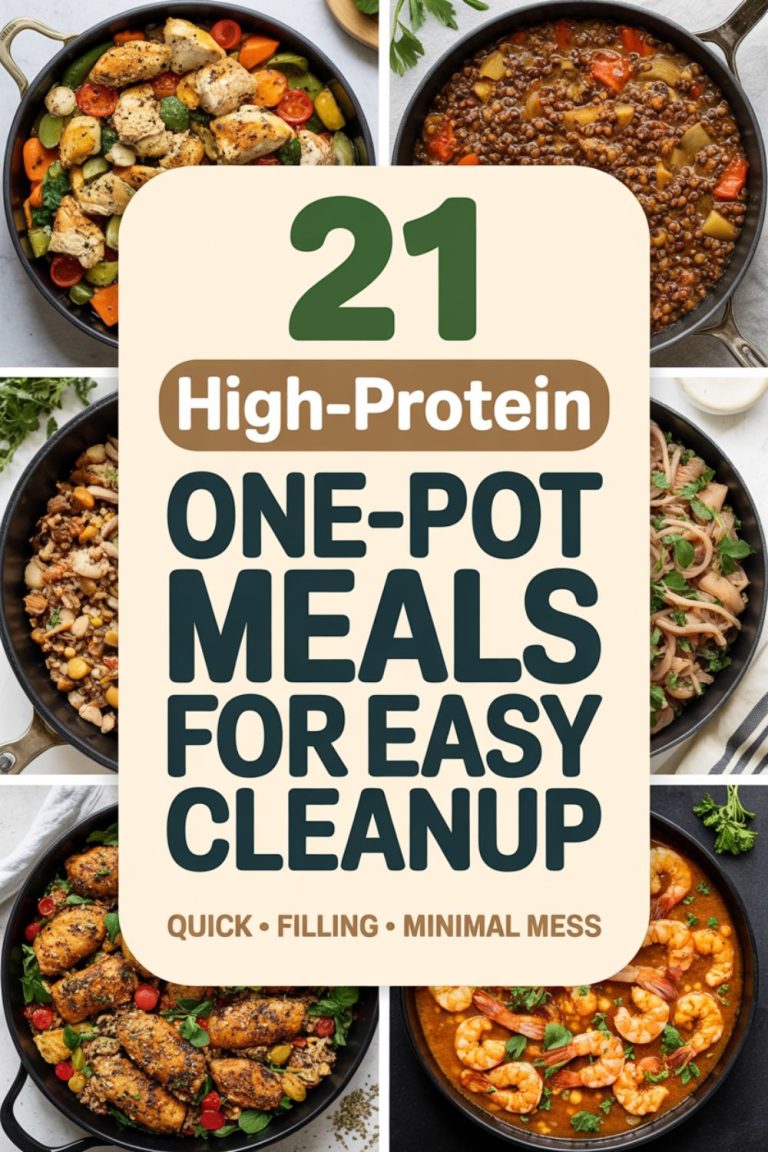
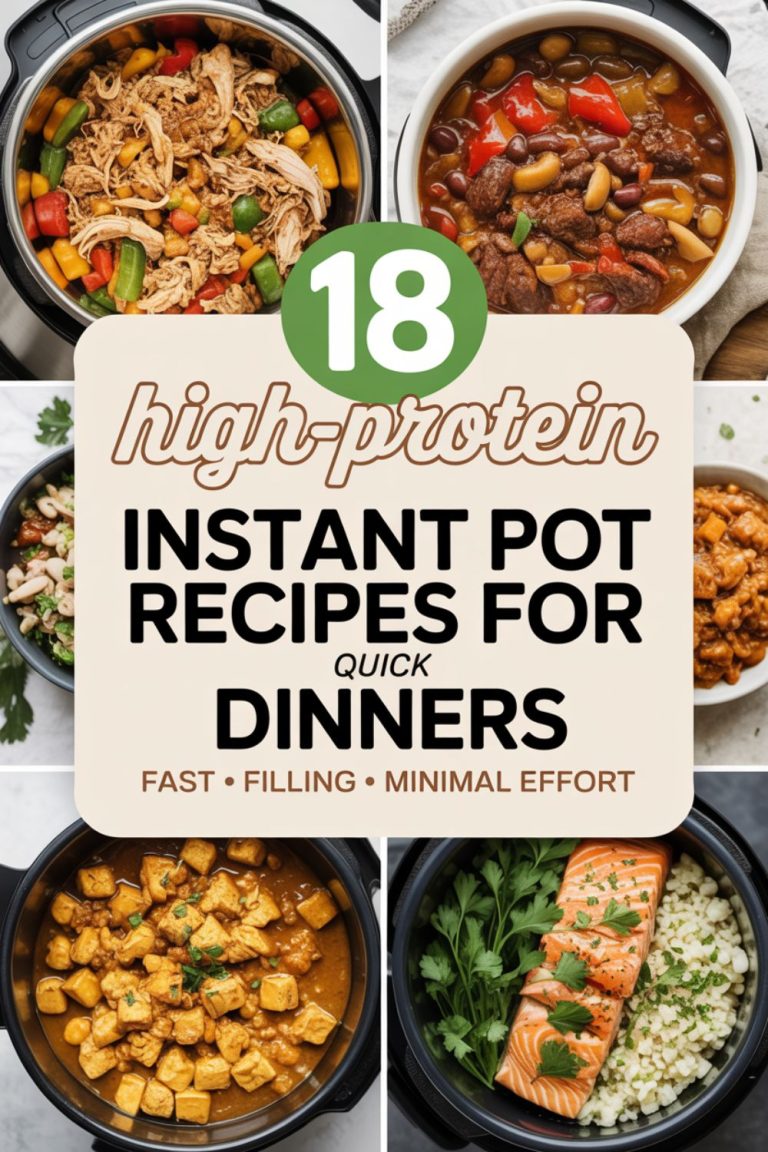
Solution: You’re overthinking it. Cook proteins in bulk, make a big batch of one grain, roast one sheet pan of vegetables. That’s it. Three components, not twelve different perfectly portioned items. Use what’s already in the Instant Pot or slow cooker while you do other things.
Instant Pot Duo 7-in-1 Electric Pressure Cooker
Cook perfect chicken breast, rice, and beans in half the time with zero babysitting. Set it and forget it while you do literally anything else.
- ✓ Pressure cooker, slow cooker, rice cooker in one
- ✓ 6-quart capacity for meal prep batches
- ✓ Programmable timer and keep-warm function
Problem: My family won’t eat these.
Solution: Set up a DIY bowl bar. Make proteins, bases, toppings, and sauces separately and let everyone build their own. Kids especially love choosing their own combinations. Suddenly it’s fun instead of “weird healthy food.”
The Protein Bowl Philosophy
Here’s what I’ve learned after years of eating these: protein bowls work because they remove decision fatigue while giving you complete nutrition. You’re not thinking about side dishes or whether you’re getting enough vegetables. Everything’s in one place, balanced and ready.
They’re also forgiving. Forgot to defrost chicken? Use canned tuna or hard-boiled eggs. Out of quinoa? Rice works. No avocado? Add some nuts instead. The framework stays the same even when ingredients change.
And honestly? They just taste better when you get the formula right. All the flavors mixing together, the warm protein with cold fresh vegetables, that perfect sauce coating everything—it’s satisfying in a way that separated components aren’t.
For a structured approach that takes all the planning off your plate, the 21-day meal prep challenge walks you through building this habit systematically. Or if you want the complete system, the 30-day transformation plan includes everything from shopping lists to exact recipes.
Want Fresh Protein Bowl Ideas Every Week?
Join our free WhatsApp channel for weekly bowl combinations, ingredient swap ideas, and real-time meal prep Q&A. No spam, just practical tips from people actually doing this.
Join Free WhatsApp ChannelMaking It Sustainable Long-Term
The biggest mistake people make is treating protein bowls like a temporary diet thing. This isn’t a phase—it’s just a smart way to eat that happens to support your goals.
I’ve been eating some version of protein bowls for three years now. Not every single meal, but they’re my default when I need something quick, filling, and nutritious. They’ve survived my busiest work weeks, travel schedules, and those phases where I couldn’t be bothered to cook anything complicated.
The key is variety. Don’t eat the same bowl for six months straight. Rotate proteins weekly. Try new sauce recipes. Experiment with different grains. Keep it interesting and you’ll never get sick of it.
Also, give yourself permission to order takeout sometimes. This isn’t about perfection—it’s about having a reliable system that works most of the time. Protein bowls make the 80% easier so the 20% can be whatever you want.
🔥 30-Day High-Protein Transformation Plan
Complete PDF bundle with meal plans, recipes, shopping lists, progress tracker, and community support. Transform your eating habits in just one month.
$39.97 Start Your TransformationFrequently Asked Questions
Can I eat protein bowls every day without getting bored?
Absolutely, if you’re rotating your proteins and flavor profiles. The mistake people make is eating the same exact bowl repeatedly. Switch between chicken, fish, beef, eggs, and plant-based proteins throughout the week. Change your sauces and seasonings completely—go from Asian-inspired to Mediterranean to Southwest. Same format, totally different eating experience.
How much protein do I actually need per meal?
Most people do well with 20-40 grams of protein per meal, depending on body size and activity level. If you’re active or trying to build muscle, aim for the higher end. The research shows spreading protein throughout the day is more effective than loading it all into one massive meal, so these bowls make it easy to hit that 25-35 gram sweet spot.
Are protein bowls good for weight loss?
They can be incredibly effective because they keep you full longer, which naturally reduces snacking and overeating. The high protein content helps preserve muscle mass while you’re in a calorie deficit, and the fiber from vegetables adds volume without tons of calories. Just watch your portion sizes on grains and sauces if fat loss is your primary goal.
Can I meal prep protein bowls for an entire week?
Yes, but prep components separately rather than fully assembled bowls. Cooked proteins, grains, and roasted vegetables all last 3-4 days in the fridge when stored properly. Prep on Sunday and Wednesday for best freshness. Keep sauces separate and add fresh vegetables when you’re ready to eat. This keeps everything tasting fresh instead of sad and soggy.
What’s the best base for protein bowls if I’m trying to cut carbs?
Cauliflower rice is the obvious choice—it’s low-carb, adds volume, and absorbs flavors well. Leafy greens like spinach, arugula, or mixed greens work great too. You can also use spiralized vegetables like zucchini noodles or spaghetti squash. These bases let you keep the bowl format while significantly reducing carb intake without sacrificing the satisfaction factor.
Final Thoughts
Protein bowls aren’t revolutionary. They’re just smart eating made simple. You get complete nutrition in one dish, they’re endlessly customizable, they keep you full for hours, and they actually taste good when you put in minimal effort.
I’m not saying you need to eat these every day for the rest of your life. But having this system in your back pocket means you’re never more than 10 minutes away from a solid meal that supports whatever goals you’re working toward. Whether that’s fat loss, muscle gain, or just not feeling like trash by 3 PM.
Get Daily Meal Prep Tips & Recipe Ideas
Join our WhatsApp community and get exclusive high-protein recipes, meal prep hacks, and weekly grocery lists sent straight to your phone. Plus, connect with others on the same journey.
Join the WhatsApp CommunityThe 33 combinations I’ve shared are just starting points. Once you understand the formula—protein, base, vegetables, sauce—you can create hundreds of variations based on what’s in your fridge and what you’re in the mood for. No recipe required, no complicated instructions, just real food that keeps you satisfied.
Start with one or two bowls this week. See how they make you feel. Adjust portions and flavors to match your preferences. Before you know it, you’ll have your own rotation of go-to combinations that you could make half-asleep.
And that’s the whole point—making healthy eating so easy and automatic that it’s not even a decision anymore. Just grab your prepped components, throw them in a bowl, and get on with your day. Simple, effective, and sustainable. That’s what actually works long-term.