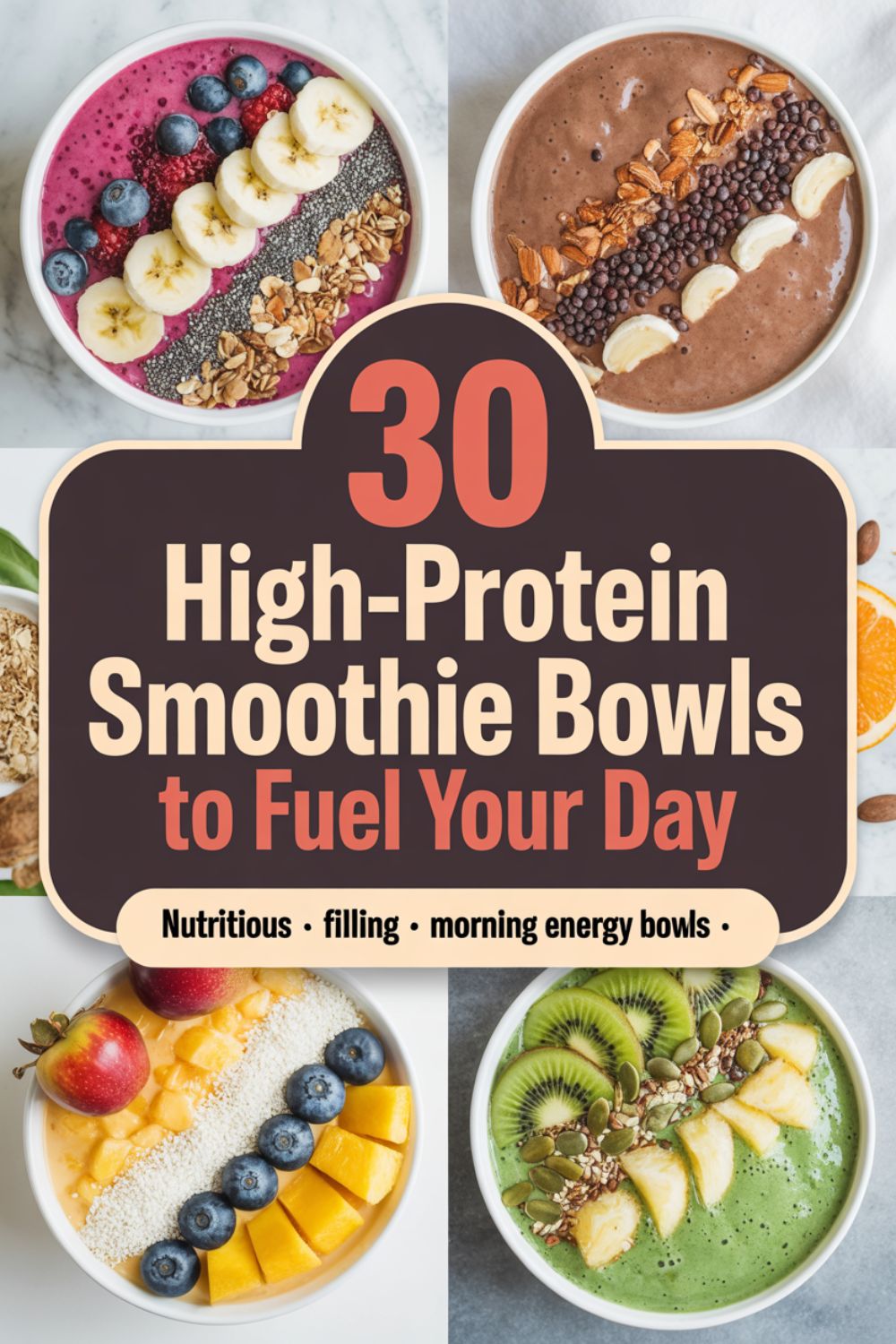
30 High-Protein Smoothie Bowls to Fuel Your Day
Listen, I get it. You’re probably tired of hearing about another breakfast trend that promises to change your life. But here’s the thing about protein-packed smoothie bowls—they actually deliver. No fluff, no empty promises, just real fuel that keeps you going until lunch without that weird 10 a.m. crash.
I stumbled into the smoothie bowl world accidentally about three years ago when my usual protein shake routine got boring as hell. Turns out, when you can actually chew your breakfast and pile it high with crunchy toppings, eating healthy becomes way less of a chore. Plus, cramming 20-30 grams of protein into a bowl that tastes like dessert? Yeah, I’m here for that.
The real game-changer is understanding that protein intake for active individuals should be higher than sedentary people—somewhere around 1.4 to 2 grams per kilogram of body weight daily. These smoothie bowls make hitting those numbers taste like you’re treating yourself rather than forcing down yet another boring chicken breast.
Why Protein Actually Matters in Your Morning Bowl
Before we dive into the recipes, let’s talk about why protein isn’t just gym-bro science. Your muscles are constantly breaking down and rebuilding—that’s just how bodies work. When you exercise, those tiny muscle tears need amino acids to repair properly. According to research on post-exercise nutrition, consuming protein after physical activity optimizes the muscle protein remodeling process.
But here’s what nobody tells you: protein also keeps you full. Like, actually full. Not that fake “I just ate a bagel and I’m hungry again in an hour” kind of full. We’re talking sustained energy that doesn’t leave you staring at the vending machine by mid-morning.
The beauty of smoothie bowls is they let you layer your protein sources. Greek yogurt gives you casein, protein powder delivers whey (if you go that route), and nut butters add plant-based protein. Stack them right, and you’re looking at a complete amino acid profile without even trying.
The Base Formula That Never Fails
Every killer smoothie bowl starts with a solid base. Here’s my foolproof ratio that I’ve tested probably a hundred times at this point:
- 1 cup frozen fruit (whatever you’ve got—berries, mango, dragon fruit)
- 1/2 cup Greek yogurt (the thick, protein-rich kind, not that watery nonsense)
- 1 scoop protein powder (25-30g protein typically)
- 1/4 cup liquid (almond milk, regular milk, whatever floats your boat)
- 1 tablespoon nut butter (because healthy fats keep you satisfied longer)
Blend that until it’s thick but scoopable—you want it to resist your spoon just a bit. If you need a high-powered blender that can handle frozen fruit without sounding like it’s dying, I’m obsessed with this Vitamix alternative that costs way less but gets the job done perfectly.
The toppings are where things get fun. I keep these glass meal prep containers filled with pre-portioned toppings in my fridge—sliced almonds, chia seeds, hemp hearts, and granola. Makes morning assembly stupid easy when you’re half asleep.
Getting the Consistency Right
This part trips people up constantly. Your smoothie bowl should be thick enough that toppings sit on top rather than sinking into a purple puddle. The trick is using less liquid than you think you need. Start with just 1/4 cup and only add more if your blender is literally refusing to blend. You can always thin it out, but you can’t un-thin it without adding more ingredients.
If your bowl turns out too thin, toss in a handful of ice cubes or more frozen fruit. If it’s too thick and your blender is struggling, add liquid one tablespoon at a time. I learned this the hard way after destroying what could’ve been a perfectly good breakfast by dumping in too much almond milk at once.
30 High-Protein Smoothie Bowl Variations You’ll Actually Make
Alright, let’s get to the good stuff. These aren’t those Pinterest-perfect bowls that require 47 ingredients you definitely don’t have. These are real recipes I rotate through regularly because they’re simple, tasty, and pack serious protein.
Berry Blast Bowls (Recipes 1-5)
1. Classic Strawberry Protein Bowl – Frozen strawberries, vanilla protein powder, Greek yogurt, topped with fresh strawberries and this amazing sugar-free granola. Basic? Sure. Delicious? Absolutely. Get Full Recipe
2. Triple Berry Antioxidant Bowl – Mix of blueberries, raspberries, and blackberries with chocolate protein powder. Sounds weird, works perfectly. The chocolate complements the berry tartness better than you’d expect. Top with cacao nibs and coconut flakes. Get Full Recipe
3. Strawberry Banana Cream Bowl – Half strawberries, half banana, vanilla protein, and a tablespoon of cashew butter. Tastes exactly like those strawberry banana smoothies from your childhood but with 30g of protein. Get Full Recipe
4. Acai Berry Power Bowl – Pure acai packet (the unsweetened kind), mixed berries, protein powder. This is basically the Instagram-famous acai bowl but with actual protein. If you’re looking for more breakfast inspo that keeps you full, check out these high-protein breakfast ideas to stay full longer.
5. Cherry Vanilla Dream Bowl – Frozen cherries, vanilla protein, Greek yogurt. Cherries have this natural sweetness that means you don’t need to add any sweetener. Top with sliced almonds and dark chocolate shavings.
Tropical Paradise Bowls (Recipes 6-10)
6. Mango Coconut Protein Bowl – Frozen mango, coconut milk, vanilla protein powder. Top with toasted coconut flakes and these crispy freeze-dried mango pieces. It’s like vacation in a bowl, except with muscles.
7. Pineapple Ginger Sunshine Bowl – Pineapple, tiny bit of fresh ginger (don’t go crazy or you’ll regret it), vanilla protein. The ginger adds this zingy kick that wakes you up better than coffee. Almost.
8. Tropical Green Machine – Mango, spinach (you won’t taste it, promise), vanilla protein, coconut water. Sneaking greens into breakfast without suffering through them is a legitimate life skill. Get Full Recipe
9. Dragon Fruit Sunrise Bowl – Pink dragon fruit (pitaya), banana, strawberry protein powder. Warning: this one is aggressively pink. In the best way possible. Makes for great photos if you’re into that kind of thing.
10. Passion Fruit Protein Bowl – Passion fruit pulp, mango, vanilla protein. This tastes expensive even though it’s not. The passion fruit seeds add this nice textural crunch too.
For those mornings when you need something more substantial alongside your bowl, these high-protein lunch recipes work surprisingly well as brunch options.
Chocolate Lover Bowls (Recipes 11-15)
11. Double Chocolate Protein Bowl – Chocolate protein powder, cacao powder, frozen banana, almond milk. This is basically a chocolate milkshake masquerading as health food. I’m not complaining. Get Full Recipe
12. Chocolate Peanut Butter Cup Bowl – Chocolate protein, frozen banana, tablespoon of peanut butter blended in, topped with more peanut butter because why not. If you’re a PB fanatic like me, this natural peanut butter doesn’t have that gross oil separation issue.
13. Chocolate Cherry Garcia Bowl – Chocolate protein, frozen cherries, vanilla extract. Tastes like the ice cream flavor but with 25g of protein. Science is amazing.
14. Mocha Protein Bowl – Chocolate protein powder, shot of cold brew coffee, frozen banana. For those days when you need your breakfast to also function as your morning caffeine hit. Get Full Recipe
15. Chocolate Mint Protein Bowl – Chocolate protein, frozen banana, tiny bit of peppermint extract (seriously, like three drops max). Top with cacao nibs and fresh mint leaves. Tastes like those Girl Scout cookies but won’t set you back 400 empty calories.
Green Goddess Bowls (Recipes 16-20)
16. Vanilla Spinach Power Bowl – Massive handful of spinach, vanilla protein, frozen banana, mango. The mango completely masks the spinach flavor. It’s borderline magical. Get Full Recipe
17. Mint Chip Green Bowl – Spinach, vanilla protein, frozen banana, peppermint extract, cacao nibs. Tastes like mint chip ice cream, looks like you’re being healthy. Win-win.
18. Avocado Vanilla Bowl – Half an avocado, vanilla protein, frozen banana, spinach. The avocado makes this ridiculously creamy and adds healthy fats that keep you full forever. Get Full Recipe
19. Kale Pineapple Protein Bowl – Baby kale, pineapple, vanilla protein, coconut water. The pineapple sweetness balances out the kale bitterness. Use baby kale though—regular kale is too intense for smoothie bowls.
20. Green Apple Protein Bowl – Spinach, green apple, vanilla protein, almond butter. The apple adds this crisp, tart flavor that’s surprisingly refreshing.
Meal Prep Essentials Used in These Bowls
- High-Speed Blender – Worth every penny for daily smoothie bowls
- Glass Meal Prep Containers – For prepping toppings and storing pre-made bowls
- Reusable Smoothie Bowl Containers – Perfect for on-the-go mornings
Digital Resources:
Nut Butter Bliss Bowls (Recipes 21-25)
21. Almond Butter Banana Bowl – Frozen banana, almond butter, vanilla protein, almond milk. Simple but stupidly good. Sometimes simple wins. Get Full Recipe
22. Cashew Cookie Dough Bowl – Cashew butter, frozen banana, vanilla protein, pinch of sea salt, vanilla extract. Tastes eerily like cookie dough. The sea salt is crucial—don’t skip it.
23. Peanut Butter Banana Chocolate Bowl – The classic combo. Frozen banana, chocolate protein, peanut butter, cocoa powder. This is what I make when I need comfort food that won’t completely derail my day. Get Full Recipe
24. Sunflower Seed Butter Bowl – For my nut-allergic friends. Sunflower seed butter, frozen strawberries, vanilla protein. Works just as well as nut butter, different flavor profile.
25. Tahini Date Bowl – Tahini (sesame butter), frozen banana, Medjool dates, vanilla protein. This one’s got Middle Eastern vibes and tastes way more sophisticated than a breakfast bowl has any right to be.
Speaking of protein-packed meals, if you’re trying to build muscle, these high-protein smoothies for muscle gain take things up another notch with even more strategic protein timing.
Unique Flavor Combos (Recipes 26-30)
26. Pumpkin Pie Protein Bowl – Pumpkin puree, frozen banana, vanilla protein, pumpkin pie spice, tiny bit of maple syrup. Fall in a bowl. I make this year-round because who says pumpkin is just for autumn?
27. Carrot Cake Protein Bowl – Frozen cauliflower rice (trust me), carrot, frozen banana, vanilla protein, cinnamon, nutmeg, walnuts. The cauliflower rice makes it super thick without adding flavor. Get Full Recipe
28. Blueberry Muffin Bowl – Frozen blueberries, vanilla protein, oats blended into the base, Greek yogurt, cinnamon. Top with this grain-free granola for actual muffin top texture.
29. Lemon Blueberry Protein Bowl – Frozen blueberries, vanilla protein, lemon zest, touch of lemon juice. Bright, refreshing, and tastes way more complicated than it actually is. Get Full Recipe
30. Coffee Protein Bowl – Cold brew concentrate, frozen banana, chocolate or vanilla protein, touch of cinnamon. For those “I need breakfast AND coffee but don’t have time for both” mornings. Game-changer.
The Topping Strategy That Changes Everything
Let’s be real—the toppings are what separate a basic smoothie bowl from something you actually look forward to eating. But here’s where people go wrong: they either under-top (sad and boring) or over-top (a thousand calories of granola and nut butter later…).
Here’s my strategic topping approach that keeps things interesting without going overboard:
Crunch factor: Pick one crunchy element. Granola, nuts, seeds, or cereal. Just one. Measure it out—about 2 tablespoons worth. I use this tiny kitchen scale because eyeballing portions is how I accidentally ate 400 calories of almonds thinking it was a light snack.
Fresh fruit: Slice it thin and arrange it pretty if you want those Instagram vibes, or just chunk it on there if you’re hungry and don’t care about aesthetics. Either way works. Fresh fruit adds texture contrast to the frozen base.
Healthy fat: A drizzle of nut butter, a few slices of avocado, or some coconut flakes. This is crucial for keeping you full and helping your body absorb fat-soluble vitamins from all that fruit.
Seeds for texture and nutrition: Hemp hearts, chia seeds, flax seeds, or pumpkin seeds. These add omega-3s, fiber, and extra protein without changing the flavor much. I keep them all in these airtight containers so they don’t go rancid.
The total topping situation should add another 5-10g of protein and about 150-200 calories. More than that and you’re getting into full meal territory rather than breakfast bowl territory.
Protein Powder: Choosing Without Losing Your Mind
The protein powder aisle is genuinely overwhelming. I’ve tried probably twenty different brands at this point, and here’s what I’ve learned: expensive doesn’t always mean better, and flavor matters way more than you think it will.
Whey protein is the gold standard for muscle recovery according to research on protein supplementation. It digests fast, has all the essential amino acids, and usually tastes pretty good. The downside? Not great if you’re lactose intolerant or vegan.
Plant-based protein blends (pea, brown rice, hemp) have come a long way. The chalky texture problem that plagued them five years ago is mostly solved now. They work just as well as whey for building muscle when you get enough total protein throughout the day.
Casein protein digests slowly, which some people love for breakfast since it provides sustained amino acid release. Personally, I find it makes my smoothie bowls too thick and gluey, but some folks swear by it.
My move: buy unflavored or vanilla. Chocolate protein powder sounds like a good idea until you want to make a berry bowl and everything turns this weird brown color. Vanilla works with literally everything. If you want chocolate flavor, add cacao powder separately.
For those days when you want to switch things up entirely, these high-protein snacks under 150 calories make great between-meal options.
Tools & Resources That Make This Easier
- Portion Control Containers – For pre-measuring toppings on Sunday
- Silicone Ice Cube Trays – Perfect for freezing leftover smoothie base
- Insulated Smoothie Bowl Carriers – Game-changer for bringing these to work
Downloadable Meal Plans:
Making This Work When Life Gets Chaotic
Real talk: the reason most healthy eating plans fail isn’t because they don’t work—it’s because they’re not sustainable when life gets messy. Which it always does, because life is chaos.
Here’s how I make smoothie bowls work even during my busiest weeks. Every Sunday night, I spend about 20 minutes doing what I call my “smoothie bowl prep.” Sounds extra, but it means I can make breakfast in literally three minutes on weekday mornings.
Pre-portion everything. I use these silicone bags to create five individual smoothie packs. Each bag gets one serving of frozen fruit, a frozen banana, and a scoop of protein powder. Store them in the freezer.
Keep liquid and yogurt stocked. I always have a backup carton of almond milk and a couple tubs of Greek yogurt. Running out of either means you can’t make smoothie bowls, and that’s how you end up at the drive-through eating something that definitely doesn’t have 30g of protein.
Prep toppings in jars. Mason jars with pre-portioned nuts, seeds, and granola sit in my fridge. Grab one, dump it on top of your bowl, done. Takes zero brain power at 6 a.m.
Some mornings I’m genuinely too rushed even for this streamlined system. On those days, I blend everything, pour it into this leak-proof travel mug, and drink it on the way to work. Not as satisfying as eating from a bowl, but still hits the protein target.
If you’re someone who struggles with meal consistency, these high-protein meals for weight loss offer more variety while keeping things simple.
Why the Protein-to-Carb Ratio Actually Matters
You’ve probably heard about macros. Maybe you care, maybe you don’t. But here’s the thing about smoothie bowls—it’s super easy to accidentally make them way too carb-heavy if you’re not paying attention.
A bowl that’s all fruit might taste amazing and seem healthy, but it’s basically a sugar bomb that’ll spike your blood glucose and leave you starving in an hour. Not ideal. The protein is what makes these bowls actually filling and helps stabilize your blood sugar throughout the morning.
Research shows that protein consumption helps with muscle recovery and reduces exercise-induced damage. But beyond the fitness benefits, protein also has the highest satiety factor of any macronutrient. Basically, it keeps you full longer than carbs or fats.
My target ratio for smoothie bowls: aim for at least 25g protein with no more than 40g carbs. That usually shakes out to about a 1:1.5 or 1:2 protein-to-carb ratio. Not perfect, but close enough to keep blood sugar stable and hunger at bay.
Here’s where most people mess up: they use too much fruit, not enough protein powder or yogurt, and skip the healthy fats entirely. Then they wonder why they’re hungry an hour later. The formula I gave you earlier (the base formula section) hits these ratios pretty well without requiring you to track every single gram.
For more structured approaches to protein intake throughout the day, check out this 30-day high-protein transformation plan that maps out every meal.
Common Mistakes That Sabotage Your Smoothie Bowl
I’ve made every possible smoothie bowl mistake, so learn from my failures. Here are the ones that’ll completely derail your breakfast if you’re not careful.
Mistake #1: Too much liquid. We covered this earlier, but it bears repeating. Once you’ve made your bowl too thin, there’s no going back without adding more ingredients. Start with less liquid than you think you need. Your blender will be fine, I promise.
Mistake #2: Using room temperature fruit. Frozen fruit is not optional. It’s what makes your bowl actually thick and ice cream-like. Room temperature fruit gives you… a regular smoothie. Which defeats the entire purpose.
Mistake #3: Not enough protein. If you’re only getting 10-15g of protein from your bowl, you’re basically having dessert for breakfast. Which is fine occasionally, but it’s not going to keep you full or help with any fitness goals. Aim for minimum 20g, ideally 25-30g.
Mistake #4: Topping overload. Yes, the toppings are fun. No, you don’t need half a cup of granola, three tablespoons of nut butter, and a handful of chocolate chips. Pick a few toppings, measure them out, and stop there.
Mistake #5: Forgetting healthy fats. A smoothie bowl with just fruit and protein powder will leave you hungry fast. The fat from nut butter, avocado, or seeds slows digestion and helps you absorb fat-soluble vitamins. Don’t skip it.
If you’re interested in how these principles apply to other high-protein meals, these low-carb high-protein dinners use similar macro strategies for evening meals.
Smoothie Bowls for Different Goals
Not everyone wants the same thing from their breakfast. Some people are trying to lose weight, others want to build muscle, some just want to feel less terrible in the mornings. Here’s how to adjust these bowls for different goals.
For Weight Loss
Keep your bowl between 350-450 calories. Use water or unsweetened almond milk (30 calories per cup vs. 80-150 for regular milk). Go easy on the nut butter—one tablespoon max. Choose lower-sugar fruits like berries over banana and mango. Load up on volume with spinach or cauliflower rice blended into the base.
The protein stays high (25-30g) because it’s the most important macro for preserving muscle while losing fat. Don’t cut protein to reduce calories—cut carbs or fat instead. These high-protein dinners for fat loss follow the same principle.
For Muscle Gain
Bump calories up to 500-600 range. Use whole milk or oat milk. Add an extra tablespoon of nut butter. Include oats in your base for more carbs. Top with granola and dried fruit. Consider adding a tablespoon of ground flax or chia for extra calories and omega-3s.
Protein should be even higher here—30-40g if possible. Time this bowl for either post-workout or as a substantial breakfast on training days. The carbs help with glycogen replenishment and the protein supports muscle recovery.
For General Health
Aim for the middle ground—around 400-500 calories with 25g protein. Focus on variety in your fruit choices to get different vitamins and antioxidants. Include greens when you can stomach them. Don’t stress too much about being perfect—consistency matters more than perfection.
For vegetarians looking for more protein variety, check out these high-protein vegetarian meals that complement a smoothie bowl breakfast routine.
Frequently Asked Questions
Can I make smoothie bowls the night before?
Sort of, but with caveats. You can prep all your ingredients in a bag and freeze them, but don’t actually blend the bowl until morning. Blended smoothie bowls don’t freeze well—they get icy and separated. If you absolutely must prep ahead, blend it and store in the fridge for up to 12 hours, but the texture won’t be as good and you’ll need to stir it thoroughly before eating.
Do I need expensive protein powder?
Nope. The most expensive protein powder I’ve tried wasn’t noticeably better than the mid-range options. What matters more is finding a flavor you actually like and a formula that agrees with your stomach. Some people get bloated from whey, others can’t stand the taste of most plant proteins. Try a few and find what works for you. IMO, as long as it has at least 20g protein per scoop and doesn’t taste like chalk, you’re good.
What if I don’t like thick smoothie bowls?
Then make them thinner! There’s no smoothie bowl police. Add more liquid until you get a consistency you enjoy. Just call it a protein smoothie instead of a bowl and drink it from a glass. The nutrition doesn’t change just because you changed the texture or eating vessel. The whole point is to eat breakfast in a way you’ll actually stick with.
Are smoothie bowls good for weight loss?
They can be, but only if you’re mindful about portions and ingredients. A smoothie bowl can easily become 800+ calories if you go crazy with toppings and use high-calorie mix-ins. Keep your base around 300-350 calories and toppings around 100-150 calories. The high protein content helps with satiety and preserving muscle mass while losing fat, which is exactly what you want. FYI, portion control is way easier if you actually measure ingredients at first rather than eyeballing everything.
Can kids eat these smoothie bowls?
Absolutely. Kids usually love them because they’re colorful and feel like a treat. You might want to reduce the protein powder amount for smaller kids since they need less total protein than adults. Or skip the protein powder entirely and just use Greek yogurt for their protein source. Let them pick their own toppings and make it fun—they’re way more likely to eat breakfast when they helped “make” it.
Final Thoughts
Here’s the bottom line: high-protein smoothie bowls aren’t some miracle solution that’ll transform your life overnight. But they’re a genuinely sustainable way to start your day with solid nutrition that keeps you full and focused until lunch. No weird hunger pangs, no energy crashes, no feeling like you’re suffering through “health food.”
The key is finding a few recipes you actually like and rotating through them rather than trying to be creative every single morning. I’ve got about five bowls I make regularly, and that’s plenty. Breakfast doesn’t need to be exciting—it just needs to be reliable and nutritious.
Start simple. Pick one recipe from this list, make it a few times until you get the consistency and flavor dialed in, then add another to your rotation. Don’t try to overhaul your entire morning routine in one day. Small, consistent changes beat dramatic lifestyle overhauls every time.
And look, if you hate smoothie bowls after trying them, that’s completely fine. There are plenty of other ways to get protein at breakfast. But if you’re someone who’s been struggling to find a breakfast that actually works—something quick, filling, and nutritious—these might just be exactly what you need.