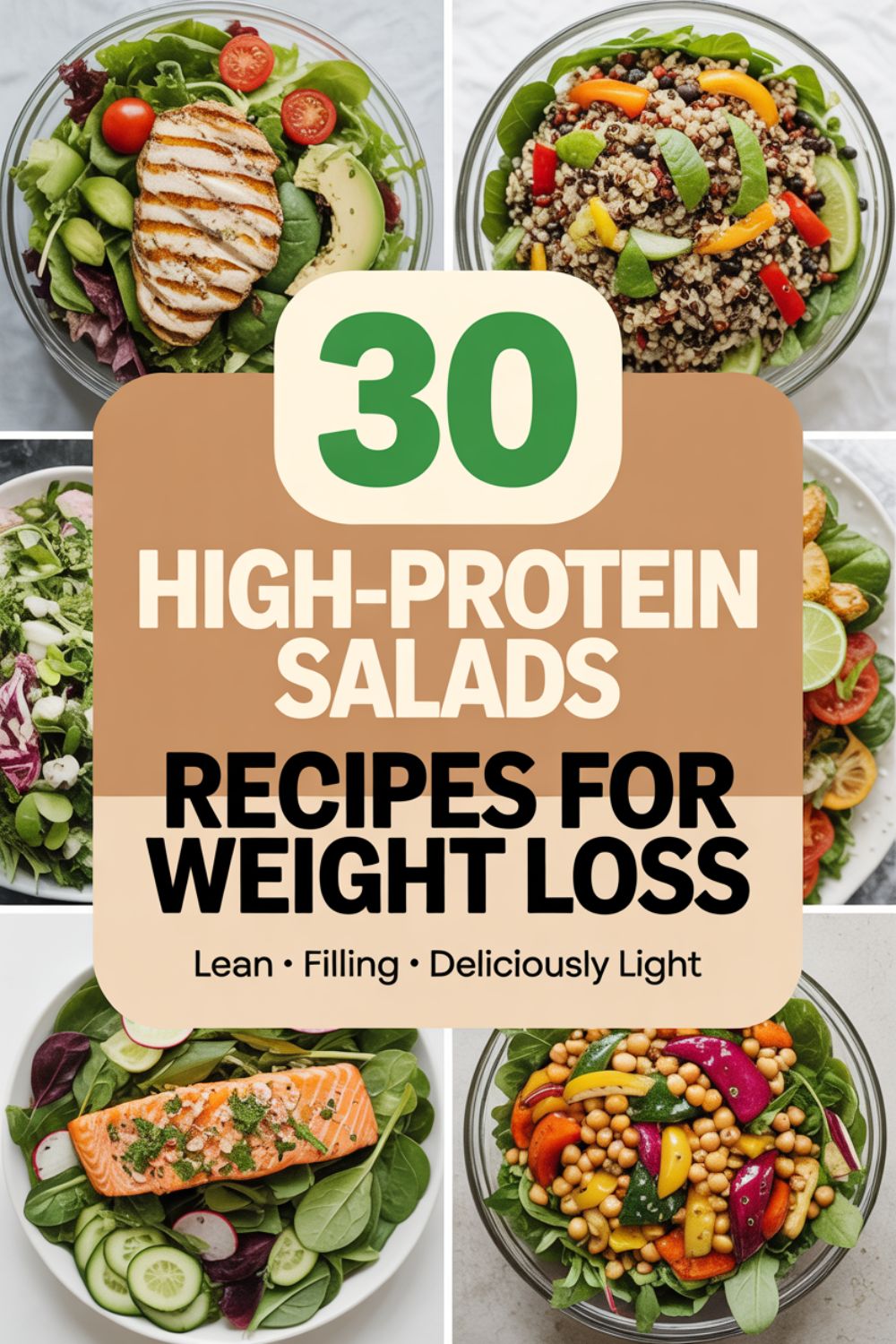
30 High-Protein Salad Recipes for Weight Loss
Look, I’m gonna be straight with you. Most salads suck for weight loss. You eat a bowl of lettuce, feel virtuous for about forty-five minutes, and then you’re elbow-deep in a bag of chips because your body’s screaming for actual fuel. I’ve been there, and honestly? It’s miserable.
The salads that actually work—the ones that keep you full, help you drop pounds, and don’t make you want to quit by Tuesday—look completely different. They’re built around real protein, packed with enough healthy fats to flip your satiety switch, and loaded with fiber-rich veggies that fill you up without blowing your calorie budget.
So yeah, this isn’t your sad desk salad situation. These are 30 legit high-protein recipes that’ll keep you satisfied for hours and actually support your weight loss goals instead of sabotaging them.
Why Protein Actually Matters for Weight Loss
Here’s the thing about protein that nobody really explains properly. It’s not just about building muscle or hitting some arbitrary macro target. Protein keeps you feeling full longer, which means you naturally eat fewer calories throughout the day without that constant gnawing hunger.
When you eat protein, your body actually works harder to digest it compared to carbs or fat. That’s called the thermic effect, and it means you’re burning more calories just by eating. Plus, Harvard Health notes that protein gives your body a real sense of satiety—not that fake fullness you get from chugging water with your sad lettuce.
Most research suggests aiming for 25-40 grams of protein per meal if you’re trying to lose weight. For salads, that translates to about 4-6 ounces of chicken, salmon, or shrimp—or a combo of plant proteins like chickpeas with some cheese.
Prep your proteins on Sunday night. Grill a bunch of chicken breasts, hard-boil a dozen eggs, and cook up some quinoa. You’ll thank yourself all week when throwing together these salads takes five minutes instead of thirty.
The Foundation: Building a Salad That Actually Fills You Up
Okay, so you can’t just throw some protein on lettuce and call it a day. There’s actually a formula here, and once you get it, you can basically create infinite variations without ever following a recipe.
Start with 2-3 cups of greens. Mix it up—don’t just do iceberg lettuce like we’re stuck in 1987. Spinach, arugula, kale, romaine, whatever. Different greens have different nutrients, so variety matters.
Add your 4-6 ounces of lean protein. This is non-negotiable. Grilled chicken, baked salmon, seared tuna, shrimp, hard-boiled eggs, chickpeas, tofu—pick your fighter, but make sure it’s there.
Include one healthy fat source. This could be half an avocado, a handful of nuts, a sprinkle of cheese, or your dressing if it’s oil-based. The fat is what triggers those fullness hormones, so don’t skip it thinking you’re being extra healthy.
Pile on the non-starchy vegetables for volume. Tomatoes, cucumbers, bell peppers, radishes, carrots—these add crunch, flavor, and fiber without many calories. They’re basically free real estate.
If you need more sustained energy, especially on workout days, add half a cup of complex carbs. Quinoa, farro, sweet potato, or chickpeas work great here without pushing your calories too high.
Speaking of which, if you’re looking for more variety in your protein game, check out these high-protein breakfast ideas that use similar building blocks.
30 High-Protein Salad Recipes That Actually Work
Classic Greek Chicken Salad
This one’s a no-brainer. Grilled chicken, feta cheese, kalamata olives, cherry tomatoes, cucumbers, red onion—all the Mediterranean hits. The feta gives you that salty punch plus calcium and protein, while the olives deliver healthy fats.
Toss everything with a simple lemon-olive oil dressing. I use this citrus juicer because squeezing lemons by hand is weirdly annoying, and fresh lemon juice makes a massive difference. You’re looking at about 380 calories and 35 grams of protein here. Get Full Recipe.
Southwest Steak Salad Bowl
Flank steak, black beans, corn, avocado, pico de gallo, and a squeeze of lime. The steak gives you that iron and B-vitamins, while the black beans add fiber and extra protein. This salad sits right around 420 calories with 32 grams of protein.
For the steak, I season it with cumin, chili powder, and garlic. Nothing fancy. If you’re meal prepping, you can slice the steak and store it separate from the greens so nothing gets soggy. These low-carb high-protein dinners follow the same principle of keeping proteins and veggies fresh.
Asian Sesame Tuna Salad
Seared ahi tuna (or canned if we’re being real), edamame, shredded cabbage, carrots, snap peas, and sesame seeds. The dressing is where it gets good—soy sauce, rice vinegar, sesame oil, and a tiny bit of honey.
Tuna’s loaded with omega-3s and protein, plus it’s stupid easy to prepare. I use this fish spatula for searing because regular spatulas just massacre the tuna. About 340 calories and 38 grams of protein. Get Full Recipe.
“I was skeptical about salads keeping me full, but these recipes are legit. I’ve been making the Greek chicken and Asian tuna on repeat, and I’m down 12 pounds in two months without feeling starved.”
Buffalo Chicken Power Salad
Grilled chicken tossed in buffalo sauce, romaine, celery, carrots, blue cheese crumbles, and a drizzle of ranch (the light version, not the regular calorie bomb). This hits that comfort food craving while still keeping you on track.
The buffalo sauce adds basically zero calories but tons of flavor. Pair it with some celery for that classic combo, and you’ve got yourself 395 calories with 36 grams of protein. If you want more spicy options, these high-protein comfort foods have got you covered.
Mediterranean Quinoa Bowl
Quinoa’s a complete protein, which is clutch if you’re vegetarian. Toss it with chickpeas, cucumber, tomatoes, kalamata olives, red onion, feta, and a lemon-herb dressing. It’s like a Greek salad but with more staying power.
I make quinoa in big batches using this rice cooker—set it and forget it. The whole bowl clocks in around 410 calories with 24 grams of protein, and the fiber from the quinoa and chickpeas keeps you satisfied for hours.
Shrimp and Avocado Salad
Grilled shrimp, avocado, mixed greens, cherry tomatoes, corn, and a cilantro-lime dressing. Shrimp cooks in like five minutes, making this perfect for those nights when you can’t be bothered.
The avocado brings healthy fats and makes the whole thing creamy without needing heavy dressing. You’re looking at 360 calories and 31 grams of protein here. Get Full Recipe.
Cobb Salad with Turkey Bacon
The classic. Grilled chicken, hard-boiled eggs, turkey bacon, avocado, tomatoes, blue cheese, and romaine. I know it’s kind of a cliché, but there’s a reason this salad’s been around forever—it works.
Using turkey bacon instead of regular saves you about 40 calories per serving without sacrificing much flavor. Total: 425 calories, 40 grams of protein. For more egg-based protein ideas, check out these high-protein breakfasts.
Buy pre-washed greens and pre-cooked proteins from the grocery store rotisserie chicken section. Yeah, it costs more, but if it’s the difference between eating a nutritious salad and ordering takeout, it’s worth every penny.
Salmon Nicoise Salad
Grilled salmon, green beans, cherry tomatoes, hard-boiled eggs, kalamata olives, and baby potatoes on a bed of mixed greens. The French had this one figured out.
Salmon’s got all those omega-3s that are supposed to be good for your heart or whatever, plus it keeps you full like nobody’s business. Around 450 calories and 35 grams of protein. I season the salmon with this lemon pepper blend—simple but perfect.
Thai Beef Salad
Thinly sliced grilled beef, mixed greens, cucumber, mint, cilantro, red onion, and crushed peanuts. The dressing is lime juice, fish sauce, a touch of honey, and chili flakes.
This one’s got serious flavor—tangy, spicy, fresh, all of it. The herbs make a huge difference, so don’t skip them. About 390 calories and 33 grams of protein.
Taco Salad (Without the Fried Bowl)
Ground turkey or lean beef, black beans, corn, tomatoes, avocado, shredded cheese, and salsa on romaine. All the taco flavors without the deep-fried tortilla bowl that nobody actually needs.
I cook the meat with cumin, chili powder, and garlic powder. Use this cast iron skillet for getting a nice sear on the meat. Calories: 410, protein: 38 grams. Get Full Recipe.
For more Mexican-inspired ideas, these high-protein meals for weight loss have some good options that follow similar flavor profiles.
Chicken Caesar (Done Right)
Grilled chicken, romaine, parmesan, and a light Caesar dressing. The traditional Caesar is a calorie nightmare, but you can make a lighter version that still tastes good.
Use Greek yogurt as the base for your dressing instead of mayo. Add lemon juice, garlic, anchovy paste, and parmesan. It’s creamy, tangy, and way better for you. About 370 calories and 36 grams of protein.
Lentil and Roasted Veggie Salad
Cooked lentils, roasted bell peppers, zucchini, red onion, and feta on arugula. Lentils are underrated—cheap, filling, and loaded with protein and fiber.
I roast the veggies on these sheet pans because they’re the perfect size and nothing sticks. Toss everything with a balsamic vinaigrette. Around 380 calories with 22 grams of protein.
Chinese Chicken Salad
Shredded chicken, napa cabbage, mandarin oranges, sliced almonds, crispy wontons (just a few), and a ginger-sesame dressing. This one’s got that sweet-savory thing going on.
The cabbage is super crunchy and holds up way better than lettuce if you’re meal prepping. About 395 calories and 32 grams of protein. The mandarin oranges add vitamin C, which apparently helps with fat oxidation or something—basically they’re good for you.
Caprese Chicken Salad
Grilled chicken, fresh mozzarella, tomatoes, basil, and a balsamic glaze on mixed greens. It’s like taking a Caprese salad and making it actually filling.
Fresh mozzarella has way more protein than you’d think—about 6 grams per ounce. Combined with the chicken, you’re hitting 37 grams of protein at 400 calories. Get Full Recipe.
“The meal prep tip changed my life. I spend an hour on Sundays cooking proteins and chopping veggies, and then I have lunch ready for the entire week. I’m down 18 pounds and it barely feels like I’m trying.”
Moroccan Chickpea Salad
Chickpeas, roasted sweet potato, dried cranberries, almonds, and arugula with a cumin-lemon dressing. The sweet potato adds some carbs for energy, but it’s all whole food stuff.
Chickpeas are one of those foods that’s way more versatile than people give them credit for. About 395 calories and 18 grams of protein, plus a ton of fiber.
Teriyaki Tofu Bowl
Baked teriyaki tofu, edamame, cucumber, carrots, purple cabbage, and sesame seeds on mixed greens. If you’re vegetarian or just trying to eat less meat, this one hits.
Press your tofu first—this tofu press makes it way easier. Then bake it with teriyaki sauce until it’s crispy. Around 360 calories with 26 grams of protein.
Italian Antipasto Salad
Salami, provolone, chickpeas, roasted red peppers, artichoke hearts, olives, and tomatoes on romaine. It’s like raiding an Italian deli and putting it all on lettuce.
The combination of the salami and chickpeas gives you a protein hit from both animal and plant sources. About 420 calories and 28 grams of protein. These high-protein meal prep ideas have similar make-ahead strategies.
Cajun Shrimp and Sausage Salad
Cajun-seasoned shrimp, chicken sausage, bell peppers, onions, and tomatoes on spinach. This one’s got that Louisiana kick without being drowning-in-oil levels of caloric.
I use turkey sausage to keep the calories in check. Season the shrimp with Cajun seasoning and sauté everything together. About 395 calories and 35 grams of protein.
Korean BBQ Beef Bowl
Marinated beef, kimchi, cucumber, carrots, edamame, and sesame seeds on mixed greens. The kimchi adds probiotics and a fermented tang that cuts through the richness of the beef.
Marinate thin-sliced beef in soy sauce, sesame oil, ginger, and garlic. Cook it fast and hot in this wok. Around 410 calories with 34 grams of protein. Get Full Recipe.
Pesto Chicken and White Bean Salad
Grilled chicken, white beans, cherry tomatoes, mozzarella, and a spoonful of pesto on arugula. Pesto’s got a ton of flavor packed into a small amount, so a little goes a long way.
White beans add fiber and extra protein. You’re looking at about 415 calories and 38 grams of protein here.
Fajita Chicken Salad
Sliced chicken breast, sautéed bell peppers and onions, black beans, corn, avocado, and salsa on romaine. It’s basically fajitas but without the tortilla carb load.
Season the chicken with fajita seasoning (or make your own with chili powder, cumin, paprika, garlic powder, and onion powder). About 400 calories and 36 grams of protein. If you like this style, check out these high-protein lunches for workdays.
Smoked Salmon and Cream Cheese Salad
Smoked salmon, a dollop of cream cheese (or Greek yogurt if you’re being extra healthy), capers, red onion, cucumber, and dill on mixed greens. It’s like a bagel and lox situation but without the bagel.
Smoked salmon is stupid easy because there’s no cooking involved. Just assemble and eat. Around 350 calories with 30 grams of protein.
Tex-Mex Steak and Potato Salad
Grilled steak, roasted baby potatoes, black beans, corn, pico de gallo, and a cilantro-lime dressing on romaine. The potatoes make this more substantial—good for days when you need extra energy.
I roast the potatoes with cumin and paprika. Combined with the steak and beans, you’re getting about 440 calories and 35 grams of protein.
Tuna and White Bean Salad
Canned tuna (the good kind in olive oil), white beans, cherry tomatoes, red onion, and parsley on arugula with a lemon dressing. This is probably the easiest salad on the list—no cooking required.
Using canned tuna in olive oil instead of water adds healthy fats and makes it less dry. About 370 calories and 36 grams of protein. Get Full Recipe.
BBQ Chicken and Corn Salad
Grilled chicken tossed in BBQ sauce, corn, black beans, tomatoes, red onion, and shredded cheese on romaine. It’s got that summer BBQ vibe without the potato salad and baked beans carb bomb.
Use a sugar-free or low-sugar BBQ sauce to keep the calories reasonable. I like this BBQ sauce because it’s got good flavor without being candy-sweet. About 410 calories and 37 grams of protein.
Mediterranean Tuna Salad
Canned tuna, chickpeas, cucumber, tomatoes, kalamata olives, feta, and a lemon-oregano dressing on mixed greens. It’s like if a Greek salad and a tuna sandwich had a baby.
The combination of tuna and chickpeas gives you both animal and plant protein. Around 380 calories with 32 grams of protein.
Chicken Shawarma Bowl
Shawarma-spiced chicken, cucumbers, tomatoes, red onion, and a yogurt-tahini sauce on mixed greens. The spice blend is what makes this—cumin, coriander, paprika, turmeric, cinnamon, and cayenne.
The yogurt sauce adds protein and cools down the spices. About 390 calories and 35 grams of protein. These high-protein vegetarian meals have similar Middle Eastern-inspired options.
Steak and Blue Cheese Salad
Grilled steak, blue cheese crumbles, walnuts, dried cranberries, and red onion on arugula with a balsamic vinaigrette. This one’s a little fancier—good for when you want to feel like an adult.
The blue cheese is intense, so a little goes a long way. Combined with the walnuts, you’re getting healthy fats that keep you satisfied. About 425 calories and 34 grams of protein.
Chicken Souvlaki Salad
Souvlaki-marinated chicken, tomatoes, cucumbers, red onion, feta, and tzatziki on romaine. Marinate the chicken in lemon juice, olive oil, garlic, and oregano.
Tzatziki adds creaminess and extra protein from the Greek yogurt. I make mine with this grater for the cucumber—it’s weirdly satisfying. Around 385 calories and 36 grams of protein. Get Full Recipe.
Asian Chicken and Edamame Bowl
Grilled chicken, edamame, shredded cabbage, carrots, and a miso-ginger dressing on mixed greens. Edamame’s a complete protein and adds a nice pop of green.
The miso dressing is savory and umami-rich. About 375 calories and 38 grams of protein.
Tropical Shrimp Salad
Grilled shrimp, mango, avocado, red onion, cilantro, and a lime dressing on mixed greens. The mango adds sweetness without needing any added sugar.
This one’s refreshing and light but still filling thanks to the shrimp and avocado. Around 360 calories with 29 grams of protein. If you’re into seafood, these high-protein dinners for fat loss have more options.
Meal Prep Essentials Used in These Recipes
Look, I’m not trying to sell you stuff you don’t need, but these are the tools I actually use every week. They make the difference between meal prep being a pain and it being something you’ll actually do.
- Glass meal prep containers – These don’t get gross or stain like plastic ones. Worth every penny.
- Salad dressing bottles – Keep dressing separate until you’re ready to eat. Game changer for work lunches.
- Digital food scale – If you’re serious about portions, this helps. Not required, but useful.
- 7-Day High-Protein Meal Plan (1500 Calories) – All the planning done for you, including shopping lists
- 14-Day High-Protein Weight Loss Plan – Two weeks of recipes and meal timing strategies
- 21-Day High-Protein Meal Prep Challenge – Step-by-step guide to building the meal prep habit
Making These Salads Actually Sustainable
Okay, real talk. You can have the best recipes in the world, but if you don’t actually make them, they’re useless. Here’s what works in real life.
Batch cook your proteins. Seriously, this is the key. Spend an hour on Sunday grilling chicken, baking salmon, hard-boiling eggs, and cooking quinoa. Store everything in separate containers. When you want a salad, it takes five minutes to assemble instead of thirty.
Prep your veggies too. Wash and chop your greens, slice your cucumbers and tomatoes, dice your onions. Store them in these produce containers that actually keep stuff fresh for days. FYI, this single step will save you so much time during the week.
Keep your dressing separate. Nothing’s worse than a soggy salad. Either bring it in a separate container or use those little dressing cups. If you’re eating at home, just dress it right before eating.
Don’t try to be perfect. Some weeks you’ll nail the meal prep. Other weeks you’ll buy a rotisserie chicken and call it good enough. Both are fine. The goal is consistent protein intake, not Instagram-perfect food prep.
Make a double batch of whatever protein you’re cooking. Freeze half. On weeks when you don’t feel like cooking, you’ve got backup protein ready to go. It’s basically gifting your future self some extra time.
What About Dressings?
Dressing can make or break a salad, both taste-wise and calorie-wise. Those bottled dressings at the store? Most of them are sugar-laden garbage with inflammatory oils. Making your own takes two minutes and tastes way better.
Basic vinaigrette: 3 parts olive oil to 1 part vinegar (balsamic, red wine, apple cider—whatever), plus salt, pepper, and maybe some Dijon mustard. Shake it in a jar. Done.
Lemon-herb: Lemon juice, olive oil, minced garlic, fresh herbs (parsley, dill, basil), salt, and pepper. Perfect for Mediterranean-style salads.
Asian-style: Rice vinegar, sesame oil, soy sauce, grated ginger, and a tiny bit of honey. Use it sparingly—the sesame oil is flavorful but calorie-dense.
Creamy without the calories: Use Greek yogurt as your base instead of mayo or sour cream. Add lemon juice, garlic, herbs, salt, and pepper. It’s tangy and creamy with way more protein.
I keep a few different dressings made up in these squeeze bottles so I can switch it up during the week without getting bored.
For more dressing ideas that pair with high-protein foods, these high-protein snacks include some good dipping sauce recipes that work well on salads too.
Tools & Resources That Make Cooking Way Easier
These aren’t “must-haves” but they’re the stuff that actually gets used in my kitchen every single week.
- Instant-read meat thermometer – No more guessing if your chicken’s done. Takes two seconds.
- Good chef’s knife – A sharp knife makes chopping vegetables not miserable. You don’t need an expensive one, just a sharp one.
- Salad spinner – Wet lettuce makes dressing slide right off. This actually matters.
- 30-Day High-Protein Transformation Plan – Complete month of meals, workouts, and habit tracking
- 7-Day High-Protein Plan for Women Over 40 – Specifically designed for hormonal changes and metabolism shifts
- 7-Day High-Protein Low-Carb Meal Plan – If you’re going lower-carb, this maps it all out
Common Mistakes That Sabotage Your Salads
I’ve seen people screw up salads in some truly impressive ways. Here’s what to avoid.
Not enough protein. A sprinkle of chicken doesn’t cut it. You need 4-6 ounces minimum. If you’re still hungry an hour later, you didn’t eat enough protein.
Drowning it in dressing. Restaurant salads can have 400+ calories just from dressing. Use 2 tablespoons max. If you’re not measuring, you’re probably using way more than you think.
Forgetting about fat. Fat-free dressing, no avocado, no nuts—and then you’re starving thirty minutes later. You need some fat to feel satisfied and absorb vitamins.
All raw vegetables. Raw veggies are great, but adding some roasted vegetables makes salads way more satisfying. The caramelization adds sweetness and depth.
No variety. Eating the same salad every single day will make you want to quit. Mix up your proteins, try different vegetables, switch your dressings. Keep it interesting.
IMO, the biggest mistake is thinking salads have to be this virtuous, miserable thing. They’re just a vehicle for delicious food that happens to be good for you.
How to Make These Work for Different Diets
Most of these recipes are pretty flexible. Here’s how to adapt them.
Vegetarian: Swap animal proteins for tofu, tempeh, chickpeas, lentils, or extra cheese and eggs. You’ll want to combine plant proteins to get all your amino acids. These high-protein vegetarian meals have more detail on protein pairing.
Dairy-free: Skip the cheese and use nutritional yeast for that cheesy flavor. Make dressings with olive oil instead of yogurt or sour cream. Add more nuts and seeds for fat and texture.
Low-carb: Skip the quinoa, sweet potatoes, corn, and dried fruit. Load up on non-starchy vegetables and healthy fats instead. Check out these low-carb high-protein dinners for more ideas.
Keto: Similar to low-carb but even stricter. Focus on fattier proteins like salmon and keep your veggies mostly leafy greens and above-ground vegetables.
Gluten-free: Most of these are already gluten-free. Just watch out for soy sauce (use tamari instead) and check your dressings.
Frequently Asked Questions
How much protein do I really need per salad for weight loss?
Aim for 25-40 grams of protein per meal. For most people, that’s about 4-6 ounces of chicken, fish, or shrimp, or a combination of plant proteins like chickpeas with cheese or eggs. This amount triggers satiety hormones and helps preserve muscle mass while you’re losing fat.
Can I meal prep these salads for the whole week?
Yes, but with a strategy. Cook all your proteins and prep your veggies on Sunday, then store them separately in containers. Assemble your salads the night before or morning of. Never dress salads more than a few hours in advance or they’ll get soggy and gross.
What if I’m vegetarian—can these salads still work?
Absolutely. Swap animal proteins for tofu, tempeh, chickpeas, lentils, quinoa, or eggs and cheese. You’ll want to combine different plant proteins throughout the day to get all essential amino acids. Many of the recipes here already include vegetarian protein options.
How do I keep my salads from getting boring?
Rotate your proteins, change up your dressings, and try different vegetable combinations. Don’t eat the same salad every day—that’s a recipe for quitting. I recommend having three to four salad recipes in your regular rotation and switching between them throughout the week.
Are high-protein salads actually filling enough for a full meal?
If you build them right, yes. The key is including enough protein (at least 25 grams), a healthy fat source like avocado or nuts, and plenty of fiber-rich vegetables. If you’re still hungry after eating, you probably didn’t include enough protein or fat. These aren’t diet-culture starvation salads—they’re actual meals.
The Bottom Line on High-Protein Salads
Look, weight loss doesn’t have to be this complicated, miserable thing. High-protein salads work because they give your body what it actually needs—protein to preserve muscle and keep you full, fiber to support digestion and satiety, and enough volume to feel like you’re eating real food.
These 30 recipes aren’t about deprivation. They’re about finding meals that taste good, keep you satisfied, and happen to support your weight loss goals without requiring you to be hungry all the time.
Start with two or three recipes that sound good to you. Make them this week. See how you feel. If they work, add a couple more to your rotation. This isn’t about being perfect—it’s about finding sustainable eating patterns that actually fit into your life.
And honestly? Once you get the hang of the formula—protein plus veggies plus healthy fat plus a good dressing—you can pretty much create infinite variations without ever following a recipe again. That’s when it stops being “meal prep” and starts being just how you eat.