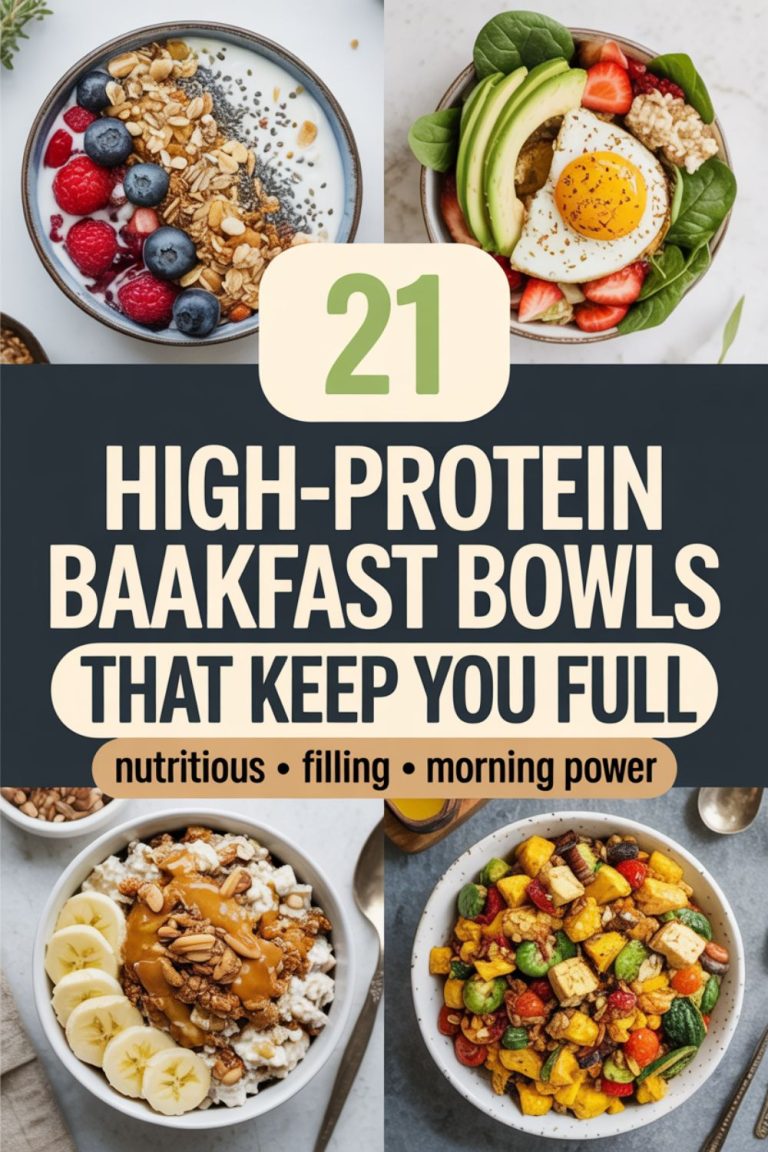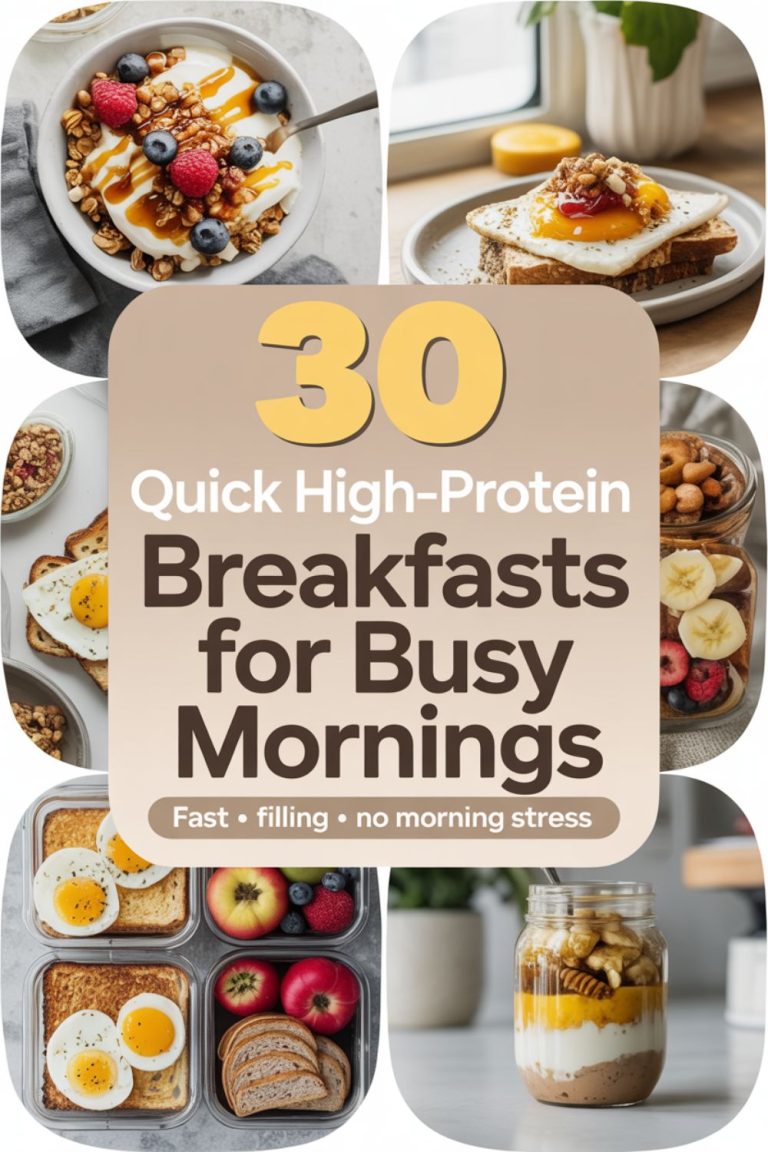
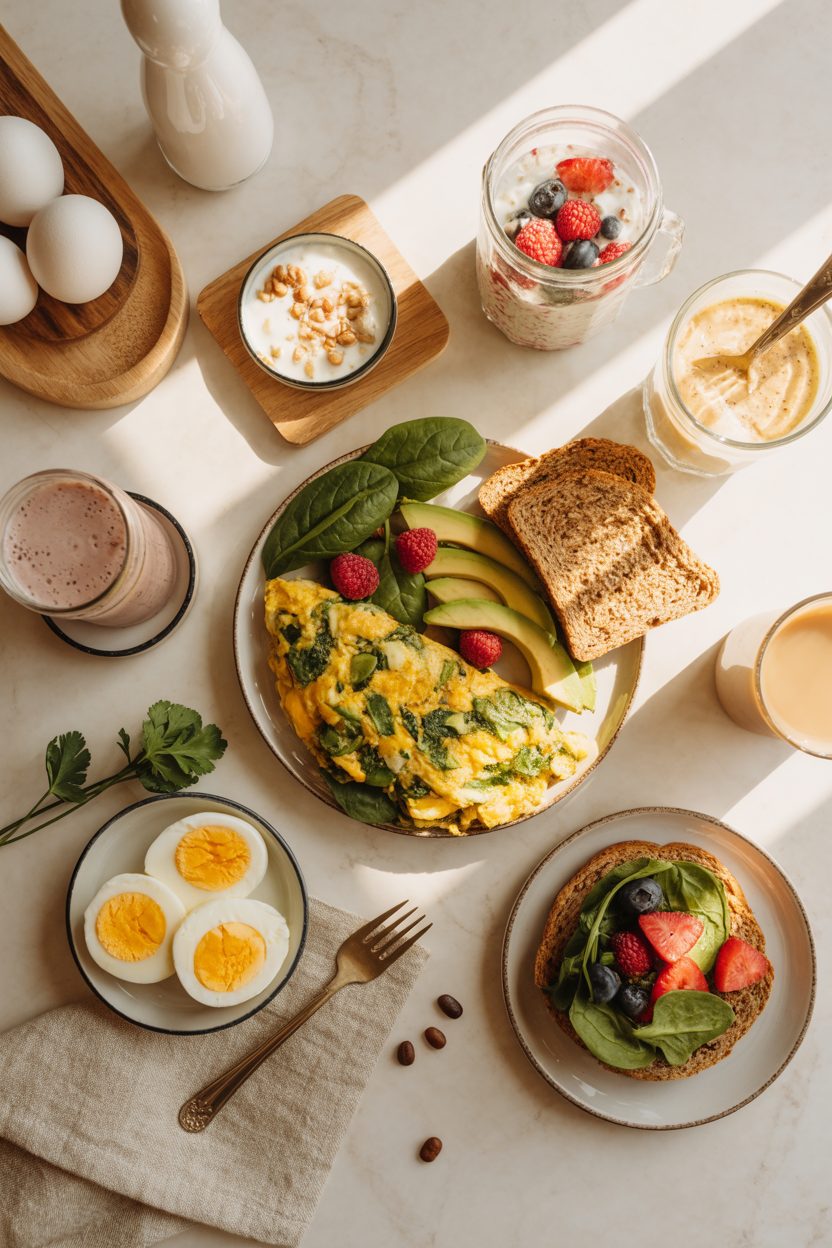
30 High-Protein Breakfast Ideas to Stay Full Longer
Let me guess: you grab a bagel or a muffin on your way out the door, and by 10 AM you’re starving again. I’ve been there. For years, I thought breakfast was just a box to check off before my day started. Then I discovered that what I ate in the morning completely dictated how I felt—and how much I snacked—for the rest of the day.
High-protein breakfasts aren’t just trendy food blogger talk. They’re backed by actual science and make a real difference in how hungry you feel throughout the day. Research shows that consuming about 30 grams of protein at breakfast helps improve satiety and reduces cravings later. Once I started prioritizing protein in the morning, those mid-morning snack attacks basically disappeared.
Why Protein for Breakfast Actually Works
Here’s the thing about protein: your body works harder to digest it compared to carbs or fat. That means you burn more calories just processing your food, and you stay full way longer. When you eat protein-rich meals in the morning, research indicates they boost hormones that signal fullness while suppressing the ones that make you hungry.
I used to think my constant hunger was just how my body worked. Nope. I was eating the wrong breakfast. Once I switched to high-protein options, everything changed. No more snack drawer raids before lunch, no more feeling like I needed a nap by 11 AM.
The science backs this up too. Studies have found that people who eat high-protein breakfasts consume fewer calories throughout the day without even trying. It’s not willpower—it’s biology working in your favor for once.
The Egg Excellence Collection
1. Classic Three-Egg Veggie Scramble
Three eggs scrambled with spinach, mushrooms, bell peppers, and onions deliver about 20-22 grams of protein. This is my weekday go-to because I can throw it together in under 10 minutes.
Cook your eggs low and slow in a quality non-stick pan. High heat makes them rubbery and sad. Add vegetables at the beginning so they soften while the eggs cook. Season generously—bland eggs are a crime against breakfast.
2. Baked Egg Muffins
Mix eggs with diced vegetables, a little cheese, and cooked bacon or sausage. Pour into a silicone muffin pan and bake at 350°F for 20 minutes. Each muffin has about 6-7 grams of protein.
I make a dozen on Sunday and grab two every morning. Microwave for 30 seconds, and you’ve got a hot breakfast while you’re still half asleep.
3. Poached Eggs on Avocado Toast
Two poached eggs on whole-grain toast with mashed avocado gives you roughly 18 grams of protein plus healthy fats. The combination keeps you satisfied for hours.
Use a slotted spoon to gently lower eggs into simmering water with a splash of vinegar. The vinegar helps the whites set without affecting the taste. Don’t skip this step unless you enjoy egg-drop soup instead of poached eggs.
4. Denver Omelet
Three eggs with diced ham, cheese, peppers, and onions folded into a perfect omelet. About 25 grams of protein and enough substance to power you through a busy morning.
The trick to a good omelet? Let it cook undisturbed until the edges start to set, then gently fold. Don’t rush it or you’ll end up with scrambled eggs pretending to be an omelet.
5. Egg White Frittata
Eight egg whites mixed with vegetables and baked in a cast iron skillet. Around 28 grams of protein with minimal fat. Slice it like a pizza and eat it throughout the week.
Bake at 375°F for about 20 minutes. You’ll know it’s done when the center is set but still slightly jiggly. It continues cooking after you pull it from the oven.
If you’re looking for complete breakfast plans that incorporate these ideas into structured meal prep, check out this 7-day high-protein meal plan or the 21-day high-protein meal prep challenge for long-term success.
6. Shakshuka
Eggs poached in a spicy tomato sauce with onions, peppers, and spices. Two eggs in this dish give you about 14 grams of protein, and the vegetables add fiber and nutrients.
Make the sauce ahead and reheat it in the morning. Crack in your eggs, cover, and let them cook for 5-7 minutes. Serve with whole-grain toast for dipping.
7. Egg and Cheese Breakfast Burrito
Two scrambled eggs, black beans, cheese, and salsa wrapped in a whole-wheat tortilla. Around 22 grams of protein and completely portable.
Wrap these in foil and freeze them. Microwave for 90 seconds for a grab-and-go breakfast that’s actually good for you. Way better than the drive-through.
Greek Yogurt Glory
8. Greek Yogurt Power Bowl
Plain Greek yogurt (about 20 grams of protein per cup) topped with berries, nuts, and a drizzle of honey. This is my lazy morning breakfast when I can barely function.
Buy plain yogurt and flavor it yourself. The pre-flavored stuff is loaded with sugar. Add cinnamon, vanilla extract, or a tiny bit of maple syrup for sweetness without the crash.
9. Yogurt Parfait with Granola
Layer Greek yogurt with homemade granola and fresh fruit. Each serving delivers about 18-20 grams of protein depending on your yogurt brand.
Make your granola in batches using a large baking sheet. Store-bought granola is often just expensive candy. Homemade tastes better and costs less.
10. Savory Yogurt Bowl
Greek yogurt topped with cucumber, cherry tomatoes, olive oil, za’atar, and a pinch of salt. Sounds weird, tastes amazing. About 15-17 grams of protein.
This is huge in Mediterranean and Middle Eastern cultures for good reason. The savory approach works brilliantly if you’re not a sweet breakfast person.
11. Protein-Packed Smoothie Bowl
Blend Greek yogurt with protein powder, frozen berries, and a splash of milk. Pour into a bowl and top with granola, nuts, and seeds. Around 30-35 grams of protein.
Use frozen fruit so you get a thick, spoonable consistency. Fresh fruit makes it too liquidy. Trust me on this—I’ve made this mistake more times than I care to admit.
Meat and Fish Options
12. Turkey Breakfast Sausage with Eggs
Three ounces of turkey sausage (about 18 grams of protein) with two eggs (12 grams) gives you 30 grams of protein to start your day strong.
Look for turkey sausage with minimal additives. Some brands taste like seasoned cardboard. Others are actually delicious. Read ingredients, not just marketing claims.
13. Smoked Salmon and Cream Cheese Bagel
A whole-wheat bagel with cream cheese, smoked salmon, red onion, capers, and tomato. About 20-25 grams of protein depending on how much salmon you pile on.
This feels fancy but takes five minutes. I keep smoked salmon in the freezer and defrost it overnight when I’m craving something special.
14. Breakfast Steak and Eggs
A small sirloin steak (about 4 ounces) with two fried eggs delivers roughly 35 grams of protein. This is weekend breakfast when you have time to actually cook.
Season the steak simply with salt and pepper. Cook it in a hot cast iron skillet for 3-4 minutes per side for medium-rare. Let it rest before slicing.
15. Chicken Apple Sausage Scramble
Slice up chicken apple sausage and scramble it with eggs and a bit of cheese. Around 25 grams of protein and a sweet-savory combo that works way better than it sounds.
The apple in the sausage adds just enough sweetness to balance the savory eggs. It’s one of those combinations that surprises people.
For those following specific dietary approaches, the 7-day high-protein low-carb meal plan pairs perfectly with these meat-based breakfast options.
Plant-Based Protein Champions
16. Tofu Scramble
Crumble firm tofu and sauté it with turmeric, nutritional yeast, and vegetables. Half a block of tofu has about 10-12 grams of protein. Add black beans for an extra protein boost.
Press your tofu first to remove excess water. A tofu press makes this easy, but you can also wrap it in paper towels and set something heavy on top for 15 minutes.
17. Peanut Butter Banana Oatmeal
Steel-cut oats cooked with milk, topped with peanut butter and sliced banana. Around 15-18 grams of protein depending on how much peanut butter you use (and let’s be real, you’re using a lot).
Cook oats in milk instead of water for extra protein and creaminess. Add a scoop of protein powder if you want to push it over 25 grams.
18. Protein Pancakes
Mix oats, cottage cheese, eggs, and a banana in a blender. Cook like regular pancakes. Each serving has about 20 grams of protein and tastes legitimately good.
Use a non-stick griddle and keep the heat on medium. Too hot and they burn before cooking through. Too low and they turn gummy.
19. Chia Seed Pudding with Protein Powder
Mix chia seeds, almond milk, protein powder, and vanilla. Let it sit overnight. Top with berries and nuts. About 25 grams of protein per serving.
The ratio is 3 tablespoons of chia seeds to 1 cup of liquid. Any less and it won’t gel properly. Any more and you’ll be chewing your pudding.
20. Tempeh Bacon and Eggs
Marinate and pan-fry tempeh until crispy. Serve with scrambled eggs. Tempeh has about 15 grams of protein per serving, plus eggs add another 12.
Tempeh needs to be marinated—it’s bland otherwise. Soy sauce, maple syrup, liquid smoke, and garlic powder transform it into something crave-worthy.
Quick and Portable Options
21. Protein Smoothie
Protein powder, frozen fruit, spinach, almond butter, and milk blended until smooth. Takes 3 minutes and delivers 25-30 grams of protein.
Invest in a decent high-speed blender. Cheap blenders leave chunks of frozen fruit and make your smoothie grainy. Nobody wants to chew their smoothie.
22. Cottage Cheese with Berries and Almonds
One cup of cottage cheese (about 25 grams of protein) topped with fresh berries and sliced almonds. Throw it in a portable container and eat it at your desk.
FYI, the texture of cottage cheese is polarizing. But if you can get past it, the protein content is unmatched for minimal calories and maximum satiety.
23. Hard-Boiled Eggs with Whole-Grain Toast
Three hard-boiled eggs (18 grams protein) with a slice of whole-grain toast and avocado. Prep the eggs on Sunday using an egg cooker, and you’re set for the week.
Sprinkle everything bagel seasoning on the eggs. It’s the difference between boring and actually wanting to eat them.
24. Protein Bar with String Cheese
A quality protein bar (look for 15+ grams of protein, minimal sugar) paired with a string cheese stick. About 20 grams of protein total.
Not all protein bars are created equal. Read labels. If sugar is one of the first three ingredients, it’s candy with protein powder, not a meal replacement.
25. Turkey and Cheese Roll-Ups
Slice turkey breast, spread with cream cheese, add a pickle or cucumber, and roll it up. Five roll-ups give you about 20 grams of protein.
These are stupid easy and weirdly satisfying. The pickle adds a nice crunch and tanginess that cuts through the richness of the cheese.
If you’re someone who prefers structured guidance, the 14-day high-protein weight loss plan includes portable breakfast ideas with complete shopping lists.
Warm and Comforting
26. Protein Oatmeal with Egg Whites
This sounds bizarre but works. Cook oats normally, then stir in whisked egg whites at the end. They cook from the residual heat and add about 7 grams of protein per egg white without changing the flavor.
You won’t taste the egg whites, I promise. They just make the oatmeal fluffier and more substantial. Top with berries and almond butter.
27. Quinoa Breakfast Bowl
Cooked quinoa with milk, cinnamon, nuts, and fruit. Quinoa is a complete protein with about 8 grams per cup. Add Greek yogurt on top to push it over 20 grams total.
Cook a big batch of quinoa at the beginning of the week. It reheats beautifully and works for both sweet and savory breakfast bowls.
28. Protein French Toast
Dip whole-grain bread in a mixture of eggs, milk, and protein powder. Cook until golden. Two slices give you about 20-25 grams of protein.
Use a flat griddle for even cooking. The protein powder makes the coating thicker, so watch your heat. Medium-low prevents burning.
29. Breakfast Burrito Bowl
Scrambled eggs over black beans, topped with salsa, avocado, and cheese. Skip the tortilla to save calories. Around 25 grams of protein and ridiculously filling.
Prep the components ahead: cook beans, shred cheese, chop vegetables. Morning assembly takes 5 minutes when everything’s ready to go.
30. Savory Oatmeal with Poached Egg
Steel-cut oats cooked with broth instead of water, topped with a poached egg, sautéed spinach, and parmesan. About 18-20 grams of protein and a completely different take on oatmeal.
Cooking oats in broth sounds weird until you try it. The savory approach is huge in Asia and makes total sense once you get over the mental block of sweet oatmeal.
Making High-Protein Breakfasts Sustainable
Here’s what nobody tells you: even the best breakfast ideas are worthless if you don’t have time or ingredients. I plan my breakfasts on Sunday and prep what I can in advance.
Hard-boil a dozen eggs. Cook a batch of steel-cut oats. Make egg muffins. Portion out smoothie ingredients into freezer bags. This 90 minutes of Sunday prep saves me from making terrible breakfast decisions all week.
Stock your kitchen strategically. Always have eggs, Greek yogurt, protein powder, and frozen fruit on hand. These basics let you throw together a high-protein breakfast even when you forgot to shop.
The Protein Sweet Spot for Breakfast
Research suggests aiming for about 30 grams of protein at breakfast to maximize satiety benefits. That might sound like a lot, but most of these breakfast ideas get you there or close.
You don’t need to obsess over exact numbers. Just make protein the star of your breakfast instead of an afterthought. Build your meal around the protein source, then add other components.
IMO, hitting 25-35 grams at breakfast makes the rest of the day so much easier. You’re not fighting constant hunger or making impulsive food choices because you’re starving.
Common Breakfast Protein Mistakes
Don’t make the mistake I made: eating “high-protein” granola or cereal that actually has 4 grams of protein per serving. That’s not high protein—that’s marketing.
Also, liquid-only breakfasts like smoothies can leave some people hungry faster than solid food. If that’s you, add some nuts or eat a hard-boiled egg on the side. The combination of liquid and solid food often works better.
And please don’t fall into the trap of eating the same breakfast every single day for months. Variety matters for your nutrition and your sanity. Rotate through different options to keep things interesting.
Pairing Protein with Other Nutrients
Protein works best when paired with fiber and healthy fats. That’s why many of these breakfasts include whole grains, fruits, vegetables, or nuts alongside the protein.
The combination slows digestion even further, providing steady energy instead of the blood sugar roller coaster you get from carb-heavy breakfasts. Think eggs with whole-grain toast and avocado, not just eggs alone.
This is why Greek yogurt with berries and nuts beats a protein shake every time. You’re getting protein plus fiber, antioxidants, and healthy fats in one meal.
Time-Saving Strategies
I’m all about efficiency. On busy mornings, I grab pre-made egg muffins and Greek yogurt. On weekends, I make a full breakfast with steak and eggs because I actually have time to enjoy it.
Keep some backup options for the truly chaotic mornings: quality protein bars, pre-made smoothie packs, hard-boiled eggs. You’re more likely to eat protein if it’s convenient.
Batch cooking is your friend. Make extra turkey sausage and freeze half. Double your egg muffin recipe. Cook a big pot of steel-cut oats and reheat portions all week. Work smarter, not harder.
Special Dietary Considerations
Most of these breakfasts are easily adaptable. Dairy-free? Use almond milk Greek yogurt or skip the cheese. Plant-based? Focus on tofu, tempeh, legumes, and plant proteins. Low-carb? Load up on eggs and meat with vegetables.
The beauty of high-protein breakfasts is their flexibility. The core principle—prioritize protein—works regardless of your specific dietary needs or restrictions.
For specialized approaches, the 7-day high-protein vegetarian meal plan offers plant-based options, while the 7-day high-protein anti-inflammatory meal plan focuses on reducing inflammation through strategic protein choices.
Related Recipes You’ll Love
Looking for more ways to build a complete high-protein lifestyle? Here are some resources that complement these breakfast ideas:
Complete Structured Plans:
- 30-Day High-Protein Transformation Plan – A full month of breakfast, lunch, and dinner ideas
- 7-Day High-Protein Meal Plan for Women Over 40 – Age-specific guidance with hormone-balancing foods
Specialized Approaches:
- 7-Day High-Protein Intermittent Fasting Plan (16:8) – Perfect if you’re combining protein focus with time-restricted eating
- 14-Day High-Protein Muscle Gain Meal Plan – For building lean muscle while staying full
These plans take the guesswork out of meal planning and help you build sustainable habits beyond just breakfast.
The Bottom Line
High-protein breakfasts aren’t a magic solution, but they’re probably the single most effective change you can make if you struggle with hunger, cravings, and energy crashes. The science is solid, and the real-world results speak for themselves.
Start with two or three breakfast options from this list that sound appealing. Make them a few times until they become automatic. Then add a couple more to your rotation. You don’t need all 30—you just need enough variety to prevent breakfast burnout.
The goal isn’t perfection. It’s consistency. Eating a high-protein breakfast most mornings will serve you better than occasionally eating the perfect breakfast and defaulting to donuts the rest of the time. Build habits that actually stick, and the results will follow.