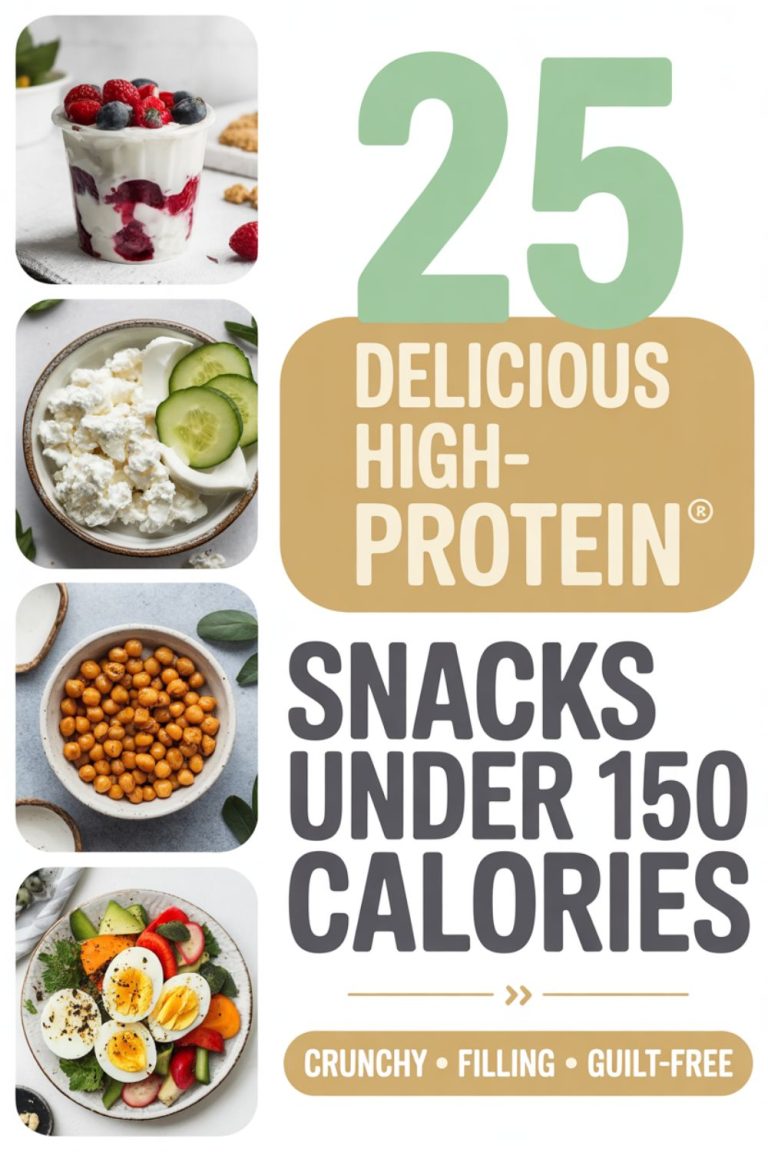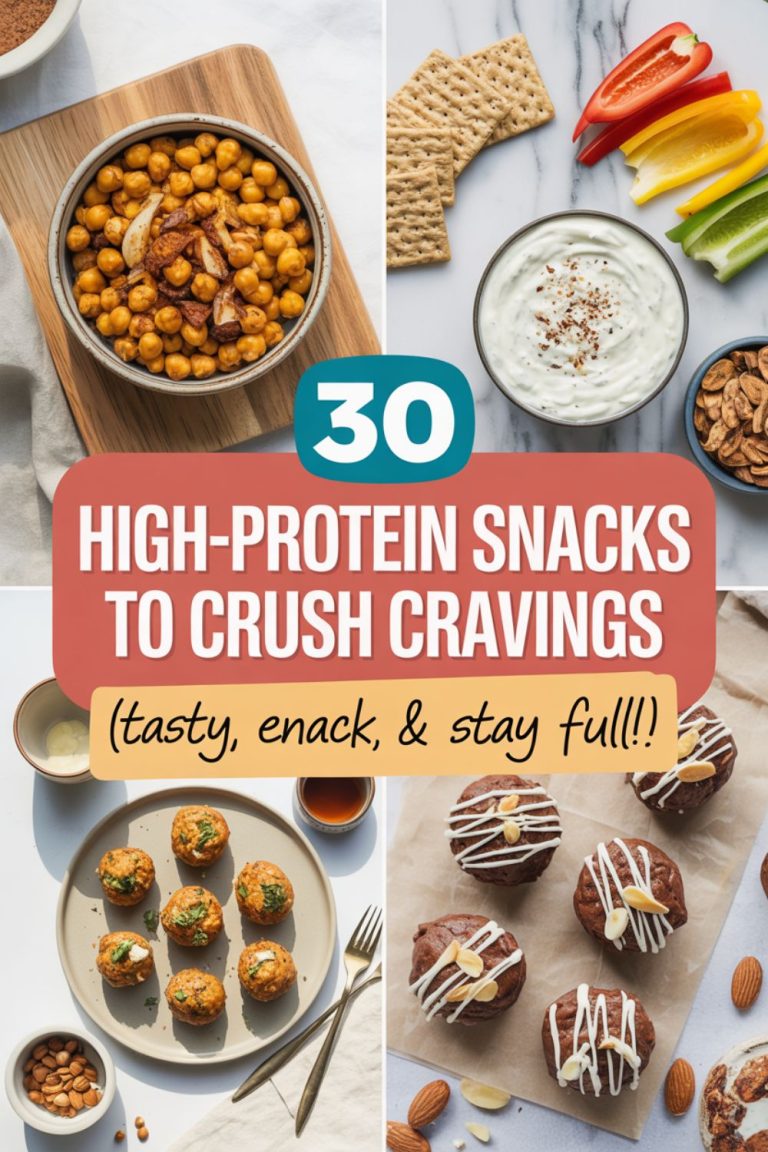
25 High-Protein Snacks That Crush Cravings
You know that 3 PM crash when your stomach starts staging a full-blown revolt and suddenly that bag of chips is looking like your soulmate? Yeah, I’ve been there. But here’s the thing—most snacks leave you hungrier an hour later, riding that blood sugar roller coaster nobody asked for.
I used to think protein snacks meant choking down cardboard-flavored bars or spending 20 minutes meal-prepping containers I’d inevitably forget in the fridge. Turns out, keeping protein-packed snacks in your rotation doesn’t require a nutrition degree or sacrificing your taste buds.
The whole protein craze isn’t just fitness influencers screaming about gains, either. Research from Harvard Health shows that protein actually slows digestion and stabilizes blood sugar, which means you stay fuller longer without that crash-and-burn cycle. Your body can only handle about 20 to 40 grams of protein at once, so spacing it out throughout the day with smart snacks makes way more sense than loading up at dinner.
This list isn’t about perfection or hitting some arbitrary macro goal. It’s about real snacks that actually taste good and keep you from face-planting into a pizza at 4 PM.
Why Protein Actually Matters for Snacking
Before we get into the good stuff, let’s talk about why protein isn’t just another buzzword. When you eat protein, your body releases hormones that tell your brain “Hey, we’re good here”—specifically, it suppresses ghrelin (the hunger hormone) while boosting peptide YY, which promotes fullness.
But here’s where it gets interesting. Protein has what’s called a thermic effect, meaning your body burns more calories just digesting it compared to carbs or fats. According to research published in nutrition journals, a higher-protein diet can boost your metabolism by 80-100 calories per day. That’s not going to make you lose 20 pounds overnight, but it’s a nice bonus for eating food that keeps you satisfied.
Plus, if you’re trying to maintain muscle mass as you age—and trust me, you should be—regular protein intake is non-negotiable. Your muscles are constantly breaking down and rebuilding, so they need a steady supply of amino acids to do their thing.
Greek Yogurt—The Creamy MVP
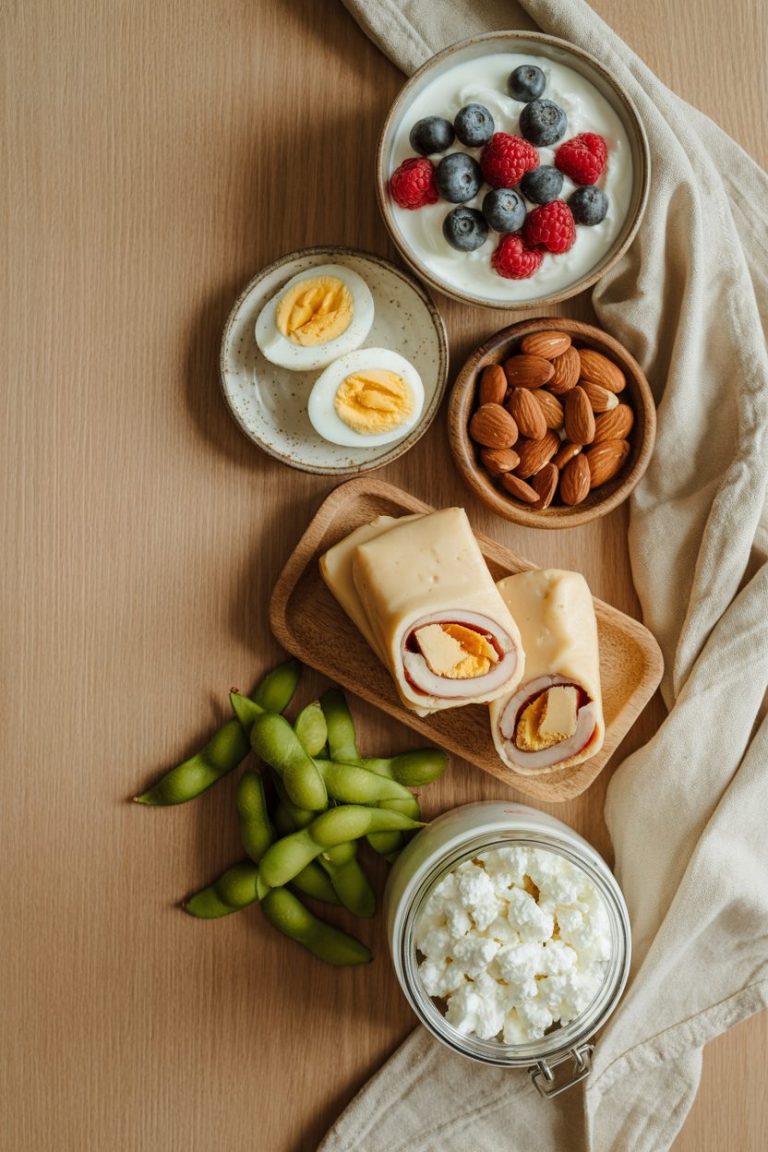
Greek yogurt is basically the overachiever of the dairy world. A 3/4 cup serving packs about 17 grams of protein—more than double what you’d get from regular yogurt. I keep a few containers in the fridge at all times because it’s stupid versatile.
You can go sweet with berries and a drizzle of honey, or savory with cucumber, dill, and a pinch of salt for a makeshift tzatziki situation. IMO, the plain, full-fat version tastes way better than the flavored stuff that’s loaded with sugar.
If you’re looking for more ways to work Greek yogurt into your routine, these 30 high-protein breakfast ideas include some killer yogurt parfait variations you can prep in advance. These little mason jars are perfect for layering yogurt, granola, and fruit—portable and Instagram-worthy, if you’re into that.
Quick Greek Yogurt Hacks
- Add crunch: Toss in some toasted nuts or seeds for texture without killing the protein content
- Savory dip: Mix in curry powder, lemon juice, and a touch of honey for an egg dip that’s weirdly addictive
- Frozen treat: Spread it on a tray, add berries, freeze, and break into chunks—like healthy bark
Hard-Boiled Eggs—Boring But Brilliant
Yeah, I know. Hard-boiled eggs aren’t winning any excitement awards. But one large egg delivers 6.3 grams of protein and costs like 20 cents. You can prep a dozen on Sunday and have grab-and-go protein all week.
The trick is not overcooking them. Nobody wants that gray ring around the yolk and the sulfur smell that announces “I made eggs wrong” to everyone within a 10-foot radius. Bring water to a boil, drop in the eggs, cover, turn off the heat, and let them sit for 10-12 minutes. Ice bath immediately. Perfect every time.
Season them with everything bagel seasoning, hot sauce, or that curry yogurt dip I mentioned earlier. For a complete guide on incorporating eggs into your daily routine, check out 40 high-protein meal prep ideas for the week.
Speaking of eggs and meal prep, if you’re trying to streamline your mornings, you’ll love these high-protein breakfast ideas to stay full longer. Tons of make-ahead options that aren’t sad desk eggs.
String Cheese—Yes, Really
String cheese gets a bad rap as kid food, but hear me out. One stick gives you 6-7 grams of protein, travels well, and doesn’t need refrigeration for a few hours. I always toss a couple in my bag before road trips or long meetings.
If you’re fancy, upgrade to mini mozzarella balls or aged cheddar chunks. Pair with some grapes or apple slices and you’ve got yourself a legit snack that feels less like you’re rationing food and more like you’re having a moment.
Turkey or Chicken Roll-Ups
This is one of those snacks that looks more complicated than it is. Take a slice of deli turkey or chicken breast, spread on a thin layer of hummus or cream cheese, add some cucumber or bell pepper strips, roll it up. Done. Three grams of protein per slice of turkey, and you can make a bunch in advance.
The key is buying decent deli meat—look for stuff without a ton of sodium or weird preservatives. If you’re vegetarian, swap in high-protein vegetarian meals using ingredients like tempeh or tofu strips instead.
Nuts and Seeds—The Portable Powerhouses
Almonds, cashews, pumpkin seeds, sunflower seeds—they’re all solid options. An ounce of almonds (about 23 nuts) has around 6 grams of protein plus healthy fats that keep you satisfied. Pumpkin seeds punch even higher at 8.5 grams per ounce.
Fair warning: nuts are calorie-dense, so it’s easy to eat half a bag without realizing it. I portion mine into small containers so I’m not doing mental math while elbow-deep in a Costco-sized container of cashews.
Nut Butter—The Spreadable Version
Peanut butter, almond butter, cashew butter—all fair game. Two tablespoons give you about 7-8 grams of protein. Smear it on apple slices, celery, whole grain crackers, or just eat it off a spoon like a functional adult.
Watch out for brands that add sugar and palm oil. The ingredient list should be short: nuts, maybe salt. This natural almond butter is my go-to—just almonds, no weird stuff.
Edamame—The Underrated Champion
One cup of edamame delivers 17 grams of protein. Yeah, you read that right. Plus fiber, vitamins, and all that good stuff. You can buy it frozen, microwave it for a couple minutes, sprinkle with sea salt or chili flakes, and call it a snack.
It’s one of those rare plant-based proteins that’s a complete protein, meaning it has all nine essential amino acids your body needs. If you’re plant-based or just trying to eat less meat, edamame is clutch.
For more plant-forward protein options, this collection of high-protein vegetarian meals even meat lovers eat might surprise you with how satisfying meatless eating can be.
Cottage Cheese Makes a Comeback
Cottage cheese had a moment in the ’90s, disappeared, and now it’s back with a vengeance. Half a cup packs about 14 grams of protein. The texture still weirds some people out, but mix in some berries, tomatoes, or everything bagel seasoning and it’s actually pretty great.
You can also blend it into smoothies for extra creaminess without the chalky protein powder vibe. Or use it as a base for savory snacks with hot sauce and black pepper.
Meal Prep Essentials Used in This Guide
These are the tools and products that make prepping high-protein snacks way less annoying:
- Glass meal prep containers – Microwave and dishwasher safe, no weird plastic smell
- Silicone muffin cups – Perfect for portioning nuts, cheese cubes, or making egg bites
- Mini food processor – Makes nut butters, hummus, and energy balls in under 5 minutes
- 7-Day High-Protein Meal Plan (1500 Calories) Printable PDF – Takes the guesswork out of planning
- 14-Day High-Protein Weight Loss Plan Instant Download – Includes snack ideas and shopping lists
- 21-Day High-Protein Meal Prep Challenge Printable Guide – Step-by-step system with grocery lists
Beef Jerky—When You Need Something to Chew
Quality beef jerky gives you about 9-10 grams of protein per ounce. The keyword here is quality. A lot of the gas station stuff is loaded with sugar and sodium that’ll make you retain water like a sponge.
Look for brands with minimal ingredients—beef, salt, spices. You can also find chicken jerky and salmon jerky if you want to mix it up. Salmon jerky actually has slightly more protein (12 grams per ounce) and omega-3s as a bonus.
Roasted Chickpeas—The Crunchy Snack Alternative
A half-cup of chickpeas has 7 grams of protein. Roast them in the oven with olive oil and whatever spices you’re feeling, and you’ve got a crunchy snack that’s way more interesting than another handful of almonds.
Dry the chickpeas really well after rinsing—moisture is the enemy of crispiness. Toss with avocado oil, season however you want (buffalo, garlic parmesan, taco seasoning all work), and roast at 400°F for about 25-30 minutes, shaking the pan halfway through.
If you dig the chickpea vibe, you’ll probably love these high-protein lunches for busy workdays. Several recipes feature chickpeas in totally different ways—way more exciting than sad salad lunches.
Protein Smoothies—When You’d Rather Drink Your Snack
Smoothies get you protein fast without needing to chew anything, which is clutch when you’re running late or just can’t deal with solid food. Blend Greek yogurt, frozen fruit, a scoop of protein powder, and some almond milk. Done in 60 seconds.
The protein powder aisle can be overwhelming, though. Whey protein is solid if you’re okay with dairy. If not, look for pea protein or brown rice protein blends. Skip anything with a mile-long ingredient list full of artificial sweeteners and “proprietary blends” that basically mean “we’re not telling you what’s in here.”
I’ve got 22 high-protein smoothies for muscle gain saved for days when I need something more interesting than my standard banana-berry combo. Some of those flavor combinations are wild but surprisingly good.
Tuna Packets—Protein Without the Can Opener
Those single-serve tuna pouches are a lifesaver. One packet has about 15-20 grams of protein depending on the size. Mix with a little mayo or Greek yogurt, add some diced celery and onion if you’re fancy, and eat with crackers or stuff it in a bell pepper.
Salmon packets work too and have the added benefit of omega-3 fatty acids. The flavored ones (lemon pepper, buffalo style) are actually decent if you’re not in the mood to season it yourself.
Hummus with Veggies or Crackers
Two tablespoons of hummus give you about 2 grams of protein, which isn’t huge on its own, but pair it with whole grain crackers or veggies and you’ve got a solid snack. The chickpeas in hummus also bring fiber to the table, which helps with that fullness factor.
Store-bought hummus is fine, but making your own is ridiculously easy if you have a food processor. Chickpeas, tahini, lemon juice, garlic, salt. Blend until smooth. Takes maybe 5 minutes.
Protein Bars—When You Need Maximum Convenience
Not all protein bars are created equal. Some are basically candy bars with protein powder sprinkled in. Look for bars with at least 10 grams of protein, minimal added sugar (under 10 grams), and an ingredient list you can actually pronounce.
My rule: if the first ingredient is sugar or corn syrup, put it back. You want protein (whey, soy, pea, whatever) listed first. FYI, most of the “clean” brands taste like cardboard for a reason—they actually are cleaner. Worth the trade-off if you ask me.
Mini Meatballs or Chicken Bites
Prep a batch of meatballs or chicken bites on Sunday, and you’ve got protein bombs ready all week. Four meatballs give you around 15-20 grams of protein depending on size. They reheat well and you can change up the seasonings so you don’t get bored.
Use ground turkey or lean beef, add some breadcrumbs or oats, egg, and whatever spices you want. Bake on a silicone mat so they don’t stick. Easy cleanup, no babysitting.
For more make-ahead protein ideas like this, check out these high-protein dinners for fat loss. The meal prep sections break down exactly how to batch-cook proteins for the week.
Protein Pancakes or Waffles
Yeah, you can make these high-protein. Mix protein powder into your regular pancake batter, or use a mix of oat flour, eggs, and mashed banana. Top with Greek yogurt instead of syrup and you’ve got a snack that feels like dessert but actually keeps you full.
Make a big batch, freeze them, and pop them in the toaster when you need a quick snack. Beats the hell out of whatever’s in the vending machine.
Chia Seed Pudding
Three tablespoons of chia seeds have about 6 grams of protein plus a ton of fiber. Mix them with almond milk and let it sit overnight—the chia seeds absorb the liquid and turn into this pudding-like texture that’s pretty satisfying.
Add vanilla extract, cinnamon, or cocoa powder for flavor. Top with berries or a drizzle of nut butter in the morning. It’s one of those set-it-and-forget-it snacks that feels more put-together than it actually is.
Egg Bites or Mini Frittatas
Bake eggs in a muffin tin with whatever vegetables and cheese you have lying around. Each muffin cup gives you around 5-6 grams of protein, and you can grab a couple for a quick snack.
Use silicone muffin cups so they pop out easily without sticking. Mix eggs with diced bell peppers, spinach, feta, whatever sounds good. Bake at 350°F for 20-25 minutes. Refrigerate for up to 5 days.
Protein Balls or Energy Bites
These no-bake snacks are clutch when you want something sweet but not total garbage. Mix oats, nut butter, protein powder, honey, and add-ins like chocolate chips or dried fruit. Roll into balls, refrigerate.
Each bite has around 3-5 grams of protein depending on your recipe, so eat 2-3 for a solid snack. They keep in the fridge for a week and freeze well if you want to make a huge batch.
Chocolate Milk—The Nostalgic Recovery Drink
One cup of chocolate milk has about 8 grams of protein, plus carbs that help with glycogen replenishment if you’ve been working out. It’s basically a recovery drink disguised as a childhood favorite.
You can also make your own with regular milk and cocoa powder if you want to control the sugar. It’s not the most cutting-edge protein snack, but it works and tastes way better than most protein shakes.
Smoked Salmon on Crackers
Three ounces of smoked salmon give you about 16 grams of protein plus omega-3s. Put it on whole grain crackers, add a little cream cheese or avocado, maybe some capers if you’re feeling fancy.
It’s one of those snacks that feels upscale but takes zero cooking skill. Also great for impressing people when you have friends over—throw it on a board with some crackers and suddenly you look like you have your life together.
Protein Oatmeal
Regular oatmeal has some protein, but you can boost it significantly by stirring in a scoop of protein powder or a spoonful of nut butter after cooking. Half a cup of dry oats plus protein powder can get you around 15-20 grams total.
Make overnight oats if you want it cold, or microwave regular oats for 90 seconds if you want it warm. Add cinnamon, berries, and a drizzle of honey. Feels like comfort food, keeps you full for hours.
For a complete morning protein strategy, these high-protein breakfast ideas show you exactly how to start your day right without spending an hour in the kitchen. Get Full Recipe for the protein-boosted overnight oats I make every Sunday.
Seitan or Tempeh Strips
If you’re vegetarian or vegan, seitan and tempeh are your best friends. Seitan has about 21 grams of protein per 3-ounce serving. Tempeh has around 15 grams. Both take on whatever flavor you throw at them.
Slice them thin, marinate in soy sauce and garlic, pan-fry until crispy. Eat as is or wrap in lettuce leaves with some sriracha. For more plant-based protein inspiration, check out this 7-day high-protein vegetarian meal plan.
Black Bean Dip with Vegetables
Black beans bring both protein and fiber. Blend cooked black beans with lime juice, cumin, garlic, and a little olive oil. One serving (about 1/4 cup) gives you around 5-6 grams of protein.
Dip bell pepper strips, cucumber slices, or whole grain chips. It’s filling, tastes way better than it sounds, and you can make it spicy or mild depending on your tolerance for heat.
Ricotta Cheese with Fruit or Honey
Half a cup of ricotta has about 14 grams of protein. Drizzle with honey and add berries for a sweet snack, or go savory with tomatoes and basil. It’s creamy, satisfying, and feels more indulgent than it is.
You can also spread it on toast, blend it into smoothies, or use it as a dip for fruit. Super versatile and way less boring than you’d think.
Tools & Resources That Make Snacking Easier
A few things that genuinely make life simpler when you’re trying to keep protein snacks in rotation:
- Insulated lunch bag – Keeps cold snacks cold for hours, no ice packs needed
- Electric egg cooker – Set it and forget it, perfect eggs every time
- Snack-sized containers – Portion control made visible
- 30-Day High-Protein Transformation Plan Full PDF Bundle – Meal plans, snack lists, shopping guides, the whole deal
- 7-Day High-Protein Meal Plan for Women Over 40 Downloadable – Tailored to hormonal needs and metabolism shifts
- 7-Day High-Protein Low-Carb Meal Plan Instant PDF – If you’re keeping carbs in check
Making It Stick Without Losing Your Mind
The whole point of having high-protein snacks available is so you’re not making poor decisions when you’re starving. But let’s be real—you’re not going to meal prep 12 different snacks every Sunday. That’s absurd.
Pick 3-5 options that actually sound good to you, prep those, and rotate through them. Maybe this week it’s hard-boiled eggs, Greek yogurt, and roasted chickpeas. Next week, swap one out for turkey roll-ups or energy balls. Keep it simple.
Also, don’t stress if you’re not hitting some perfect protein number at every snack. The goal is to avoid the blood sugar crash, not to become a macronutrient accountant. Somewhere between 10-20 grams per snack is solid. More if you’re bigger or more active, less if you’re smaller or eating again soon.
If you’re finding it hard to plan everything out, these downloadable meal plans might help: 14-day high-protein muscle gain meal plan and 7-day high-protein intermittent fasting plan. Both include snack timing and portion guidance.
If you’re struggling with cravings at night specifically, these low-carb high-protein dinners might help. Heavier protein at dinner tends to reduce late-night snacking for a lot of people.
Common Mistakes People Make with Protein Snacks
Biggest mistake? Going overboard. More protein isn’t always better. Your body can only use so much at once, and excess protein doesn’t magically turn into muscle—it just gets converted to glucose or fat like anything else.
Another thing: ignoring the rest of the nutrition label. A protein bar with 20 grams of protein but also 25 grams of sugar and a bunch of artificial ingredients isn’t doing you any favors. Look at the whole picture.
Also, don’t fall into the trap of eating only protein. You need fats and carbs too. Pair your protein snacks with fruit, veggies, or whole grains to get a more balanced nutritional profile. Your body will thank you.
Finally, ultra-processed protein snacks aren’t inherently evil, but whole-food protein sources are generally better. Eggs, Greek yogurt, nuts, beans—these bring vitamins, minerals, and fiber along with the protein. Protein powder and bars are convenient backups, not meal replacements.
Frequently Asked Questions
How much protein do I actually need per day?
The standard recommendation is 0.8 grams per kilogram of body weight, but recent research suggests 1.2-1.6 grams per kilogram might be better, especially if you’re active. For a 150-pound person, that’s roughly 80-110 grams per day. Spread that across meals and snacks rather than loading up at one sitting—your body can only process 20-40 grams at once anyway.
Will eating too much protein damage my kidneys?
If you have healthy kidneys, high protein intake isn’t a problem. The kidney concern mostly applies to people with pre-existing kidney disease. That said, there’s no need to go crazy—most adults don’t benefit from consuming more than 2.2 grams per kilogram of body weight, even if they’re training hard.
Are protein snacks necessary if I’m eating enough protein at meals?
Not necessarily. If you’re hitting your protein goals with three solid meals and you’re not hungry between them, you’re good. Protein snacks are most useful for people with long gaps between meals, those trying to build muscle, or anyone struggling with energy crashes and cravings. Use them strategically, not obsessively.
What’s the difference between whey protein and plant-based protein?
Whey protein (from dairy) is a complete protein with all nine essential amino acids, digests quickly, and is great post-workout. Plant-based proteins like pea, soy, or rice protein can also be complete but often need to be blended for the full amino acid profile. Both work fine—choose based on dietary preferences and how your stomach handles them.
Can I eat the same protein snacks every day?
You can, but it’s boring and you might miss out on different nutrients. Rotating through 5-7 different protein snacks ensures you’re getting varied vitamins, minerals, and types of protein. Plus, variety keeps you from burning out on the same flavors every single day. Your taste buds will appreciate the effort.
Final Thoughts
Look, there’s no perfect protein snack that’s going to magically transform your life. But having a few solid options in your rotation makes a huge difference when you’re trying to avoid the vending machine or that spontaneous drive-through run.
The snacks that work are the ones you’ll actually eat. If you hate cottage cheese, don’t force it just because some fitness influencer swears by it. Find what tastes good to you, fits your schedule, and keeps you satisfied. That’s the whole game.
Start with 2-3 options from this list. Prep them once, see how it goes. If you find yourself reaching for them instead of raiding the pantry at 3 PM, you’re on the right track. If something doesn’t work, try a different option. There’s no failing here—just figuring out what fits your life.
And if you need more structure or guidance, grab one of those meal plans I mentioned earlier. Sometimes having a roadmap makes the whole thing way less overwhelming. Either way, you’ve got this.