25 High-Protein Family-Friendly Meals Everyone Will Eat
Because getting everyone around the table shouldn’t feel like negotiating world peace
Let’s be real—trying to feed a family while keeping everyone’s protein intake on track can feel like you’re running a restaurant with the world’s pickiest clientele. One kid won’t touch anything green, another has suddenly decided they’re “basically vegetarian” (but still eats pepperoni pizza), and your partner keeps asking why dinner can’t just be nachos every night.
Here’s the thing: high-protein meals don’t have to be complicated, boring, or the kind of food that makes your kids stage a dinner table rebellion. I’ve spent years figuring out how to sneak—okay, let’s call it “strategically incorporate”—protein into meals that actually get eaten without complaints. No miracle promises here, just real food that real families will actually eat.
Most families need way more protein than they think. According to Mayo Clinic, adults should aim for about 15-30 grams of protein per meal, and kids need roughly 20-35 grams throughout the day depending on their age. But when you’re dealing with chicken nugget enthusiasts and mac-and-cheese purists, hitting those numbers feels impossible.
Why High-Protein Meals Matter for Families
Before we dive into the actual meals (I know, I know, you’re here for the recipes), let’s talk about why protein matters so much for growing kids and exhausted adults alike.
Protein isn’t just about building muscles—though that’s definitely part of it. It keeps everyone feeling full longer, which means fewer “I’m hungry” complaints thirty minutes after dinner. It stabilizes blood sugar levels, preventing those afternoon meltdowns that make everyone miserable. And for kids especially, protein supports immune function and helps with growth and development.
Think about your typical weeknight dinner. If it’s pasta with marinara, you’re looking at maybe 10 grams of protein total. Add some ground turkey or white beans? Boom—you’re at 30+ grams, and suddenly everyone stays satisfied until bedtime instead of raiding the pantry an hour later.
“I started adding an extra protein source to our regular meals, and the difference was crazy. My kids stopped asking for snacks right after dinner, and I noticed they had better focus with homework. Plus, I wasn’t falling asleep on the couch at 8 PM anymore.” — Maria, mom of three
The Game-Changer Kitchen Tools Nobody Talks About
Listen, you don’t need fancy equipment to make high-protein meals. But a few smart tools make everything exponentially easier, especially on those nights when you’re running on fumes and the thought of cooking makes you want to cry into a pizza box.
I swear by my cast iron skillet for getting perfect sears on chicken and fish—it’s nearly indestructible and makes everything taste better. There’s also this instant-read thermometer that takes the guesswork out of cooking meat (no more cutting into chicken breasts to check if they’re done, which drives me nuts).
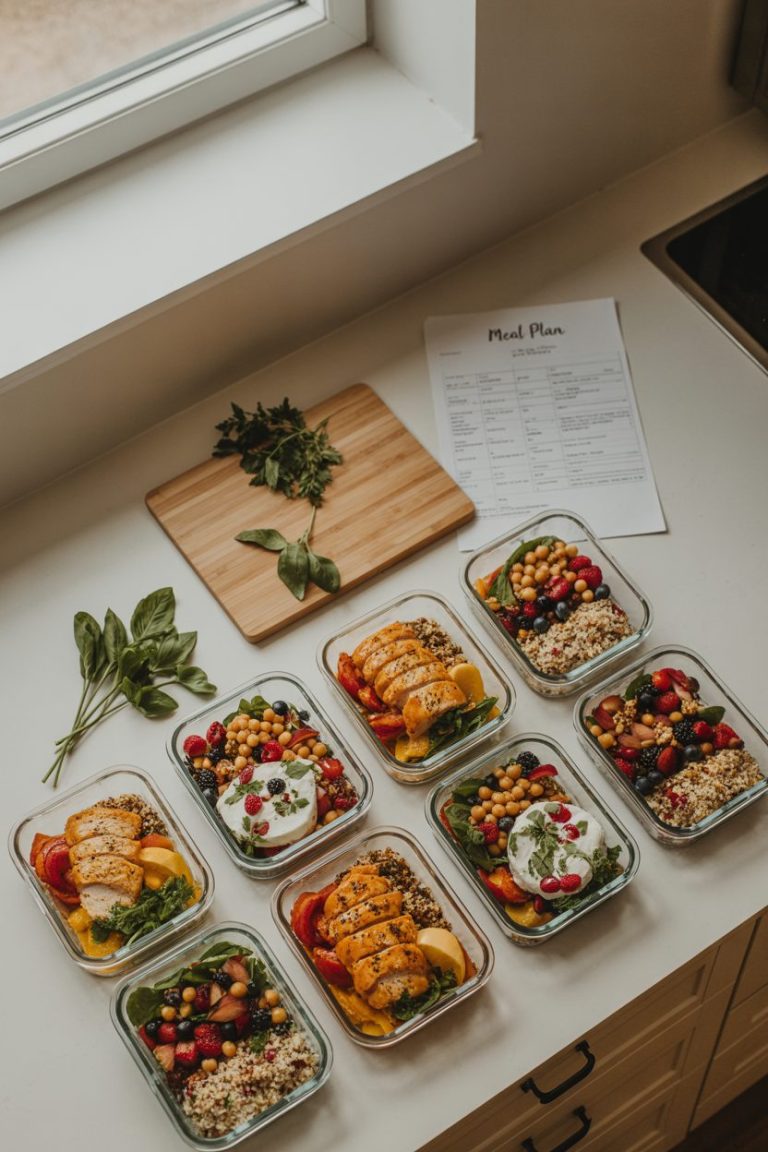
For meal prep days, glass storage containers with snap lids are essential. They stack nicely, don’t absorb odors, and you can reheat directly in them. I also use these silicone baking mats constantly—nothing sticks, cleanup is stupid easy, and they last forever.
💡 Pro Tip
Prep your protein on Sunday night. Season and portion chicken breasts, brown ground beef, or cook a big batch of beans. Store everything in separate containers. During the week, you’re literally just reheating and assembling—dinner in 15 minutes, I promise.
25 High-Protein Meals Your Family Will Actually Eat
1. Sheet Pan Chicken Fajitas (32g protein per serving)
Sheet pan dinners are the MVP of weeknight cooking. Slice chicken breasts, bell peppers, and onions, toss with fajita seasoning, roast at 400°F for 25 minutes. Serve with tortillas, cheese, and salsa. The best part? One pan, minimal cleanup, maximum protein.
I use rimmed baking sheets for everything—they’re deep enough to prevent spills but shallow enough for good browning. Total game changer.
2. Greek Yogurt Chicken Salad (28g protein per serving)
Ditch the mayo and use Greek yogurt instead. Shred rotisserie chicken, mix with Greek yogurt, diced apples, celery, grapes, and a handful of walnuts. Sounds fancy, tastes amazing, comes together in literally ten minutes.
Kids love this stuffed into whole wheat pitas or on crackers. Adults appreciate that it’s not the mayo-bomb version that sits heavy in your stomach all afternoon. If you want even more protein-packed lunch ideas, check out these high-protein lunches for busy workdays.
3. Turkey and Black Bean Chili (30g protein per serving)
One-pot wonders are my love language. Brown ground turkey with onions and garlic, add canned black beans, diced tomatoes, corn, chili powder, and cumin. Simmer for 30 minutes. Top with cheese and Greek yogurt (or sour cream if your family revolts against Greek yogurt).
This freezes beautifully, which means you can make a double batch and have backup dinners ready for those inevitable chaotic weeks.
4. Baked Salmon with Roasted Vegetables (34g protein per serving)
Don’t let salmon intimidate you. Season fillets with salt, pepper, and lemon juice. Bake at 375°F for 12-15 minutes. Surround with broccoli, carrots, and potatoes that you’ve tossed in olive oil. Everything cooks on the same sheet pan, everyone gets their veggies and protein.
If your kids are skeptical about fish, try this honey garlic glaze—it’s sweet enough to win over even the most suspicious eaters without being candy-level sugary.
5. Protein-Packed Pasta Bolognese (26g protein per serving)
Use a blend of ground beef and Italian sausage for your bolognese sauce. Add finely diced carrots, celery, and mushrooms (trust me on the mushrooms—they add umami and bulk without being obvious). Serve over whole wheat pasta or chickpea pasta for extra protein.
The secret weapon here? Add a splash of milk at the end. It mellows the acidity and makes the sauce ridiculously creamy without needing heavy cream.
Looking for more comfort food makeovers? These high-protein comfort foods made healthy are absolute lifesavers.
6. Breakfast-for-Dinner Egg Scramble (24g protein per serving)
Scrambled eggs with diced ham, cheese, peppers, and onions. Serve with whole wheat toast and fruit. Breakfast for dinner is universally beloved, and eggs are one of the cheapest protein sources you can buy.
My nonstick skillet with high sides makes scrambling eggs for a crowd so much easier—you can actually stir without launching eggs onto the stove.
7. Slow Cooker Pulled Chicken Tacos (30g protein per serving)
Dump chicken breasts, salsa, and taco seasoning into your slow cooker. Cook on low for 6 hours, shred with forks. Serve in tortillas with all the toppings—lettuce, tomatoes, cheese, avocado, sour cream.
The chicken basically cooks itself while you’re at work or dealing with life. If you’re into set-it-and-forget-it cooking, get yourself a programmable slow cooker that switches to warm mode automatically.
💡 Quick Win
Double your protein at taco night by spreading refried beans on the tortillas first, then adding the meat. Nobody notices the extra beans, everyone gets more protein and fiber. Win-win.
8. Mediterranean Chickpea Bowl (22g protein per serving)
This is my go-to for “I have no idea what’s for dinner and we need food in 20 minutes” nights. Canned chickpeas (drained and roasted with olive oil and spices), cucumbers, tomatoes, feta cheese, olives, and hummus over quinoa or rice.
It’s basically a deconstructed salad that kids can assemble themselves, which somehow makes vegetables more acceptable. Don’t ask me why, but the assembly factor matters.
9. Beef and Broccoli Stir-Fry (28g protein per serving)
Thin-sliced beef, broccoli florets, garlic, ginger, soy sauce, and a touch of honey over rice. The whole thing takes maybe 20 minutes start to finish if you prep your ingredients first.
For perfect stir-fries every time, I use a carbon steel wok—it gets screaming hot and gives you that restaurant-quality sear without smoking out your kitchen.
10. Greek Chicken Pita Pizzas (25g protein per serving)
Use whole wheat pitas as the base. Top with hummus, diced cooked chicken, tomatoes, cucumbers, red onion, feta, and a drizzle of tzatziki. Bake until warm and slightly crispy.
Kids love the “build your own pizza” aspect, and you love that everyone’s getting protein and vegetables without the typical pizza grease-fest.
11. Lentil and Sausage Soup (24g protein per serving)
Brown some Italian sausage, add onions, carrots, celery, garlic, lentils, diced tomatoes, and chicken broth. Simmer until the lentils are tender. Finish with a handful of spinach and a squeeze of lemon.
Lentils are an underrated protein powerhouse—cheap, shelf-stable, and they bulk up soups beautifully. Plus they’re packed with fiber, which keeps everyone full and happy.
12. Protein-Loaded Quesadillas (27g protein per serving)
Shredded chicken or ground beef, black beans, corn, and lots of cheese between two tortillas. Cook in a skillet until golden and the cheese melts into gooey perfection. Slice into wedges and serve with salsa and Greek yogurt.
These work brilliantly as a “use up whatever’s in the fridge” meal. Got leftover taco meat? Quesadilla. Random vegetables? Quesadilla. It all works.
Want even more ways to incorporate protein throughout the day? These high-protein breakfast ideas will keep everyone full until lunch. Get Full Recipe
13. Asian Turkey Lettuce Wraps (26g protein per serving)
Ground turkey cooked with ginger, garlic, soy sauce, and hoisin sauce. Serve in butter lettuce leaves with diced water chestnuts, green onions, and shredded carrots. Fun to eat, surprisingly filling, and the lettuce wraps make it feel special.
Pro move: Set everything out buffet-style and let everyone build their own. Suddenly kids who “hate vegetables” are loading up their lettuce cups.
14. Cottage Cheese Lasagna (29g protein per serving)
Use cottage cheese instead of ricotta in your lasagna—it’s higher in protein and honestly tastes just as good. Layer with ground beef or turkey, marinara, noodles, and mozzarella. Bake until bubbly.
This is one of those meals you can assemble ahead, stick in the fridge, and bake when you need it. Future you will be incredibly grateful.
15. Honey Mustard Chicken Thighs (31g protein per serving)
Chicken thighs are more forgiving than breasts (read: harder to overcook and dry out). Mix honey, Dijon mustard, and a little olive oil. Coat the thighs, bake at 400°F for 30-35 minutes. Serve with roasted potatoes and green beans.
The glaze caramelizes in the oven and makes your kitchen smell absolutely incredible. This is the meal that gets compliments.
16. White Bean and Sausage Skillet (25g protein per serving)
Slice some smoked sausage, brown it in a skillet, add canned white beans, diced tomatoes, garlic, and spinach. Season with Italian herbs. Everything comes together in one pan in about 15 minutes.
Serve with crusty bread for soaking up the sauce. This is comfort food that happens to be loaded with protein—the best kind.
17. Grilled Chicken Caesar Salad (33g protein per serving)
Grilled chicken breast over romaine lettuce, parmesan cheese, croutons, and Caesar dressing. Nothing groundbreaking here, but sometimes the classics are classic for a reason.
Make it more dinner-worthy by adding hard-boiled eggs and serving it with garlic bread. Suddenly your salad is a full meal that even salad-skeptics will eat.
18. Baked Cod with Quinoa (28g protein per serving)
Season cod fillets with paprika, garlic powder, and lemon zest. Bake until flaky. Serve over quinoa (which has protein, unlike regular rice) with roasted asparagus or Brussels sprouts.
Cod is one of those mild fish that even fish-averse people can usually tolerate. The key is not overcooking it—take it out when it just barely flakes apart.
19. Protein Pancakes for Dinner (20g protein per serving)
Yes, pancakes for dinner. Use a protein pancake mix or make your own with oats, cottage cheese, eggs, and protein powder. Top with Greek yogurt, berries, and a drizzle of maple syrup.
Kids think they’re getting away with something, you know they’re eating a balanced meal with tons of protein. Everyone wins.
For more creative ways to use protein powder beyond shakes, check out these high-protein smoothies for muscle gain that double as desserts.
20. Tuna Melt Casserole (27g protein per serving)
Mix canned tuna with whole wheat pasta, a simple cheese sauce made with milk and shredded cheese, and frozen peas. Top with breadcrumbs and bake until golden.
This is the elevated version of tuna helper from a box, except it actually tastes good and has real ingredients. Plus, tuna is ridiculously cheap and shelf-stable.
21. Stuffed Bell Peppers (26g protein per serving)
Cut the tops off bell peppers, fill with a mixture of ground beef or turkey, cooked rice, black beans, corn, salsa, and cheese. Bake at 375°F for 30-35 minutes until the peppers are tender.
These look impressive but are actually super simple. You can prep them in advance and stick them in the oven when you get home from work.
22. Chicken Tikka Masala (30g protein per serving)
Don’t be intimidated by the name—this is basically chicken in a creamy tomato curry sauce. Use store-bought tikka masala sauce if you want to keep it simple (no judgment here). Serve over rice with naan bread.
The sauce is so flavorful that even picky eaters tend to like it. And if your family likes Indian food, explore more high-protein vegetarian meals that feature similar flavors.
23. BBQ Chicken Pizza (28g protein per serving)
Use a store-bought pizza crust (or naan bread in a pinch), spread BBQ sauce instead of marinara, add shredded chicken, red onions, cilantro, and mozzarella. Bake until the cheese melts.
This is pizza night without the guilt—way more protein than regular pizza, and it still satisfies that “I want pizza” craving perfectly.
24. Moroccan Chickpea Stew (23g protein per serving)
Sauté onions, add canned chickpeas, diced tomatoes, sweet potatoes, raisins, and Moroccan spices (cumin, cinnamon, coriander). Simmer until everything’s tender. Serve over couscous.
This is one of those meals that tastes even better the next day as the flavors meld together. Make a big batch and enjoy leftovers that are actually exciting.
25. Baked Ziti with Turkey (29g protein per serving)
Ground turkey, ziti pasta, marinara sauce, ricotta, mozzarella, and parmesan layered together and baked until bubbly. It’s like lasagna’s easier, faster cousin.
This feeds a crowd and reheats beautifully. It’s also one of those dishes that somehow tastes better as leftovers when all the flavors have had time to hang out together.
If you’re looking for a structured approach to high-protein eating, these meal prep ideas for the week will help you stay organized without losing your mind. Get Full Recipe
Meal Prep Essentials Used in This Plan
Here’s what makes weeknight cooking actually manageable:
- Glass meal prep containers (set of 10) – These don’t stain, don’t smell weird after multiple uses, and you can see what’s inside without playing fridge roulette.
- Instant-read meat thermometer – Takes the stress out of cooking chicken and eliminates those “is this done?” moments where you slice into everything and ruin the presentation.
- Quality sheet pans (set of 3) – Heavy enough not to warp, but light enough you’re not doing bicep curls getting them out of the oven.
- 7-Day High-Protein Meal Plan (1500 Calories) – Printable PDF
- 14-Day High-Protein Weight Loss Plan – Instant Download
- 30-Day High-Protein Transformation Plan – Full PDF Bundle
Making It Work with Picky Eaters
Let’s address the elephant in the dining room: what do you do when your kid looks at dinner like you’ve just served them actual garbage?
First, stop making separate meals. I know, controversial. But here’s the thing—kids won’t starve themselves. They might skip a meal, and that’s okay. They’ll eat at the next one.
That said, there are strategic ways to make high-protein meals more kid-friendly without becoming a short-order cook:
- Deconstructed meals work magic. Instead of mixed casseroles, put everything in separate bowls and let kids build their own plates. Suddenly they’re in control and more willing to try things.
- Sauce on the side always. Some kids hate when food touches. Some just want plain chicken. Fine. Give them the sauce separately.
- Involve them in cooking. Kids are way more likely to eat something they helped make. Even if their “help” is just stirring something or pressing buttons on the microwave.
- Keep trying. Research shows kids need to try something 10-15 times before they might like it. Most parents give up after 2-3 attempts.
And honestly? Sometimes frozen chicken nuggets happen. That’s life. The goal isn’t perfection—it’s getting more protein-rich meals on the table more often. Progress over perfection, always.
“I thought my daughter would never eat anything besides pasta with butter. I kept offering different proteins without pressure, and now she’ll eat chicken three different ways. It took months, but the consistency paid off.” — Jessica, mom of two
Tools & Resources That Make Cooking Easier
Because struggling is optional when you have the right gear:
- Programmable slow cooker with timer – Set it in the morning, come home to dinner already done. Life-changing for busy families.
- Sharp chef’s knife (8-inch) – A good knife makes prep work faster and actually enjoyable instead of a frustrating chore.
- Silicone spatula set – Heat-resistant, flexible, and they scrape bowls clean so you’re not wasting food or money.
- 7-Day High-Protein Low-Carb Meal Plan – Instant PDF
- 7-Day High-Protein Vegetarian Meal Plan – Printable PDF
- 7-Day High-Protein Intermittent Fasting Plan (16:8) – PDF
Budget-Friendly Protein Sources
High-protein eating doesn’t require a six-figure salary or a Costco membership (though Costco certainly helps). The key is knowing which proteins give you the most bang for your buck.
Eggs are undefeated in the price-per-protein category. Ground turkey and chicken thighs are way cheaper than breasts and arguably taste better. Canned tuna and salmon are pantry staples that cost pennies per serving. Dried beans and lentils are almost free and last forever in your pantry.
One underrated move: buying whole chickens and breaking them down yourself. It’s easier than it sounds (YouTube is your friend here), and you’ll save a ridiculous amount of money. Plus you can use the bones for stock, which is basically liquid protein gold.
Greek yogurt in the big tubs instead of individual servings. Store-brand cottage cheese instead of name brand. Frozen fish fillets when they’re on sale. These small swaps add up fast without sacrificing nutrition or taste.
💡 Pro Tip
Buy protein when it’s on sale and freeze it. Ground meat freezes beautifully for months. Chicken breasts freeze great if you portion them first. Even tofu freezes well and actually gets a better texture (chewier, more meat-like) after freezing.
The Meal Prep Advantage
I’m not saying meal prep will solve all your problems, but it’ll solve a lot of them. When you’ve got pre-cooked protein ready to go, throwing together a high-protein meal becomes stupid simple.
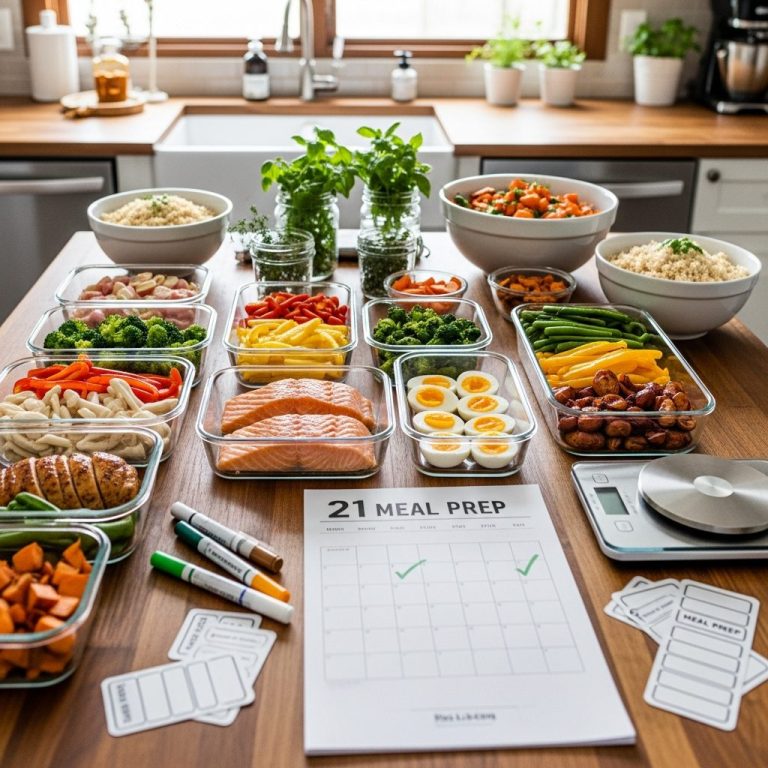
Dedicate an hour or two on Sunday (or whatever day works for you). Cook 3-4 pounds of chicken breasts or thighs. Brown a big batch of ground beef or turkey. Boil a dozen eggs. Cook a pot of quinoa or rice. Chop vegetables. Store everything in separate containers.
Throughout the week, you’re just mixing and matching. Monday is chicken with roasted vegetables. Tuesday is ground beef tacos. Wednesday is a grain bowl situation. Thursday is egg scramble. See where I’m going with this?
The same basic proteins show up in different forms, but meals feel varied because you’re changing up the vegetables, sauces, and sides. Your family thinks you’re some kind of dinner wizard, you know you just assembled pre-cooked stuff in different combinations.
For a comprehensive guide to meal prepping that won’t make you want to quit before you start, these 21-day meal prep challenges break everything down into manageable steps.
When to Use Plant-Based Proteins
Not every meal needs meat, and honestly, rotating in plant-based proteins makes everything easier on your grocery budget and your digestive system.
Chickpeas, black beans, lentils, edamame, quinoa, tofu, tempeh—these all pack serious protein. The key is combining them strategically. Beans + rice gives you a complete protein. Hummus + whole wheat pita. Peanut butter + whole grain bread.
IMO, the easiest swap is using beans alongside meat in things like tacos, chili, and pasta sauce. You’re not going full vegetarian, you’re just stretching your protein sources while adding fiber and nutrients. Nobody at your table will complain that their chili has too many beans.
Tofu gets a bad rap, but it’s actually incredibly versatile if you know how to prepare it. Press out the water, cut it into cubes, toss with cornstarch and seasonings, then bake until crispy. Game changer. Use it in stir-fries, grain bowls, or even scrambled like eggs.
Plant-based doesn’t mean boring—it just means thinking slightly differently about your protein sources. And hey, if it saves you money and introduces new flavors to your family’s rotation, that’s a win.
If you’re curious about incorporating more plant-based options, these vegetarian meals that even meat lovers eat are genuinely delicious, not just “good for vegetarian food.” Get Full Recipe
Snacks That Actually Contribute
Let’s talk about the snack situation, because this is where a lot of families accidentally sabotage their protein intake. If kids are filling up on goldfish crackers and fruit snacks between meals, they’re not hungry for the protein-packed dinner you’re making.
Better snack options: String cheese, Greek yogurt, hard-boiled eggs, deli meat roll-ups, nuts (if no allergies), protein bars that aren’t candy bars in disguise, apple slices with peanut butter, cottage cheese with fruit.
The goal isn’t to eliminate fun snacks entirely—it’s to make sure snacks contribute to the daily protein total instead of just being empty calories that ruin appetite for actual meals.
Keep a stash of high-protein snacks under 150 calories ready to grab. When kids ask for a snack, offer two protein-rich options. They get to choose, you know they’re getting nutrients. Everybody’s happy.
Dealing with Different Dietary Needs
Maybe one kid has allergies, another refuses dairy, your partner is trying keto, and you’re just trying to not lose your mind. Welcome to modern family dinner planning.
The beauty of high-protein meals is that many of them are naturally adaptable. Tacos work with any protein or no protein (beans!). Stir-fries accommodate any vegetables and any protein source. Sheet pan dinners let you cook different proteins on the same pan if needed.
Keep dairy-free alternatives on hand if needed—coconut yogurt, almond milk, vegan cheese that doesn’t taste like cardboard (they exist now, I promise). Stock gluten-free pasta or cauliflower rice for carb-conscious family members.
The secret is cooking the protein and vegetables the same way for everyone, then letting people customize their sides and additions. Everyone eats similar food, you don’t cook five different meals. Sanity preserved.
Frequently Asked Questions
How much protein should my family eat per day?
It varies by age and activity level, but generally adults need 15-30 grams per meal, while kids need 20-35 grams throughout the day depending on their age. Active teenagers and adults who exercise regularly might need more—closer to 1.2-1.7 grams per kilogram of body weight. The easiest approach is including a palm-sized portion of protein with every meal and protein-rich snacks between meals.
What if my kids refuse to eat high-protein foods?
Start small and don’t make it a battle. Mix protein into foods they already like—add beans to pasta sauce, stir protein powder into pancakes, serve chicken with their favorite dipping sauce. Keep offering variety without pressure. Most kids need 10-15 exposures to a food before they’ll accept it, so consistency matters more than immediate acceptance.
Can we get enough protein on a budget?
Absolutely. Eggs, canned tuna, dried beans, lentils, chicken thighs, and ground turkey are all affordable protein sources. Buy in bulk when possible, use your freezer strategically, and don’t overlook plant-based proteins which are often the cheapest options. A dozen eggs costs a few dollars and provides 72 grams of protein—that’s hard to beat.
Are protein shakes necessary for kids?
Usually not. Most kids get plenty of protein from regular food if you’re being intentional about meals and snacks. Protein shakes can be helpful for extremely picky eaters or very active teenagers, but whole food sources are always better when possible. If you do use them, look for options without added sugars or sketchy ingredients.
How do I meal prep protein without it getting dry or gross?
Don’t overcook it in the first place—that’s the biggest mistake. Use a meat thermometer to avoid overcooked chicken. Store proteins with a bit of moisture (sauce, broth, or dressing). Reheat gently and add fresh elements when serving. Chicken thighs and ground meats hold up better than chicken breasts for meal prep. And honestly, some proteins like hard-boiled eggs and deli meat don’t need reheating at all.
Final Thoughts
Here’s the truth about feeding your family high-protein meals: it’s not about being perfect, having a spotless kitchen, or spending hours cooking elaborate dishes. It’s about consistently putting nutritious, protein-rich food on the table in ways your family will actually eat.
Some nights you’ll nail it with a beautiful sheet pan dinner. Other nights you’ll throw rotisserie chicken, microwaved vegetables, and instant rice on plates and call it done. Both count. Both matter. Both are getting your family the protein they need.
The meals on this list aren’t complicated or fancy. They’re the real-life dinners that happen in actual kitchens with real budgets and real time constraints. They’re the meals that work when you’re tired, when your kids are being difficult, when you forgot to defrost anything and need dinner in 20 minutes.
Start with two or three recipes that sound manageable. Try them, see what your family likes, build from there. Before you know it, you’ll have a rotation of high-protein meals that everyone actually eats without complaints. And that’s the real victory—not perfect nutrition, but sustainable nutrition that works for your actual life.
Your family’s health matters. But so does your sanity. These meals protect both.