25 Delicious High-Protein Snacks Under 150 Calories
Listen, I get it. You’re hungry between meals, staring into your fridge like it owes you answers, and grabbing whatever’s easiest usually means something that leaves you hungry again in twenty minutes. Been there, done that, bought the oversized bag of chips.
But here’s the thing about protein snacks—they actually work. Not in that fake “wellness influencer” way, but in a real, science-backed, keeps-you-full-until-dinner kind of way. And no, you don’t need to force down another chalky protein shake or eat plain chicken breast like some kind of bodybuilding monk.
I’m talking about snacks that clock in under 150 calories but pack enough protein to shut down those mid-afternoon cravings. The kind of stuff you actually want to eat, not just tolerate because it’s “healthy.” Ready to find your new go-to snacks? Let’s do this.
Why Protein Actually Matters for Snacking
Before we dive into the snack list, let me drop some knowledge that’ll make sense of why protein snacks hit different. Protein is basically your body’s MVP when it comes to feeling satisfied after eating. According to Harvard Health, most adults need around 0.8 grams of protein per kilogram of body weight daily, but that’s really the bare minimum—not necessarily optimal for keeping your energy steady and cravings at bay.
Here’s what happens when you eat a protein-rich snack versus, say, a handful of crackers. Protein takes longer to digest, which means your stomach stays fuller longer. It also increases satiety hormones while suppressing those hunger signals that make you raid the pantry an hour after lunch. Research shows protein provides greater feelings of fullness compared to carbs or fats, which is exactly why these snacks actually keep you going.
Plus, protein has this cool trick called the thermic effect—your body burns more calories digesting protein than it does processing other nutrients. So you’re literally burning a few extra calories just by choosing the right snack. Pretty sweet deal, right?
The Best High-Protein Snacks Under 150 Calories
1. Greek Yogurt with Berries
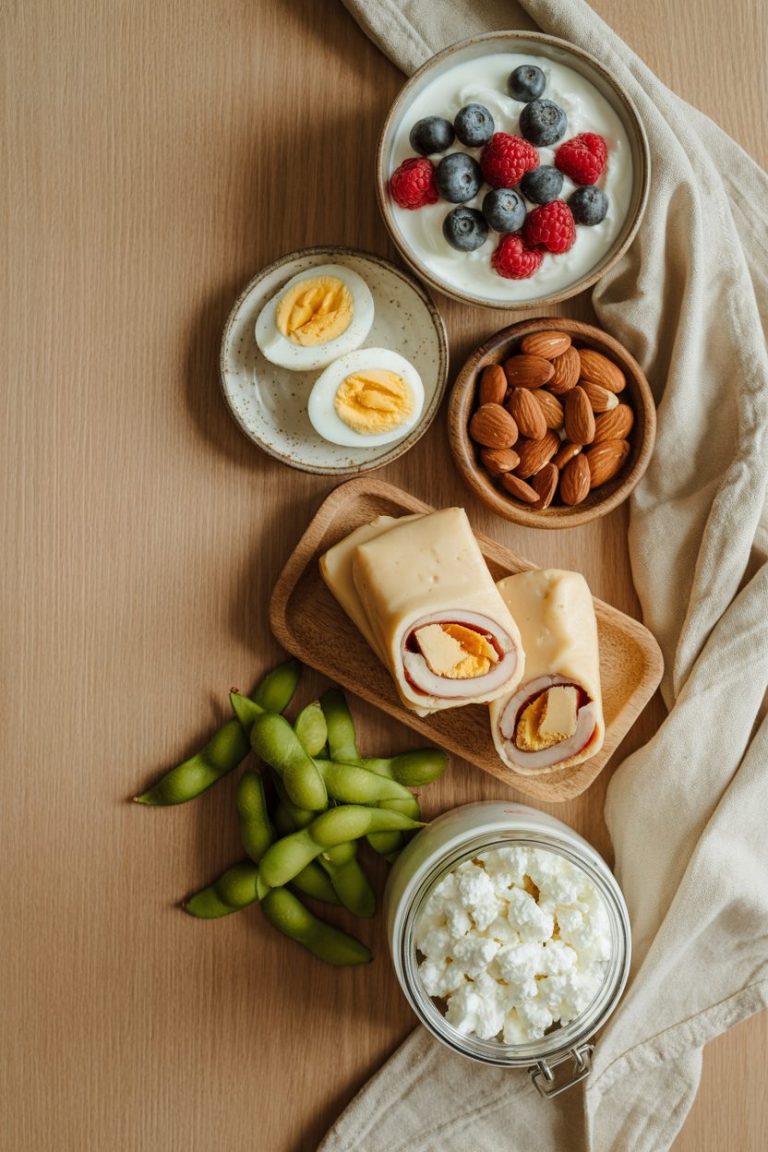
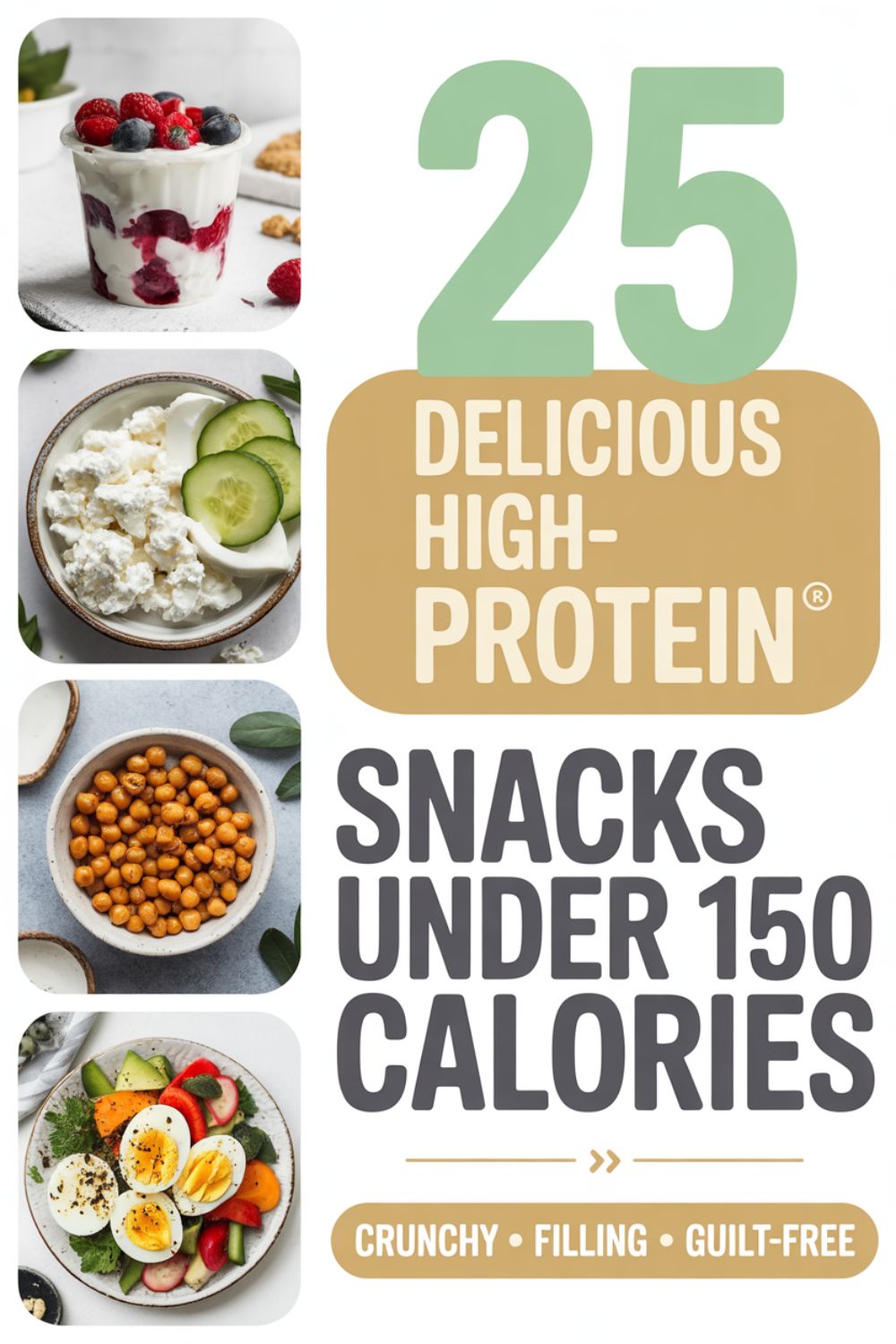
A classic for good reason. Six ounces of plain Greek yogurt packs about 15-20 grams of protein for roughly 100 calories, leaving you room to toss in a handful of fresh berries. The tartness takes some getting used to if you’re coming from the flavored stuff, but honestly, once you adjust, the sweetened versions taste like dessert gone wrong.
I use this small glass bowl set for portion control—keeps me honest and looks way more appealing than eating straight from the container like some kind of feral snacker.
2. Hard-Boiled Eggs
Two hard-boiled eggs give you 12 grams of protein for about 140 calories. Simple, portable, and if you prep them on Sunday, you’ve got grab-and-go fuel all week. The key is not overcooking them—nobody wants that gray-green ring around the yolk that screams “I don’t know what I’m doing.”
My trick? Use this egg timer that changes color when they’re perfect. Game changer for consistent results without guessing.
3. Turkey and Cheese Roll-Ups
Three slices of deli turkey (look for low-sodium) wrapped around a light cheese stick gives you about 15 grams of protein for 120-130 calories. It’s basically a deconstructed sandwich that feels more fun than it has any right to be.
Pro move: Add a thin spread of mustard and a pickle spear. You’re welcome.
4. Cottage Cheese with Everything
Half a cup of low-fat cottage cheese delivers around 14 grams of protein for just 80 calories, which means you can actually add toppings. Cherry tomatoes and black pepper? Cherry tomatoes and Everything Bagel seasoning? The world is your oyster.
If you’re new to cottage cheese, start with the small-curd variety—it’s less intimidating texture-wise. And seriously, this ceramic serving bowl makes it look less like diet food and more like an actual intentional snack.
Speaking of protein-packed options, if you’re loving these snack ideas, you’ll definitely want to check out these 30 high-protein breakfast ideas that’ll keep you full until lunch. They use similar ingredients but in more substantial portions for your morning meal.
5. Edamame
One cup of shelled edamame clocks in at 17 grams of protein and about 150 calories on the dot. Steam them, hit them with some sea salt, and you’ve got a snack that requires just enough effort to slow down your eating—which, let’s be honest, we all need sometimes.
6. Tuna Pouch with Crackers
A single-serve tuna pouch has about 20 grams of protein for 70 calories, leaving room for 5-6 whole grain crackers to make it feel like an actual snack instead of depression food. Go for the flavored pouches (lemon pepper, sriracha) if plain tuna makes you sad.
7. Protein-Packed Smoothie
Half a scoop of protein powder, half a banana, a handful of spinach (you won’t taste it, I promise), and unsweetened almond milk creates a 140-calorie snack with 15 grams of protein. Blend it in this personal blender that actually cleans easily—because who has time for blender maintenance?
For more protein smoothie inspiration, you might love these 22 high-protein smoothies for muscle gain that take this concept even further.
8. Roasted Chickpeas
A third of a cup of roasted chickpeas gives you 5 grams of protein and 6 grams of fiber for about 120 calories. The fiber + protein combo is clutch for satiety. Make them yourself by tossing canned chickpeas (drained and dried) with olive oil and spices, then roasting at 400°F for 30 minutes.
Store them in these airtight glass containers to keep them crunchy. They go stale faster than you’d think otherwise.
9. String Cheese and an Apple
One string cheese plus a small apple equals 7 grams of protein, 4 grams of fiber, and roughly 140 calories. It’s the snack equivalent of a warm hug—familiar, comforting, and surprisingly effective at curbing hunger.
10. Beef Jerky
One ounce of quality beef jerky packs 9-12 grams of protein for about 80 calories, depending on the brand. The chewing required makes you eat slower, giving your brain time to register fullness. Skip the sugary teriyaki versions and go for original or peppered.
11. Protein Mug Cake
Mix 2 tablespoons of protein powder with an egg, a splash of milk, and a tiny bit of baking powder in a mug. Microwave for 60 seconds. Boom—a 140-calorie, 15-gram protein snack that tastes like you’re cheating but you’re absolutely not. Add sugar-free chocolate chips if you’re feeling fancy.
12. Shrimp Cocktail
Four large cooked shrimp with cocktail sauce comes in at about 12 grams of protein and 100 calories. It feels weirdly elegant for a random Tuesday afternoon snack, which I fully support. Buy the pre-cooked frozen shrimp and keep them on hand.
13. Protein Oatmeal Bites
Mix oats, protein powder, nut butter, and honey into small balls. Two bites give you roughly 10 grams of protein and 130 calories. They’re basically energy balls that don’t taste like cardboard. Roll them in unsweetened cocoa powder for bonus points.
14. Smoked Salmon and Cucumber
Two ounces of smoked salmon on cucumber slices delivers 13 grams of protein for about 80 calories. Add a tiny schmear of cream cheese if you’ve got calories to spare. This one makes you feel like you have your life together, even if the rest of your day is chaos.
15. Quest Bar (or Similar)
Look, sometimes you need portable and idiot-proof. A good protein bar with 15-20 grams of protein and under 150 calories does the job. I rotate between flavors because eating the same one daily makes me question my life choices.
If you’re building a full meal plan around high-protein foods, don’t miss these 25 high-protein dinners for fat loss. They incorporate many of these snack ingredients into satisfying evening meals that support your goals.
16. Peanut Butter and Celery
Two stalks of celery with 1 tablespoon of peanut butter gives you 4 grams of protein for 100 calories. It’s not groundbreaking, but it works. The crunch factor is surprisingly satisfying. Use this measuring spoon set because eyeballing peanut butter is how you accidentally eat 300 calories.
17. Protein Chia Pudding
Two tablespoons of chia seeds soaked overnight in half a cup of protein-fortified milk yields about 10 grams of protein and 140 calories. Top with a few berries. Make it in these small mason jars for easy grab-and-go options.
18. Cottage Cheese Protein Pancake
One egg, a quarter cup of cottage cheese, and a tablespoon of oat flour makes a single protein pancake with 13 grams of protein for 130 calories. Cook it in this small nonstick skillet that’s perfect for single portions.
19. Turkey Meatballs
Three small homemade turkey meatballs made with lean ground turkey and egg deliver about 15 grams of protein for 120 calories. Batch-cook these on Sundays and reheat as needed. They’re basically portable protein bombs.
20. Protein Coffee
Blend a half scoop of vanilla protein powder into your iced coffee for a 100-calorie, 12-gram protein snack that doubles as your afternoon caffeine fix. This is the hack nobody talks about enough. Use this milk frother to mix it properly—no clumps.
21. Sardines on Crackers
Half a can of sardines on 3-4 whole grain crackers gives you 13 grams of protein and tons of omega-3s for about 140 calories. I know sardines sound weird, but the lemon-flavored ones are actually good. Plus the calcium from the bones is a bonus.
22. Protein Frozen Yogurt Bark
Spread Greek yogurt mixed with protein powder on a baking sheet, add berries, freeze, then break into pieces. Two pieces equal roughly 12 grams of protein and 120 calories. It’s the snack that feels like dessert.
23. Chicken Breast Strips
Two ounces of grilled chicken breast cut into strips with mustard or hot sauce for dipping hits 18 grams of protein for 100 calories. It’s basically fancy chicken nuggets for adults. Season them right and you’ll actually look forward to eating them.
24. Protein Hummus and Veggies
A quarter cup of high-protein hummus (the chickpea-based ones with added protein powder) with raw veggies provides about 8 grams of protein and 120 calories. The veggies add volume so you feel like you’re eating more than you actually are.
25. Egg White Scramble
Three egg whites scrambled with vegetables makes a 75-calorie snack with 12 grams of protein. Add everything bagel seasoning because plain egg whites are sad. Cook them in this ceramic nonstick pan for easy cleanup.
How to Actually Make This Work in Real Life
Look, knowing about 25 snacks is cool and all, but the real question is how do you actually incorporate this into your life without it becoming another thing you start and abandon by next Tuesday?
First, pick three to five snacks from this list that you genuinely want to eat. Not the ones that sound healthiest or most impressive—the ones you’ll actually reach for. For me, that’s hard-boiled eggs, Greek yogurt with berries, and turkey roll-ups. Simple, reliable, no drama.
Second, prep them ahead. I know meal prep has become this whole performative thing on social media, but honestly, spending 20 minutes on Sunday boiling eggs and portioning out yogurt saves you from making dumb decisions when you’re hangry on Wednesday afternoon. According to Mayo Clinic, spreading protein intake throughout the day—including at snack time—helps with muscle maintenance and keeps your energy more stable.
Third, keep backups. Have at least one completely non-perishable option on hand for those days when you forgot to prep or life got in the way. For me, that’s protein bars and individual nut butter packets. They’re not exciting, but they’re there when I need them.
If you’re tracking macros or trying to build better habits, these 40 high-protein meal prep ideas for the week will help you plan beyond just snacks and create a full week of eating that supports your goals.
The Protein Sweet Spot for Snacking
Here’s something worth knowing: UCLA Health recommends that most adults aim for 15-30 grams of protein per meal. For snacks, you want to hit at least 10-15 grams to actually get the satiety benefits. Anything less and you might as well be eating air.
That said, you don’t need to stress about hitting exact numbers every single time. The goal is to make protein-rich choices more often than not. If you’re currently snacking on mostly carbs (chips, pretzels, crackers), swapping even half of those for protein options will make a noticeable difference in how satisfied you feel.
Also worth mentioning: protein needs vary. If you’re more active, older than 40, or trying to lose weight while maintaining muscle, you might need more than someone who’s sedentary. The recommendations range from 0.8 to 1.6 grams per kilogram of body weight depending on your situation. A registered dietitian can help figure out your specific needs if you want to get detailed about it.
For those managing specific calorie goals while maximizing protein, check out this 7-day high-protein meal plan at 1500 calories. It shows how to structure full days of eating with strategic snack timing.
Common Protein Snacking Mistakes to Avoid
Let me save you some trial and error here. First mistake: thinking “high protein” on the package means it’s automatically good. Read the label. Some protein bars have more sugar than a candy bar. Some protein-fortified foods are basically dessert masquerading as health food.
Second mistake: only eating protein and ignoring everything else. Your body needs carbs and fats too. A snack with only protein and zero carbs or fat might technically keep you alive, but it’s not going to be satisfying. That’s why combinations work better—protein plus fiber, protein plus healthy fats, protein plus some slow-digesting carbs.
Third mistake: waiting until you’re absolutely starving to eat. By that point, you’ve already lost the game. You’ll either overeat or make impulsive choices. Keep your snack timing consistent—typically 2-3 hours after a meal, or whenever you feel the first hint of hunger rather than waiting until you’re ready to eat the furniture.
Fourth mistake: making it too complicated. If your snack requires 15 ingredients and a food processor, you’re not going to do it consistently. Save the elaborate recipes for when you have time and energy. For everyday life, simple wins.
Meal Prep Essentials Used in These Snacks
- Glass meal prep containers set – Honestly, game-changing for portioning everything out
- Digital kitchen scale – For when you need to be precise with portions
- Silicone egg bite molds – Perfect for making egg white bites in batches
- 7-Day High-Protein Low-Carb Meal Plan PDF – Complete structured plan
- 14-Day High-Protein Weight Loss Plan – Instant download with shopping lists
- 21-Day High-Protein Meal Prep Challenge – Printable guide with daily structure
Tools & Resources That Make Snacking Easier
- Portion control plate set – Visual guide for balanced eating
- Insulated lunch bag with ice pack – Keep prepped snacks fresh anywhere
- Herb keeper containers – Stop wasting fresh ingredients
- 30-Day High-Protein Transformation Plan – Full PDF bundle with everything
- 7-Day High-Protein Plan for Women Over 40 – Age-specific recommendations
- High-Protein Intermittent Fasting 16:8 Plan – Combines IF with protein goals
Protein Quality Actually Matters
Not all protein is created equal, and this is where things get slightly more technical but still important. Animal proteins (meat, eggs, dairy) are complete proteins—meaning they contain all nine essential amino acids your body can’t make on its own. Plant proteins are typically incomplete, except for a few like quinoa and soy.
This doesn’t mean you need to only eat animal products. It just means if you’re plant-based, you want to combine different protein sources throughout the day to get all your amino acids. Rice and beans, hummus and pita, peanut butter and whole grain bread—these combinations create complete proteins.
For those exploring plant-based options, these 20 high-protein vegetarian meals show how to build complete protein profiles without meat.
Also, some proteins digest and absorb better than others. Whey protein (from dairy) absorbs quickly, which is great post-workout. Casein protein (also from dairy) digests slowly, which makes it good for keeping you full longer. Egg protein is somewhere in the middle. Plant proteins generally digest a bit slower than animal proteins.
For snacking purposes, this mostly matters in terms of timing. Fast-absorbing proteins right after exercise, slower-digesting proteins when you need sustained fullness. But honestly, if you’re just trying to make better snack choices, any quality protein source is better than the alternative.
Balancing Protein with Other Nutrients
Here’s where I’m going to sound slightly preachy, but bear with me. While high-protein snacks are awesome for satiety and maintaining muscle mass, you still need a balanced approach overall. Don’t cut out carbs and fats thinking it’ll accelerate results—that’s not how this works.
Carbs fuel your brain and workouts. Fats help with hormone production and nutrient absorption. A snack that combines protein with some fiber-rich carbs or healthy fats will actually keep you fuller longer than pure protein alone. That’s why many of the snacks on this list naturally include these combinations—Greek yogurt has protein and carbs, nut butter on celery adds healthy fats, hummus with vegetables includes both protein and fiber.
The key is choosing quality sources of each macronutrient. Whole grains over refined grains, nuts and avocado over hydrogenated oils, Greek yogurt over sugar-loaded regular yogurt. Small swaps add up over time.
Making Protein Snacks Work on a Budget
Let’s be real—some protein sources are expensive. Wild-caught salmon and grass-fed beef aren’t exactly budget-friendly options. But you absolutely can do high-protein snacking without breaking the bank.
Eggs are probably the most economical protein source—about 25 cents per egg, 6 grams of protein. That’s hard to beat. Canned tuna, Greek yogurt when it’s on sale, cottage cheese, dried beans and lentils (if you’re willing to cook them), and even frozen edamame are all relatively affordable.
Buy protein powder in bulk if you use it regularly—the per-serving cost drops significantly. Look for store brands of Greek yogurt and cottage cheese; they’re often half the price of name brands and taste basically the same. Buy regular chicken breast instead of pre-cooked options and batch cook it yourself.
Also, using protein-rich snacks strategically can actually save money by reducing how often you hit the drive-through or order takeout because you’re starving and have zero healthy options prepped. That $3 spent on a protein bar might save you $15 on random food purchases later.
Frequently Asked Questions
How much protein should I actually have in a snack?
Aim for 10-15 grams of protein per snack to get meaningful satiety benefits. This is enough to trigger fullness hormones and keep you satisfied until your next meal without overdoing calories. Some snacks might be higher (20+ grams), which is totally fine, but below 10 grams probably won’t give you the staying power you’re looking for.
Can I eat too much protein from snacks?
It’s possible but honestly pretty unlikely unless you’re chugging protein shakes all day. Most people benefit from higher protein intake than the bare minimum recommendations. That said, protein should make up about 10-35% of your total daily calories. If you’re eating balanced meals alongside these snacks, you’re probably fine. People with kidney issues should talk to their doctor about protein limits.
Are protein bars as good as whole food protein sources?
Whole foods are generally better because they come with additional nutrients—vitamins, minerals, fiber—that processed bars might lack. But protein bars aren’t evil. They’re convenient, shelf-stable, and way better than grabbing chips or cookies when you’re in a pinch. Think of them as a backup option rather than your primary protein source.
When’s the best time to eat a protein snack?
The best time is whenever you’re actually hungry, usually 2-3 hours after a meal. Many people benefit from an afternoon snack between lunch and dinner—that’s when energy typically dips and cravings spike. Post-workout is also a good time since your muscles are primed to use the amino acids for recovery.
Do I need to pair protein with carbs for it to work?
Not necessarily, but it often helps. Protein provides satiety and amino acids, while carbs give you energy and can help with protein absorption post-workout. For general snacking, combining protein with some fiber-rich carbs or healthy fats tends to be more satisfying than protein alone. Experiment and see what keeps you fullest.
The Bottom Line on High-Protein Snacking
Here’s what it comes down to: high-protein snacks under 150 calories aren’t magic, but they’re probably the closest thing to it when it comes to managing hunger and staying on track with your goals. They work because protein naturally makes you feel fuller longer, they prevent blood sugar crashes that lead to cravings, and they help maintain muscle mass if you’re trying to lose weight.
The trick is finding a handful of options you actually like and will consistently choose. You don’t need all 25 of these in your rotation—three to five reliable go-to snacks will do more for you than a list of 25 options you never actually eat.
Start simple. Pick one or two snacks from this list, prep them this weekend, and see how you feel after a week. Chances are, you’ll notice you’re less hungry between meals, making better food choices overall, and maybe even saving money by not hitting up the vending machine or drive-through as often.
And remember, perfect is the enemy of good enough. Some days you’ll nail your protein intake with beautifully prepped snacks. Other days you’ll eat string cheese standing in front of an open fridge at 10 PM. Both days count. Progress isn’t about perfection—it’s about making better choices more often than you used to.
Now stop reading and go prep some eggs or portion out that Greek yogurt. Your future hungry self is counting on you.