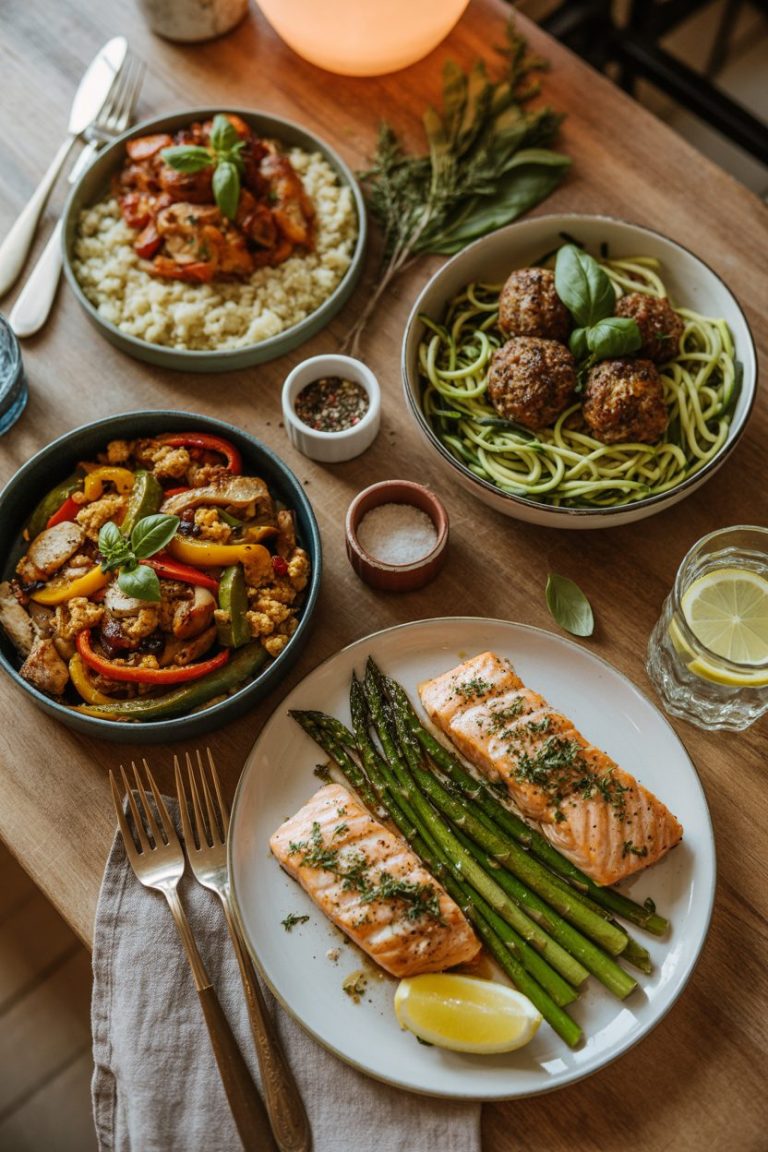
21 Easy High-Protein Meals You’ll Make on Repeat
Look, I’m not gonna sugarcoat it—most high-protein meal plans feel like eating cardboard with a side of boredom. You know what I’m talking about: plain chicken breast, steamed broccoli, repeat until you lose your mind. But here’s the thing nobody tells you: protein-packed meals can actually taste incredible without requiring a culinary degree or three hours in the kitchen.
I’ve spent the last year testing, tweaking, and basically eating my way through every high-protein recipe imaginable. Some were disasters (looking at you, protein powder pancakes that tasted like chalk). But the ones that made it to this list? These are the meals I genuinely crave, the ones I text my friends about, and the dishes that have kept me full and satisfied without feeling like I’m on some restrictive diet.
Whether you’re trying to build muscle, lose weight, or just feel fuller longer between meals, these 21 recipes are about to become your new favorites. No fluff, no weird ingredients you can’t pronounce, just real food that happens to pack a serious protein punch.
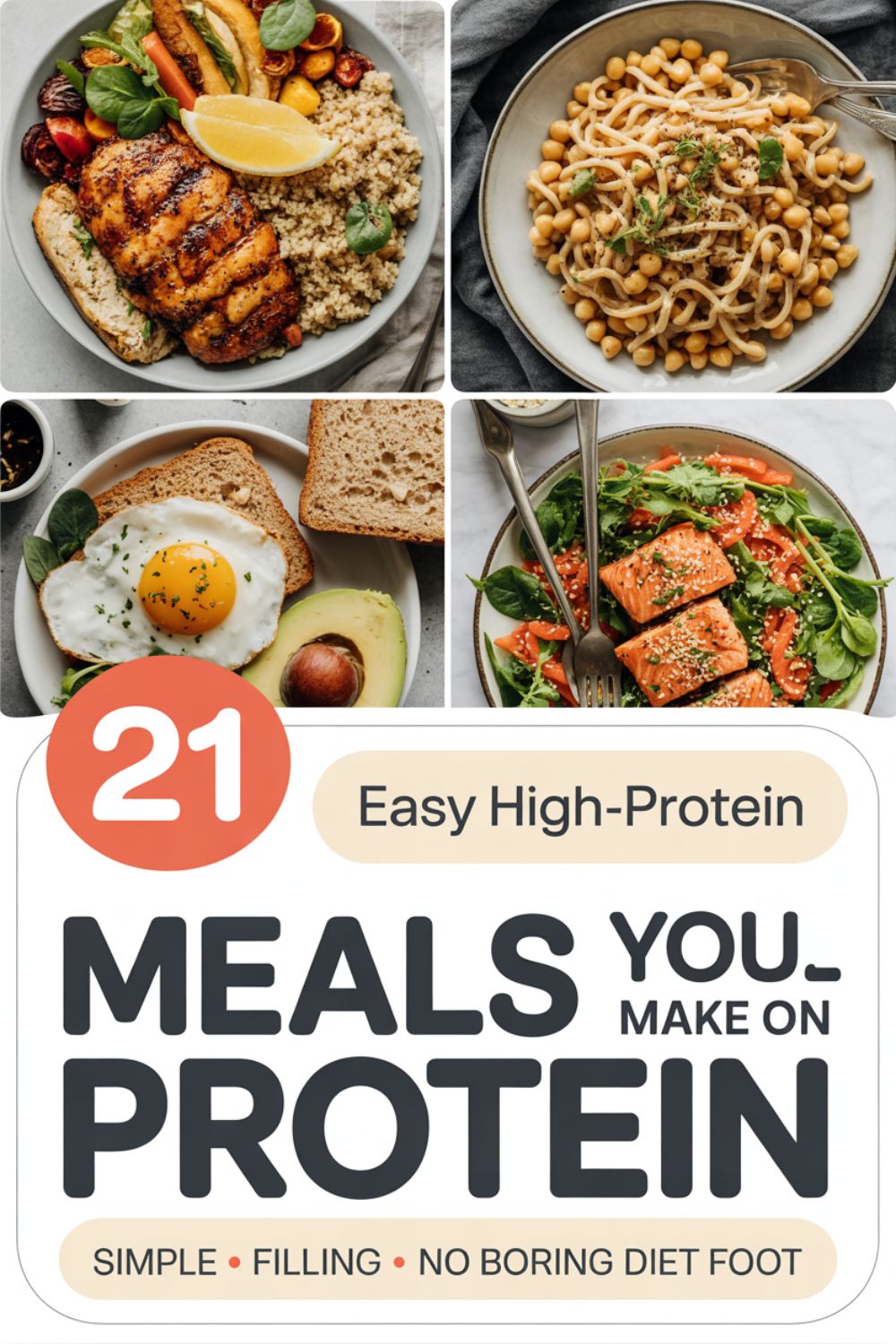
Why Protein Actually Matters (Beyond the Gym Bro Hype)
Before we dive into the recipes, let’s talk about why protein deserves a spot on your plate at every meal. And no, you don’t need to be trying to get shredded to care about this stuff.
Research from Harvard Medical School shows that adequate protein intake plays a crucial role in everything from maintaining muscle mass as we age to supporting immune function and even improving bone density. But here’s what sold me: protein keeps you full. Like, actually full. Not that fake full you get from a bagel that leaves you raiding the pantry two hours later.
The science backs this up too. Studies published in the Journal of Obesity & Metabolic Syndrome found that higher protein diets increase satiety hormones while decreasing hunger hormones, which basically means you naturally eat less without feeling deprived. It’s not magic—it’s just your body working the way it’s supposed to.
Most nutrition experts recommend getting about 25-30% of your daily calories from protein, which works out to roughly 30 grams per meal for most people. That might sound like a lot, but trust me, once you get the hang of it, hitting those numbers becomes second nature.
💡 Pro Tip: Meal prep your protein sources on Sunday night—grill a batch of chicken, bake some salmon, hard-boil a dozen eggs. Your weekday self will thank you when dinner takes 10 minutes instead of an hour.
Breakfast Champions That Beat the Mid-Morning Slump
Breakfast is where most people completely drop the ball on protein. A bowl of cereal or a piece of toast might be convenient, but you’re setting yourself up for a blood sugar crash by 10 AM. These breakfast options pack at least 25 grams of protein and actually taste like something you’d want to wake up for.
My go-to breakfast lately has been Greek yogurt parfaits layered with homemade granola and fresh berries. I use full-fat Greek yogurt (none of that fat-free nonsense that tastes like sadness), top it with a drizzle of honey, and throw in some crunchy almond butter for extra protein and healthy fats. Each serving delivers around 30 grams of protein and keeps me satisfied until lunch. Get Full Recipe.
Another breakfast game-changer? Veggie-packed egg scrambles. I cook mine in this cast iron skillet that distributes heat perfectly—no more rubbery eggs. Three whole eggs plus two egg whites, sautéed with bell peppers, spinach, and mushrooms, topped with a sprinkle of feta. It’s basically a vegetable omelet that doesn’t require any fancy French folding techniques. Quick, filling, and clocks in at about 28 grams of protein.
Overnight protein oats are perfect for those mornings when you’re running late. Mix oats with protein powder, almond milk, chia seeds, and let it hang out in your fridge overnight. I prep mine in these mason jars with lids—they’re the perfect size and you can grab one on your way out the door. Add some sliced banana and a scoop of peanut butter in the morning, and you’ve got a portable breakfast with 25+ grams of protein.
Looking for more morning inspiration? These high-protein breakfast ideas or this collection of protein-packed smoothies might give you some fresh ideas beyond the usual scrambled eggs.
The Cottage Cheese Comeback
Can we talk about cottage cheese for a second? I know it gets a bad rap for looking weird, but hear me out. This stuff is a protein powerhouse—one cup has around 25 grams of protein. I blend mine smooth (nobody needs those lumps) and use it as a base for savory breakfast bowls topped with everything bagel seasoning, cucumber, and smoked salmon. Or go sweet with berries and a sprinkle of cinnamon. Either way, you’re getting tons of protein for minimal effort.
“I started making the egg scramble recipe from this list three months ago, and it’s completely changed my mornings. No more crashing before lunch, and I’ve lost 12 pounds without even trying. Plus, my kids actually eat it, which is basically a miracle.” – Sarah M., community member
Lunch Options That Won’t Leave You Sleepy
Ever notice how some lunches make you want to curl up under your desk for a nap? That’s usually because they’re heavy on carbs and light on protein. These lunch recipes keep you energized and focused all afternoon.
Chicken burrito bowls are basically my default lunch. I use shredded rotisserie chicken (no shame in the convenience game), pile it over cauliflower rice or quinoa, and load it up with black beans, salsa, avocado, and a dollop of Greek yogurt instead of sour cream. Each bowl delivers about 40 grams of protein, and you can prep the components on Sunday for easy assembly all week. Get Full Recipe.
For days when I need something lighter, Asian-inspired lettuce wraps hit the spot. Ground turkey cooked with ginger, garlic, and coconut aminos (it’s like a less salty soy sauce), then wrapped in butter lettuce leaves. I serve mine with a side of edamame for extra protein. The whole meal takes 15 minutes and has zero guilt attached. I cook the turkey in this nonstick skillet that makes cleanup ridiculously easy.
Mediterranean tuna salad is another go-to that takes about five minutes to throw together. Mix canned tuna with cherry tomatoes, cucumber, red onion, kalamata olives, and a simple olive oil and lemon dressing. Serve it over mixed greens or stuff it in a whole wheat pita. Each serving packs around 30 grams of protein, and you can make a big batch for multiple lunches.
Meal Prep Essentials Used in This Plan
If you’re someone who packs lunch for work every day, check out these protein-packed lunch ideas specifically designed for busy workdays. They’re all portable, won’t get weird sitting in your office fridge, and actually reheat well.
Dinner Time: Where Flavor Meets Protein Goals
Dinner is where you can really get creative with high-protein meals. These aren’t your sad diet dinners—they’re the kind of food you’d happily serve to guests who have no idea they’re eating “healthy.”
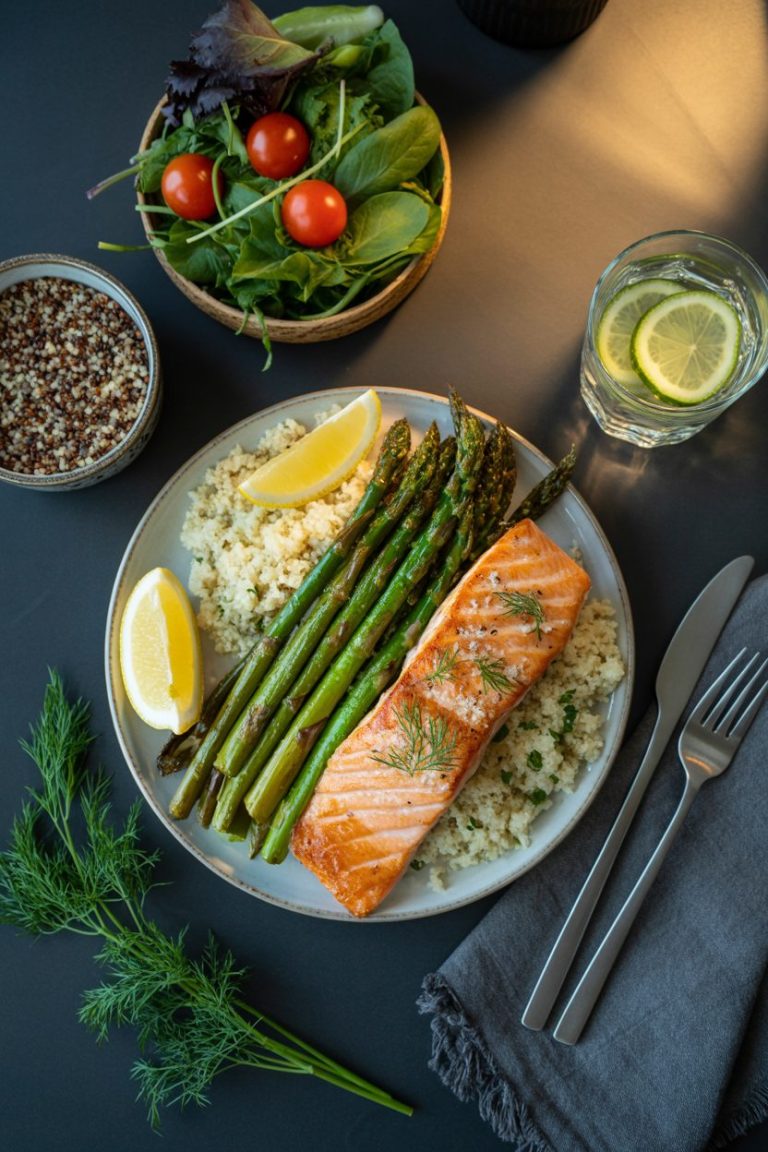
Sheet pan salmon with roasted vegetables is my weeknight hero. Salmon naturally has about 40 grams of protein per 6-ounce fillet, plus all those omega-3s everyone’s always talking about. I season mine with everything bagel seasoning (told you I’m obsessed with that stuff), arrange it on a sheet pan with broccoli, bell peppers, and red onion, and roast everything together. The cleanup is minimal since everything cooks on one sheet pan, and dinner is ready in 20 minutes. Get Full Recipe.
On colder nights, I crave white chicken chili. It’s packed with shredded chicken, white beans, and green chiles, simmered in a creamy broth made with Greek yogurt instead of heavy cream. Each bowl has around 35 grams of protein and actually tastes indulgent. I make mine in this dutch oven that browns the chicken perfectly before everything simmers together.
The Stir-Fry Strategy
Stir-fries are criminally underrated for hitting protein goals. My beef and broccoli version uses lean sirloin strips, loads of broccoli (more than seems reasonable, honestly), and a simple sauce made with coconut aminos, ginger, and a touch of honey. Serve it over cauliflower rice if you’re watching carbs, or regular rice if you’re not. Either way, you’re getting at least 35 grams of protein per serving.
For vegetarians, tofu and vegetable stir-fry works just as well. The key is pressing your tofu properly—get one of these tofu presses and your tofu will actually get crispy instead of soggy. Toss it with snap peas, carrots, and bell peppers in a savory sauce, and you’ve got a plant-based dinner with 25+ grams of protein. Plus, it cooks faster than ordering takeout.
Want more dinner inspiration? These high-protein dinners designed for fat loss or this collection of low-carb, high-protein options might be exactly what you’re looking for.
💡 Quick Win: Keep pre-cooked frozen shrimp in your freezer. They thaw in minutes under cold water and can be tossed into stir-fries, pasta, or salads for an instant 20+ gram protein boost.
Comfort Food That Won’t Derail Your Goals
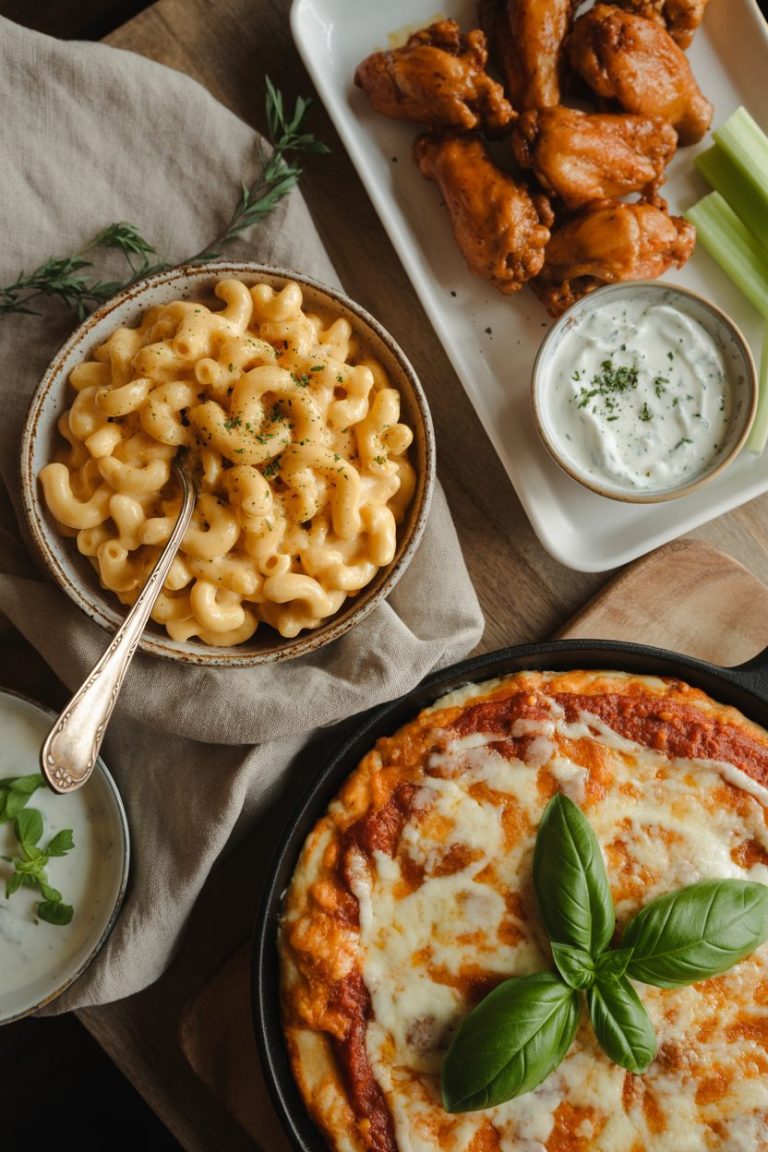
Let’s be real—sometimes you just want comfort food. The good news? You can absolutely have your mac and cheese and hit your protein goals too. These recipes prove that eating high-protein doesn’t mean giving up the foods that make you happy.
Turkey meatballs in marinara sauce are my answer to spaghetti and meatballs cravings. I use a mix of ground turkey and turkey sausage for extra flavor, add some grated parmesan and Italian seasoning, then bake them instead of frying. Served over zucchini noodles or whole wheat pasta with a simple marinara, each serving delivers about 35 grams of protein. I portion mine into these freezer-safe containers for quick future meals.
My protein-packed chili recipe has become legendary among my friends. It’s loaded with ground turkey, three types of beans, tons of tomatoes and peppers, and gets topped with Greek yogurt, cheese, and avocado. One bowl has around 40 grams of protein and enough fiber to keep you full for hours. The secret ingredient? A tablespoon of cocoa powder—it adds depth without making it taste like chocolate (I promise).
Pizza Night, Upgraded
Pizza doesn’t have to be off-limits. My chicken crust pizza sounds weird but tastes amazing. Blend cooked chicken breast with mozzarella and an egg, press it into a pizza crust shape, bake it until crispy, then top it like regular pizza. The crust alone has 35 grams of protein before you even add toppings. I bake mine on this pizza stone for that perfect crispy bottom.
For something a bit more traditional, I make whole wheat pita pizzas topped with grilled chicken, loads of veggies, and part-skim mozzarella. Each personal pizza delivers about 30 grams of protein and takes maybe 10 minutes to make. Kids love them because they can customize their own, and adults love them because, well, it’s pizza that actually fits your goals.
Craving more comfort food without the guilt? Check out these high-protein comfort foods that have been lightened up without losing any of the flavor.
Snacks and Small Plates for Between-Meal Hunger
Even with solid high-protein meals, sometimes you need a little something between breakfast and lunch or to tide you over until dinner. These aren’t your typical granola bar—they’re real food that happens to be perfectly portable.
Turkey and cheese roll-ups are embarrassingly simple but so satisfying. Take deli turkey slices, spread them with a little mustard or hummus, add a slice of cheese and some lettuce, then roll them up. Each roll has about 10 grams of protein, and you can eat three or four as a snack. I prep a bunch on meal prep day and store them in these snack containers.
My protein energy balls are always stocked in my fridge. Made with oats, protein powder, peanut butter, honey, and dark chocolate chips, they taste like cookie dough but each ball has 6-7 grams of protein. They’re perfect for that 3 PM energy dip when you’d normally reach for something sugary.
“I used to be a vending machine regular every afternoon. Started making those protein energy balls, and I haven’t touched the vending machine in two months. Plus, I’ve saved like $100 on random snacks I didn’t really want anyway.” – Marcus T., community member
For more snack options that won’t sabotage your progress, browse through these high-protein snacks under 150 calories each. They’re all actually filling, which is the whole point.
Meal Prep Strategies That Actually Work
Here’s where most high-protein meal plans fall apart—the execution. You can have all the best recipes in the world, but if you don’t have a system for actually making them happen during a busy week, you’ll end up at a drive-thru by Wednesday. Ask me how I know.
The key to making this work is batch cooking proteins on one day—usually Sunday for most people. I grill a bunch of chicken breasts, bake some salmon, and cook a big pot of quinoa. Then I roast whatever vegetables look good at the store. All of this goes into containers, and throughout the week, I just mix and match components based on what sounds good that day.
FYI, investing in good storage containers changed my meal prep game. I use these glass containers because they’re microwave-safe, don’t stain, and actually seal properly so your food doesn’t dry out. Plus, you can see what’s inside without opening them, which sounds minor until you’re digging through your fridge on a Tuesday morning.
Tools & Resources That Make Cooking Easier
The Two-Hour Sunday Strategy
I dedicate about two hours on Sunday afternoons to meal prep, and it saves me probably 10 hours during the week. Here’s my exact process: proteins go in the oven first (chicken, salmon, maybe some turkey meatballs). While those cook, I chop vegetables. Then I cook grains or cauliflower rice. Finally, I portion everything into containers based on the meals I’m planning for the week.
The beauty of this system is flexibility. Maybe Monday you want the chicken with quinoa and roasted veggies. Tuesday you’re craving a Greek-inspired bowl with the same chicken but over salad with feta and olives. Same protein, completely different meals. That’s how you avoid meal prep burnout.
💡 Pro Tip: Label your containers with the date and protein amount. Sounds obsessive, but you’ll actually remember what’s oldest and need to eat first, plus you’ll know at a glance how much protein you’re getting.
Plant-Based Protein Options
Not everyone eats meat, and honestly, even if you do, mixing in plant-based proteins is smart for both your health and your wallet. The trick is knowing which plant proteins actually deliver enough to matter.
Lentil curry is one of my favorite plant-based dinners. One cup of cooked lentils has about 18 grams of protein, plus they’re loaded with fiber. I cook mine in coconut milk with curry spices, spinach, and tomatoes, then serve over rice. Add some naan bread on the side, and you’ve got a filling meal that delivers around 25-30 grams of protein total.
Black bean burgers done right are legitimately delicious—no, seriously. The key is adding some quinoa and oats to help them hold together, plus cumin and smoked paprika for flavor. Each burger has about 15 grams of protein, and if you serve it with a whole wheat bun and a side of edamame, you’re easily hitting 30+ grams for the meal.
My chickpea power bowls are another plant-based winner. Roasted chickpeas get crispy and addictive when you toss them with olive oil and spices, then roast them in the oven. I layer them over quinoa with roasted sweet potato, avocado, tahini dressing, and whatever greens I have. The whole bowl delivers about 20 grams of protein, but the fiber content means you stay full way longer than the protein content alone would suggest.
Want more meat-free options? These high-protein vegetarian meals are so good that even dedicated meat-eaters request them. Plus, there’s an entire 7-day vegetarian meal plan if you want to try a full week without meat.
Troubleshooting Common High-Protein Challenges
Let’s talk about the stuff nobody mentions in those glossy meal plan posts. Getting enough protein every day comes with some common challenges, and pretending they don’t exist doesn’t help anyone.
Challenge #1: It’s Expensive
Yeah, protein can be pricey. But there are workarounds. Buy whole chickens and break them down yourself—it’s cheaper per pound and you get bones for making broth. Stock up on canned tuna and salmon when they’re on sale. Eggs are still one of the most affordable protein sources available. Greek yogurt often goes on sale right before the sell-by date—it’s fine, just eat it within a few days. And don’t sleep on dried beans and lentils, which are absurdly cheap and store forever.
Challenge #2: Meal Fatigue
Eating chicken breast every single day will make you want to quit. That’s why seasoning matters so much. IMO, having a well-stocked spice cabinet is more important than having fancy ingredients. The same grilled chicken tastes completely different with Mexican spices versus Italian herbs versus Asian-inspired ginger and garlic.
Also, vary your proteins. Rotate between chicken, turkey, fish, eggs, beans, and occasionally beef or pork. Your taste buds and your gut microbiome will both thank you. There’s actual research showing that dietary variety matters for overall health, not just for preventing boredom.
Challenge #3: Time Constraints
This is where meal prep becomes non-negotiable. I get it—spending two hours on a Sunday cooking doesn’t sound fun. But compare that to spending an hour every single weeknight trying to figure out what’s for dinner. The math works out, plus you’re way less likely to grab takeout when you’ve got ready-to-eat meals in your fridge.
If Sunday doesn’t work, do it whatever day works for you. Or split it up—do proteins on Sunday, vegetables and grains on Wednesday. There’s no rule saying it all has to happen at once. Find a system that fits your actual life, not some Instagram-perfect version of meal prep.
Special Considerations for Different Goals
Not everyone eating high-protein meals has the same goals. Whether you’re trying to lose weight, build muscle, or just maintain your current weight while feeling better, there are some tweaks you might want to make.
For weight loss, focus on lean proteins like chicken breast, turkey, white fish, and egg whites. Keep your portions consistent and pay attention to total calories, not just protein. All the recipes in this list can work for weight loss—just watch your add-ons like cheese, nuts, and oils, which can sneak in extra calories fast. These high-protein meals specifically designed for weight loss have already done the calorie calculation work for you.
If you’re trying to build muscle, you need more calories overall alongside that protein. Add healthy fats liberally—avocado, nuts, olive oil. Include more calorie-dense carbs like sweet potatoes, quinoa, and brown rice. And time matters too. Try to get at least 20-30 grams of protein within an hour or two after your workouts to support muscle recovery and growth.
For those doing intermittent fasting, you’ll want to be strategic about when you eat your high-protein meals to maximize satiety during your eating window. Front-load your protein in your first meal to help control hunger for the rest of your eating window. The 7-day high-protein intermittent fasting plan has specific timing strategies that work with a 16:8 schedule.
Making It Sustainable Long-Term
Here’s what I wish someone had told me when I first started focusing on protein: perfection isn’t the goal. Consistency is. You don’t need to hit exactly 30 grams of protein at every single meal. Some days you’ll get 25, some days 35. It averages out.
The meals that make it to your regular rotation should be ones you actually enjoy eating. Not ones that look good on Instagram or sound impressive when you tell people about them. If you hate salmon, don’t force yourself to eat salmon just because it’s high in protein and omega-3s. There are plenty of other options.
Also, give yourself permission to take shortcuts. Rotisserie chicken, pre-cut vegetables, canned beans, frozen shrimp—none of these are cheating. They’re tools that help you stick with the plan when life gets busy. And life always gets busy.
The people who succeed long-term with high-protein eating are the ones who build it into their lifestyle rather than treating it like a temporary diet. They find restaurants that have good protein options. They pack protein-rich snacks when traveling. They keep their kitchens stocked with their go-to proteins. It becomes automatic, not a daily struggle.
Frequently Asked Questions
How much protein do I really need per day?
Most adults need around 0.8-1.0 grams of protein per pound of body weight if they’re moderately active. For someone who weighs 150 pounds, that’s roughly 120-150 grams daily. If you’re very active or trying to build muscle, you might aim for the higher end. Spread this across three to four meals for best results—your body can only process so much protein at once.
Can I eat too much protein?
For most healthy people, eating high amounts of protein isn’t harmful. Your kidneys can handle it just fine if they’re functioning normally. That said, balance matters—you still need carbs and fats for energy and overall health. If you have existing kidney issues, talk to your doctor before significantly increasing protein intake. Otherwise, staying within 25-35% of your total calories from protein is a safe range.
What if I’m vegetarian or vegan?
Plant-based protein is absolutely viable for hitting your goals. Focus on legumes (beans, lentils, chickpeas), tofu and tempeh, quinoa, nuts, seeds, and whole grains. You’ll need to eat a variety of sources to get all essential amino acids, but that happens naturally if you’re eating a diverse diet. Greek yogurt and eggs work for vegetarians. Many plant-based eaters also use protein powder as a convenient supplement.
Do I need protein powder or supplements?
Nope, not if you’re eating enough whole food protein sources. Supplements are convenient when you’re in a hurry or struggling to hit your goals through food alone, but they’re not necessary. Real food gives you protein plus other nutrients like vitamins, minerals, and fiber that powder doesn’t provide. That said, a good quality protein powder in your pantry can be a lifesaver for busy mornings.
How do I meal prep high-protein meals that don’t get boring?
Variety in seasonings is your secret weapon. Cook the same protein (like chicken) but season batches differently—one with Mexican spices, one with Italian herbs, one with Asian-inspired flavors. Store them separately and mix throughout the week. Also, prep components rather than complete meals. Having cooked chicken, roasted vegetables, and grains ready means you can assemble different combinations daily based on what sounds good.
Your High-Protein Journey Starts Now
Making the shift to eating more protein doesn’t have to be complicated or miserable. These 21 meals prove you can hit your protein goals while actually enjoying your food. No bland chicken breast and broccoli required.
Start with three or four recipes from this list that sound genuinely appealing to you. Master those before adding more. Build your meal prep routine gradually. Stock your kitchen with the basics. And remember that consistency beats perfection every single time.
The meals on this list have become staples in my kitchen for a reason—they work. They taste good, they keep me full, and they’re realistic to make on a random Tuesday when I’m tired and hungry. That’s the real test of any meal plan: can you stick with it when life gets messy? With these recipes, the answer is yes.
Now if you’ll excuse me, I have some meal prep to do. Those sheet pan salmon dinners aren’t going to make themselves.