
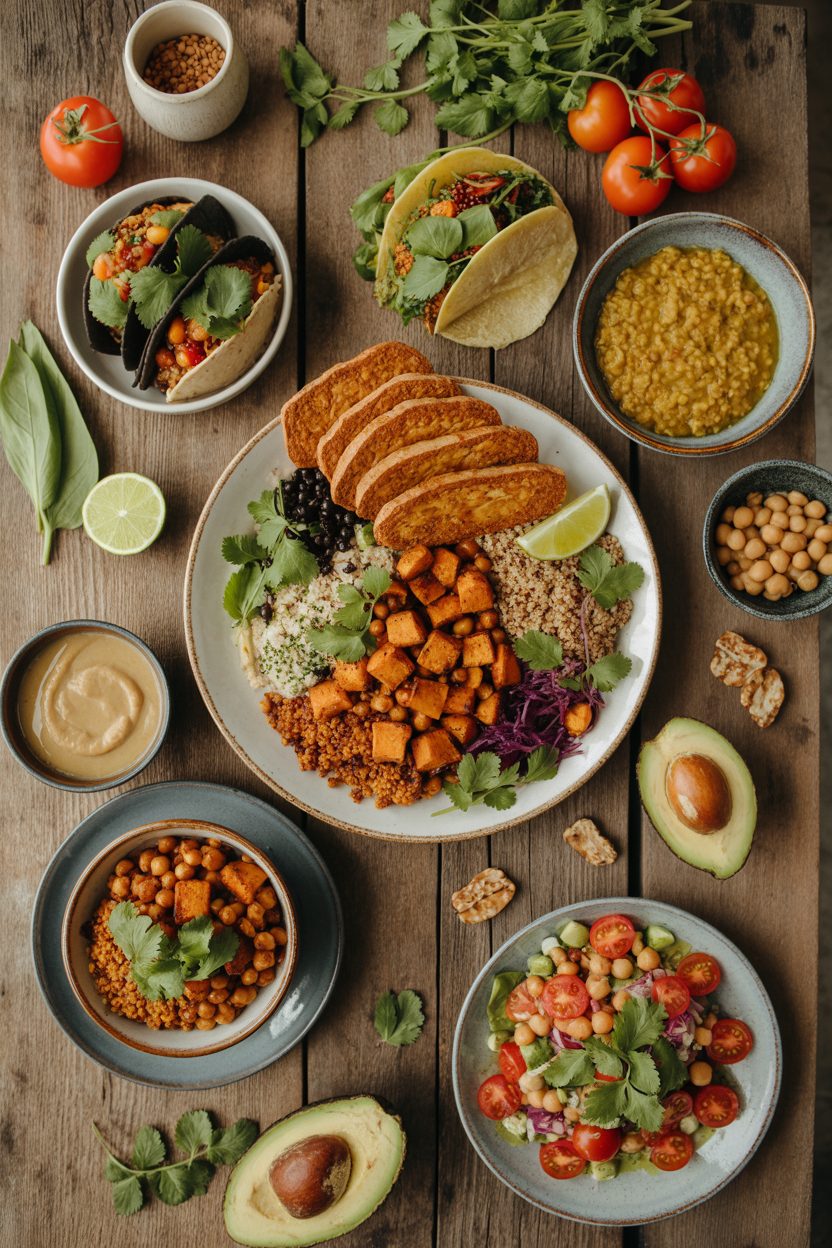
20 High-Protein Vegetarian Meals Even Meat Lovers Eat
I’m not vegetarian, but I’d be lying if I said vegetarian meals couldn’t compete with meat dishes. For years, I thought going meatless meant settling for bland tofu and disappointing salads. Then a vegetarian friend made me black bean tacos that were so good, I forgot they didn’t have meat. That’s when it hit me: vegetarian food doesn’t suck—boring cooking sucks.
The truth is, plant-based diets can easily meet protein needs when you eat diverse foods like legumes, whole grains, nuts, and seeds. Some plant foods like quinoa, soy, and hemp are complete proteins containing all nine essential amino acids. Others become complete when you pair them strategically. These 20 vegetarian meals pack serious protein—enough that even the most dedicated carnivores won’t miss the meat. I’ve served these to friends who eat steak three times a week, and they actually asked for seconds.
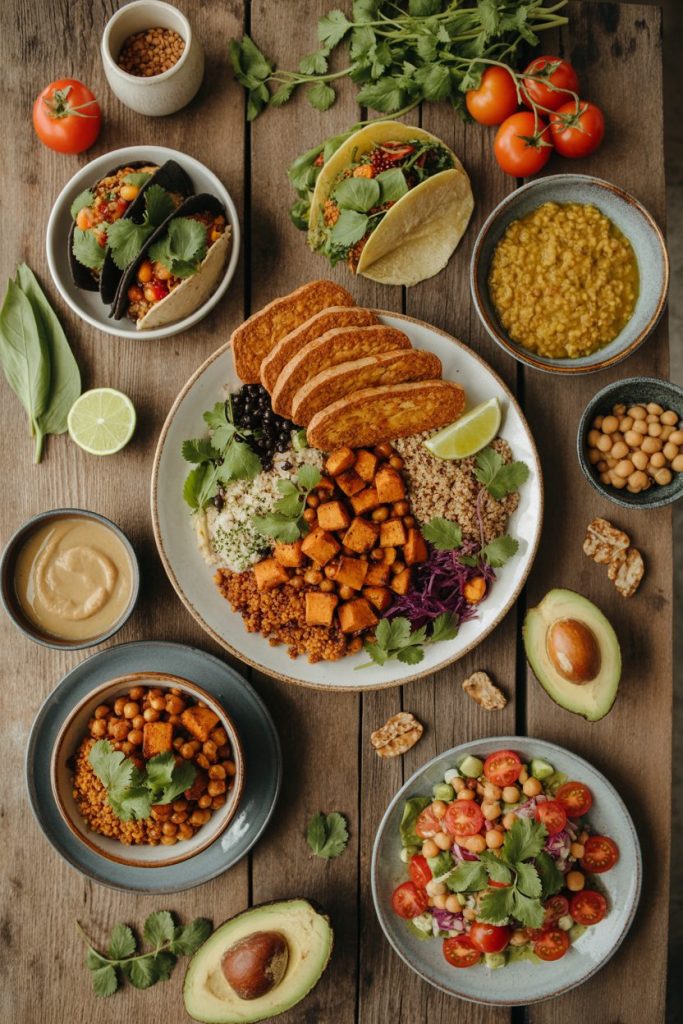
Why These Vegetarian Meals Work
Let me be straight with you: protein is protein, whether it comes from chicken or chickpeas. Research confirms that vegetarian diets provide adequate protein when they include protein-rich plant foods like legumes, nuts, seeds, and whole grains. The key is variety and knowing which foods to combine.
Complete proteins contain all nine essential amino acids your body can’t make on its own. While animal products are naturally complete, many plant foods are too—quinoa, soy products, hemp, and chia seeds all deliver the full amino acid profile. For everything else, simply pairing legumes with grains, nuts, or seeds throughout the day covers your bases.
What sold me on these meals isn’t just the protein content—it’s that they actually taste good. Nobody wants to choke down another dry veggie burger just because it’s “healthy.” These recipes bring flavor, texture, and satisfaction to the table.
The Legume Legends
1. Black Bean and Sweet Potato Enchiladas
Black beans have about 15 grams of protein per cup, and when you stuff them into corn tortillas with roasted sweet potato, top with enchilada sauce and cheese, then bake until bubbly, you’ve got dinner that nobody questions.
The combination of beans and corn tortillas creates a complete protein. Add some Greek yogurt instead of sour cream, and you’re pushing 20+ grams per serving.
2. Lentil Bolognese
Red lentils break down into a meat-like texture when simmered with tomatoes, garlic, and Italian herbs. Serve over whole-wheat pasta, and you’ve got about 18 grams of protein per serving.
I use my large stockpot for this and make enough to freeze. It reheats beautifully and tastes even better the next day when the flavors have melded together.
3. Chickpea Curry
Chickpeas deliver about 15 grams of protein per cup. Simmer them in coconut milk with curry spices, tomatoes, and spinach. Serve over basmati rice or quinoa for a meal that keeps you full for hours.
Toast your spices in oil before adding the liquid—this releases their essential oils and makes the whole dish more flavorful. It’s a small step that makes a huge difference.
4. White Bean and Kale Soup
Cannellini beans, kale, tomatoes, and Italian seasonings in a savory broth. Each bowl has about 12 grams of protein plus tons of fiber and iron.
Use quality vegetable broth or make your own. The cheap stuff tastes like salty water and ruins an otherwise great soup.
5. Spicy Pinto Bean Tacos
Mash cooked pinto beans with cumin, chili powder, and a bit of lime juice. Pile into corn tortillas with all the fixings. Around 16 grams of protein per serving.
The mashing creates a creamy texture that holds together better than whole beans. Plus, it makes the seasoning coat every bite instead of just sitting on top.
If you’re building a completely plant-based routine, the 7-day high-protein vegetarian meal plan provides week-long structure with shopping lists and prep guidance.
The Soy Squad
6. Crispy Pan-Fried Tofu with Peanut Sauce
Extra-firm tofu, pressed and cubed, then pan-fried until golden and crispy. Serve with peanut sauce over rice and vegetables. About 20 grams of protein per serving.
The secret to non-mushy tofu is pressing it properly. Use a tofu press or wrap it in towels, put a cutting board on top, and weigh it down for 20 minutes. Dry tofu equals crispy tofu.
7. Tempeh Stir-Fry
Tempeh has a nutty flavor and firm texture that works perfectly in stir-fries. Marinate it in soy sauce, ginger, and garlic, then pan-fry until crispy. Around 18 grams of protein per serving.
Don’t skip the marinade. Plain tempeh tastes like fermented cardboard. Marinated tempeh tastes like something you’d order at a restaurant.
8. Edamame Fried Rice
Toss cooked rice with edamame, scrambled eggs, peas, carrots, and soy sauce. The edamame adds about 17 grams of protein per cup, making this way more substantial than regular fried rice.
Use day-old rice if possible—it’s drier and fries up better without getting mushy. Fresh rice turns into sticky clumps instead of individual grains.
9. BBQ Tempeh Sandwiches
Crumble tempeh, pan-fry it, then toss with BBQ sauce. Serve on whole-wheat buns with coleslaw. Around 16 grams of protein per sandwich.
The crumbled tempeh mimics pulled pork texture surprisingly well. I’ve served this at cookouts, and people genuinely couldn’t tell it wasn’t meat.
The Grain Game-Changers
10. Quinoa and Black Bean Burrito Bowls
Quinoa is one of the few grains that’s a complete protein with 8 grams per cup. Layer it with black beans, roasted vegetables, salsa, and avocado for a protein-packed bowl with about 22 grams total.
Rinse your quinoa before cooking to remove the bitter coating. This step is non-negotiable if you want it to taste good instead of like soap.
11. Mediterranean Farro Bowl
Farro, chickpeas, cucumber, tomatoes, olives, feta, and lemon-herb dressing. About 16 grams of protein and enough flavor that you won’t miss meat at all.
Cook farro in vegetable broth instead of water. It absorbs the flavor while it cooks, making each grain taste better.
12. Wild Rice and Lentil Salad
Wild rice paired with lentils creates a complete protein combo. Add dried cranberries, pecans, and a light vinaigrette. Around 14 grams of protein per serving.
This makes great meal prep because it actually tastes better after sitting in the fridge. The flavors meld, and everything gets more delicious.
For those balancing vegetarian eating with specific calorie targets, check out this 7-day high-protein meal plan at 1500 calories or the 14-day high-protein weight loss plan that incorporates plant-based options.
The Dairy and Egg Options
13. Greek Yogurt Flatbreads
Whole-wheat flatbread topped with Greek yogurt sauce, roasted vegetables, and feta cheese. Each flatbread delivers about 18 grams of protein.
I make these on a pizza stone for extra crispiness. Regular baking sheets work too, but the stone gives you that perfect crispy-chewy texture.
14. Spinach and Feta Frittata
Eight eggs, fresh spinach, crumbled feta, and sun-dried tomatoes baked until set. Slice it like a pizza. Each slice has about 10 grams of protein.
Bake at 375°F until the edges are set but the center still jiggles slightly. It continues cooking after you pull it from the oven, so don’t overdo it.
15. Vegetarian Egg Fried Rice
Similar to the edamame version but with more eggs. Three or four scrambled eggs mixed into fried rice with vegetables. Around 20 grams of protein per serving.
The trick is pushing the rice to the side, scrambling the eggs in the cleared space, then mixing everything together. Scramble the eggs separately, and you lose all that egg flavor that should be coating the rice.
16. Cottage Cheese and Roasted Vegetable Bowl
Cottage cheese (25 grams of protein per cup) topped with roasted vegetables, cherry tomatoes, and everything bagel seasoning. Simple but satisfying.
Season your vegetables well before roasting. Bland vegetables make even cottage cheese seem boring, and that’s saying something.
The Unexpected Winners
17. Seitan Fajitas
Seitan has about 25 grams of protein per 3.5 ounces and has a meaty texture that works perfectly for fajitas. Slice it thin, season with cumin and chili powder, and sauté with peppers and onions.
FYI, seitan is made from wheat gluten, so it’s not an option if you’re gluten-free. But if you can eat it, it’s one of the highest protein plant foods available.
18. Peanut Butter and Banana Protein Pancakes
Mix oats, eggs, banana, and a scoop of peanut butter in a blender. Cook like regular pancakes. Each serving has about 18 grams of protein.
Use a non-stick griddle and keep the heat on medium. Too hot and they burn before cooking through. Too low and they turn gummy.
19. Hemp Seed Power Bowl
Hemp hearts have 10 grams of complete protein in just three tablespoons. Sprinkle them over a bowl with quinoa, roasted chickpeas, vegetables, and tahini dressing.
The nutty flavor of hemp seeds adds richness without being overwhelming. They’re also loaded with omega-3s, which is a nice bonus.
20. Nutritional Yeast Pasta
Whole-wheat pasta tossed with nutritional yeast (8 grams protein per 2 tablespoons), garlic, olive oil, and vegetables. The “nooch” adds a cheesy flavor without dairy.
IMO, nutritional yeast is one of those ingredients that sounds weird but becomes a staple once you try it. The umami flavor it adds is unmatched.
For comprehensive guidance on long-term vegetarian high-protein eating, the 30-day high-protein transformation plan or the 21-day high-protein meal prep challenge can help build sustainable habits.
Protein Pairing 101
Here’s what most people don’t know: you don’t need to eat complete proteins at every single meal. According to nutrition experts, eating a variety of plant proteins throughout the day naturally provides all essential amino acids your body needs.
That said, certain combinations create complete proteins in one meal:
- Rice and beans
- Peanut butter on whole-wheat bread
- Hummus with pita
- Lentils with barley or other whole grains
- Oats with soy milk
These classic combos work because legumes are high in lysine but low in methionine, while grains have the opposite profile. Together, they complete each other.
Making Vegetarian Meals Satisfying
The biggest mistake people make with vegetarian cooking is treating it like regular meals minus the meat. That’s how you end up with sad, unsatisfying dinners that leave you raiding the pantry an hour later.
Instead, build vegetarian meals around protein-rich plant foods as the star. Load up on beans, lentils, tofu, tempeh, quinoa, and nuts. Add tons of roasted vegetables for volume and fiber. Use healthy fats like avocado, nuts, and olive oil for satiety.
Texture matters too. Crispy roasted chickpeas, chewy tempeh, creamy beans—variety keeps meals interesting. Nobody wants to eat mushy food, vegetarian or otherwise.
Meal Prep Strategies
Most of these meals prep beautifully. I cook big batches of lentils, quinoa, and beans on Sunday. Throughout the week, I combine them different ways with fresh vegetables and various sauces.
Store cooked legumes and grains in clear glass containers so you can see what you have. Label them with dates so nothing turns into a science experiment. Keep a variety of sauces and seasonings on hand to transform the same base ingredients into completely different meals.
Invest in a good food processor for making hummus, nut butters, and vegetarian patties from scratch. It’s way cheaper than buying pre-made, and you control the ingredients.
Budget-Friendly Protein
Vegetarian protein is ridiculously affordable compared to meat. Dried beans cost almost nothing. Lentils are dirt cheap. Eggs are still one of the most economical proteins available. Even quinoa and tempeh cost less per serving than quality meat.
Buy dried beans and legumes in bulk. Cook them yourself instead of buying canned—you’ll save money and control sodium levels. Stock your pantry with basics, and you can always throw together a high-protein meal.
Converting Meat Lovers
Here’s my strategy for serving vegetarian meals to skeptical carnivores: don’t announce it’s vegetarian. Just make delicious food that happens to be meatless.
Focus on dishes with substantial texture and bold flavors. That black bean taco doesn’t need meat because it’s loaded with spices, topped with creamy avocado, and has perfect temperature contrast between warm beans and cool toppings.
When someone asks “where’s the meat?” you can honestly say you forgot to add it because the meal didn’t need it. That’s when you know you’ve nailed vegetarian cooking.
Related Recipes You’ll Love
Looking for more plant-based high-protein inspiration? Here are some complete plans and guides:
Complete Vegetarian Plans:
- 7-Day High-Protein Vegetarian Meal Plan – Week-long guidance with shopping lists
- 7-Day High-Protein Anti-Inflammatory Meal Plan – Plant-focused eating that reduces inflammation
For Different Goals:
- 7-Day High-Protein Low-Carb Meal Plan – Lower carb vegetarian options
- 14-Day High-Protein Muscle Gain Meal Plan – Building muscle on plant-based eating
Specialized Approaches:
- 7-Day High-Protein Intermittent Fasting Plan (16:8) – Combining fasting with vegetarian meals
- 7-Day High-Protein Meal Plan for Women Over 40 – Age-specific vegetarian guidance
The Bottom Line
Vegetarian meals don’t require sacrifice or settling. When you cook them right, they’re just as satisfying—and often more flavorful—than their meat-based counterparts. These 20 high-protein vegetarian meals prove that plant-based eating can keep you full, hit your protein targets, and actually taste good.
You don’t need to go fully vegetarian to benefit from these meals. Even adding one or two meatless dinners to your weekly rotation diversifies your protein sources, saves money, and introduces new flavors to your cooking repertoire. Start with whichever recipes sound most appealing, perfect them, then branch out from there.
The secret to great vegetarian cooking isn’t complex techniques or exotic ingredients—it’s understanding how to build meals around protein-rich plant foods while keeping flavors bold and textures varied. Master that, and you’ll never feel like you’re missing anything.