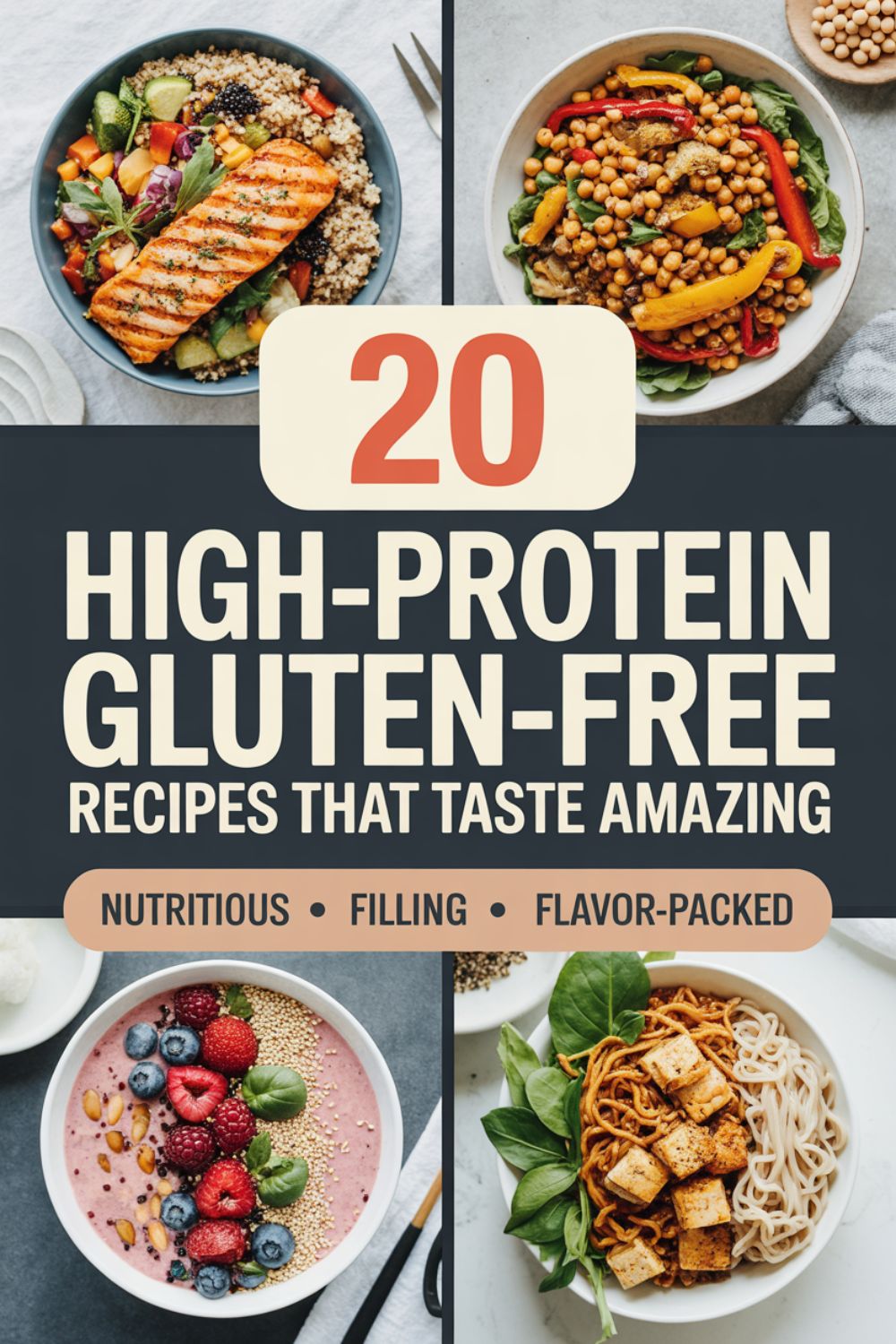
20 High-Protein Gluten-Free Recipes That Taste Amazing
Because going gluten-free shouldn’t mean sacrificing flavor or muscle gains
Let’s be real—finding high-protein recipes that are also gluten-free can feel like searching for a unicorn in a sea of sad, tasteless alternatives. You know the ones I’m talking about. The cardboard-textured bread. The protein bars that taste like sweetened chalk. The “pasta” that dissolves into mush the second it hits water.
But here’s the thing: eating gluten-free while prioritizing protein doesn’t have to be a culinary tragedy. Whether you have celiac disease, gluten sensitivity, or you’re just trying to clean up your diet while maintaining those hard-earned gains, you deserve food that actually tastes good.
I’ve spent way too many hours in the kitchen experimenting with gluten-free flours, protein powders, and creative ingredient swaps to figure out what works and what doesn’t. And spoiler alert: there are plenty of amazing recipes out there that’ll make you forget you’re even avoiding gluten.
Why High-Protein and Gluten-Free Actually Makes Sense
Before we dive into the recipes, let’s talk about why this combo isn’t just some trendy diet fad. Protein is essential for building and maintaining muscle mass, supporting your immune system, and keeping you full longer. It’s the macronutrient that tells your brain you’re actually satisfied after a meal.
On the flip side, going gluten-free isn’t just for people with celiac disease anymore. According to Johns Hopkins Medicine, many people experience improved digestion and reduced inflammation when they cut gluten from their diets. But here’s where it gets tricky—many gluten-free products are actually lower in protein and higher in refined carbs.
That’s where these recipes come in. They’re designed to give you the best of both worlds: gluten-free ingredients that don’t compromise on protein content. We’re talking 20+ grams per serving, real food that tastes incredible, and meals that’ll actually keep you satisfied.
The Foundation: Understanding Gluten-Free Protein Sources
Not all protein sources are created equal, especially when you’re avoiding gluten. The good news? Most natural protein sources are already gluten-free. The bad news? You need to watch out for hidden gluten in sauces, marinades, and processed foods.
Animal-Based Proteins (Naturally Gluten-Free)
These are your heavy hitters. Chicken, turkey, beef, fish, eggs, and dairy products are all naturally gluten-free and packed with complete proteins. The key is in how you prepare them—skip the breaded options and watch for gluten-containing marinades.
I use this cast iron skillet for everything from searing chicken breasts to cooking eggs. It distributes heat evenly and you don’t have to worry about non-stick coatings breaking down over time.
Plant-Based Protein Winners
Quinoa, chickpeas, lentils, black beans, and nuts are all naturally gluten-free and surprisingly protein-dense. Research from the National Institutes of Health shows that combining different plant proteins throughout the day can provide all the essential amino acids your body needs.
For meal prep, I swear by these glass meal prep containers. They’re microwave-safe, don’t absorb odors, and you can see exactly what’s inside without opening them.
If you’re serious about incorporating more plant-based meals while staying high in protein, check out these high-protein vegetarian meals that even confirmed carnivores keep coming back to.
20 High-Protein Gluten-Free Recipes You’ll Actually Want to Eat
1. Loaded Quinoa Power Bowl
This is my go-to lunch when I need something quick but substantial. Quinoa is a complete protein (all nine essential amino acids) and completely gluten-free. Layer it with grilled chicken, roasted chickpeas, avocado, and a tahini dressing.
Protein per serving: 38g
The secret to perfect quinoa? Rinse it thoroughly and toast it in a dry pan before cooking. Trust me on this one—it completely changes the texture and brings out a nutty flavor that makes even plain quinoa taste incredible.
2. Almond Flour Protein Pancakes
Who said pancakes can’t be protein-packed? These use almond flour instead of regular flour, plus protein powder and eggs. They’re fluffy, satisfying, and won’t spike your blood sugar like traditional pancakes.
Protein per serving: 25g
I mix the batter in this electric griddle because it maintains consistent temperature across the entire surface. No more pancakes that are burnt on one side and raw on the other.
For more breakfast inspiration that keeps you full until lunch, these 30 high-protein breakfast ideas are absolute game-changers.
3. Greek Yogurt Chicken Salad
Swap out mayo for Greek yogurt and you’ve got a protein bomb disguised as a simple chicken salad. Mix in grapes, pecans, and celery for crunch. Serve it on gluten-free crackers or lettuce wraps.
Protein per serving: 32g
4. Baked Salmon with Herb Crust
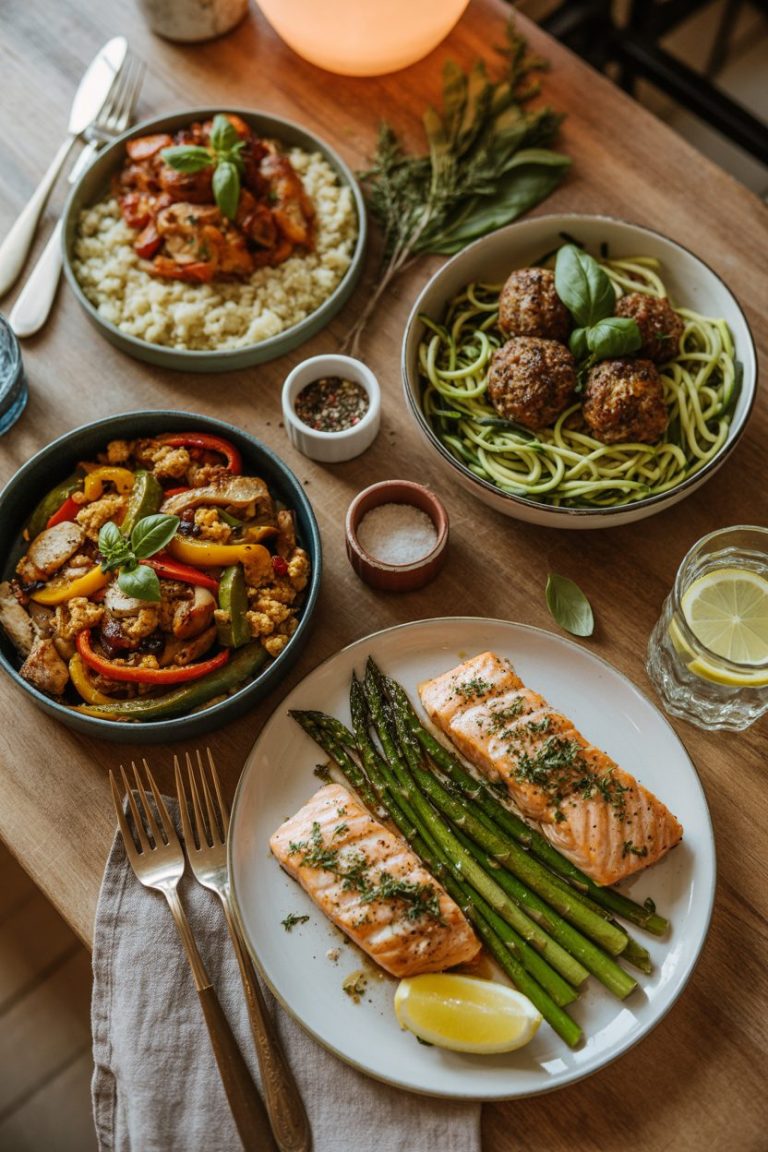
Salmon is ridiculously high in protein and omega-3s. The “crust” is made from crushed gluten-free crackers mixed with fresh herbs and a bit of Dijon mustard. Bakes in 15 minutes and tastes like you spent hours on it.
Protein per serving: 34g
Speaking of omega-3s, they’re not just good for your heart—they can also reduce exercise-induced inflammation. I learned this after pushing too hard at the gym and barely being able to walk the next day.
5. Cauliflower Rice Stir-Fry
Before you roll your eyes at cauliflower rice, hear me out. When you add enough protein (shrimp, chicken, or tofu), lots of vegetables, and a killer sauce, you won’t even miss regular rice. Plus, you’re saving carbs for dessert.
Protein per serving: 28g
The trick is to not overcook the cauliflower rice. You want it al dente, not mushy. I pulse fresh cauliflower in this food processor rather than buying pre-riced. It’s cheaper and tastes way better.
6. Protein-Packed Chili
This isn’t your average chili. We’re talking grass-fed beef, three types of beans, and a secret ingredient—cocoa powder. It adds depth without making it sweet. Top with Greek yogurt instead of sour cream for extra protein.
Protein per serving: 42g
For busy weeks when you need grab-and-go options, these high-protein snacks under 150 calories are total lifesavers.
7. Egg White Frittata with Vegetables
Frittatas are basically the lazy person’s way to look like a chef. Throw everything in a pan, pour eggs over it, bake, and you’re done. Use egg whites if you want to maximize protein while keeping calories lower.
Protein per serving: 26g
8. Turkey and Black Bean Stuffed Peppers
Stuffed peppers are meal prep gold. Make a batch on Sunday, and you’ve got lunch or dinner sorted for days. The combination of lean turkey and black beans gives you complete proteins and keeps you ridiculously full.
Protein per serving: 31g
I use these silicone baking cups inside a muffin tin when I make mini versions. They’re perfect for portion control and freeze beautifully.
9. Chickpea Curry
This is my favorite plant-based high-protein meal. Chickpeas are about 15g of protein per cup, and when you add coconut milk and curry spices, you’ve got comfort food that happens to be incredibly healthy.
Protein per serving: 18g (bump it to 28g by serving over quinoa)
10. Protein Smoothie Bowl
Smoothie bowls get a bad rap for being all carbs and no substance, but not this one. Blend protein powder, frozen berries, Greek yogurt, and almond butter. Top with nuts, seeds, and coconut flakes.
Protein per serving: 35g
If you’re into smoothies for muscle gain, you absolutely need to check out these 22 high-protein smoothies that actually taste like milkshakes.
Kitchen Essentials That Make Everything Easier
- High-Speed Blender – For smoothies, sauces, and turning cauliflower into rice in seconds
- Instant-Read Thermometer – Stop overcooking your chicken. This changed my meal prep game completely
- Glass Meal Prep Containers Set – BPA-free, microwave-safe, and they don’t stain like plastic
- 7-Day High-Protein Meal Plan (PDF) – Takes the guesswork out of meal planning
- 14-Day Weight Loss Plan – Complete with shopping lists and macros calculated
- 21-Day Meal Prep Challenge – If you’re serious about making meal prep a habit
11. Lentil Bolognese Over Zucchini Noodles
Lentils might not seem exciting, but this Bolognese will change your mind. They take on whatever flavors you cook them with and pack 18g of protein per cup. Serve over zucchini noodles for a low-carb option.
Protein per serving: 22g
FYI, I use this spiralizer for making zucchini noodles. It’s way easier than the handheld ones and doesn’t leave you with sore hands after spiralizing three zucchinis.
12. Bison Burgers with Sweet Potato Fries
Bison is leaner than beef but has the same rich flavor. Shape into patties, season generously, and serve on gluten-free buns or lettuce wraps. The sweet potato fries add complex carbs without gluten.
Protein per serving: 36g
13. Shrimp and Avocado Salad
This is ridiculously simple. Sauté shrimp with garlic and lime, toss with mixed greens, avocado, and a cilantro-lime dressing. It tastes like something from a fancy restaurant but takes 15 minutes max.
Protein per serving: 29g
For more quick and satisfying lunch ideas that won’t leave you hungry by 3 PM, these high-protein lunches for busy workdays are absolute clutch.
14. Cottage Cheese Protein Bowls
Cottage cheese is making a comeback, and for good reason. It’s cheap, versatile, and loaded with casein protein (the slow-digesting kind). Make it savory with everything bagel seasoning and tomatoes, or sweet with berries and honey.
Protein per serving: 28g
15. Baked Cod with Almond Crust
Cod is mild, flaky, and criminally underrated. The almond crust adds healthy fats and makes it feel indulgent without being heavy. Pair with roasted Brussels sprouts and you’ve got a complete meal.
Protein per serving: 32g
16. Protein-Enhanced Oatmeal
Regular oatmeal has some protein, but not nearly enough. Stir in protein powder, chia seeds, and a dollop of almond butter. Top with banana slices and you’ve got a breakfast that’ll keep you going for hours.
Protein per serving: 25g
I make overnight oats in these mason jars and grab one on my way out the door. Game changer for chaotic mornings.
17. Thai Peanut Chicken Lettuce Wraps
These are so good you’ll forget they’re healthy. Ground chicken cooked with ginger and garlic, topped with a peanut sauce that’s naturally gluten-free (just use tamari instead of soy sauce). Wrap in butter lettuce.
Protein per serving: 33g
18. Egg Muffins with Sausage and Peppers
These are basically portable omelets. Mix eggs with cooked sausage, peppers, and cheese. Bake in a muffin tin. Grab two for breakfast and you’re set with 20+ grams of protein.
Protein per serving: 24g (for 2 muffins)
When you’re planning dinners that are both satisfying and help with fat loss, these 25 high-protein dinners hit that sweet spot perfectly.
19. Coconut Flour Protein Cookies
Yes, cookies can be high-protein. Coconut flour is gluten-free and absorbs a ton of liquid, which means you need lots of eggs. Add protein powder, chocolate chips, and you’ve got a guilt-free dessert.
Protein per cookie: 8g
20. Spicy Tuna Poke Bowl
Poke bowls are trendy for a reason—they’re delicious and packed with protein. Sushi-grade tuna marinated in tamari, sesame oil, and sriracha. Serve over cauliflower rice or regular rice with cucumber, avocado, and edamame.
Protein per serving: 35g
IMO, poke bowls are one of those meals that feel restaurant-quality but are ridiculously easy to make at home. The key is using really fresh fish and not skimping on the marinade time.
Making These Recipes Work for Your Lifestyle
The reality is that even the best recipes don’t matter if you can’t fit them into your actual life. Between work, gym, social obligations, and whatever else you’ve got going on, meal prep can feel like another full-time job.
Here’s what I’ve learned after years of trial and error: batch cooking is your best friend. Pick two or three recipes from this list, triple the portions, and you’ve got meals for days. I usually dedicate Sunday afternoons to this, throw on a podcast, and knock it all out in about two hours.
Another thing—don’t try to be perfect. Some weeks I nail meal prep. Other weeks I’m eating the same chicken and rice four days in a row because that’s all I had time to make. Both scenarios are totally fine.
Meal Planning Resources Worth Having
- 7-Day Low-Carb Meal Plan – For when you want to cut carbs without sacrificing protein
- 14-Day Muscle Gain Plan – Optimized for building lean mass
- 30-Day Transformation Bundle – The complete guide with shopping lists, recipes, and tracking sheets
- Digital Food Scale – If you’re tracking macros, this is non-negotiable
- Portion Control Container Set – Takes the guesswork out of serving sizes
- 7-Day Intermittent Fasting Plan – High-protein meals optimized for 16:8 fasting
The Protein-Gluten Connection You Need to Know
Here’s something most people don’t realize: many traditional high-protein foods are naturally gluten-free anyway. The problem comes when food manufacturers start processing things or when you’re eating out at restaurants.
Take chicken, for example. A plain grilled chicken breast? Totally gluten-free. That same chicken breast breaded and fried? Loaded with gluten. Soy sauce on your stir-fry? Gluten. Tamari (which tastes almost identical)? Gluten-free.
According to Harvard’s Nutrition Source, the key is focusing on whole, unprocessed foods as much as possible. When you build meals around vegetables, proteins, and naturally gluten-free grains like quinoa and rice, you don’t have to stress about reading every label.
If you’re looking for complete meal plans that do all this thinking for you, check out these 40 high-protein meal prep ideas that cover everything from breakfast to dinner.
Navigating Social Situations and Eating Out
Let’s talk about the elephant in the room—eating gluten-free and high-protein when you’re not in control of the menu. This is where things get tricky, but it’s totally manageable once you know the basics.
Most restaurants now have gluten-free options, but “gluten-free” doesn’t always mean “high-protein.” You’ll often find yourself staring at a sad salad or a plate of gluten-free pasta that’s basically just carbs.
My strategy? Always look for a protein-first option. Grilled fish, steak, chicken—these are your safe bets. Then ask for double vegetables instead of the standard starch. Most places are happy to accommodate, especially if you mention it’s for dietary restrictions.
Ever wondered why some people seem to handle restaurant dining effortlessly while staying on track with their goals? It usually comes down to confidence in asking for modifications. Don’t be shy about it—you’re paying for the meal, after all.
The Truth About Gluten-Free Protein Powders
Not all protein powders are created equal, and not all are gluten-free. Whey protein isolate is naturally gluten-free, but some brands add ingredients during processing that contain gluten. Always check the label for a certified gluten-free seal.
Plant-based protein powders (pea, rice, hemp) are usually gluten-free by nature, but again—always verify. I’ve learned this the hard way after buying a “natural” protein powder that turned out to have barley malt added for flavor.
The best protein powder I’ve found is this grass-fed whey isolate. It’s certified gluten-free, mixes smoothly, and doesn’t have that weird chalky aftertaste some brands have.
For variety in how you’re getting your protein throughout the week, these low-carb high-protein dinners are absolute staples in my rotation.
Common Mistakes to Avoid
After helping dozens of people transition to a high-protein, gluten-free lifestyle, I’ve seen the same mistakes pop up over and over. Let me save you some time and frustration.
Mistake #1: Replacing Gluten with More Carbs
This is huge. When people go gluten-free, they often just swap regular pasta for gluten-free pasta, regular bread for gluten-free bread, and so on. The problem? Most gluten-free alternatives are higher in carbs and lower in protein than the originals.
Instead, focus on naturally gluten-free foods that are already protein-rich. Think meat, fish, eggs, legumes, and dairy (if you tolerate it).
Mistake #2: Not Reading Labels
Gluten hides in the weirdest places. Soy sauce, salad dressings, marinades, even some spice blends. If you’re truly gluten-intolerant or have celiac disease, you need to become a label detective.
I use this gluten-free pantry staples kit to keep basics on hand—tamari, coconut aminos, gluten-free flour blends, etc. It’s a lifesaver.
Mistake #3: Forgetting About Cross-Contamination
If you have celiac disease, even trace amounts of gluten can cause problems. This means separate cutting boards, toasters, and being careful about shared cooking surfaces. It’s not paranoia—it’s necessary.
For those times when you want classic comfort food but need it to be healthier, these high-protein comfort foods prove you don’t have to sacrifice flavor.
Frequently Asked Questions
Can I build muscle on a gluten-free diet?
Absolutely. Gluten itself has nothing to do with muscle building—protein does. Since most high-protein foods (meat, fish, eggs, dairy, legumes) are naturally gluten-free, you can easily hit your protein targets without gluten. Focus on getting 0.8-1g of protein per pound of body weight, and you’ll be fine.
Are gluten-free foods more expensive?
Processed gluten-free foods (breads, crackers, cookies) are definitely pricier. But if you focus on naturally gluten-free whole foods like chicken, rice, vegetables, and beans, your grocery bill might actually go down. The key is avoiding the specialty products when possible and cooking from scratch.
How do I know if I’m getting enough protein on a gluten-free diet?
Track your intake for a few days using an app like MyFitnessPal. Aim for at least 20-30g of protein per meal. If you’re consistently hitting those targets and feeling satisfied between meals, you’re probably good. Signs you need more protein include constant hunger, muscle loss, slow recovery after workouts, and low energy.
Can I eat oats if I’m gluten-free?
Pure oats are naturally gluten-free, but they’re often contaminated with wheat during processing. Look for oats specifically labeled “gluten-free” if you have celiac disease. If you’re just avoiding gluten for other reasons and have no sensitivity, regular oats are usually fine.
What’s the best gluten-free flour for high-protein baking?
Almond flour and coconut flour are your best bets. Almond flour has about 6g of protein per 1/4 cup and works well in most baking. Coconut flour is more absorbent and requires more liquid, but it’s also high in fiber. You can also add protein powder to any gluten-free flour blend to boost protein content.
Going gluten-free doesn’t mean giving up on amazing food or sacrificing your protein goals. These 20 recipes prove you can have both—meals that taste incredible and fuel your body properly. Whether you’re managing celiac disease, trying to reduce inflammation, or just want to feel better, focusing on high-protein, naturally gluten-free foods is a solid strategy.
Start with a few recipes that sound good to you, prep them in bulk, and see how you feel. Chances are you’ll notice better digestion, more stable energy, and you’ll actually enjoy what you’re eating. And honestly, that’s what sustainable healthy eating looks like—not restriction and bland food, but delicious meals that happen to be good for you.