14-Day High-Protein Muscle Gain Meal Plan – Printable
You’ve been hitting the gym consistently, pushing heavy weights, and doing everything right with your training. But your muscles aren’t growing like they should, and you’re starting to wonder if your genetics are just against you. Spoiler alert: it’s probably not your genetics—it’s your nutrition.
Here’s the uncomfortable truth most people ignore: you can’t out-train a bad diet when it comes to building muscle. I spent months frustrated with minimal gains before realizing I was barely eating enough protein to maintain my current muscle, let alone build new tissue. My training was solid, but my nutrition was basically sabotaging everything.
That’s why I created this [14-day high-protein muscle gain meal plan – get your printable version here]. This isn’t some generic bulking plan that has you eating everything in sight and gaining unwanted fat. It’s a strategic, calorie-surplus approach that prioritizes protein to maximize muscle growth while keeping fat gain minimal.
Why Protein Becomes Everything for Muscle Growth
Let me break down what actually happens when you’re trying to build muscle. Your training creates microscopic tears in muscle fibers. Your body repairs these tears, and if you provide adequate protein and calories, it builds them back slightly bigger and stronger. That’s muscle growth in the simplest terms.
But here’s where most people mess up: they don’t eat nearly enough protein to support this process. You need significantly more protein when you’re actively trying to build muscle than when you’re just maintaining your current physique.
The research is pretty clear on this: according to studies on protein intake for muscle building, you need roughly 1.6 to 2.2 grams of protein per kilogram of body weight daily to maximize muscle protein synthesis. For a 180-pound person, that’s 130-180 grams of protein every single day.
This plan consistently delivers 150-180 grams of protein daily, spread across multiple meals to optimize muscle protein synthesis throughout the day. You’re not just hitting a daily number—you’re strategically timing protein intake to support continuous muscle growth.
[Download the complete 14-day plan] with exact portions, timing strategies, and meal combinations designed specifically for muscle gain.
What Makes This Plan Different for Bulking
I’ve tried every bulking approach under the sun. The dirty bulk where you eat everything and gain 15 pounds of fat along with 5 pounds of muscle. The overly restrictive lean bulk where you’re so worried about gaining any fat that you don’t provide enough surplus for growth. Both approaches suck in different ways.
This plan takes a middle approach—what some people call a “clean bulk” or “lean bulk.” You’re eating in a calorie surplus (roughly 300-500 calories above maintenance), but those calories come from nutrient-dense foods that support muscle growth without unnecessary fat gain.
Here’s what you get in this 14-day plan:
- High-quality protein sources at every meal (chicken, beef, fish, eggs, dairy)
- Strategic carbohydrate timing around your workouts for maximum performance and recovery
- Healthy fats for hormone production (crucial for testosterone and muscle building)
- Nutrient-dense whole foods that support recovery and overall health
- Realistic portions that you can actually eat without feeling sick
Everything is designed to be practical. No exotic ingredients, no spending hours in the kitchen, no meals that require 12 different tupperware containers. Just straightforward, muscle-building nutrition that fits into a real life.
Speaking of practical muscle-building meals, if you’re looking for additional breakfast options that pack serious protein, check out these [high-calorie protein breakfast ideas] that complement this plan perfectly.
Days 1-3: Establishing Your Surplus
The first three days focus on getting your body accustomed to eating more food. If you’re coming from a maintenance or deficit, suddenly eating 500 extra calories can feel uncomfortable. We ease into it strategically.
Day 1 starts with a substantial breakfast: whole eggs scrambled with egg whites, oatmeal with peanut butter and banana, and a glass of whole milk. This combination delivers 45 grams of protein and around 700 calories—setting you up for an active day without making you feel sluggish.
I cook my morning eggs in [this large non-stick pan] that handles both whole eggs and whites perfectly without sticking. The larger surface area means everything cooks evenly, which matters when you’re making 5-6 eggs at once.
Mid-morning snack on Day 1 is Greek yogurt with granola and honey. This adds another 25 grams of protein and quick-digesting carbs that keep your energy stable. Lunch features grilled chicken breast with brown rice and roasted vegetables—a classic combination that delivers clean calories and 50+ grams of protein.
Your afternoon snack is a protein shake with a banana and tablespoon of almond butter blended in. This provides 40 grams of protein plus easily digestible calories that won’t kill your appetite for dinner. [Get the complete shake formula] with exact measurements for consistent results.
Dinner on Day 1 is where you really fuel recovery: lean ground beef with sweet potato and a large side salad with olive oil dressing. The beef provides creatine and iron (both crucial for performance), the sweet potato delivers complex carbs for glycogen replenishment, and the fat from olive oil supports hormone production.
Days 2-3 continue this pattern with slight variations. Day 2 introduces salmon for dinner—the omega-3s reduce inflammation and support recovery. Day 3 features steak, which is higher in calories and incredibly nutrient-dense with zinc, B vitamins, and iron.
For those looking to expand their protein-rich dinner rotation, try these [muscle-building beef recipes] and [high-protein fish preparations] that keep meals interesting throughout the two weeks.
Days 4-7: Optimizing Meal Timing
By Day 4, your body has adjusted to the increased food intake. Now we optimize timing around your training schedule for maximum benefit.
Pre-workout nutrition becomes crucial here. Roughly 2-3 hours before training, you want a meal with protein and carbs but relatively low fat (fat slows digestion and can make you feel sluggish). Day 4’s pre-workout meal is chicken breast with white rice and steamed broccoli—easily digestible and perfectly timed.
Post-workout nutrition focuses on rapid protein delivery and fast-digesting carbs to replenish glycogen. The post-workout meal on Day 4 is a protein shake with dextrose or maltodextrin powder plus a banana. This spikes insulin, which helps shuttle nutrients into muscle cells for recovery.
FYI, the timing window isn’t as critical as the internet would have you believe. You don’t need to chug a shake within 30 seconds of your last rep. But getting quality protein and carbs within 2 hours post-workout does support recovery and growth.
Day 5 introduces whole milk as a strategic calorie source. Adding 2-3 glasses of whole milk throughout the day provides an extra 300-450 calories plus 24-36 grams of protein without making you feel overly full. It’s one of the easiest ways to increase your surplus when solid food feels like too much.
I keep [this half-gallon water bottle] filled with whole milk in the fridge and sip it throughout the day. It’s easier than constantly pouring glasses, and the measurement markings help track intake.
Days 6-7 continue refining timing and introducing variety. You’re eating similar macros but different foods to prevent boredom and ensure a broad spectrum of micronutrients.
Understanding Calorie Surplus for Muscle Growth
Let’s talk numbers because understanding your surplus is crucial for success. To build muscle, you need to eat more calories than you burn—but not so many that you’re gaining excessive fat alongside muscle.
The sweet spot for most people is 300-500 calories above maintenance. This allows for roughly 0.5-1 pound of weight gain per week. Some of that will be muscle, some will be fat, and some will be increased glycogen and water storage in muscles (which makes them look fuller).
How to find your maintenance calories:
- Multiply your body weight in pounds by 15-16 for a rough estimate
- Track your weight and food intake for a week at this level
- If weight stays stable, that’s your maintenance
- Add 300-500 calories to establish your surplus
This plan provides roughly 3,000-3,500 calories daily, which works for most men between 160-200 pounds who train regularly. [The downloadable plan includes] a personalized calculator that adjusts portions based on your specific stats.
If you’re smaller or larger, you’ll need to scale portions accordingly. The protein targets remain similar (based on body weight), but total calories adjust based on your size and activity level.
According to research on optimal calorie surplus for muscle gain, exceeding 500 calories above maintenance typically just results in unnecessary fat gain without additional muscle growth. More isn’t always better.
Days 8-10: Adding Strategic Variety
The second week introduces new protein sources and meal structures to keep things interesting while maintaining the same macro profile.
Day 8 features a breakfast burrito situation—scrambled eggs with cheese, black beans, and salsa wrapped in a large tortilla. This provides 40 grams of protein plus fiber from the beans that supports digestive health (important when you’re eating this much food).
Lunch on Day 8 is turkey and avocado on whole grain bread with a side of cottage cheese. The cottage cheese is seriously underrated for muscle building—it’s packed with casein protein that digests slowly, providing steady amino acid release for hours.
Dinner introduces pork tenderloin with roasted vegetables and quinoa. Pork is often overlooked but provides high-quality protein at a lower cost than beef or chicken breast. The quinoa adds plant-based protein and is one of the few plant proteins that’s complete with all essential amino acids.
Day 9 features a higher-carb structure because you’re assuming a heavy leg day or particularly intense training session. The extra carbs support performance and recovery for demanding workouts. Breakfast is protein pancakes made with oat flour, eggs, and protein powder—they taste legitimately good and deliver 50+ grams of protein.
I make these in [this electric griddle] that cooks four pancakes simultaneously. Game changer for meal prep when you’re making large batches on Sunday.
Day 10 returns to slightly lower carbs with higher fats—healthy fats from sources like salmon, avocado, nuts, and olive oil. These support testosterone production and provide sustained energy without dramatic blood sugar fluctuations.
Looking for more high-protein meal variety? Try these [chicken meal prep ideas] and [high-calorie turkey recipes] that add diversity to your rotation without complicated prep.
The Importance of Protein Distribution
Here’s something most people don’t consider: how you distribute protein throughout the day matters almost as much as your total intake.
Your body can only use so much protein at once for muscle protein synthesis. Eating 180 grams of protein in one massive meal doesn’t work as well as spreading it across 5-6 meals providing 30-40 grams each.
This plan structures protein intake as:
- Breakfast: 35-45 grams
- Mid-morning snack: 20-30 grams
- Lunch: 40-50 grams
- Pre-workout meal: 30-40 grams
- Post-workout meal: 30-40 grams
- Dinner: 40-50 grams
- Evening snack (optional): 20-30 grams
This distribution keeps muscle protein synthesis elevated throughout the day. You’re constantly providing your muscles with the amino acids they need to repair and grow.
The leucine threshold matters here too. Each meal should contain roughly 2-3 grams of leucine (an essential amino acid that triggers muscle protein synthesis). Animal proteins naturally hit this threshold, which is why they’re emphasized throughout the plan.
Days 11-14: Fine-Tuning for Continued Growth
The final four days focus on sustainability and preparing you to continue this approach beyond two weeks.
Day 11 introduces batch cooking strategies. You’ll make a large pot of chili with ground beef, beans, tomatoes, and spices. This stores well, reheats perfectly, and provides multiple meals with minimal additional effort. I use [this Dutch oven] for all my batch cooking—it’s heavy enough to distribute heat evenly and goes from stovetop to oven seamlessly.
Day 12 features a restaurant-style meal at home—ribeye steak with loaded baked potato and Caesar salad. Building muscle doesn’t mean suffering through bland food. When seasoned properly and paired with the right sides, these meals are genuinely enjoyable while supporting your goals.
The ribeye provides higher fat content than leaner cuts, which helps hit your calorie surplus without requiring massive portions. The loaded baked potato (with Greek yogurt instead of sour cream, plus cheese and bacon) delivers carbs and additional protein.
Day 13 focuses on convenience with simplified meals that work for busy days. Rotisserie chicken from the grocery store, pre-cooked rice, and bagged salad greens. You’re still hitting your macros but acknowledging that some days require shortcuts. [Get the complete convenience meal guide] with grocery store hacks that save time.
Day 14 brings everything together with a celebration meal that fits your macros—maybe burgers with sweet potato fries, or pasta with meat sauce, or whatever you’ve been craving. The point is showing that muscle-building nutrition can include foods you actually enjoy when portioned appropriately.
For additional muscle-building meal ideas, explore these [high-protein pasta dishes] and [calorie-dense rice bowls] that make hitting your surplus easier and more enjoyable.
Strategic Supplement Integration
Let’s be clear: supplements don’t replace solid nutrition. But a few well-chosen supplements can fill gaps and make hitting your targets easier.
Actually worth using:
- Protein powder – Convenient for hitting daily targets and post-workout nutrition. I use [this whey isolate] because it mixes smoothly and doesn’t cause digestive issues like some cheaper options.
- Creatine monohydrate – The most researched supplement for muscle building. 5 grams daily increases strength and muscle mass.
- Omega-3s – If you don’t eat fatty fish regularly, supplementing supports recovery and reduces inflammation.
- Vitamin D – Many people are deficient, and it plays a role in testosterone production and muscle function.
Waste of money:
- Pre-workout with proprietary blends (just drink coffee)
- BCAAs (pointless if you’re eating adequate protein)
- Testosterone boosters (they don’t work unless you have a medical deficiency)
- Mass gainers (overpriced carbs and low-quality protein—just eat real food)
IMO, the supplement industry thrives on selling hope in pill form. Focus on nailing your nutrition first, then use supplements strategically to fill specific gaps.
Meal Prep Strategy That Actually Works
Eating 5-6 meals daily sounds overwhelming until you implement a smart meal prep strategy. I spend about 3 hours on Sunday preparing components for the entire week.
The streamlined approach:
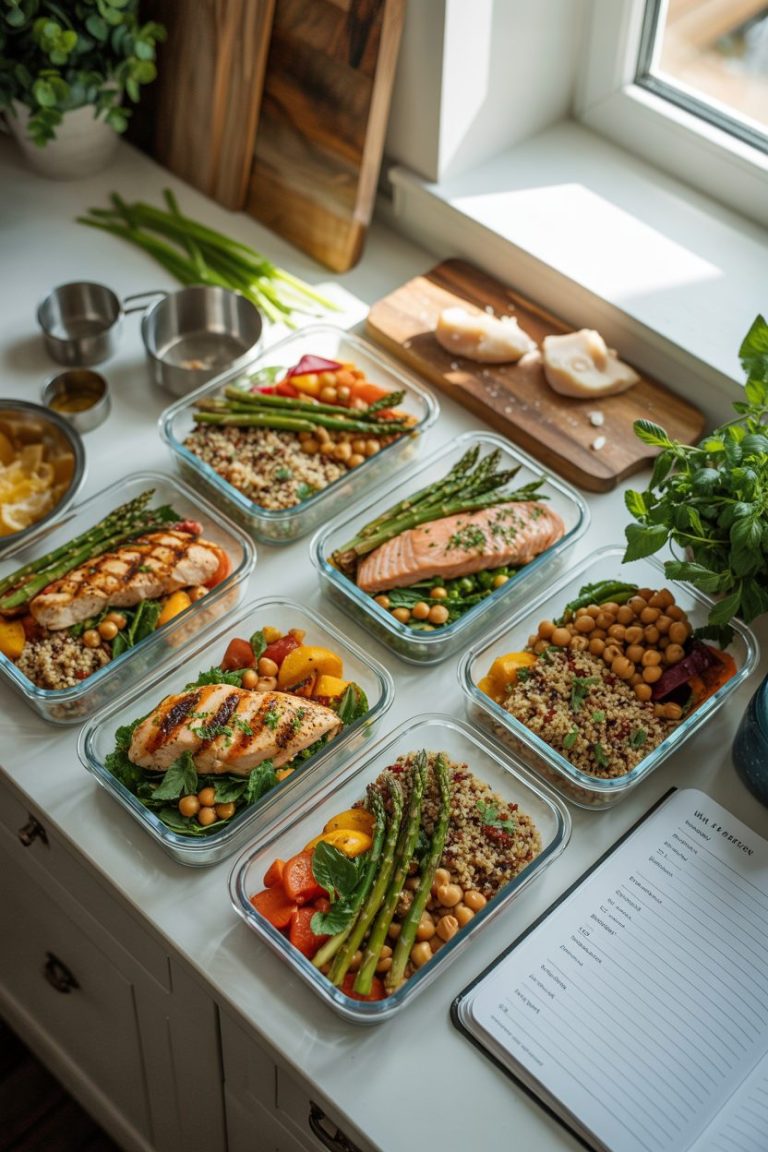
- Grill or bake 5 pounds of chicken breast seasoned three different ways
- Cook a large batch of brown rice and sweet potatoes in the oven
- Prep vegetables – wash, chop, and portion for the week
- Hard-boil 2 dozen eggs for quick protein snacks
- Mix protein shakes in advance and store in the fridge
I store everything in [these compartmented meal prep containers] that keep foods separate until you’re ready to eat. The portions are massive enough to handle muscle-building meals without feeling cramped.
The key is preparing components, not complete meals. This gives you flexibility to combine things differently throughout the week based on your schedule and cravings.
[The complete plan] includes step-by-step meal prep guides with photos, timing charts, and storage instructions for maximum efficiency.
Training Considerations for Maximum Muscle Growth
While this is primarily a nutrition plan, your training matters significantly for how effectively you use these nutrients for muscle building.
Key training principles that complement this nutrition plan:
- Progressive overload – Consistently increasing weight, reps, or volume over time
- Compound movements – Squats, deadlifts, bench press, rows, overhead press
- Adequate volume – 10-20 sets per muscle group per week for most people
- Recovery days – Muscles grow during rest, not in the gym
The nutrition plan accounts for higher carb days around intense training and slightly lower carb days on rest days. This isn’t strict carb cycling—just intuitive eating that supports your training demands.
You should strength train 4-5 days per week while following this plan. If you’re training less frequently, you might not need quite as much food. If you’re training more (twice-daily sessions, very high volume), you might need additional calories.
Adjusting for Your Specific Body Type and Metabolism
Not everyone gains muscle at the same rate or requires the same calorie surplus. Your metabolism, training experience, age, and genetics all play roles.
Hard gainers (people who struggle to gain weight) might need to push calories even higher—potentially 500-700 above maintenance. Adding calorie-dense foods like nuts, nut butter, dried fruit, and whole milk helps increase intake without feeling overly full.
Easy gainers (people who gain weight easily) should stick to the lower end of the surplus—maybe 300 calories above maintenance—and monitor body composition closely. You want to minimize fat gain while still providing enough fuel for muscle growth.
[The downloadable plan includes] adjustment guidelines for different body types, plus strategies for increasing or decreasing portions based on how your body responds during the first week.
The scale should move upward gradually—0.5 to 1 pound per week is ideal. If you’re gaining faster, you’re probably adding unnecessary fat. If you’re not gaining at all, you need to eat more.
Navigating Social Situations While Bulking
One advantage of being in a calorie surplus? Social eating becomes easier. You can enjoy meals with friends and family without stressing about fitting everything into tight macros.
Strategies that work:
- At restaurants, order protein-forward meals with carb sides (steak with potato, chicken with rice)
- Don’t stress about exact portions when eating out—just make reasonable choices
- Save higher-carb or higher-fat meals for social occasions
- Bring protein-rich dishes to gatherings so you know you’ll have options
The beauty of muscle-building nutrition is flexibility. You’re eating enough food that occasional variations don’t derail progress. Missing your exact macros one day doesn’t matter when the overall weekly pattern supports growth.
Hydration and Digestion Considerations
When you’re eating this much food, especially this much protein, proper hydration becomes crucial. Protein metabolism produces waste products that your kidneys need to filter, and adequate water intake supports this process.
Aim for at least a gallon of water daily. More if you’re training intensely or in hot conditions. I keep [this gallon water jug] at my desk and make it a goal to finish it by the end of the workday.
Digestion can also become challenging when dramatically increasing food intake. Strategies that help:
- Include fiber-rich vegetables at most meals
- Consider a probiotic supplement or eat fermented foods (yogurt, kefir)
- Don’t rush through meals—chew thoroughly and eat at a relaxed pace
- Space meals 2-3 hours apart so you’re not constantly stuffed
If you’re experiencing digestive discomfort, don’t ignore it. Adjust portion sizes, meal frequency, or food choices until you find what works for your system.
Related Recipes You’ll Love
Looking for more muscle-building meal ideas beyond this 14-day plan? Here are some recipes that deliver the calories and protein you need for growth:
More Breakfast Ideas: Try these [high-calorie morning meals] and [protein-packed breakfast bowls] that fuel your day right.
Lunch Options: Check out these [meal prep chicken recipes] and [bulk-friendly grain bowls] perfect for midday fuel.
Dinner Solutions: Explore these [high-protein beef dinners] and [muscle-building fish preparations] for evening recovery.
Snack Ideas: Browse our [calorie-dense protein snacks] and [post-workout shake recipes] that keep you in a surplus.
Your Muscle-Building Journey Continues Beyond Day 14
Two weeks gives you a solid foundation, but building significant muscle takes months of consistent effort. The good news? After 14 days, this way of eating becomes your new normal. The portions that felt huge on Day 1 feel manageable by Day 14.
[The complete downloadable plan] includes transition strategies for continuing beyond two weeks, adjusting calories as you gain weight, and troubleshooting plateaus when progress stalls.
Your options after completing the 14 days:
- Repeat the exact plan – If it worked and you enjoyed it, run it back
- Use the framework to create your own meals – You understand the principles now
- Adjust portions upward – As you gain weight, you’ll need slightly more food to continue growing
- Take a diet break – Return to maintenance for 1-2 weeks, then resume the surplus
The key is consistency. You won’t see dramatic changes in two weeks—muscle building is a slow process. But stay consistent for 3-6 months, and the transformation becomes undeniable.
[Download your complete 14-Day High-Protein Muscle Gain Meal Plan – Printable PDF] and give yourself the nutritional foundation your training deserves. Everything you need—complete meal plans, shopping lists, prep guides, macro calculations, and adjustment strategies—is ready right now.
Stop leaving gains on the table because your nutrition isn’t dialed in. Your training is only half the equation—this plan provides the other half. Muscle growth requires adequate protein, sufficient calories, and consistent execution. This plan delivers all three in a practical, sustainable format.
[Click here to get your printable muscle gain meal plan] and start building the physique you’ve been working toward. Your future self—stronger, more muscular, and confident—will thank you for finally prioritizing the nutrition side of the equation.